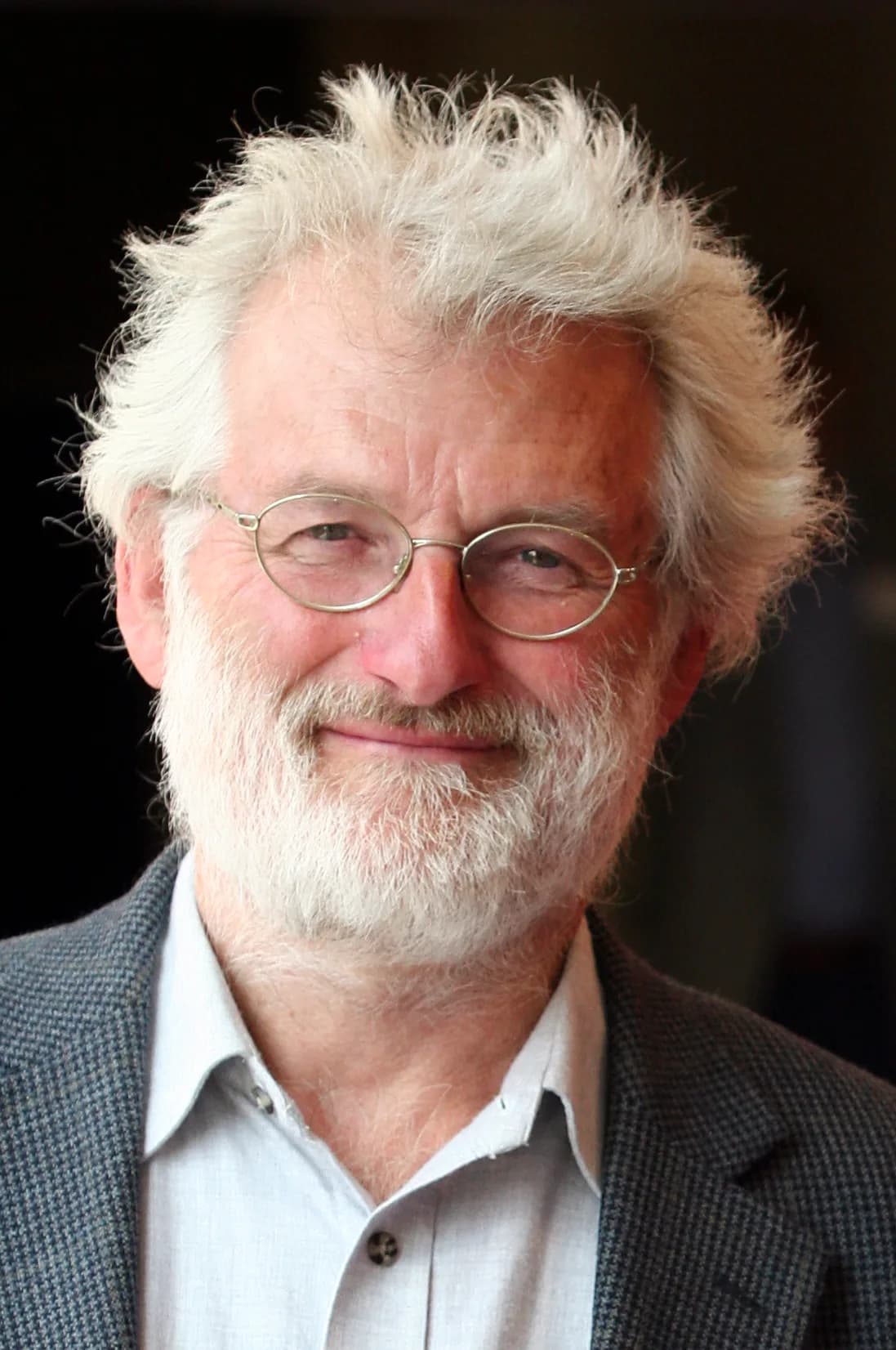
Төрсөн
March 27, 1942
Fulmer, United Kingdom
Нас барсан
March 6, 2018
Fulmer, United Kingdom
Түүгээрээ алдартай
British biologist and Nobel laureate
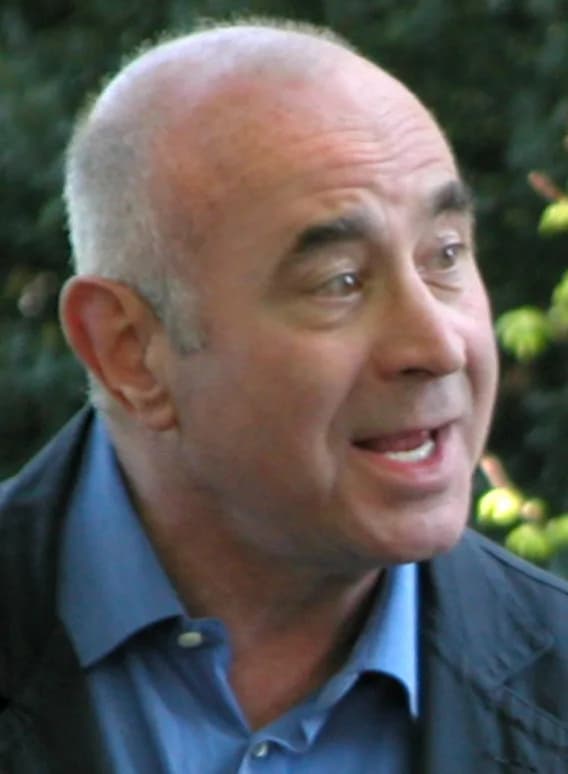
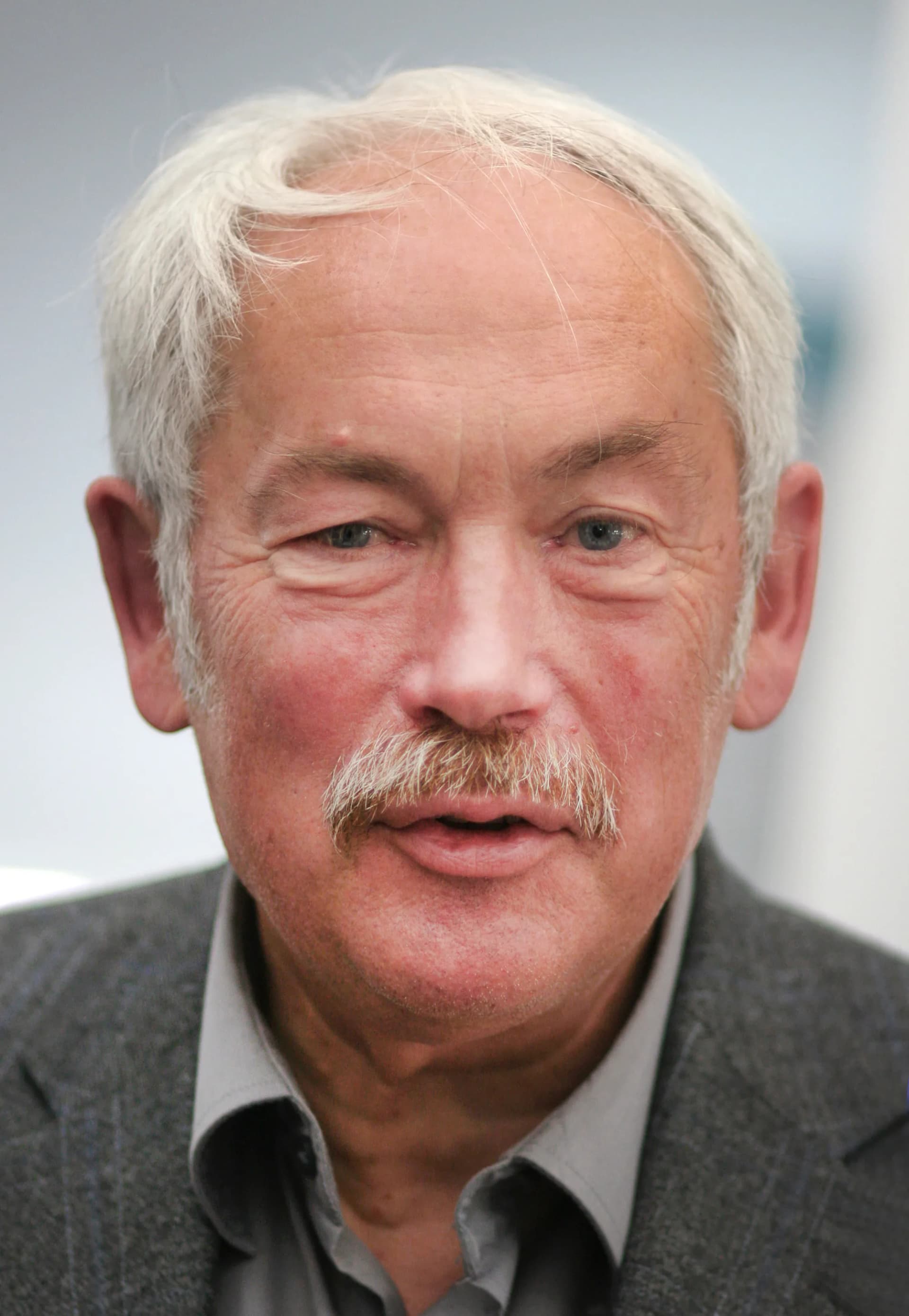
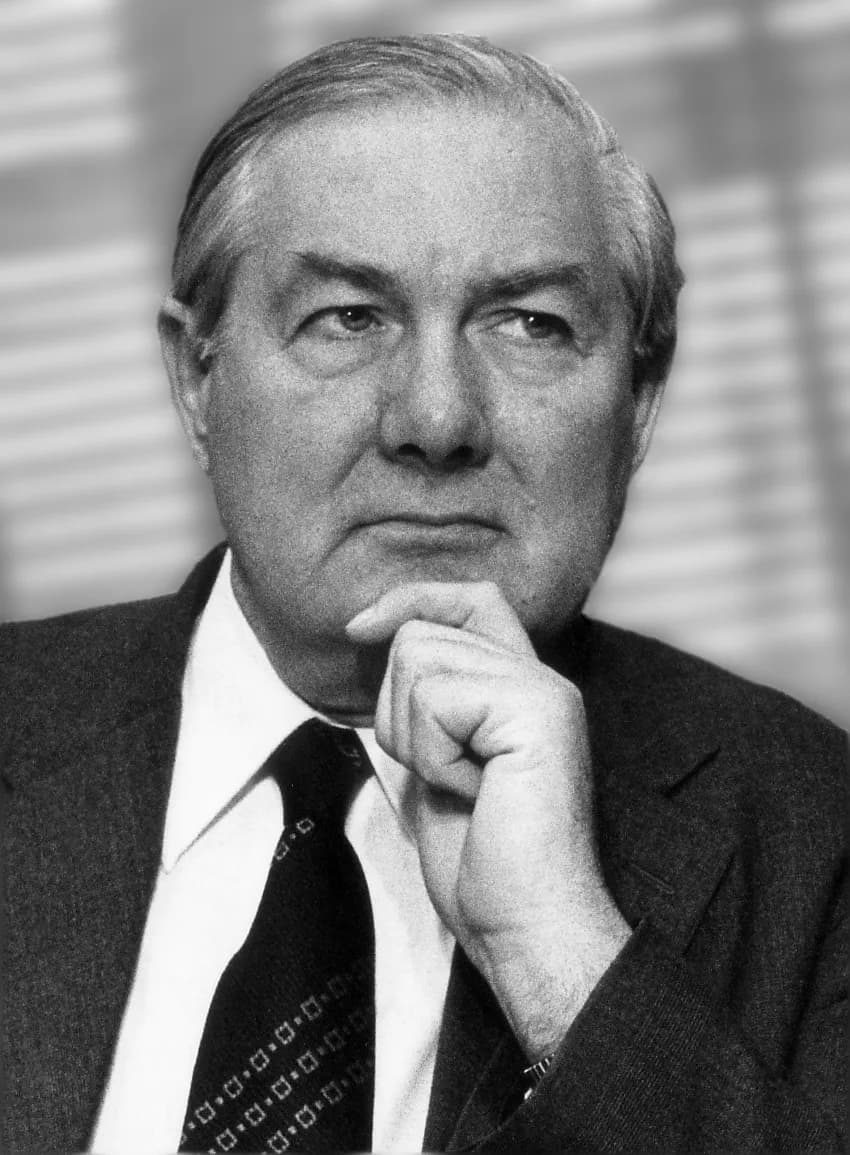
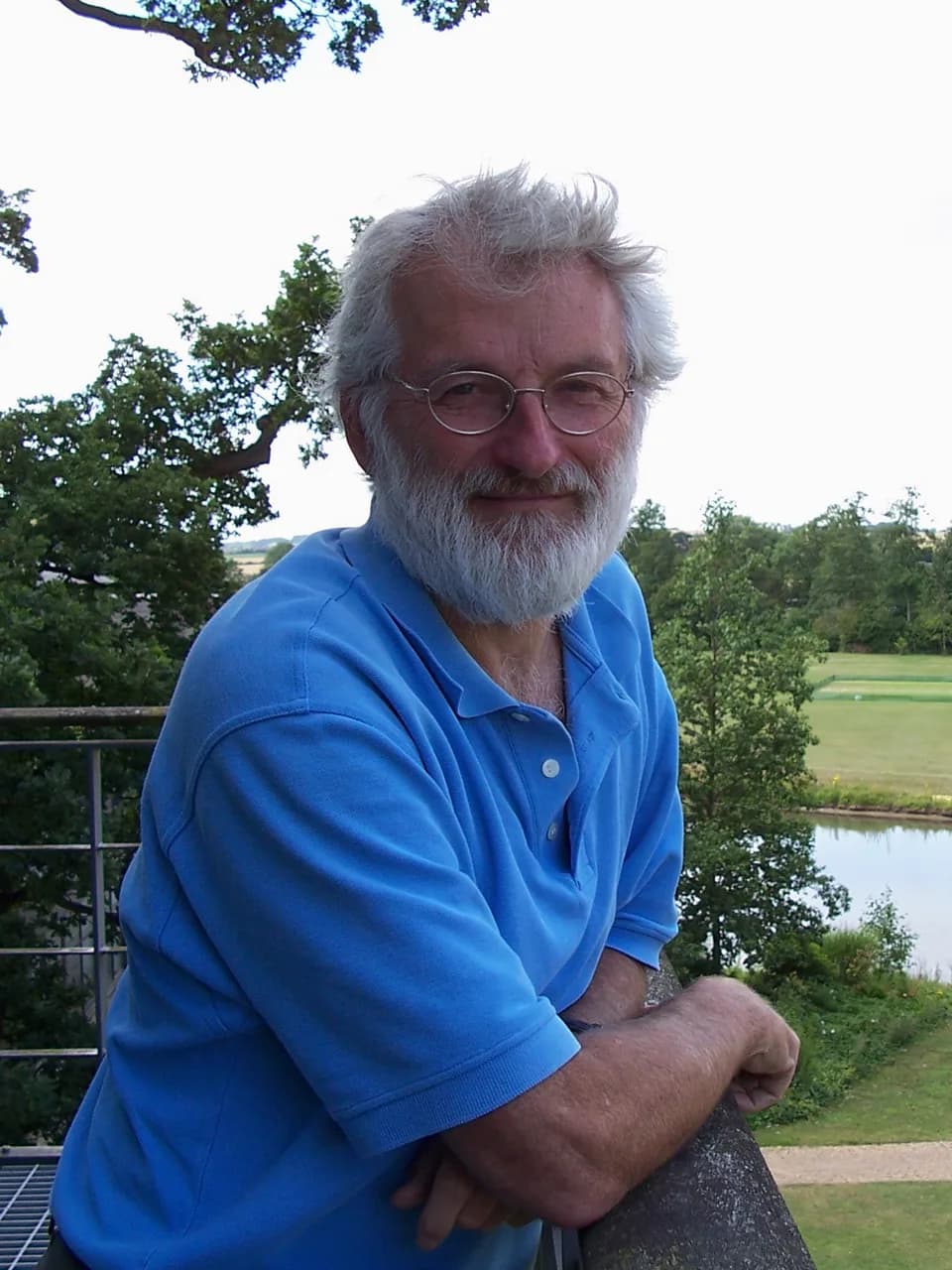
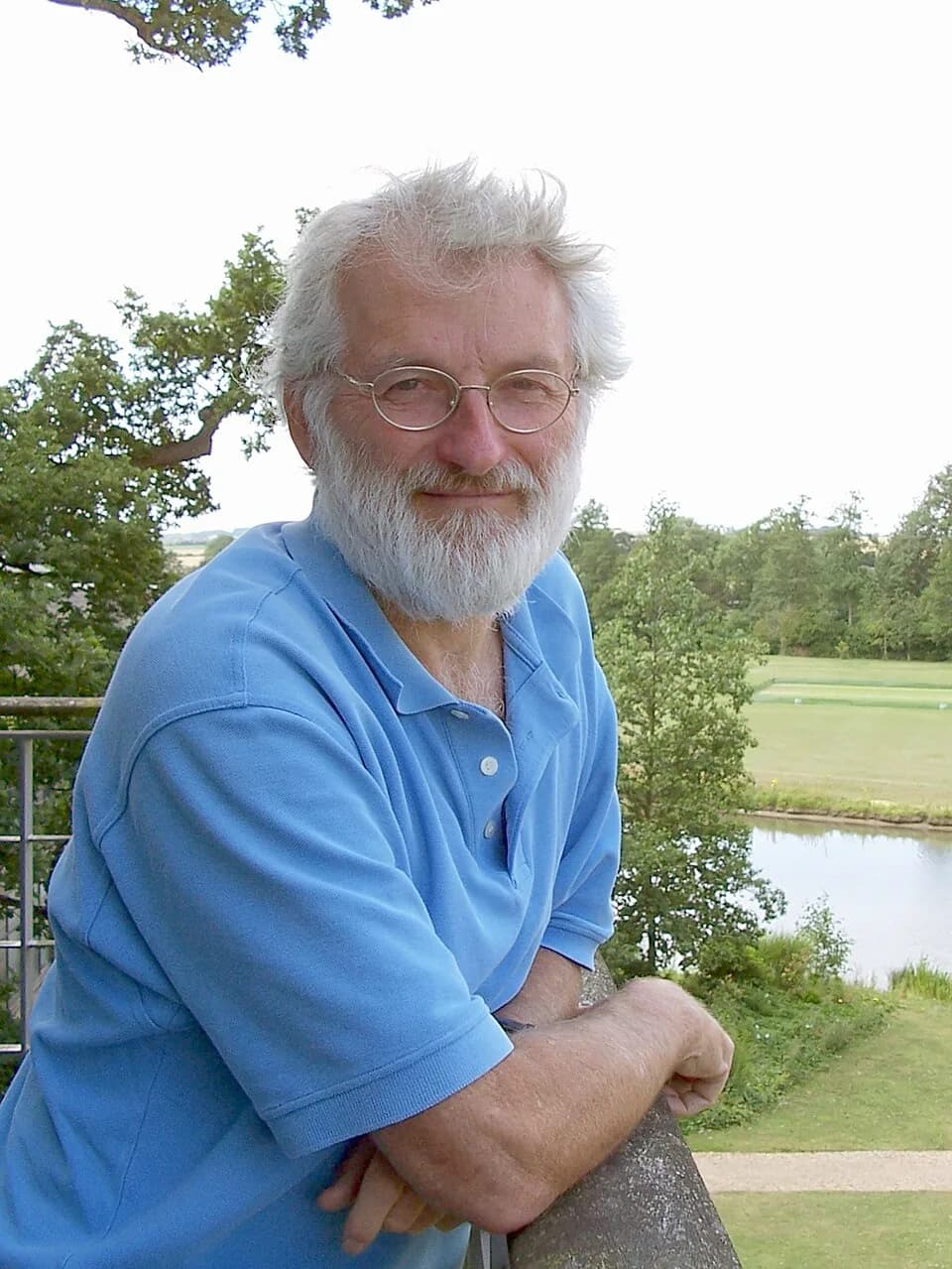
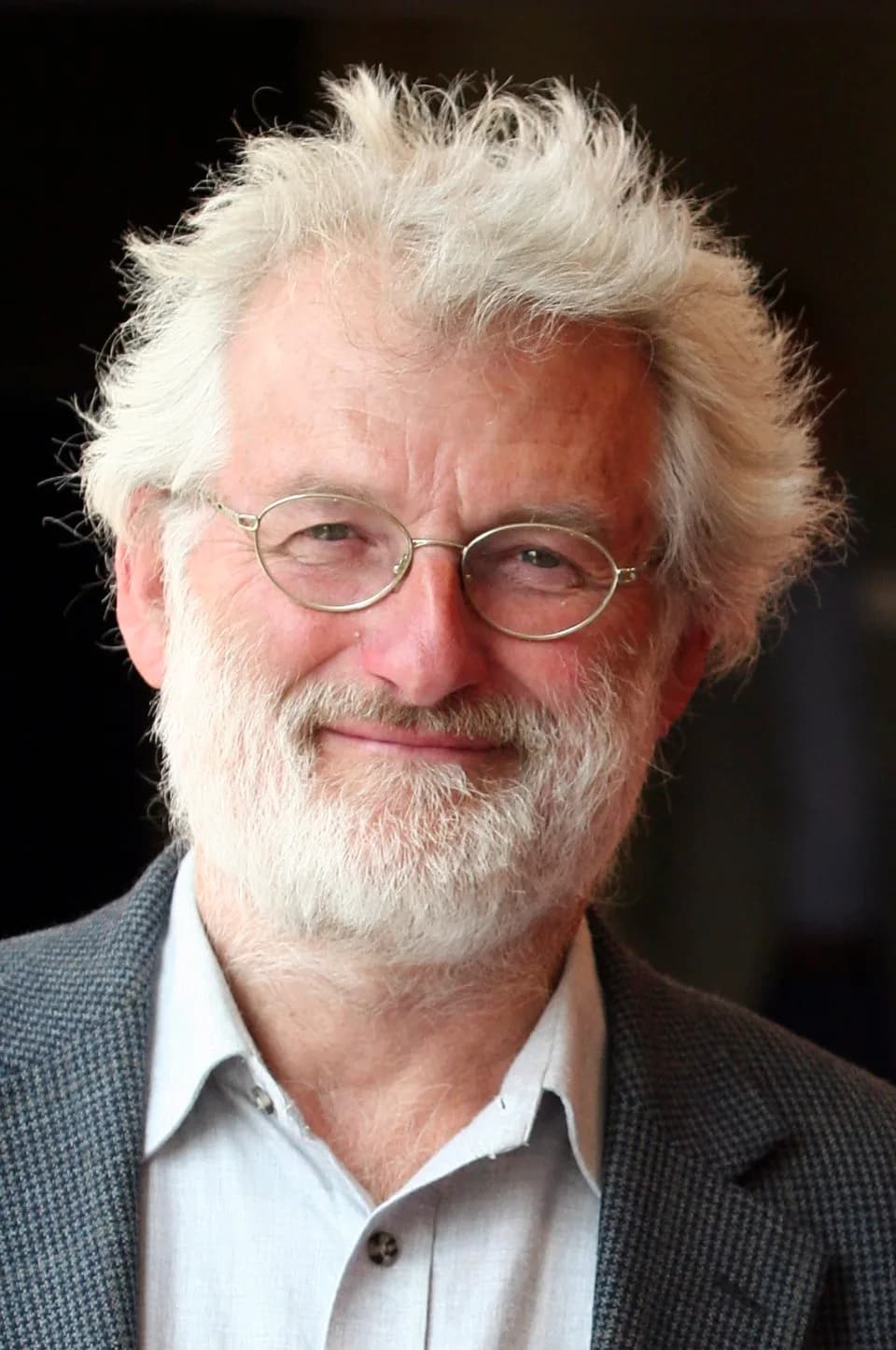
John Sulston (1942–2018) was United Kingdom best known for British biologist and Nobel laureate.
Sir John Edward Sulston (March 27, 1942 – March 6, 2018) was a British biologist and geneticist from Fulmer, United Kingdom. He won the Nobel Prize in 2002 for his work on the C. elegans genome. Sulston was also a key leader in human genome research and advocated for open access to scientific information.
Амьдралын мөчүүд
Амьдралыг бүтээсэн мөчүүд
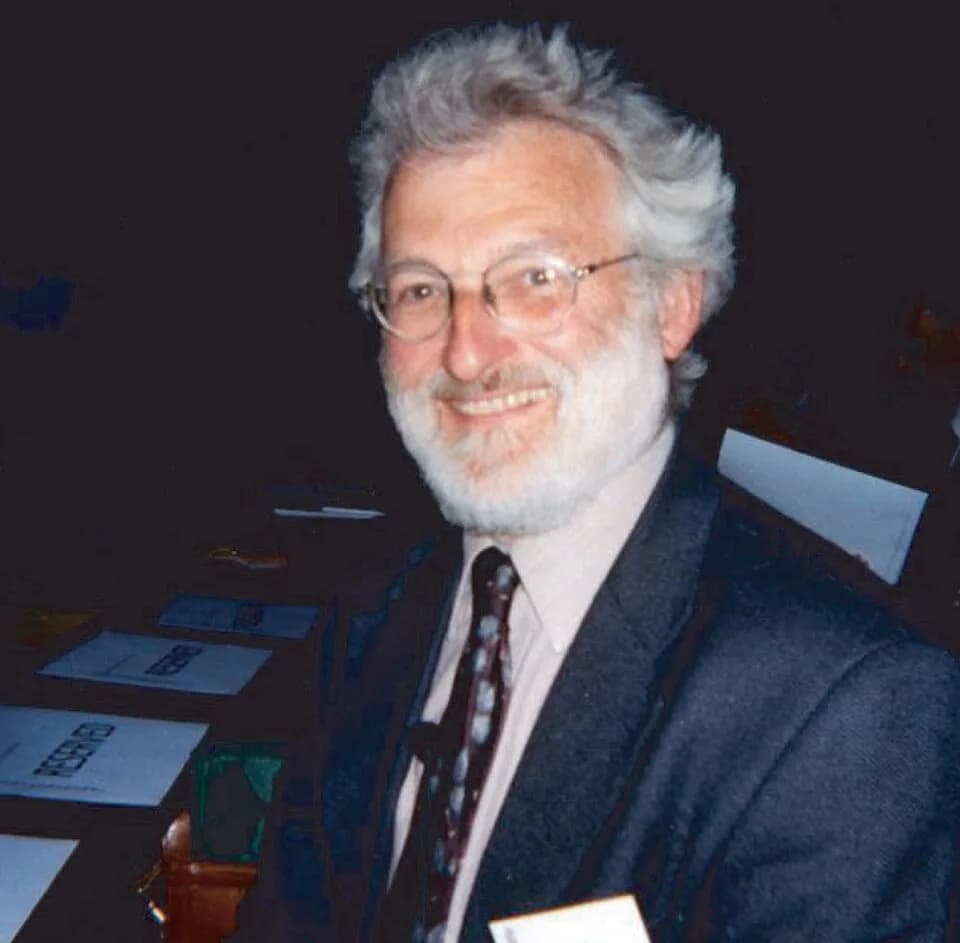
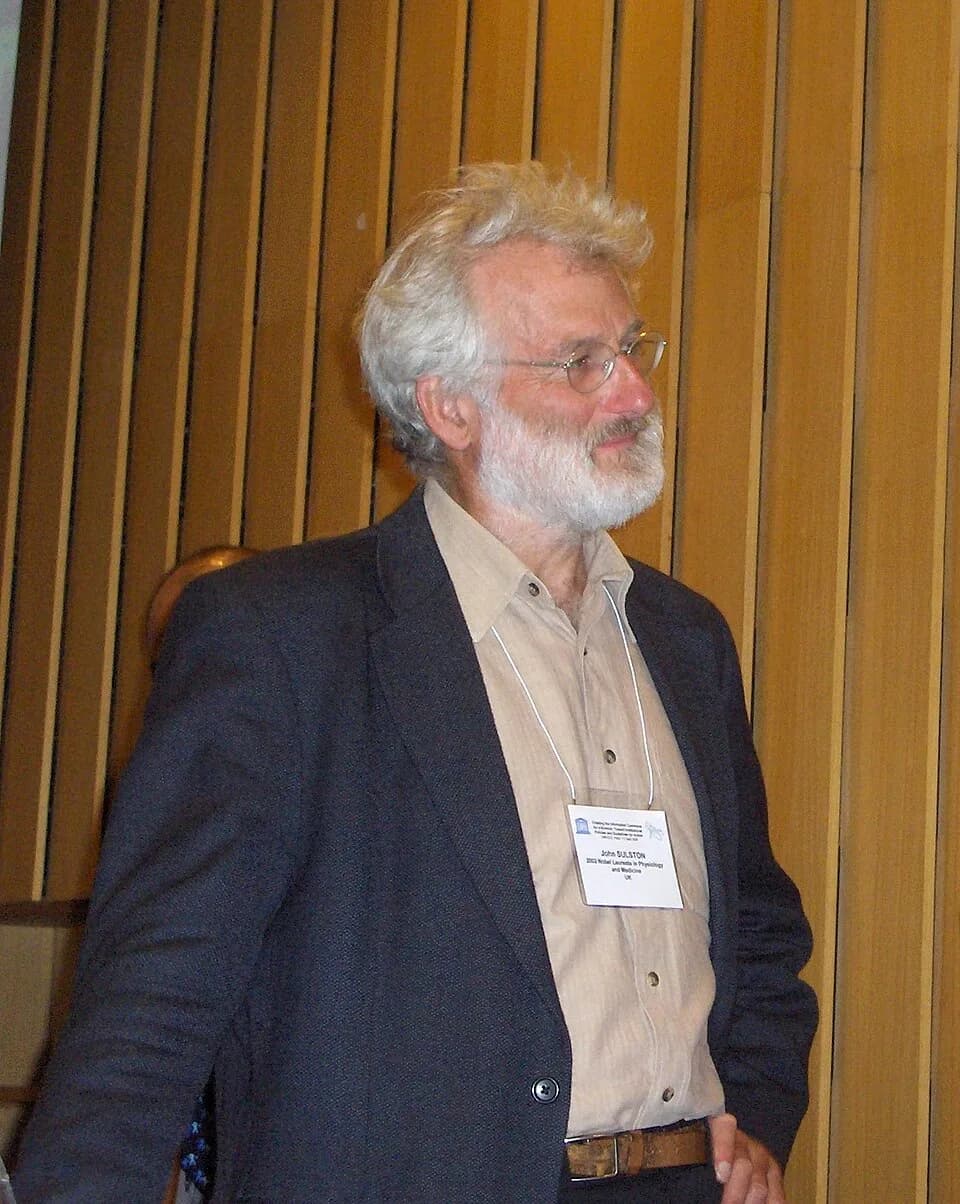
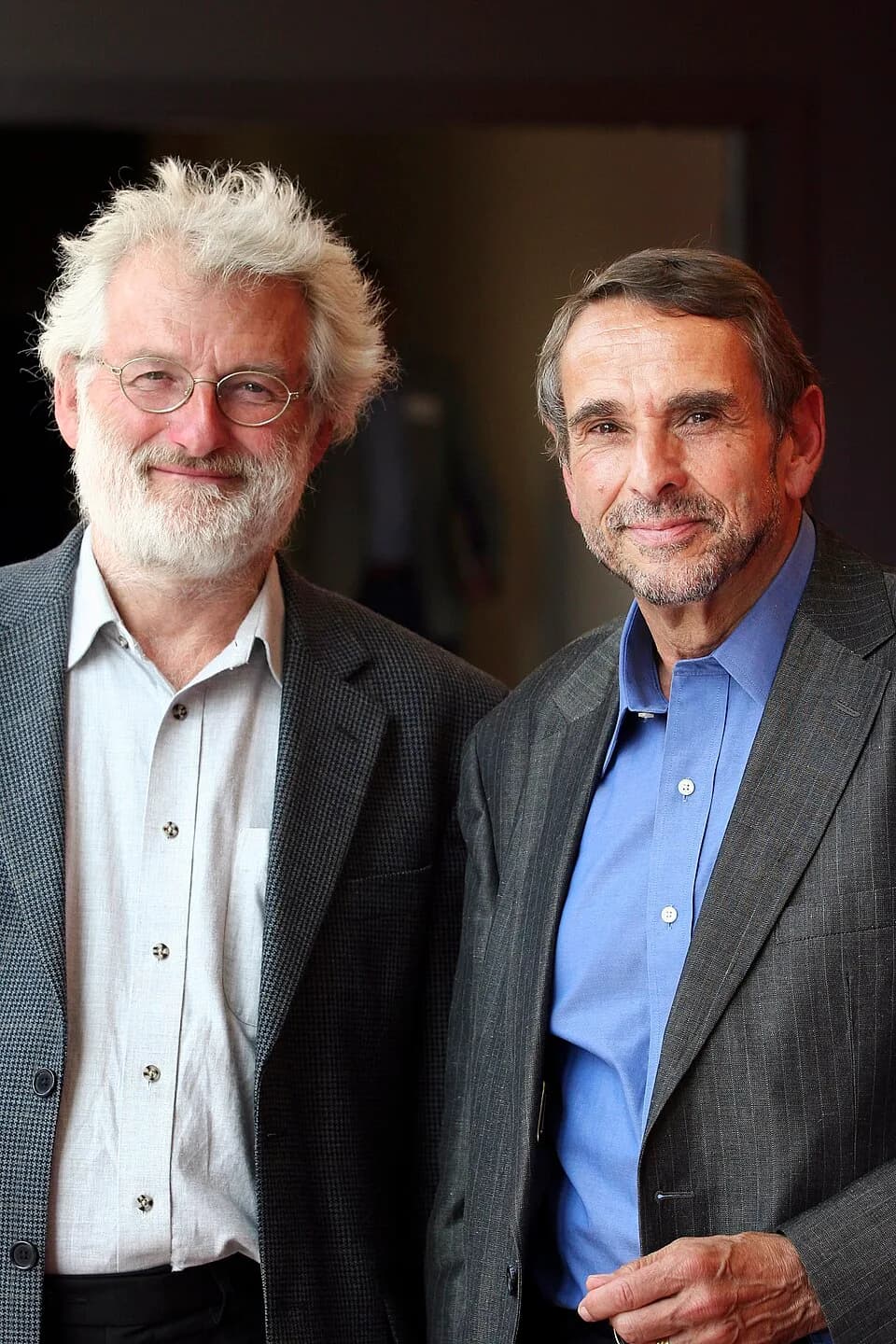
0-р бүлэг
Амьдралын бүлгүүд
1-р бүлэг · 1942· 7-ийн 1-р бүлэг
Opening
Sir John Edward Sulston, a towering figure in British biology, was born on March 27, 1942, and passed away on March 6, 2018, having left a lasting mark on scientific discovery and ethical discourse. A distinguished physician, biologist, and geneticist, Sulston's pioneering contributions reshaped our understanding of cellular development and the human genome. His remarkable career was highlighted by the profound honor of receiving the Nobel Prize in Physiology or Medicine in 2002, a demonstration of his dedication and scientific brilliance.
Beyond his celebrated research, Sir John was equally revered for his steadfast commitment to principles of public access and ethical integrity in science. He championed the idea that scientific knowledge should serve the common good, advocating for open data and opposing the commercialization of genetic material. His life's work thus stands as an exemplar not only of scientific achievement but also of deep moral conviction, continuing to inspire generations of researchers and policymakers alike.
2-р бүлэг · 1942· 7-ийн 2-р бүлэг
Early Life and Origins
John Sulston began his journey in Fulmer, United Kingdom, where he was born on March 27, 1942. His formative years in the serene English countryside likely fostered an early curiosity about the natural world, laying the groundwork for his future scientific pursuits. While specific details about his family and early schooling are not extensively documented, the intellectual environment of post-war Britain undoubtedly shaped his initial academic interests and critical thinking.
The strong traditions of scientific inquiry within the United Kingdom provided a fertile ground for Sulston's intellectual development. His early education and natural aptitude for scientific investigation propelled him towards advanced studies, preparing him for a career that would ultimately place him at the forefront of global biological research. These foundational experiences were crucial in cultivating the rigorous analytical skills and persistent inquiry that characterized his later work.
3-р бүлэг· 7-ийн 3-р бүлэг
Career Beginnings
Sulston's distinguished career path saw him initially trained as a physician, a background that endowed him with a unique perspective on biological systems and human health. This medical foundation informed his subsequent transition into the expansive fields of biology and genetic research, allowing him to approach scientific problems with both clinical relevance and fundamental scientific rigor. His early work established him as a meticulous and dedicated researcher, eager to unravel complex biological mysteries.
His scientific trajectory soon led him to the esteemed MRC Laboratory of Molecular Biology, a nexus of innovation and discovery in Cambridge. It was within this vibrant intellectual atmosphere that Sulston began to focus on the intricate mechanisms of development and genetics, especially using model organisms. This period marked the true genesis of his world-renowned research, setting the stage for the discoveries that would redefine cellular biology.
4-р бүлэг · 2002· 7-ийн 4-р бүлэг
Major Achievements and Career Highlights
The pinnacle of John Sulston's scientific career arrived in 2002 when he was jointly awarded the Nobel Prize in Physiology or Medicine. This prestigious recognition honored his pioneering work, alongside colleagues Sydney Brenner and Robert Horvitz, on the cell lineage and genome of the nematode worm, Caenorhabditis elegans. Their meticulous mapping of every cell division from a single fertilized egg to the adult worm provided unprecedented insight into how multicellular organisms develop, offering a complete developmental roadmap.
Beyond his Nobel-winning research, Sulston also served as a key leader in the monumental human genome project, playing a crucial role in the international effort to sequence the entire human genetic code. His leadership was instrumental in driving the project forward, contributing significantly to one of humanity's most ambitious scientific undertakings. Furthermore, he chaired the Institute for Science, Ethics and Innovation at the University of Manchester, where he passionately advocated for ethical considerations in scientific research and the responsible application of new technologies.
His unwavering commitment to the public interest was a defining characteristic of his career. Sulston was a vocal proponent for free public access to scientific information, believing that research funded by the public should be available for all to benefit from and build upon. He was also a staunch opponent of the patenting of genes and the privatization of genetic technologies, arguing that such actions would hinder progress and limit access to vital medical advancements for the broader population.
5-р бүлэг · 1981· 7-ийн 5-р бүлэг
Notable Works or Contributions
Sir John Sulston’s extensive academic bibliography is punctuated by several highly cited papers that significantly advanced the field of developmental genetics. Among his most influential contributions is "Developmental genetics of the mechanosensory neurons of Caenorhabditis elegans," published in 1981, which has garnered over 400 citations. This work provided critical understanding into the formation and function of sensory neurons within the nematode, revealing fundamental principles applicable to nervous system development across species.
Another seminal paper from 1981, "Abnormal cell lineages in mutants of the nematode Caenorhabditis elegans," with 290 citations, delved into the deviations from normal cellular development caused by specific genetic mutations. This research offered profound insights into how genetic errors can disrupt precise developmental pathways, contributing to our knowledge of congenital disorders and disease mechanisms. Further expanding on this area, "Mutations that lead to reiterations in the cell lineages of C" (1981, 88 citations) explored how certain mutations could cause abnormal repetitions in cell division patterns, highlighting the delicate balance required for ordered development.
His research was not confined solely to nematodes; an earlier publication, "Physical linkage of the 5 S cistrons to the 18 S and 28 S ribosomal RNA cistrons in Saccharomyces cerevisiae" (1973, 87 citations), demonstrated his versatility by contributing to yeast genetics. This work elucidated the physical organization of ribosomal RNA genes, a foundational aspect of gene expression. Additionally, "Cell cycling and DNA replication in a mutant blocked in cell division in the nematode Caenorhabditis elegans" (1978, 82 citations) further illuminated the complex processes governing cell division and DNA replication, using the C. elegans model to uncover mechanisms crucial for understanding cell proliferation and control.
6-р бүлэг· 7-ийн 6-р бүлэг
Later Years
In his later years, John Sulston remained an active and influential voice in the scientific and ethical communities. He continued to dedicate himself to his role as Chair of the Institute for Science, Ethics and Innovation at the University of Manchester, where he championed critical discussions about the societal implications of scientific progress. His leadership in this institute ensured that ethical considerations were at the forefront of scientific discourse, guiding new generations of researchers to think beyond immediate discoveries.
Even after receiving the Nobel Prize, his commitment to the principles of open science and public benefit never waned. He consistently used his elevated platform to advocate fiercely for free access to scientific research and to argue against the commercial exploitation of genetic information. His steadfastness on these issues made him a respected figure not just for his scientific prowess, but also for his moral compass in a rapidly evolving scientific environment.
Sir John Sulston passed away in his birthplace of Fulmer, United Kingdom, on March 6, 2018. His passing marked the end of a life characterized by relentless scientific inquiry, profound discovery, and a deep sense of social responsibility. He continued to inspire many through his work and his unwavering ethical stance until his final days.
7-р бүлэг· 7-ийн 7-р бүлэг
Legacy and Impact
The enduring legacy of Sir John Sulston is broad, touching both scientific methodology and ethical philosophy in profound ways. His meticulous mapping of the cell lineage of Caenorhabditis elegans provided a complete and unprecedented developmental "blueprint" for a multicellular organism. This achievement did not just describe development; it offered a foundational framework that reshaped developmental biology and served as a powerful reference for understanding cell fate, differentiation, and programmed cell death in all complex life forms.
Beyond the laboratory, Sulston's unwavering stance on the public ownership of genetic information and his strong opposition to gene patenting left a lasting ethical imprint on the scientific community and public policy debates. He profoundly influenced the ethos of open science, advocating for a collaborative and accessible research environment. His vision for science, where knowledge is a shared resource for global benefit, continues to inspire open science initiatives worldwide, ensuring that the benefits of genetic research are distributed broadly and equitably for future generations.
Асуулт хариулт
Түгээмэл асуултууд
John Sulston хэзээ нас барсан бэ?
John Sulston 2018 оны гуравдугаар сарын 6-нд Fulmer, United Kingdom-д нас барсан, 75 насандаа.
John Sulston хаана төрсөн бэ?
John Sulston Fulmer, United Kingdom-д 1942 оны гуравдугаар сарын 27-нд төрсөн.
John Sulston юугаараа алдартай вэ?
John Sulston British biologist and Nobel laureate-ээрээ хамгийн алдартай.
John Sulston нас барахдаа хэдэн настай байсан бэ?
John Sulston нас барахдаа 75 настай байсан.
John Sulston ямар үндэстэн байсан бэ?
John Sulston United Kingdom-аас гаралтай.
Цаг хугацаа
Амьдралын замнал
Зургийн цомог
Зурагт өгүүлсэн амьдрал
Зургийг томруулахын тулд дарна уу · 20 зураг
QR код
Энэхүү намтрыг хуваалцах
Хэвлэх ба хуваалцах
Энэхүү намтрын хуудаст зочлохын тулд уншуулна уу. Үйл явдал, үзэсгэлэн, боловсролын материалын зорилгоор хэвлэнэ үү.