Төрсөн
March 19, 1906
Solingen, Germany
Нас барсан
May 31, 1962
Ramla, Israel
Түүгээрээ алдартай
German-Austrian SS officer and one of the major organizers of the Holocaust
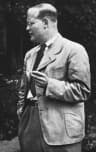
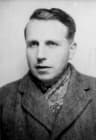
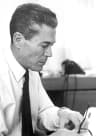
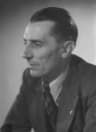
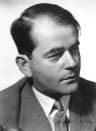
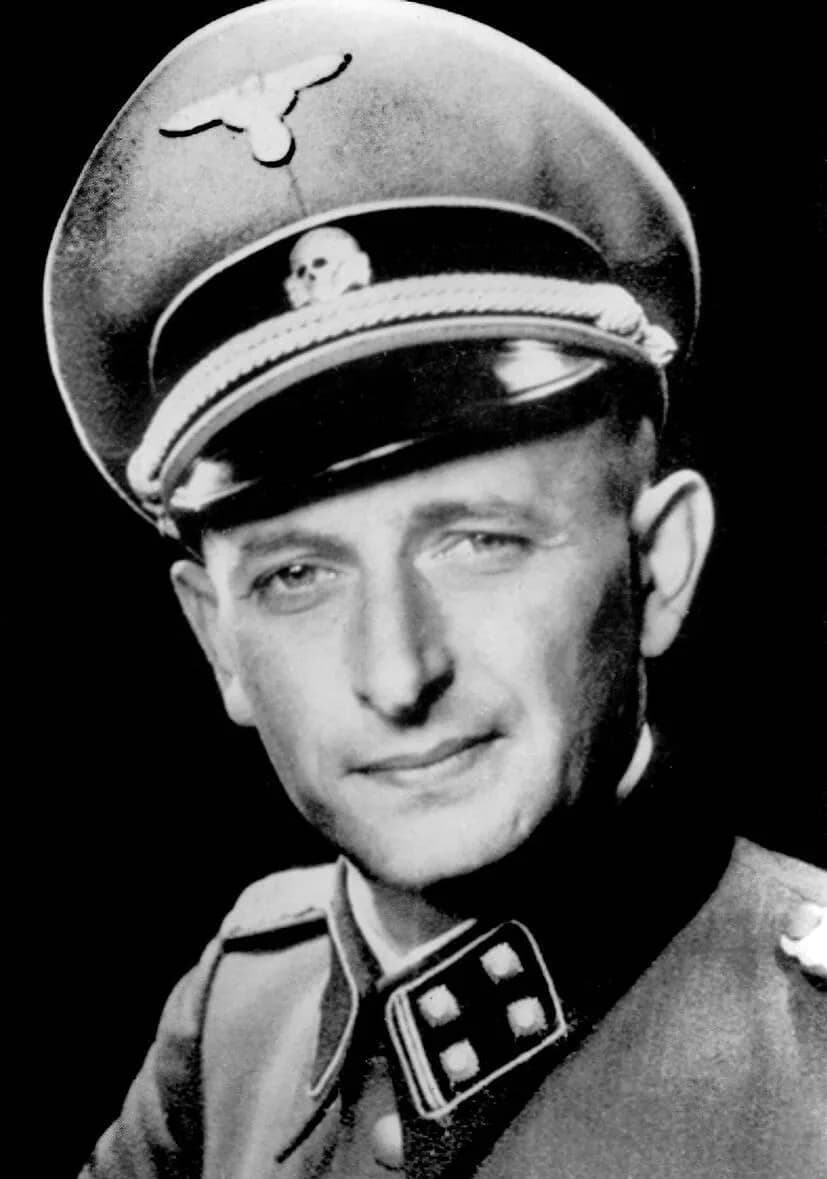
Adolf Eichmann (1906–1962) was Germany best known for German-Austrian SS officer and one of the major organizers of the Holocaust.
Otto Adolf Eichmann (March 19, 1906 – May 31, 1962) was a German-Austrian SS officer and major organizer of the Holocaust. He coordinated the logistics of mass deportations to Nazi extermination camps and was executed in 1962 following his capture and trial in Jerusalem.
0-р бүлэг
Амьдралын бүлгүүд
1-р бүлэг · 1906· 7-ийн 1-р бүлэг
Early Life and Origins
Adolf Eichmann was born on March 19, 1906, in Solingen, Germany. His early years were spent in a middle-class German family during a period of significant political and social change in Europe. Like many of his generation, he would come of age during the tumultuous years following World War I, when economic hardship and political instability created conditions that would later enable the rise of extremist movements.
2-р бүлэг· 7-ийн 2-р бүлэг
Entry into the Nazi Party
Eichmann joined the Nazi Party and became an officer in the Schutzstaffel (SS), the paramilitary organization that would become central to Nazi Germany's apparatus of persecution and genocide. His organizational skills and bureaucratic efficiency caught the attention of his superiors, leading to his assignment to increasingly important roles within the Nazi hierarchy. His career trajectory reflected the systematic nature of Nazi Germany's approach to persecution and extermination.
3-р бүлэг · 1942· 7-ийн 3-р бүлэг
Role in the Final Solution
Eichmann participated in the January 1942 Wannsee Conference, where Nazi officials planned the implementation of the genocidal Final Solution to the Jewish Question. Following this meeting, he was tasked by SS-Obergruppenführer Reinhard Heydrich with facilitating and managing the logistics involved in the mass deportation of millions of Jews. His role involved coordinating transportation, scheduling, and the bureaucratic machinery that enabled the Holocaust's systematic execution across German-occupied Europe.
4-р бүлэг · 1945· 7-ийн 4-р бүлэг
Post-War Escape and Life in Hiding
After Germany's defeat in 1945, Eichmann was captured and detained by the Allied forces. However, he managed to escape from custody and eventually fled to Argentina, where he lived under an assumed identity for many years. His escape represented one of many cases where Nazi war criminals evaded immediate post-war justice, finding refuge in South American countries that provided haven for fleeing Nazi officials.
5-р бүлэг · 1960· 7-ийн 5-р бүлэг
Capture and Trial
In May 1960, Eichmann was tracked down and abducted by Israel's Mossad intelligence agency in a covert operation that brought him to face justice in Jerusalem. The highly publicized Eichmann trial before the Supreme Court of Israel became a watershed moment in Holocaust documentation and legal history. The proceedings provided a platform for Holocaust survivors to testify and brought global attention to the systematic nature of Nazi crimes against humanity.
6-р бүлэг · 1962· 7-ийн 6-р бүлэг
Execution and Historical Significance
Following his conviction in Jerusalem, Eichmann was executed by hanging on May 31, 1962, in Ramla, Israel. His trial and execution represented a crucial moment in post-war justice and established important precedents for international law regarding crimes against humanity. The case demonstrated the principle that there could be no statute of limitations for genocide and that those responsible for such crimes could be held accountable regardless of time or distance.
7-р бүлэг· 7-ийн 7-р бүлэг
Legacy and Historical Impact
Eichmann's case became central to understanding how ordinary bureaucrats could become instrumental in carrying out genocide through administrative efficiency and moral detachment. His trial contributed significantly to Holocaust education and documentation, ensuring that the testimonies of survivors were preserved for future generations. The legal precedents established by his prosecution continue to influence international criminal law and the pursuit of justice for crimes against humanity worldwide.
Амьдралын мөчүүд
Амьдралыг бүтээсэн мөчүүд


Асуулт хариулт
Түгээмэл асуултууд
Adolf Eichmann хэзээ нас барсан бэ?
Adolf Eichmann 1962 оны тавдугаар сарын 31-нд Ramla, Israel-д нас барсан, 56 насандаа.
Adolf Eichmann хаана төрсөн бэ?
Adolf Eichmann Solingen, Germany-д 1906 оны гуравдугаар сарын 19-нд төрсөн.
Adolf Eichmann юугаараа алдартай вэ?
Adolf Eichmann German-Austrian SS officer and one of the major organizers of the Holocaust-ээрээ хамгийн алдартай.
Adolf Eichmann нас барахдаа хэдэн настай байсан бэ?
Adolf Eichmann нас барахдаа 56 настай байсан.
Adolf Eichmann ямар үндэстэн байсан бэ?
Adolf Eichmann Germany-аас гаралтай.
Цаг хугацаа
Амьдралын замнал
Зургийн цомог
Зурагт өгүүлсэн амьдрал
Зургийг томруулахын тулд дарна уу · 94 зураг
QR код
Энэхүү намтрыг хуваалцах
Хэвлэх ба хуваалцах
Энэхүү намтрын хуудаст зочлохын тулд уншуулна уу. Үйл явдал, үзэсгэлэн, боловсролын материалын зорилгоор хэвлэнэ үү.