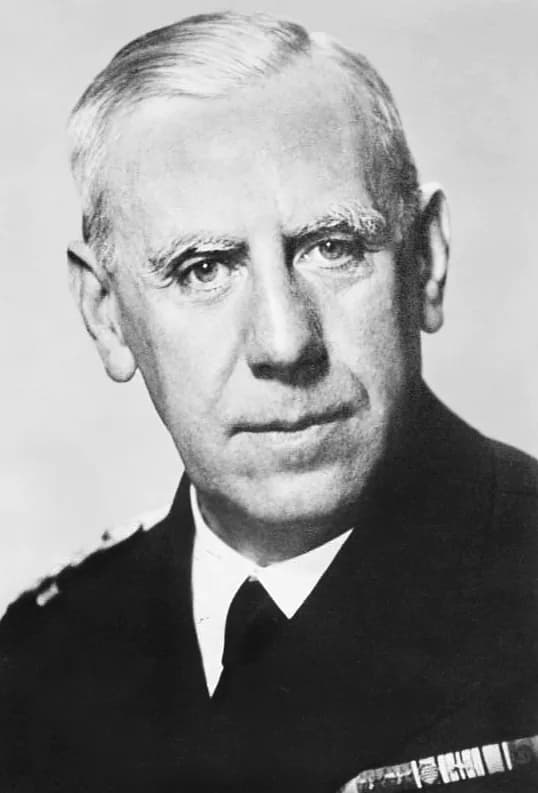
Роден
January 1, 1887
Aplerbeck, Germany
Починал
April 9, 1945
Flossenbürg concentration camp, Germany
Познат по
German admiral, head of military intelligence service
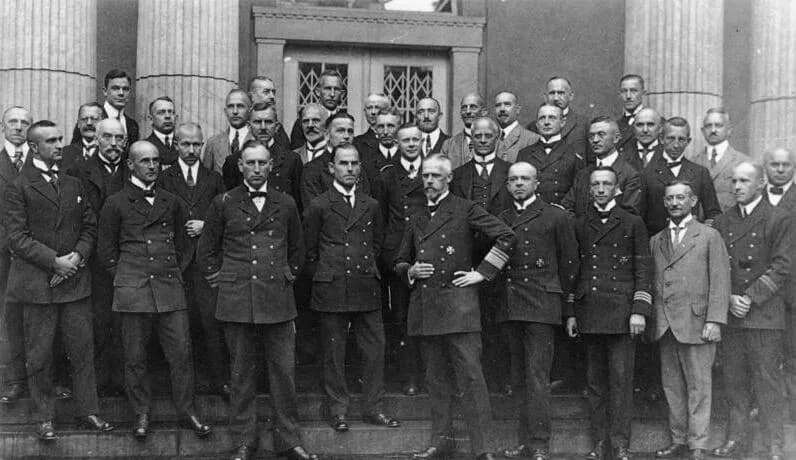
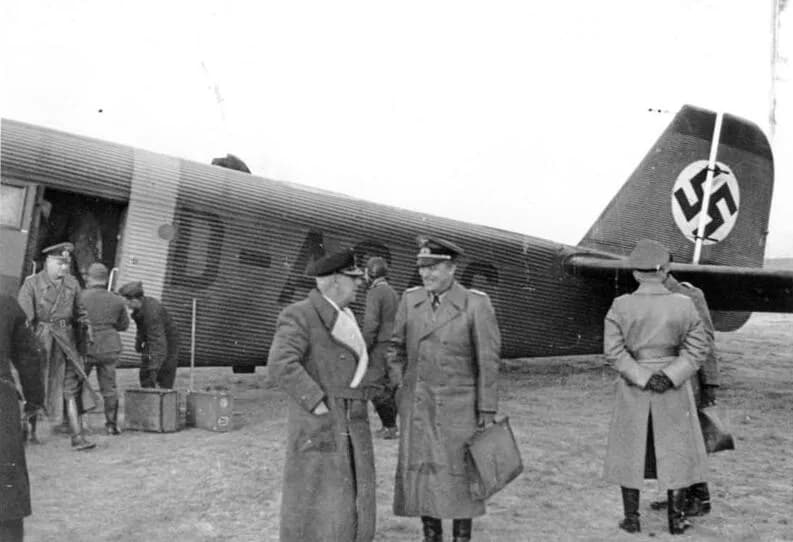
Wilhelm Canaris (1887–1945) was Germany best known for German admiral, head of military intelligence service.
Wilhelm Franz Canaris (January 1, 1887 – April 9, 1945) was a German admiral and chief of military intelligence. He led the Abwehr and became a resistance fighter against Adolf Hitler during World War II, ultimately dying in Flossenbürg concentration camp.
Поглавје
Животни поглавја
Поглавје 1 · 1887· Поглавје 1 од 5
Early Life and Origins
Wilhelm Canaris was born on January 1, 1887, in Aplerbeck, Germany. His early life in Germany set the foundation for a career dedicated to national service, a path he would pursue with unwavering commitment from a young age.
Aplerbeck, a community within the German Empire at the time, was his birthplace, marking the beginning of a life that would eventually intersect with pivotal historical events and shape the course of World War II intelligence efforts.
Поглавје 2· Поглавје 2 од 5
Career Beginnings
Canaris embarked on a career as a naval officer, gaining early experience as a submariner. This initial exposure to maritime operations and strategic thinking was crucial, equipping him with practical skills and a deep understanding of military strategy.
His service within the navy provided him with a robust foundation for leadership and clandestine operations, skills that would prove invaluable when he transitioned into the highly sensitive world of military intelligence. These formative years shaped the disciplined and strategic mind that would later characterize his tenure at the Abwehr.
Поглавје 3 · 1935· Поглавје 3 од 5
Major Achievements and Career Highlights
Wilhelm Canaris ascended to a position of immense authority, becoming the chief of the Abwehr, Germany's military intelligence service, from 1935 to 1944. During this period, he oversaw a vast network of intelligence gathering and counter-intelligence operations, playing a critical role in Germany's strategic landscape.
Initially, Canaris was a supporter of Adolf Hitler and the Nazi Party, believing in their vision for Germany's future. His loyalty, however, began to wane following the brutal German invasion of Poland in 1939, a turning point that deeply altered his perspective on the regime's true nature.
From that moment, Canaris began to commit acts of both passive and active resistance during World War II. He used his position within the Abwehr to secretly aid anti-Nazi elements, provide warnings to Allied powers, and obstruct Nazi war efforts, often at great personal risk.
His actions demonstrated a profound shift from a loyal officer to a conscience-driven resistance fighter, utilizing his intelligence post to work against the very government he was ostensibly serving. This period marked the height of his dangerous double game, balancing his official duties with his clandestine opposition.
Поглавје 4· Поглавје 4 од 5
Later Years
Canaris's acts of resistance continued throughout World War II, making him an increasingly dangerous adversary to the Nazi regime from within. His involvement in covert operations to undermine Hitler eventually led to his downfall within the Abwehr.
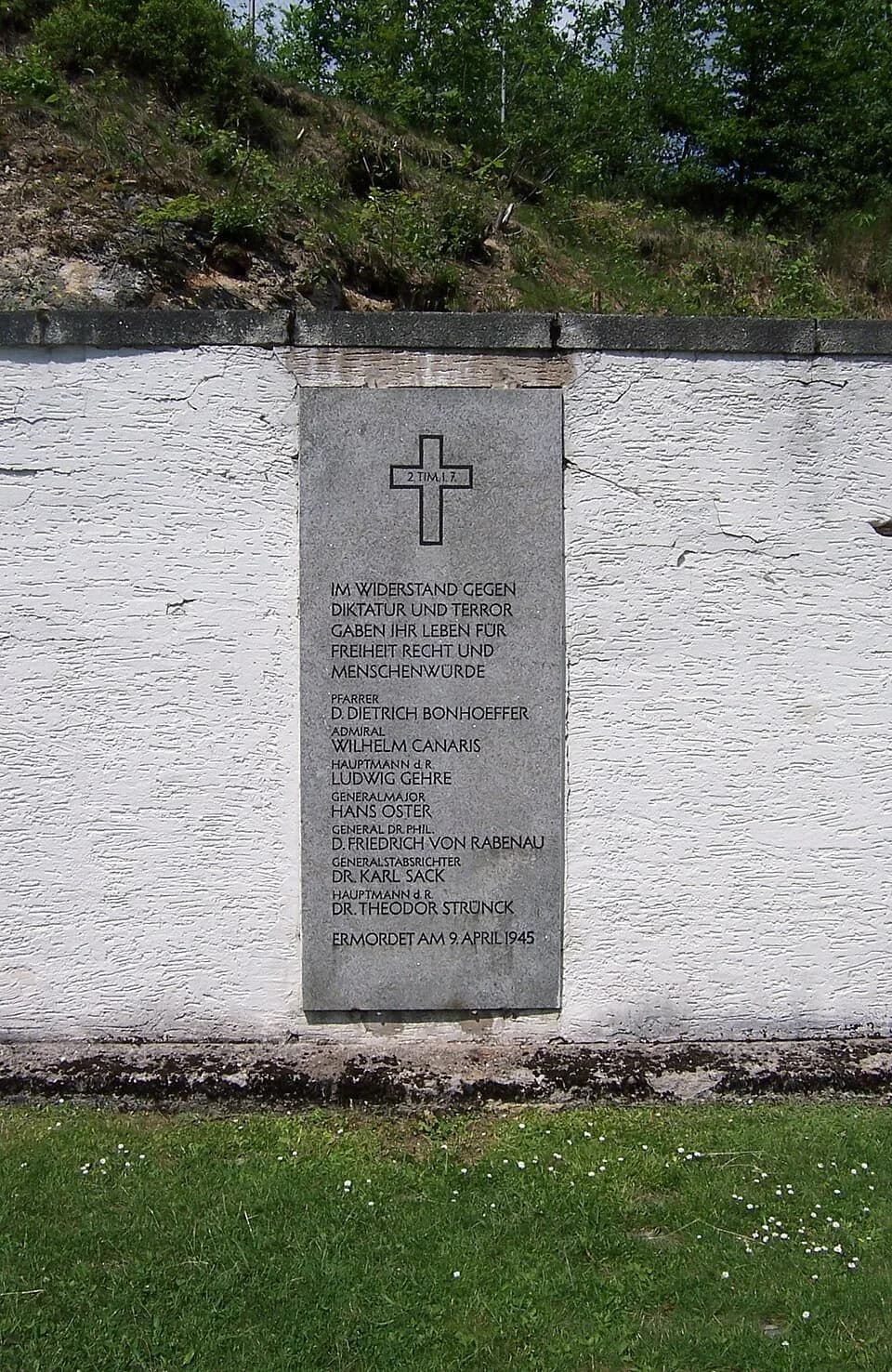
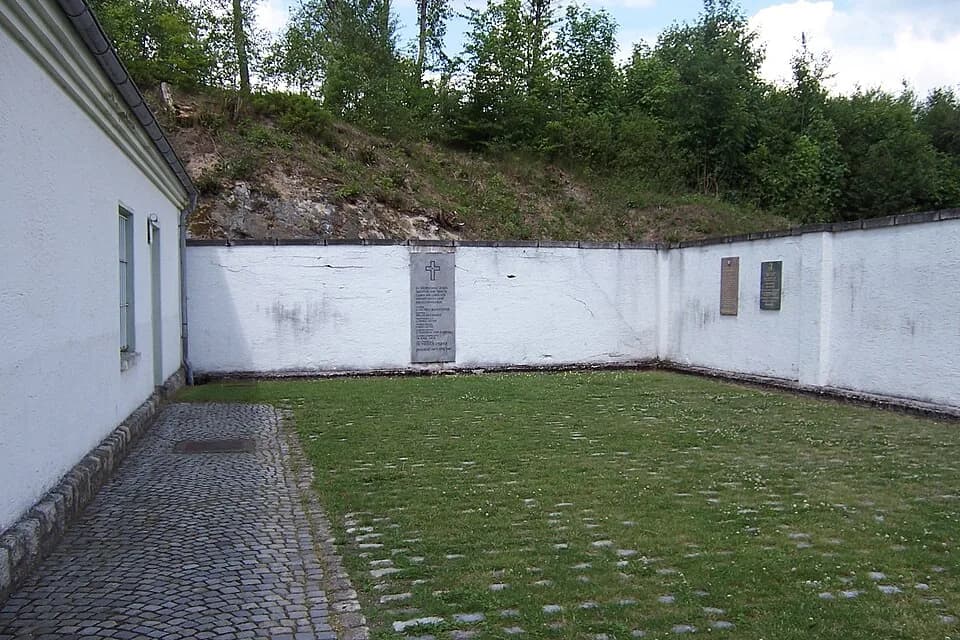
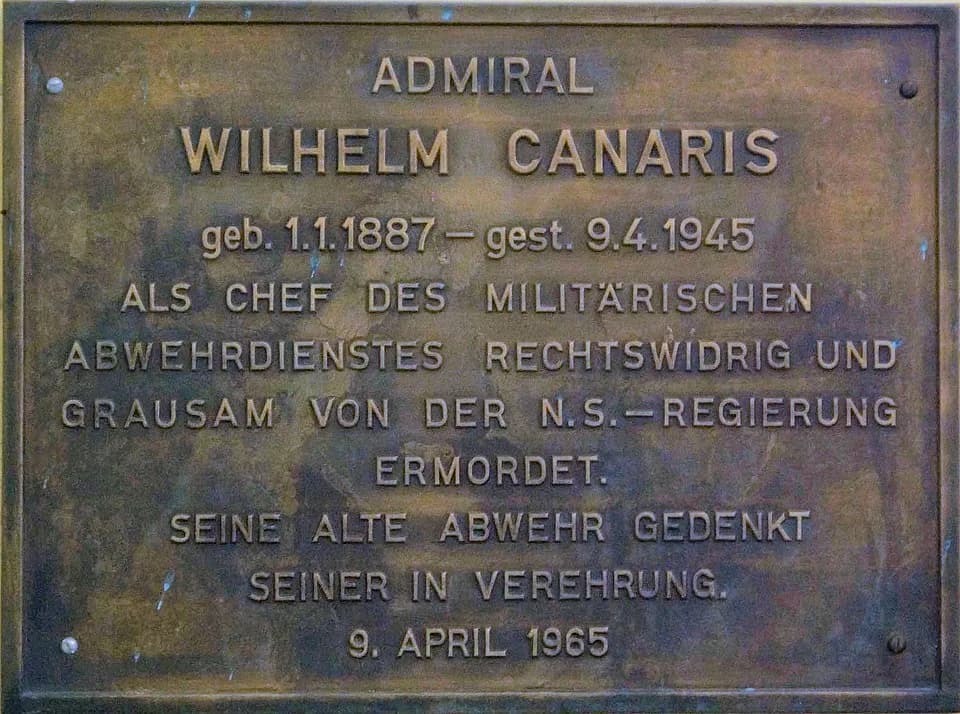
His defiance ultimately cost him his life. On April 9, 1945, just weeks before the end of the war in Europe, Wilhelm Canaris was executed at Flossenbürg concentration camp in Germany. His death marked the tragic end of a life dedicated to service, which pivoted dramatically to courageous opposition against tyranny.
Поглавје 5· Поглавје 5 од 5
Legacy and Impact
Wilhelm Canaris is remembered as a complex and controversial figure: a German admiral, an intelligence officer, a submariner, and significantly, a resistance fighter. His decision to turn against Hitler and the Nazi Party, risking everything, underscores his moral courage and conviction in the face of immense pressure.
His legacy is that of a man who, from a position of power within the Third Reich, chose to actively resist its atrocities, becoming a symbol of internal opposition. Canaris's story serves as a reminder of the individuals who defied a totalitarian regime, leaving an enduring mark on the history of resistance during World War II.
Живот во моменти
Моментите што го обликувале еден живот
ЧПП
Често поставувани
Кога почина Wilhelm Canaris?
Wilhelm Canaris почина на 9 април 1945 г. во Flossenbürg concentration camp, Germany, на возраст од 58 години.
Каде е роден(а) Wilhelm Canaris?
Wilhelm Canaris е роден(а) во Aplerbeck, Germany на 1 јануари 1887 г..
По што е најпознат(а) Wilhelm Canaris?
Wilhelm Canaris е најпознат(а) по German admiral, head of military intelligence service.
Колку години имаше Wilhelm Canaris во моментот на смртта?
Wilhelm Canaris имаше 58 години во моментот на смртта.
Од која националност беше Wilhelm Canaris?
Wilhelm Canaris беше од Germany.
Хронологија
Живот во преглед
Галерија со фотографии
Живот во слики
Кликнете на која било полароид фотографија за да ја прошириете · 22 фотографии
QR код
Споделете ја оваа биографија
Печати и сподели
Скенирајте за да ја посетите оваа биографска страница. Печатете за настани, изложби или образовни материјали.