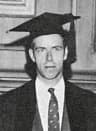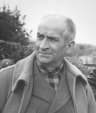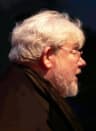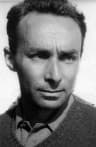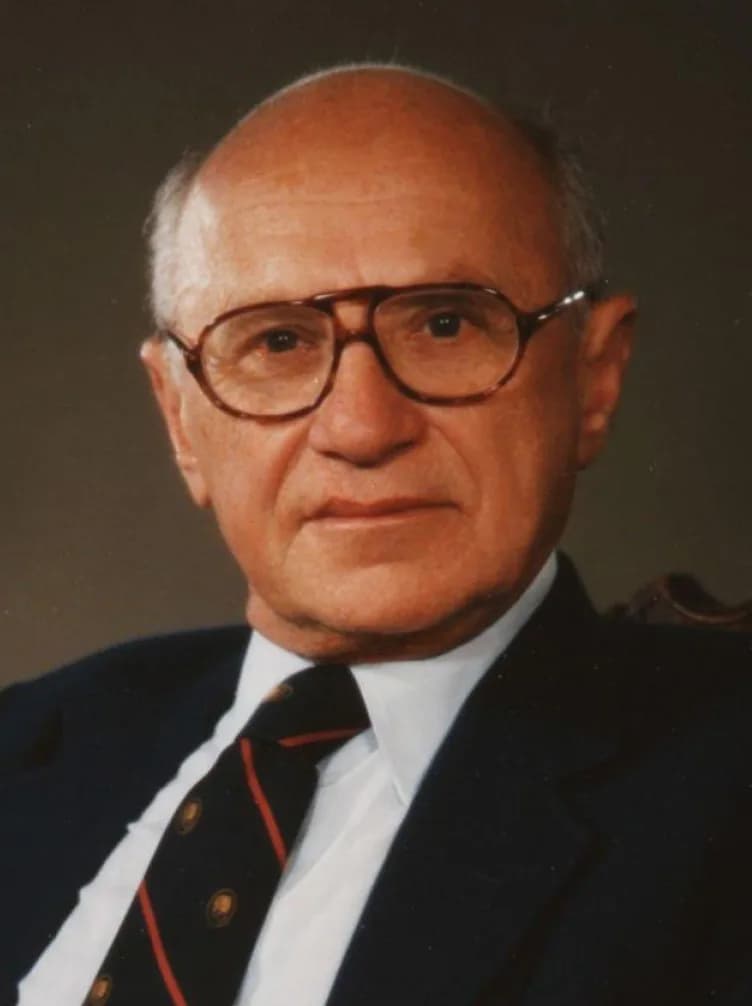
Роден
July 31, 1912
Brooklyn, United States
Починал
November 16, 2006
San Francisco, United States
Познат по
American economist and statistician
Milton Friedman (1912–2006) was United States best known for American economist and statistician.
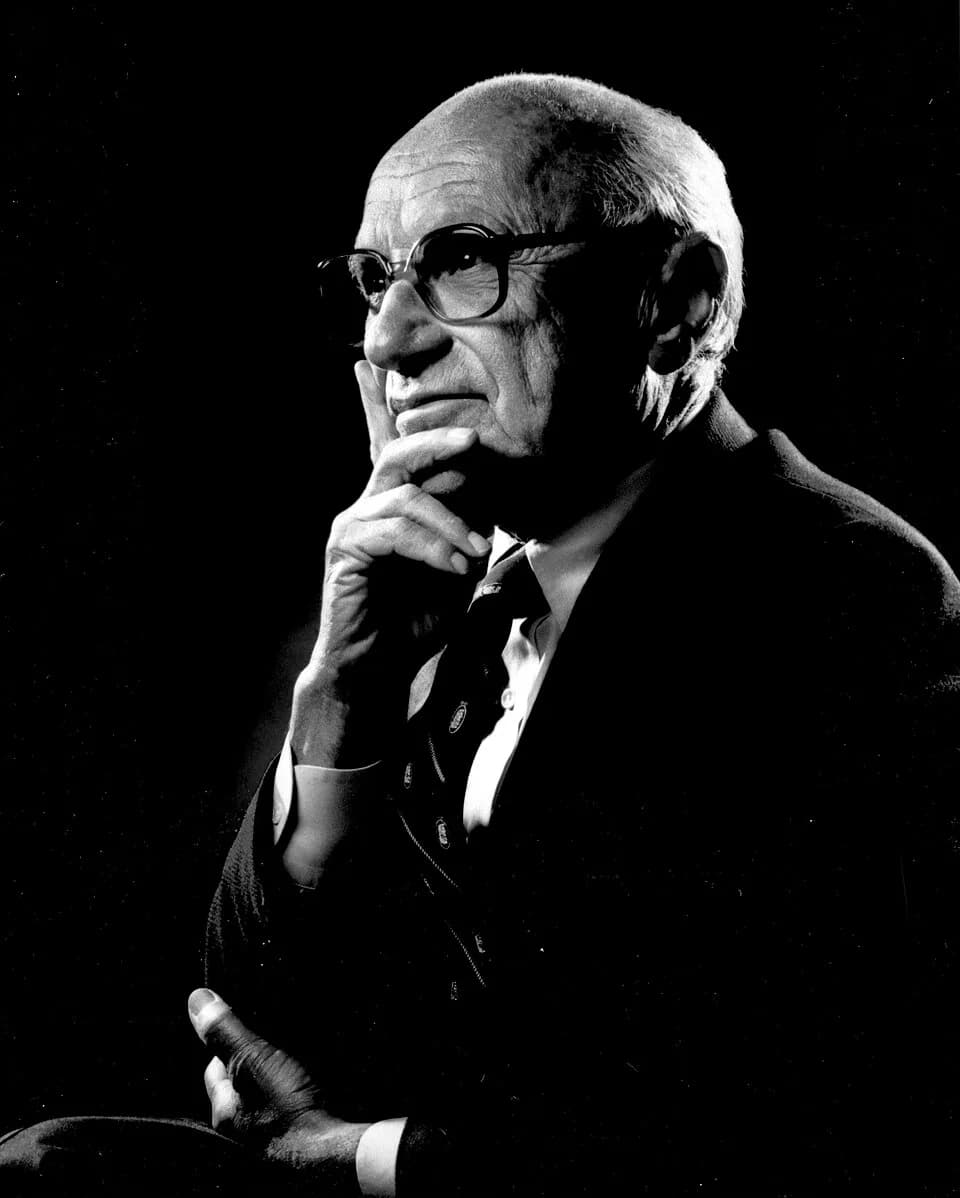
Milton Friedman (July 31, 1912 – November 16, 2006) was an American economist and statistician from Brooklyn. He received the 1976 Nobel Memorial Prize for his research on consumption analysis and monetary theory. Friedman shaped economic thought, leading the Chicago school and advocating for monetarism.
Поглавје
Животни поглавја
Поглавје 1 · 1912· Поглавје 1 од 6
Early Life and Origins
Milton Friedman was born on July 31, 1912, in Brooklyn, United States. His early years in Brooklyn provided the backdrop for a life that would eventually redefine economic discourse globally. This vibrant American city was his starting point, from which his ideas would spread across academia and public policy.
Friedman's intellectual path led him to pursue higher education, laying the foundation for his future as a distinguished economist and statistician. His academic pursuits honed his analytical skills, preparing him for a career dedicated to rigorous empirical research and the development of influential economic theories that challenged conventional wisdom.
Поглавје 2· Поглавје 2 од 6
Career Beginnings and the Chicago School
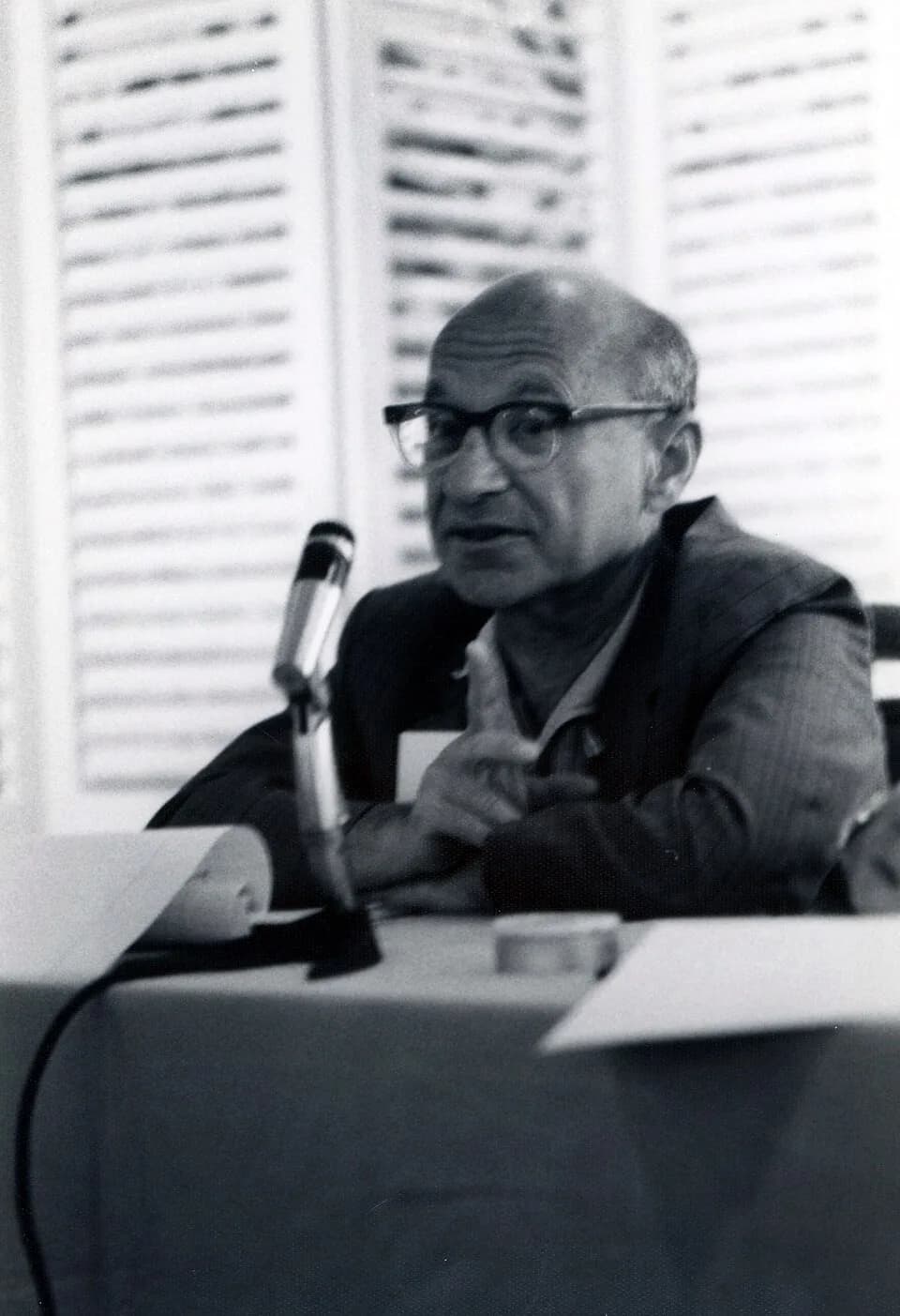
Milton Friedman embarked on his professional career as an economist, statistician, and university teacher. His association with the University of Chicago became central to his identity and intellectual development, where he would become one of the intellectual leaders of the Chicago school of economics. This institution provided the ideal environment for his innovative research and the development of his distinctive economic philosophy.
Alongside George Stigler, Friedman helped to establish the Chicago school as a prominent neoclassical school of economic thought. Their work collectively challenged the dominant Keynesian paradigm, advocating for alternative approaches to understanding economic fluctuations and policy. This period marked the beginning of his influential critiques of established economic wisdom and his rise as a leading voice in economic debates.
Поглавје 3 · 1976· Поглавје 3 од 6
Major Achievements and Career Highlights
Milton Friedman's career was marked by numerous significant achievements, none more celebrated than his receipt of the 1976 Nobel Memorial Prize in Economic Sciences. This prestigious award recognized his extensive research across several critical areas of economics. His seminal work on consumption analysis provided new insights into how individuals and households make spending decisions, thereby improving the understanding of aggregate demand and its implications for macroeconomic stability and policy formulation.
He was also honored for his significant contributions to monetary history and theory. Friedman meticulously analyzed the role of money supply in economic cycles, developing a comprehensive framework that became known as monetarism. This theory argued for the primacy of monetary policy over fiscal policy in influencing economic outcomes and was instrumental in shaping views on inflation and business fluctuations. His work demonstrated the profound connection between the quantity of money and the general price level.
Furthermore, his demonstration of the complexity of stabilization policy highlighted the challenges and potential pitfalls of government intervention aimed at fine-tuning the economy. Friedman's research showed that attempts to stabilize the economy through discretionary fiscal or monetary policy could often lead to unintended consequences, sometimes exacerbating rather than mitigating economic instability. This emphasized the need for consistent rules-based policy rather than active intervention.
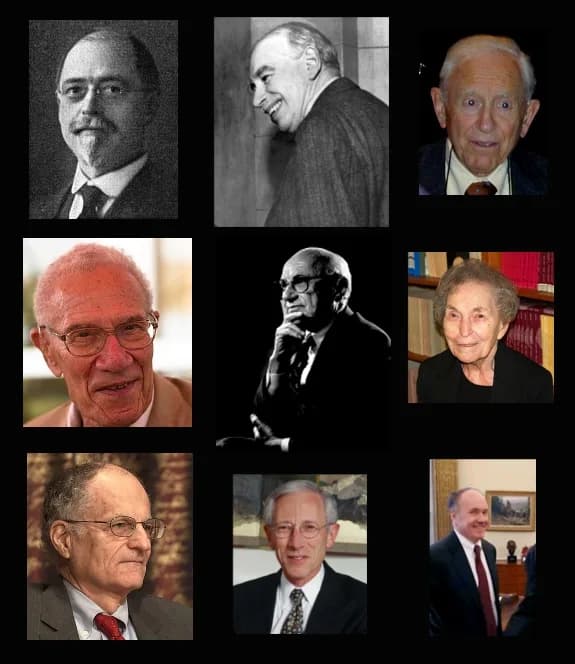
As a leading figure of the Chicago school, Friedman was instrumental in rejecting Keynesianism in favor of monetarism, fundamentally altering the trajectory of macroeconomic thought. His arguments provided a robust intellectual challenge to the prevailing belief in the efficacy of demand management through government spending. In the mid-1970s, the school’s focus broadened to new classical macroeconomics, further solidifying its academic influence and continuing to push the boundaries of economic theory. Friedman also distinguished himself as a mentor, recruiting and guiding many young professors and academics at Chicago who later became leading economists, including Nobel laureates Gary Becker (1992), recognized for his extension of microeconomic analysis to a wide range of human behavior and interaction; Robert Fogel (1993), noted for new research in economic history using quantitative methods to explain economic and institutional change; and Robert Lucas Jr. (1995), celebrated for his development and application of the hypothesis of rational expectations, transforming macroeconomic analysis and economic policy understanding.
Поглавје 4· Поглавје 4 од 6
Notable Works and Contributions
Throughout his career, Milton Friedman authored and co-authored numerous works that made a lasting contribution to economic literature. While many of his contributions appeared as academic papers and essays, he also penned books that reached a wider audience, articulating his ideas on economic freedom and the role of government. His bibliography reflects a broad interest in topics ranging from monetary policy to housing and economic stability.
Among the diverse titles in his bibliography, some works explored fundamental questions about economic policy and societal welfare, such as his inquiries into "How can we get housing?" and his analysis titled "Why the American economy is depression-proof." These demonstrate his engagement with practical economic challenges facing society and his optimistic outlook on market resilience. His work also delved into technical aspects of economic analysis, exemplified by "Interpolation of time series by related series" and "Prices of money and goods across frontiers," showcasing his prowess as a statistician and empirical economist in areas such as time series analysis and international economics.
Friedman's deep engagement with global economic thought is evident in his foreign language publications, such as the Spanish titled "Cinco pensadores liberales" (Five Liberal Thinkers) and the Chinese work "貨幣政策與財政政策的對話" (Dialogue on Monetary Policy and Fiscal Policy). These works allowed his ideas to resonate with international audiences and contribute to global economic discourse, fostering intellectual exchange across borders. His extensive discussions on fundamental economic principles, including "價格理論" (Price Theory), have informed students and scholars for decades, offering clarity on the mechanisms that govern markets and the formation of prices.
Поглавје 5 · 2006· Поглавје 5 од 6
Later Years
Milton Friedman continued to contribute to public discourse and economic scholarship well into his later years. Although specific details of his retirement are not provided, his influence remained strong, particularly through his writings, public appearances, and ongoing commentary on economic affairs. He passed away on November 16, 2006, in San Francisco, United States, concluding a life dedicated to rigorous economic inquiry and the promotion of his free-market principles.
His passing marked the end of an era for economic thought, but his ideas continued to be debated and applied globally. Friedman's persistent advocacy for free markets and individual liberty resonated with many, influencing policy decisions in various countries and serving as a touchstone for discussions on economic reform. His final years were a testament to a lifetime dedicated to economic inquiry and the pursuit of a more prosperous society grounded in freedom.
Поглавје 6· Поглавје 6 од 6
Legacy and Impact
Milton Friedman's legacy is immense, cementing his place as one of the most significant economists of the 20th century. He fundamentally reshaped macroeconomics by championing monetarism and providing a robust intellectual counterpoint to Keynesian economic theory. His persistent arguments for the importance of money supply in influencing economic activity transformed how central banks and governments approached monetary policy, leading to a greater focus on controlling inflation.
His role as a leader of the Chicago school extended beyond his own research, as he actively fostered a vibrant intellectual environment that encouraged critical thinking and empirical rigor. The economists he mentored, including Nobel laureates Gary Becker, Robert Fogel, and Robert Lucas Jr., went on to make their own substantial contributions, spreading the influence of Friedman's ideas and methods across the academic world. His commitment to intellectual development ensured his school of thought continued to thrive and evolve.
Through his Nobel Prize-winning work on consumption analysis, monetary history and theory, and stabilization policy, Friedman provided analytical tools and conceptual frameworks that remain cornerstones of economic education and research. His demonstration of the complexity of stabilization policy urged caution against excessive government intervention, promoting a deeper understanding of economic stability's delicate balance and the benefits of predictable policy. His writings and teachings continue to inspire economists, policymakers, and advocates for economic freedom, ensuring his ideas retain their relevance in contemporary debates about markets, government, and individual choice.
Живот во моменти
Моментите што го обликувале еден живот
ЧПП
Често поставувани
Кога почина Milton Friedman?
Milton Friedman почина на 16 ноември 2006 г. во San Francisco, United States, на возраст од 94 години.
Каде е роден(а) Milton Friedman?
Milton Friedman е роден(а) во Brooklyn, United States на 31 јули 1912 г..
По што е најпознат(а) Milton Friedman?
Milton Friedman е најпознат(а) по American economist and statistician.
Колку години имаше Milton Friedman во моментот на смртта?
Milton Friedman имаше 94 години во моментот на смртта.
Од која националност беше Milton Friedman?
Milton Friedman беше од United States.
Хронологија
Живот во преглед
Галерија со фотографии
Живот во слики
Кликнете на која било полароид фотографија за да ја прошириете · 25 фотографии
QR код
Споделете ја оваа биографија
Печати и сподели
Скенирајте за да ја посетите оваа биографска страница. Печатете за настани, изложби или образовни материјали.