Роден
November 7, 1867
Warsaw, Poland
Починал
July 4, 1934
Sancellemoz, France
Познат по
Polish-French physicist and chemist
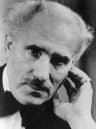
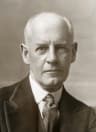
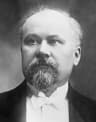
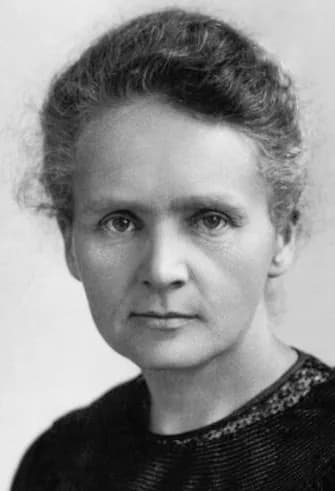
Marie Curie (1867–1934) was Poland best known for Polish-French physicist and chemist.
Marie Curie (November 7, 1867 – July 4, 1934) was a Polish-French physicist and chemist. She pioneered research on radioactivity, discovering the elements radium and polonium, and became a two-time Nobel Laureate. Her work profoundly advanced our understanding of the atomic world.
Поглавје
Животни поглавја
Поглавје 1 · 1867· Поглавје 1 од 8
Opening Tribute to a Scientific Pioneer
Marie Curie, born Maria Salomea Skłodowska Curie on November 7, 1867, and passing on July 4, 1934, was an extraordinary Polish-French physicist and chemist. Her pioneering work in radioactivity fundamentally changed scientific understanding. She was a dedicated university teacher whose contributions earned her two Nobel Prizes.
Поглавје 2 · 1867· Поглавје 2 од 8
Early Life and Origins
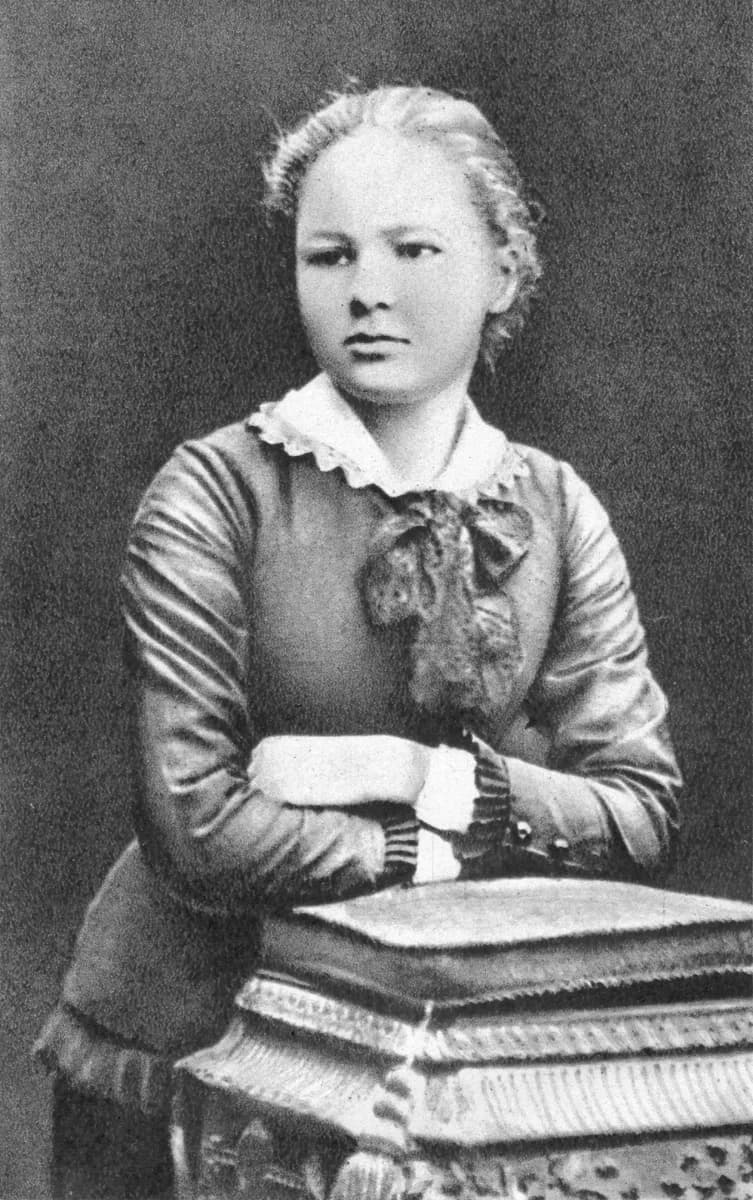
Maria Salomea Skłodowska was born in Warsaw, Poland, on November 7, 1867. Her early life in Poland laid the foundation for her later scientific pursuits. She later became naturalised-French through her work and marriage.
Поглавје 3· Поглавје 3 од 8
Career Beginnings and Collaborative Research
Marie Curie's scientific journey began with intense dedication to research. Her early investigations focused on phenomena related to radiation, a field that was just emerging. This early work eventually led to her historic collaborations.
She shared the 1903 Nobel Prize in Physics with her husband, Pierre Curie, and Professor Henri Becquerel. This award recognized their joint researches on the radioactivity phenomena discovered by Becquerel.
Поглавје 4· Поглавје 4 од 8
Major Achievements and Career Highlights
Marie Curie's career was marked by groundbreaking discoveries and unparalleled recognition. Beyond the shared Nobel Prize in Physics, she continued her independent research with relentless determination.
Her most significant solo achievement was winning the 1911 Nobel Prize in Chemistry. This prestigious award acknowledged her services to the advancement of chemistry, specifically for the discovery of the elements radium and polonium. It also cited her meticulous work on the isolation of radium and her comprehensive study of the nature and compounds of this remarkable element.
She was not only a researcher but also a committed university teacher. Her dual professional roles as a physicist and chemist allowed her to contribute to science through both discovery and education.
Поглавје 5 · 1903· Поглавје 5 од 8
Personal Life
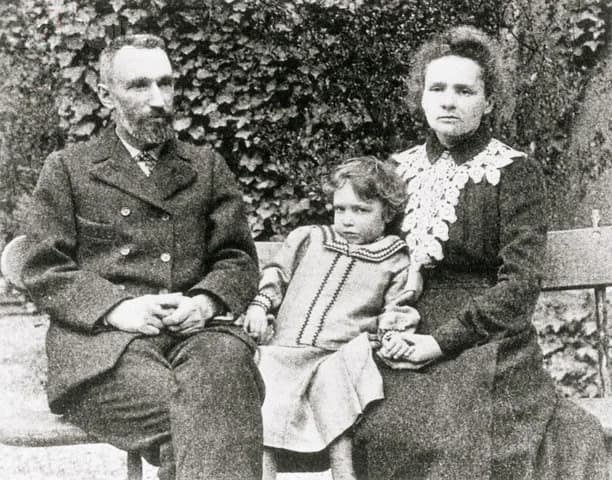
Marie Curie's personal life was intertwined with her scientific endeavors, most notably through her marriage to Pierre Curie. Together, they formed a formidable scientific partnership. Their joint researches on radioactivity led them to share the 1903 Nobel Prize in Physics, showcasing a union of intellectual pursuit and shared passion.
Поглавје 6· Поглавје 6 од 8
Notable Works and Scientific Contributions
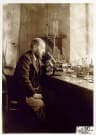
Marie Curie's most significant contributions to science are her discoveries of the elements radium and polonium. These findings were meticulously detailed through her work on the isolation of radium. Her studies provided crucial insights into the nature and compounds of these radioactive elements.
Throughout her career, Marie Curie produced a substantial body of academic work, with an h-index of 5 and 21 papers. Her relentless pursuit of understanding radioactivity laid foundational knowledge for future generations of scientists.
Поглавје 7 · 1934· Поглавје 7 од 8
Later Years
Marie Curie continued her scientific work until her passing. She died on July 4, 1934, in Sancellemoz, France. Her contributions remained influential even in her final years, solidifying her place in scientific history.
Поглавје 8· Поглавје 8 од 8
Legacy and Lasting Impact
The legacy of Marie Curie extends far beyond her lifetime. Her discoveries of radium and polonium, and her pioneering research into radioactivity, forever transformed the fields of physics and chemistry. Her receipt of two Nobel Prizes, in two different scientific disciplines, stands as a testament to her extraordinary intellect and perseverance.
Her work laid the groundwork for countless advancements in medicine and atomic physics. Marie Curie's dedication to scientific exploration continues to inspire researchers worldwide. Her life exemplifies the power of curiosity and rigorous scientific inquiry.
Живот во моменти
Моментите што го обликувале еден живот
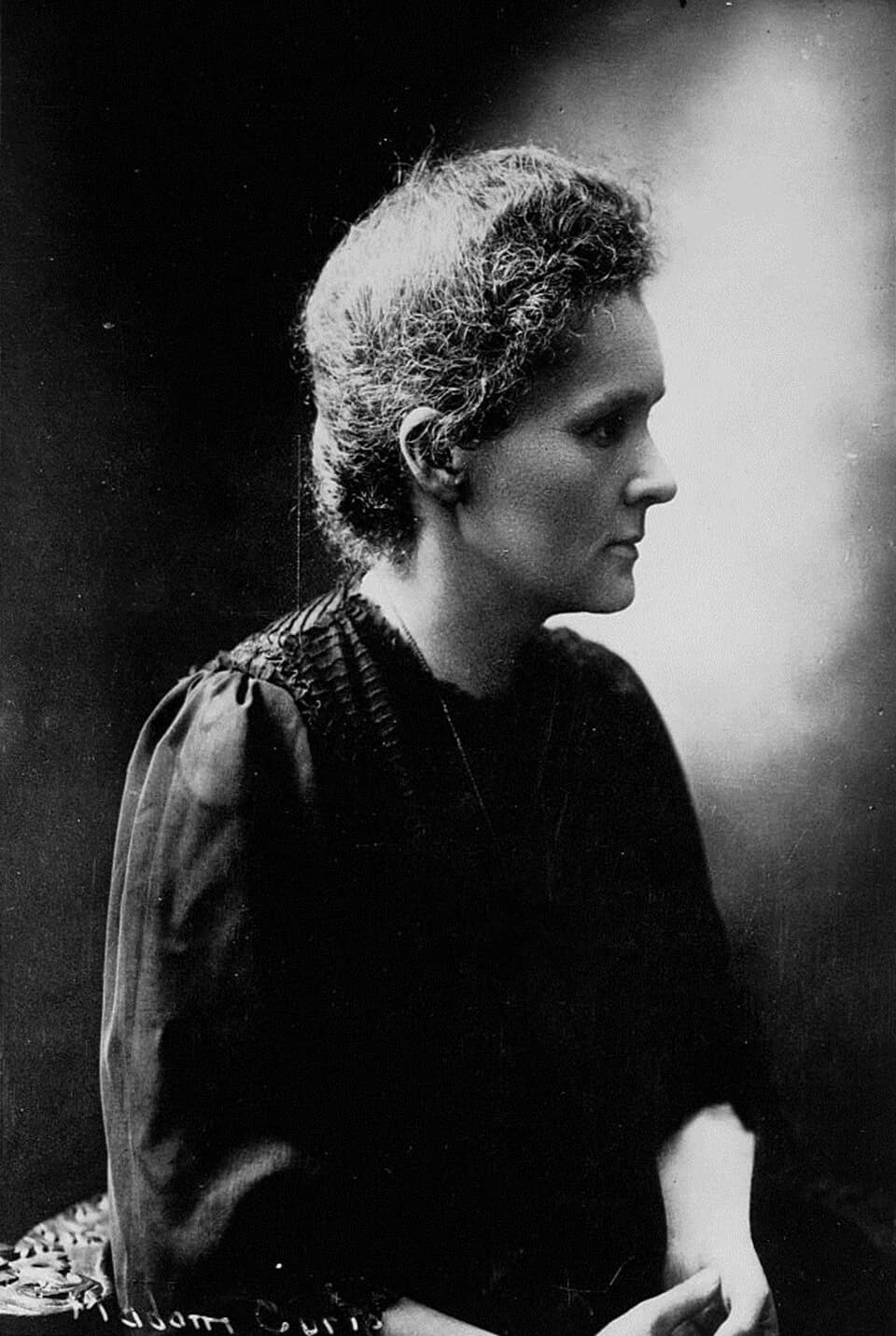
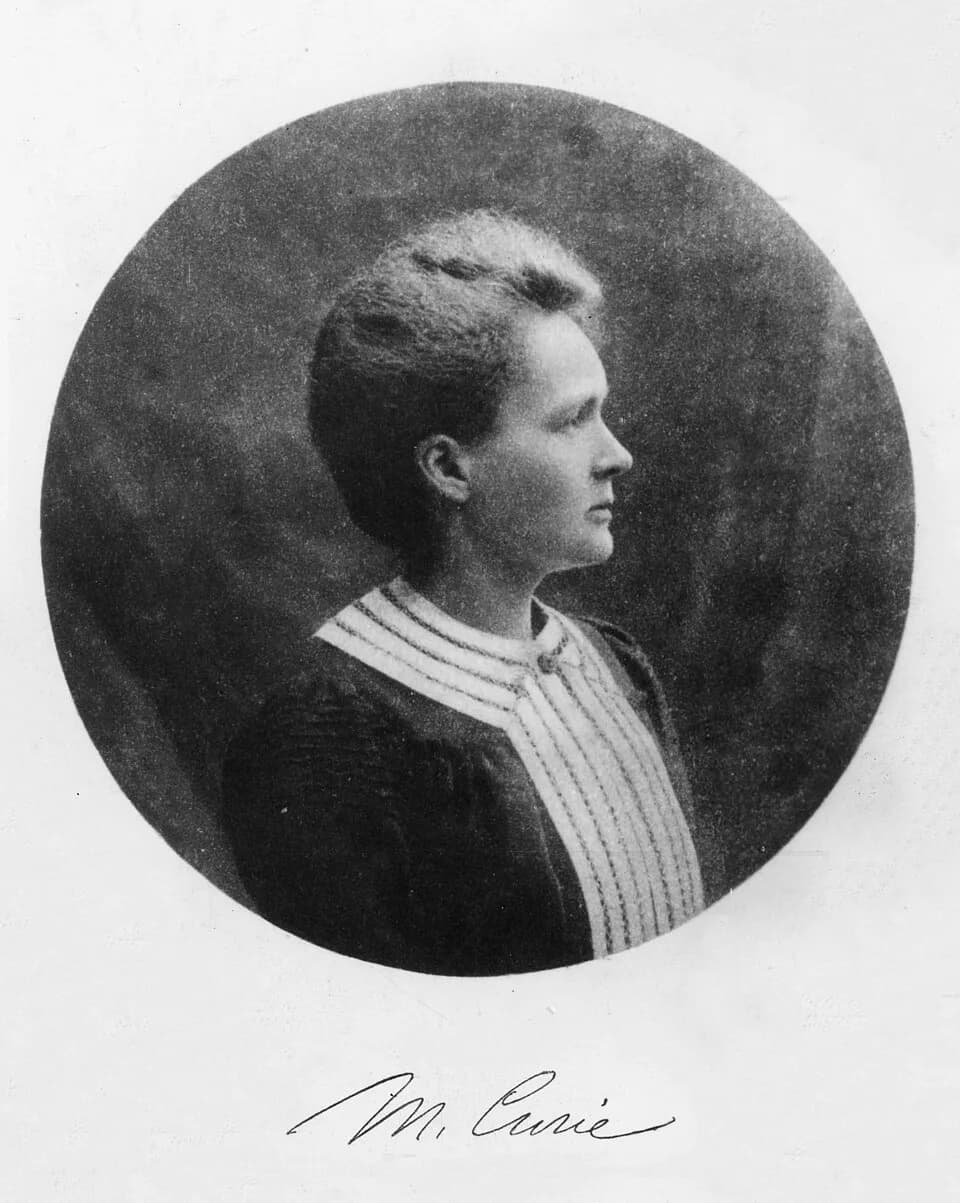
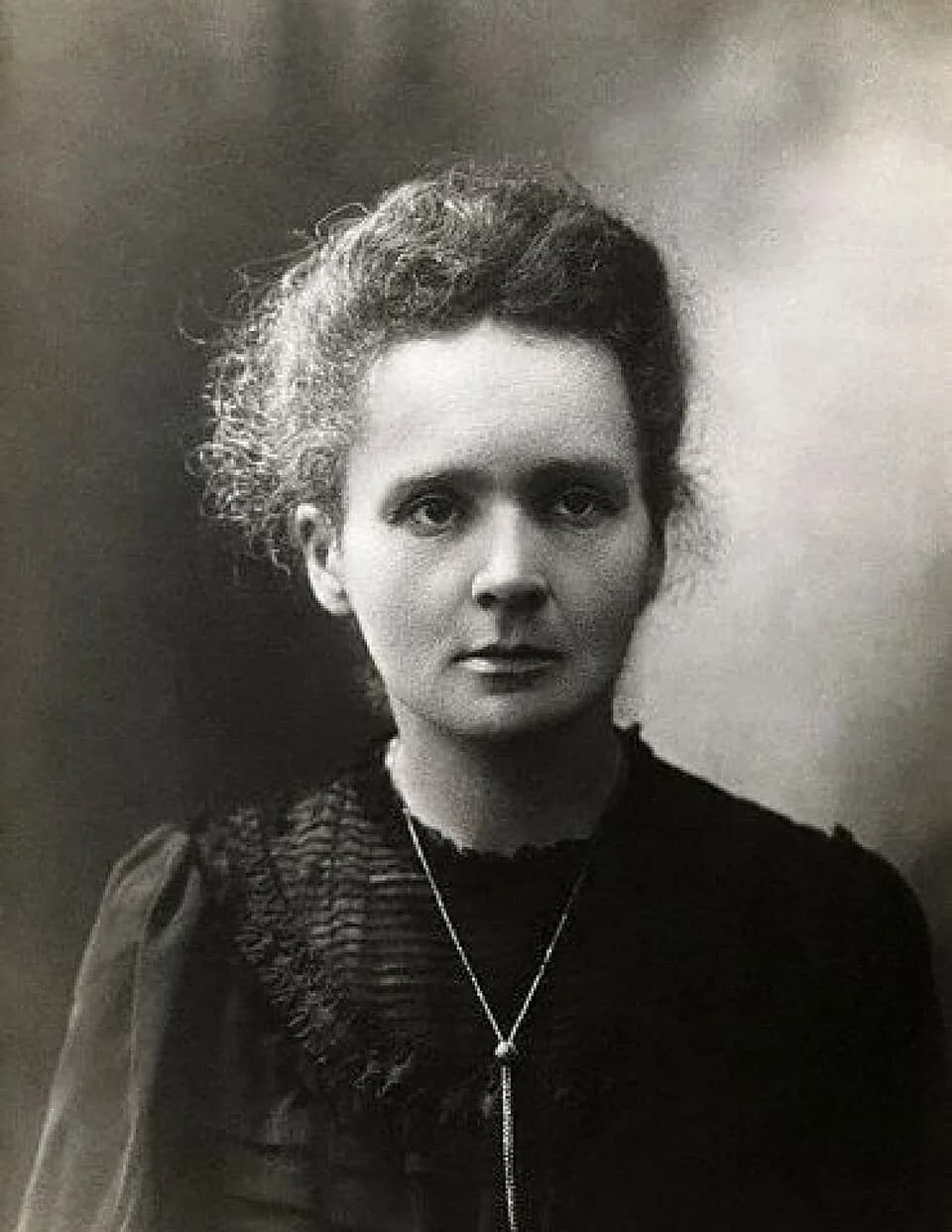
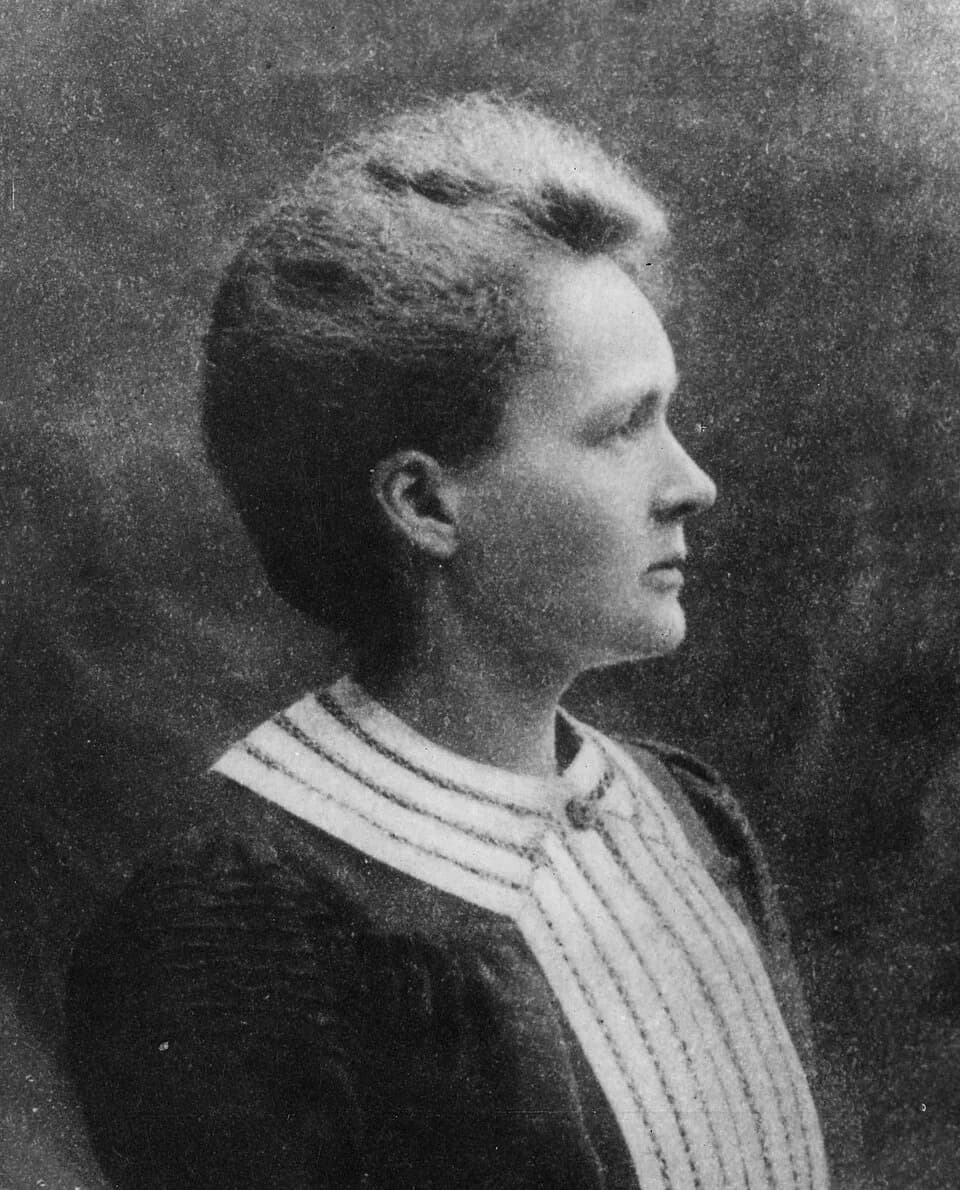
ЧПП
Често поставувани
Кога почина Marie Curie?
Marie Curie почина на 4 јули 1934 г. во Sancellemoz, France, на возраст од 66 години.
Каде е роден(а) Marie Curie?
Marie Curie е роден(а) во Warsaw, Poland на 7 ноември 1867 г..
По што е најпознат(а) Marie Curie?
Marie Curie е најпознат(а) по Polish-French physicist and chemist.
Колку години имаше Marie Curie во моментот на смртта?
Marie Curie имаше 66 години во моментот на смртта.
Од која националност беше Marie Curie?
Marie Curie беше од Poland.
Хронологија
Живот во преглед
Галерија со фотографии
Живот во слики
Кликнете на која било полароид фотографија за да ја прошириете · 23 фотографии
QR код
Споделете ја оваа биографија
Печати и сподели
Скенирајте за да ја посетите оваа биографска страница. Печатете за настани, изложби или образовни материјали.