Роден
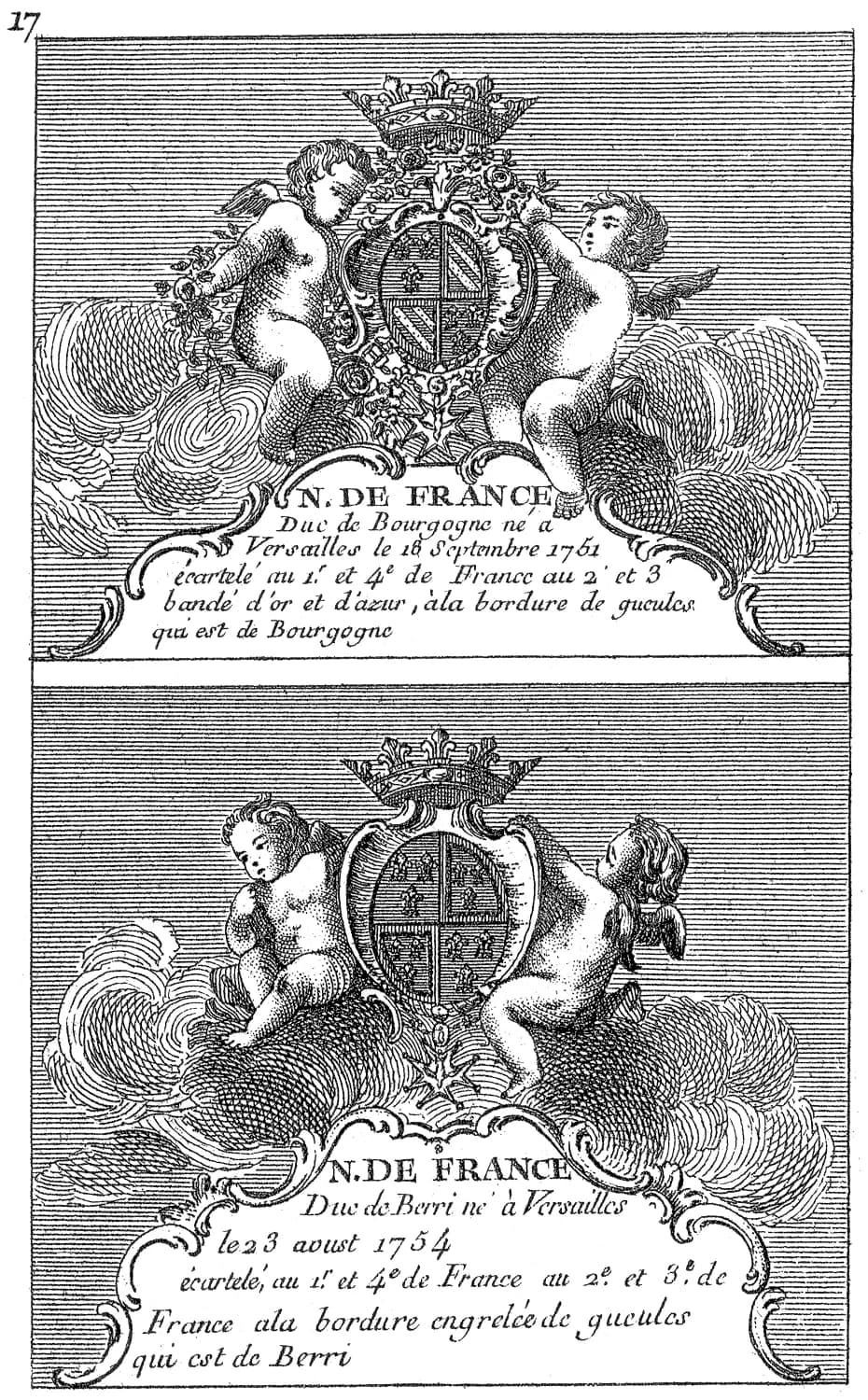
August 23, 1754
Palace of Versailles, France
Починал
January 21, 1793
place de la Concorde, France
Познат по
King of France and Navarre from 1774 to 1791, then King of the French from 1791 to 1792
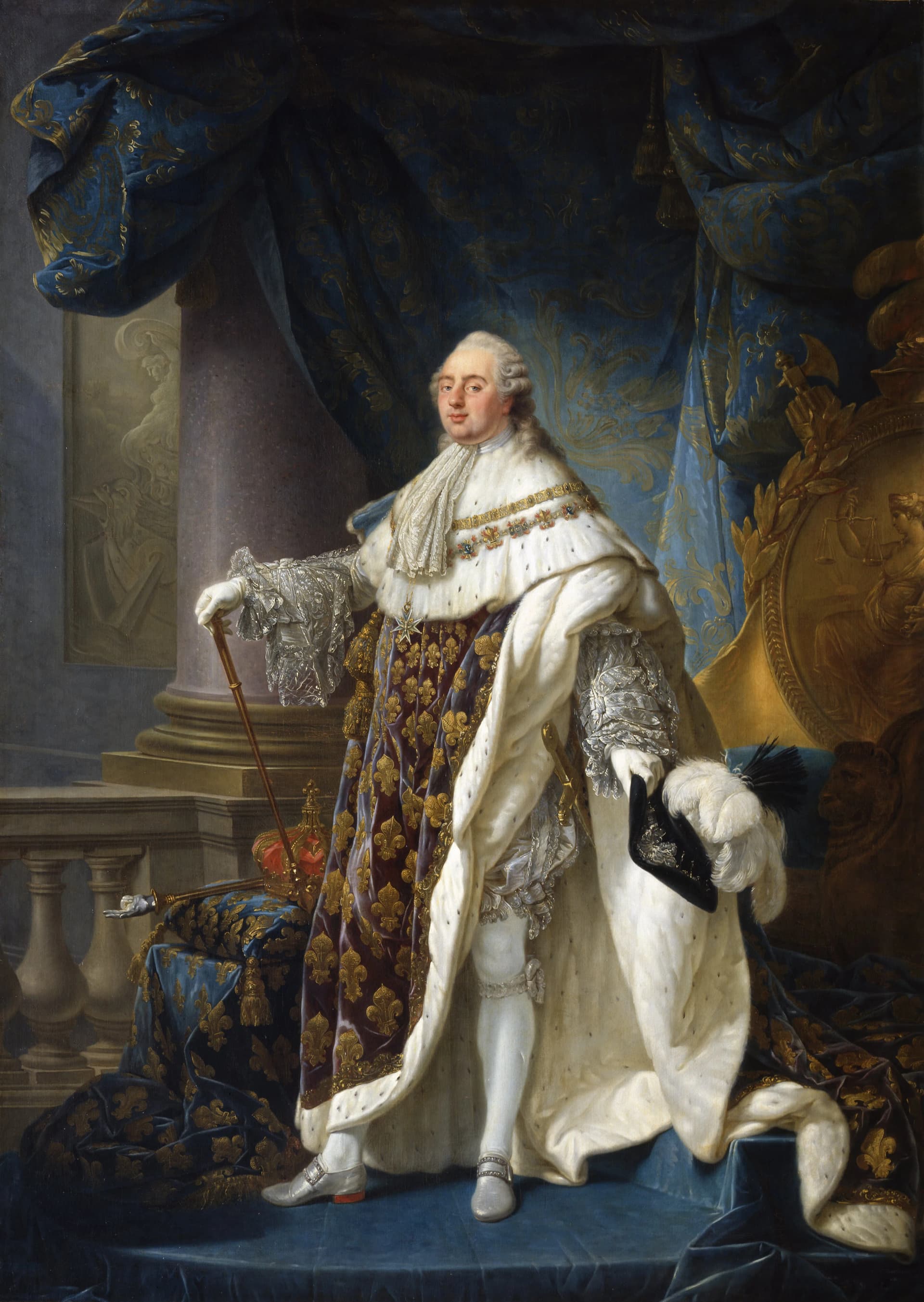
Louis XVI of France (1754–1793) was France best known for King of France and Navarre from 1774 to 1791, then King of the French from 1791 to 1792.
Louis XVI of France (August 23, 1754 – January 21, 1793) was a monarch and politician. He served as the last King of France before the monarchy's abolition during the French Revolution. His reign saw significant political upheaval that reshaped France.
Поглавје
Животни поглавја
Поглавје 1 · 1754· Поглавје 1 од 8
Opening Tribute
Louis XVI of France (August 23, 1754 – January 21, 1793) was a monarch, politician, ruler, and art collector whose life was intrinsically linked to one of history's most tumultuous periods. He holds a unique place in history as the last King of France before the dramatic societal changes of the French Revolution. His reign and ultimate fate symbolize the profound transformation of France from an absolute monarchy to a republic.
Поглавје 2 · 1754· Поглавје 2 од 8
Early Life and Origins
Born at the opulent Palace of Versailles, France, on August 23, 1754, Louis XVI entered a world defined by centuries of royal tradition and expectation. He was the son of Louis, Dauphin of France, and Maria Josepha of Saxony, solidifying his lineage within the Bourbon dynasty. His destiny as future monarch became clear when, after the untimely death of his father in 1765, he officially assumed the title of Dauphin, marking him as the direct heir to the French throne.
Поглавје 3 · 1770· Поглавје 3 од 8
Career Beginnings
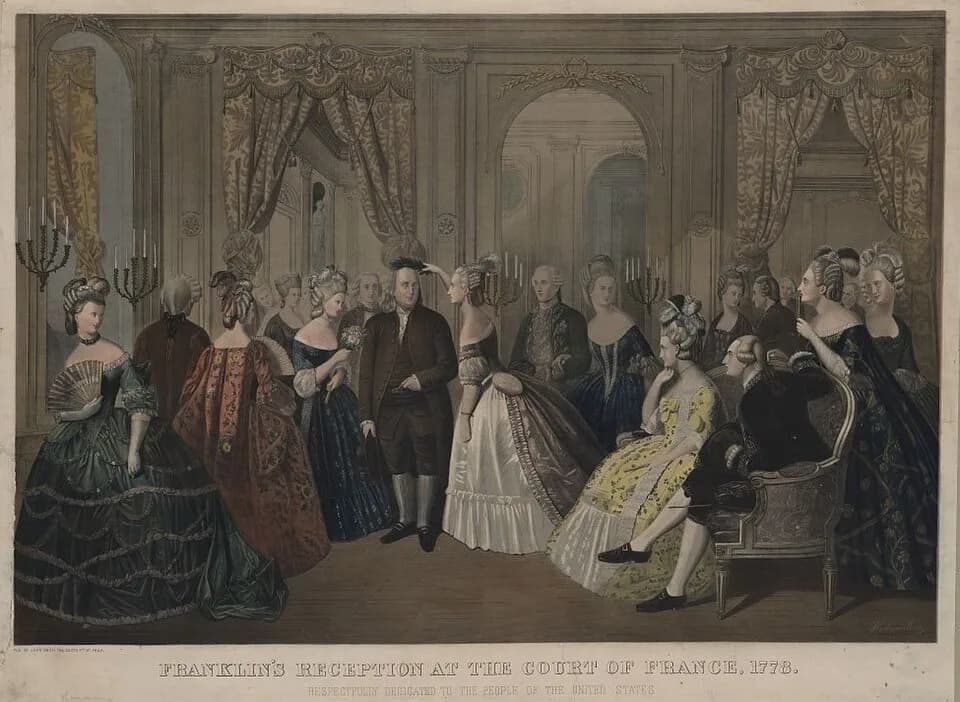
A significant personal and political alliance was forged in 1770 with his marriage to Marie Antoinette, an Archduchess of Austria. This union was intended to strengthen diplomatic ties between France and the Habsburg monarchy, influencing European power dynamics. Following the passing of his paternal grandfather, Louis XV, on May 10, 1774, the young Louis ascended to the throne, becoming the King of France and Navarre at the age of nineteen.
Поглавје 4 · 1774· Поглавје 4 од 8
Major Achievements and Career Highlights
His early reign as King of France and Navarre, from 1774, was characterized by various attempts to reform the French government and address the nation's financial woes, though many proved difficult to implement amidst growing social unrest. As a monarch and politician, he presided over a nation facing mounting economic pressures and burgeoning calls for Enlightenment-era reforms. Reflecting the evolving political climate shaped by the burgeoning French Revolution, his formal title shifted in 1791 to King of the French, a symbolic change signaling the diminishing absolute power of the monarchy.
Поглавје 5 · 1770· Поглавје 5 од 8
Personal Life
Beyond his demanding public duties, Louis XVI shared his personal life with Marie Antoinette, his queen, in a marriage that commenced in 1770. Together, they navigated the complexities of court life and the growing pressures from their subjects. He also harbored a known interest in the arts, being recognized as an art collector, which offered a quieter aspect to his otherwise public and politically charged existence.
Поглавје 6· Поглавје 6 од 8
Notable Works or Contributions
Louis XVI's primary contribution to history lies in his role as the reigning monarch during an era of unparalleled political and social upheaval. As king, he attempted to govern France through the initial phases of revolutionary fervor, endeavoring to reconcile ancient traditions with urgent calls for change. His actions and inactions as a politician and ruler ultimately shaped the immediate trajectory of France, leading directly to the abolition of the monarchy and the birth of the First French Republic.
Поглавје 7 · 1792· Поглавје 7 од 8
Later Years
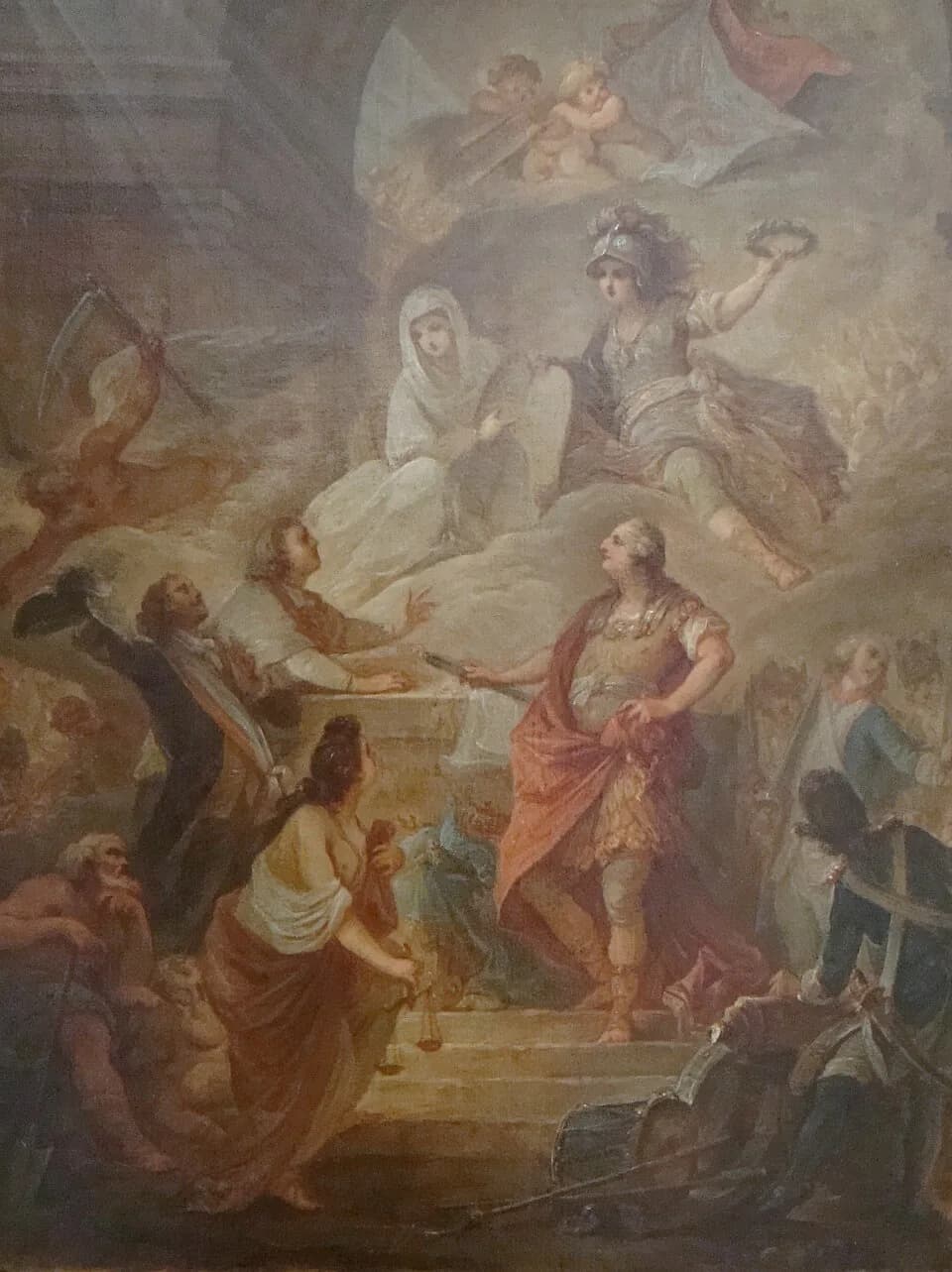
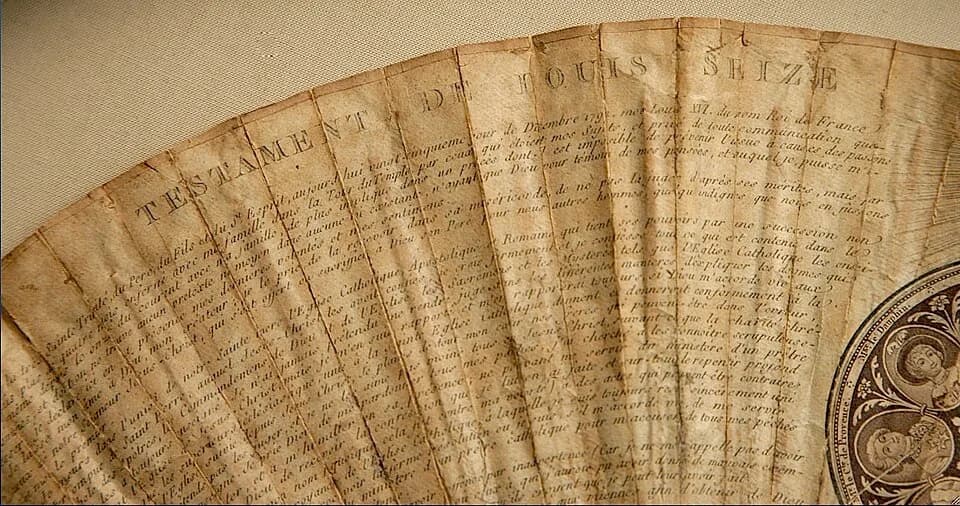
The monarchy he represented ultimately fell, with its abolition on September 21, 1792, marking the official end of his formal reign and the absolute power held by French kings for centuries. Louis XVI's final months were spent under the shadow of the revolution he could not contain, as France moved towards a republican government. He met his tragic end on January 21, 1793, at the Place de la Concorde in France, bringing an official and dramatic close to the ancient French monarchy and a significant chapter in European history.
Поглавје 8· Поглавје 8 од 8
Legacy and Impact
Louis XVI remains a central and often debated figure in the narrative of the French Revolution, symbolizing the end of an old order and the dawn of a new political age. His reign directly preceded and catalyzed the dramatic shifts that transformed France into a republic, fundamentally altering its governance and societal structure. The lasting impact of his time on the throne is seen in the enduring discussions about monarchy, revolution, and the rights of citizens that continue to influence political thought worldwide.
Живот во моменти
Моментите што го обликувале еден живот
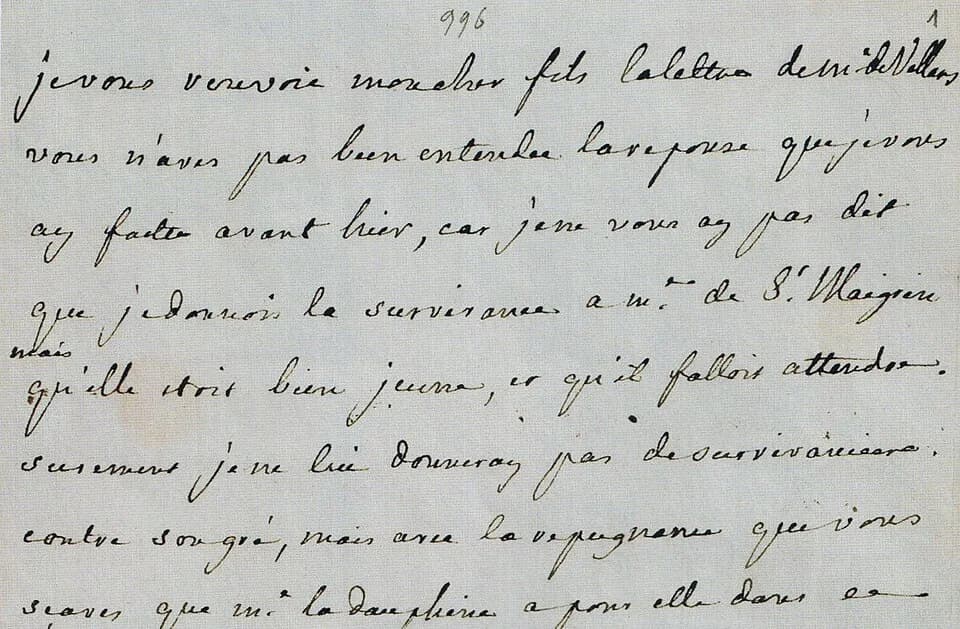
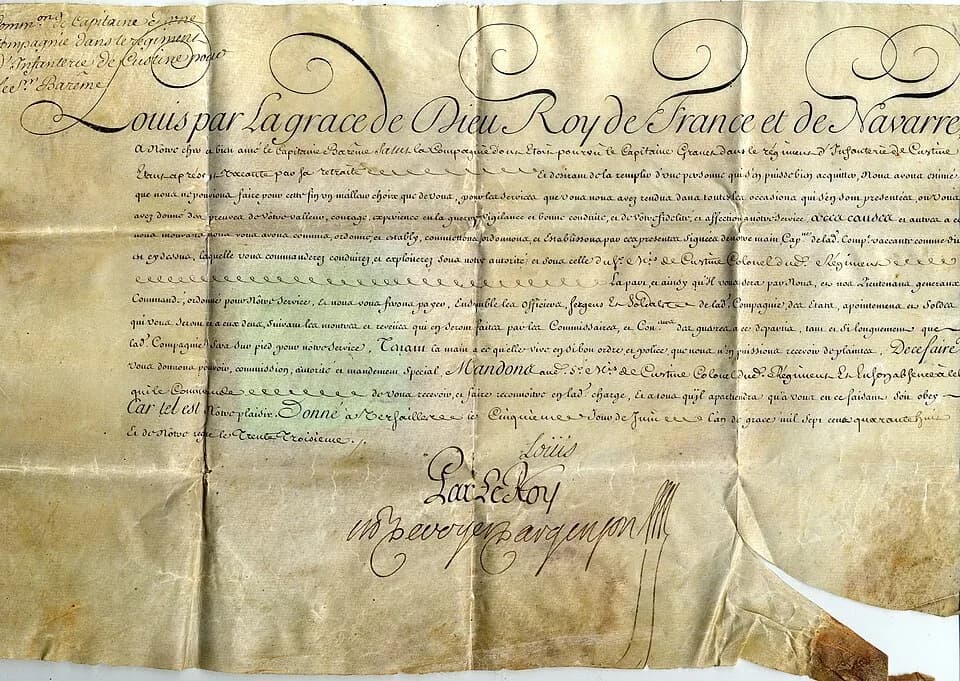
ЧПП
Често поставувани
Кога почина Louis XVI of France?
Louis XVI of France почина на 21 јануари 1793 г. во place de la Concorde, France, на возраст од 38 години.
Каде е роден(а) Louis XVI of France?
Louis XVI of France е роден(а) во Palace of Versailles, France на 23 август 1754 г..
По што е најпознат(а) Louis XVI of France?
Louis XVI of France е најпознат(а) по King of France and Navarre from 1774 to 1791, then King of the French from 1791 to 1792.
Колку години имаше Louis XVI of France во моментот на смртта?
Louis XVI of France имаше 38 години во моментот на смртта.
Од која националност беше Louis XVI of France?
Louis XVI of France беше од France.
Хронологија
Живот во преглед
Галерија со фотографии
Живот во слики
Кликнете на која било полароид фотографија за да ја прошириете · 50 фотографии
QR код
Споделете ја оваа биографија
Печати и сподели
Скенирајте за да ја посетите оваа биографска страница. Печатете за настани, изложби или образовни материјали.