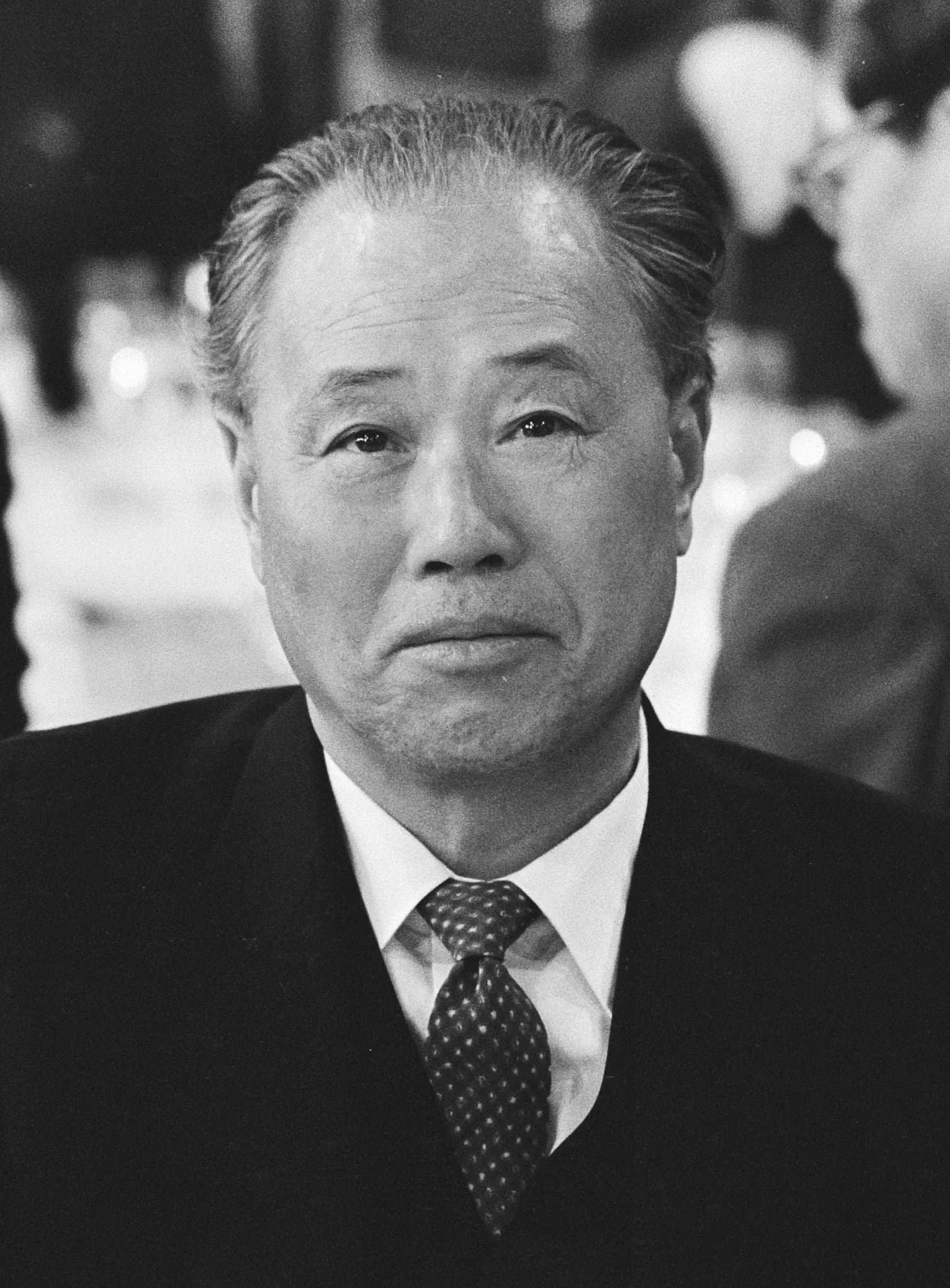
Роден
September 4, 1913
Sakai, Japan
Починал
March 22, 2005
Minato, Japan
Познат по
Japanese architect
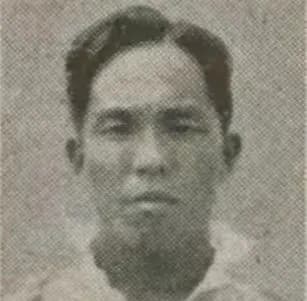
Kenzō Tange (1913–2005) was Japan best known for Japanese architect.
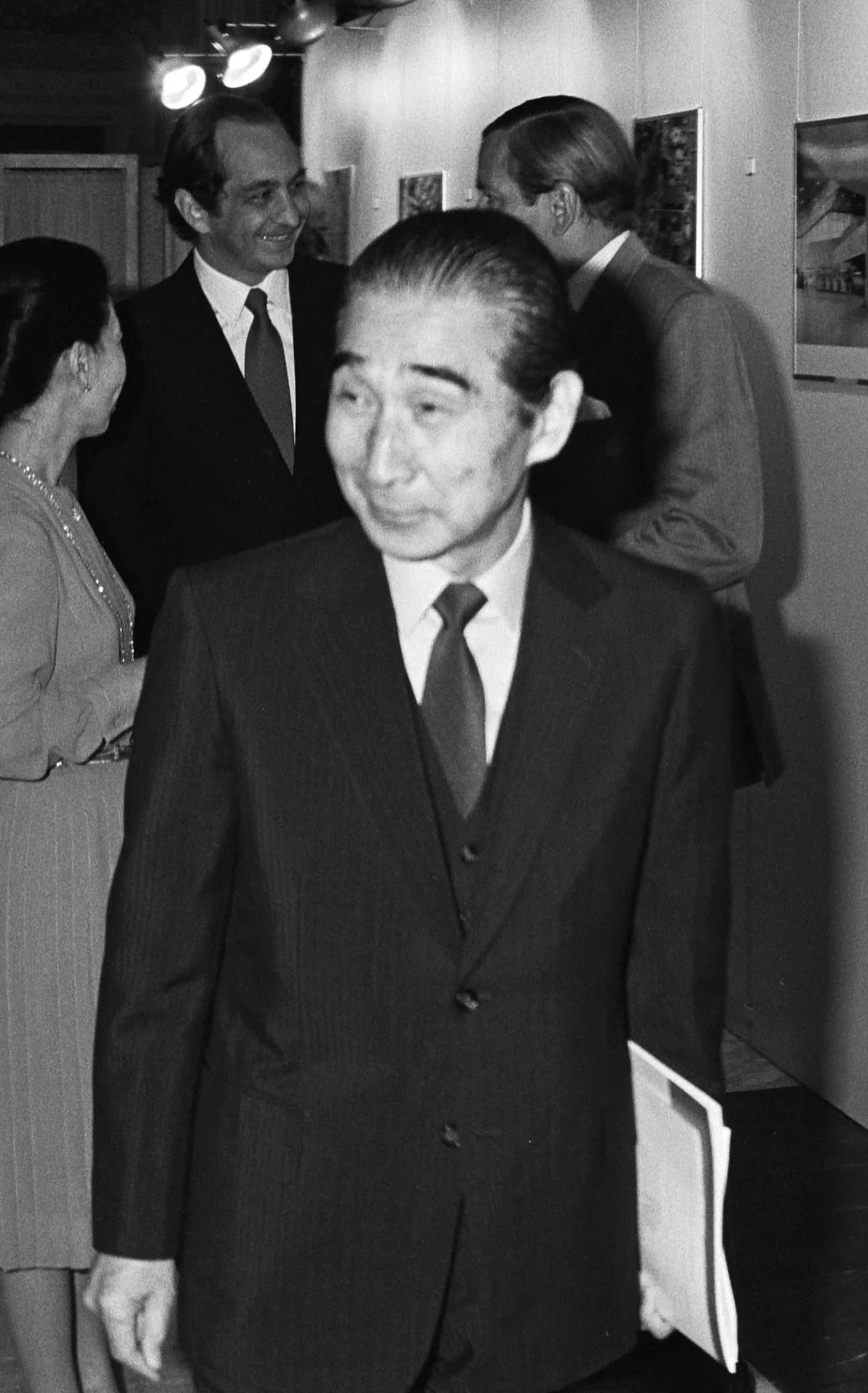
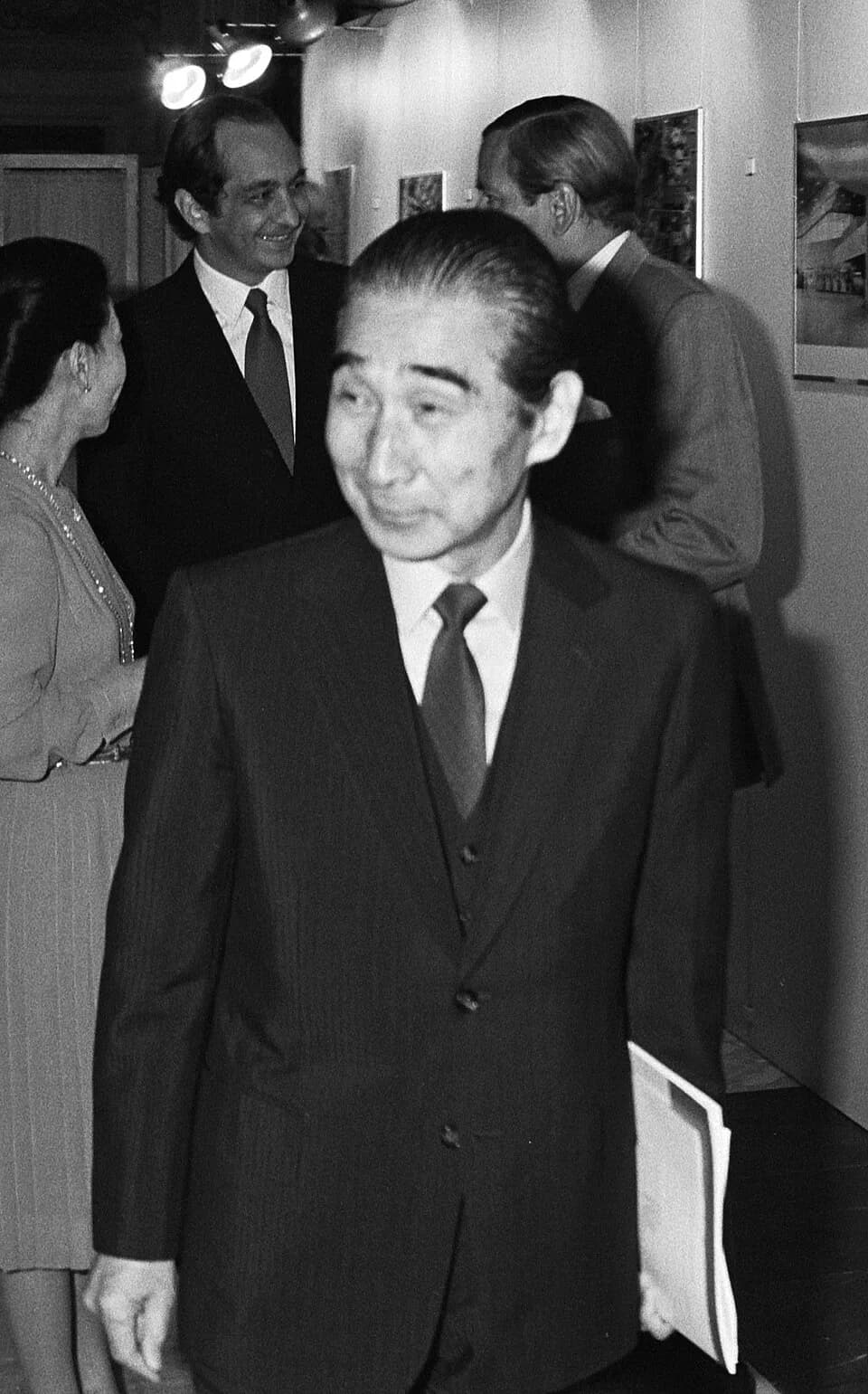
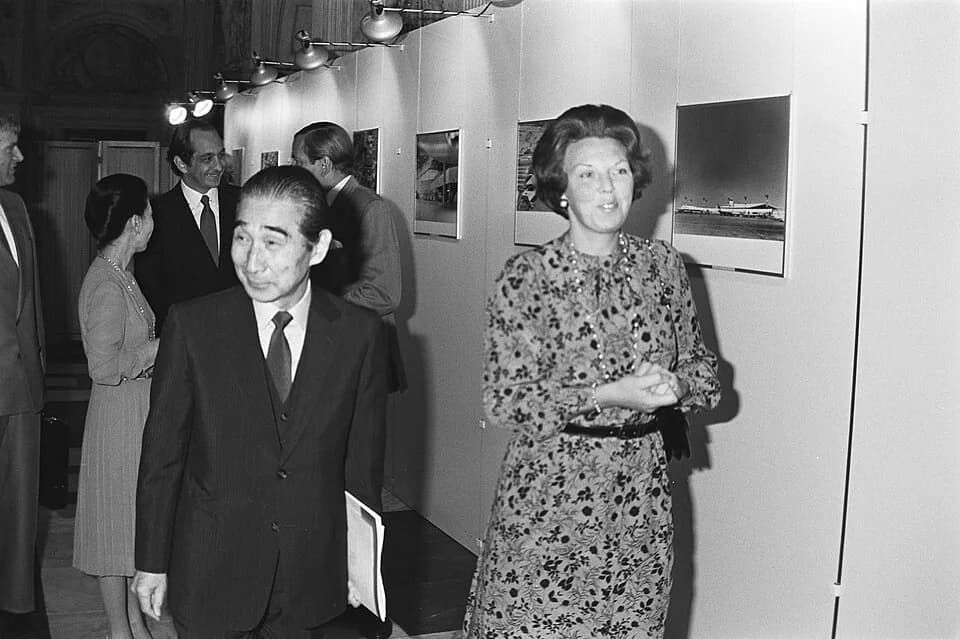
Kenzō Tange (September 4, 1913 – March 22, 2005) was a Japanese architect, urban planner, and university teacher. He was known for designing the Hiroshima Peace Memorial Park and bridging Japanese tradition with modernism, achieving international recognition. His influential works shaped postwar Japan and inspired global architecture.
Живот во моменти
Моментите што го обликувале еден живот
Поглавје
Животни поглавја
Поглавје 1 · 1913· Поглавје 1 од 7
Early Life and Origins
Kenzō Tange was born in Sakai, Japan, on September 4, 1913. His formative years were spent across different cultural landscapes, having been raised in both China and the southern regions of Japan. This diverse upbringing likely offered him a unique perspective that later informed his architectural philosophy and his understanding of various urban environments.
From a young age, Tange found profound inspiration in the pioneering work of the renowned Swiss-French architect Le Corbusier. Le Corbusier's innovative ideas and modernist approach deeply resonated with Tange, significantly influencing his own design principles and setting the intellectual foundation for his extensive career in architecture and urban planning.
Поглавје 2· Поглавје 2 од 7
Career Beginnings
Tange began his architectural journey designing buildings during the significant period of Imperial Japan. His early work showcased a nascent talent that would soon gain national and then international recognition as Japan moved into a new era. These initial projects were crucial in developing his unique style and setting the stage for his future monumental undertakings.
After the immense devastation of World War II, Tange became instrumental in the monumental efforts to reconstruct Japan's destroyed cities. He brought a new vision to urban planning and architectural design during a time of urgent need and national rebuilding, helping to literally reshape the future landscape of the country.
Поглавје 3· Поглавје 3 од 7
Major Achievements and Career Highlights
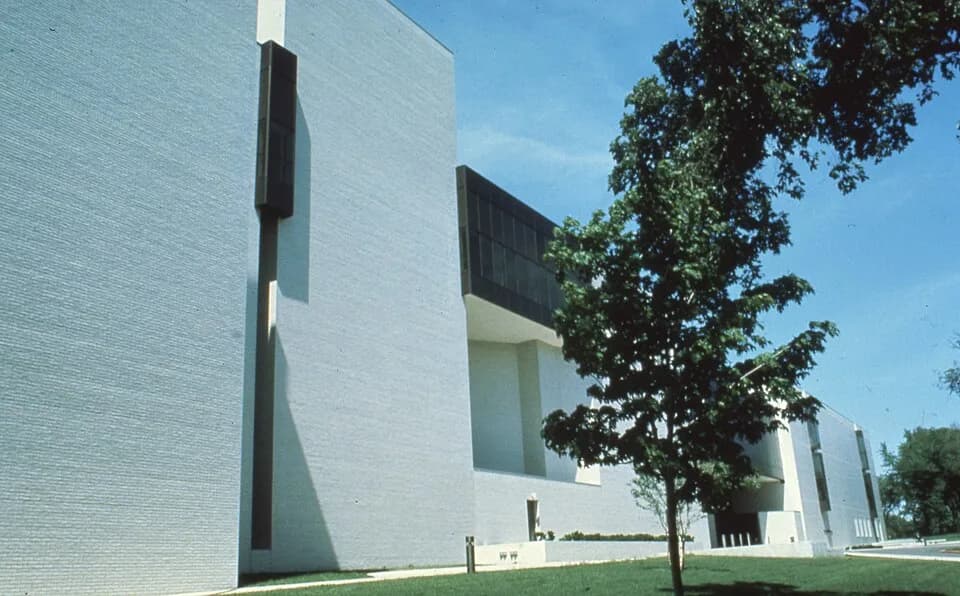
One of Tange's most significant early achievements, which garnered him national and international recognition, was his deeply moving project for the reconstruction of Hiroshima. In this poignant endeavor, he designed the Hiroshima Peace Memorial Park, a powerful and universally recognized symbol of remembrance, hope, and a lasting commitment to peace that stands as an enduring reflection of human resilience. His innovative approach to this sensitive and historically charged project brought him widespread critical acclaim and solidified his reputation as a master architect.
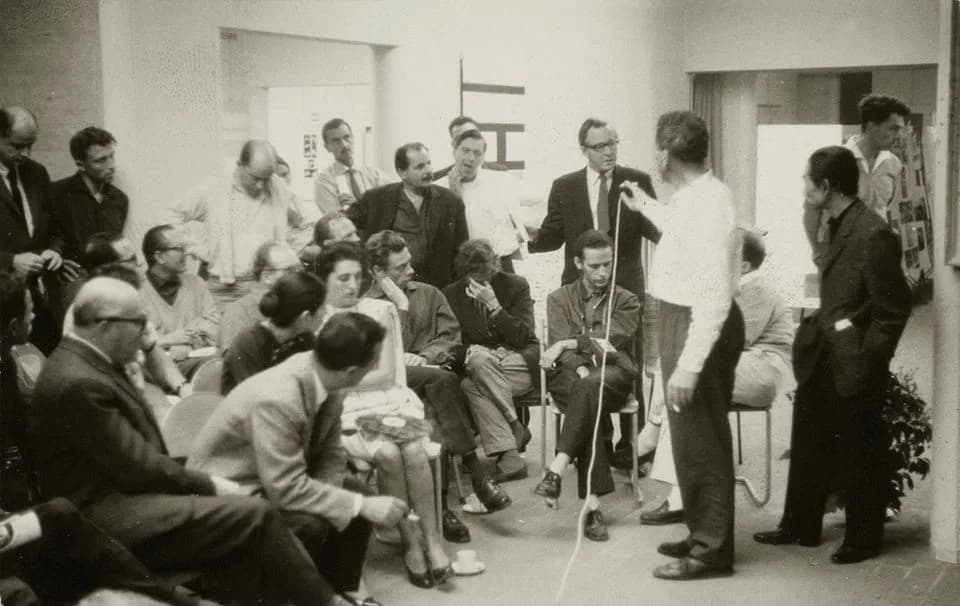
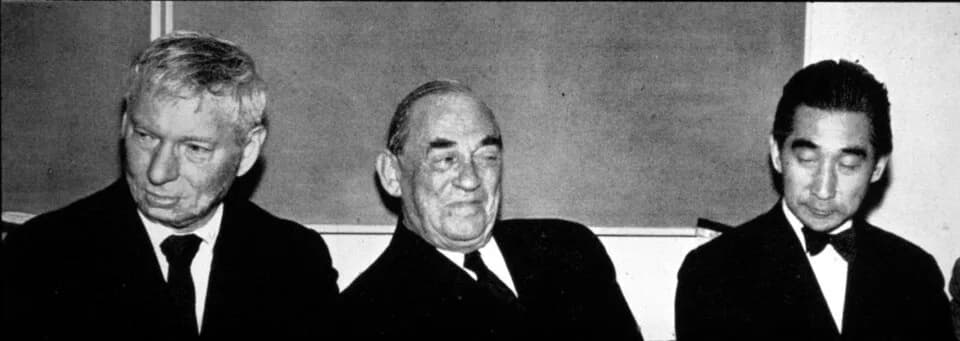
In the 1950s, Tange's active engagement with the Congres Internationaux d'Architecture Moderne (CIAM), a prominent organization of modernist architects, propelled him onto the international stage. This vital involvement was instrumental in establishing him as one of the very first Japanese architects to achieve global recognition for his innovative contributions to the evolving field of modern architecture and urban design, bridging cultural gaps through his work.
Поглавје 4· Поглавје 4 од 7
Personal Life
While Kenzō Tange's professional life was extensively documented through his numerous projects and teachings, specific details about his personal life beyond his birthplace, upbringing, and places of residence remain less widely published in the available information. He dedicated his life to his professions as an architect, urban planner, and university teacher, shaping countless minds and cityscapes through his vision and expertise.
Поглавје 5 · 1958· Поглавје 5 од 7
Notable Works or Contributions
Throughout his prolific career, Kenzō Tange created a striking portfolio of influential works that showcased his distinct architectural style and profound urban planning vision. These celebrated projects include the intricate Kurashiki City Hall Model, a notable design from between 1958 and 1960, which is proudly preserved within the collections of the Metropolitan Museum of Art. This model exemplifies his thoughtful approach to civic architecture.
Further examples of his meticulous design process and conceptual development are visibly captured in the American Medical Association Building Study Models from 1988, held within the esteemed archives of the Art Institute of Chicago (AIC). Additionally, Tange's grand vision for the New Tokyo City Hall is splendidly represented through his compelling design drawings from approximately 1991, also found at the AIC, demonstrating his continuous and significant impact on the urban fabric of Japan's capital. Another set of detailed study models for the American Medical Association Building, specifically located at 515 North State Street in Chicago, Illinois, also dating from 1988, further illustrates his precise and comprehensive approach to the creation of complex and functional modern structures that stood the test of time.
Поглавје 6 · 2005· Поглавје 6 од 7
Later Years
Kenzō Tange continued to work and influence the architectural world with his designs and teachings into his later years. His career spanned decades, during which he witnessed and shaped significant periods of development in Japan and globally. He passed away peacefully on March 22, 2005, in Minato, Japan, at the age of 91. His passing marked the end of an era for modern Japanese architecture, leaving behind an incredibly rich and deep professional legacy.
Поглавје 7· Поглавје 7 од 7
Legacy and Impact
Kenzō Tange's legacy is immense, significantly changing the field of architecture and urban planning through his innovative thought and projects. He successfully fused traditional Japanese aesthetics and cultural principles with the bold, modern movements of the 20th century, creating a unique synthesis that resonated globally. His work set a high standard for architects worldwide, influencing generations and demonstrating how thoughtful design can both honor the past and boldly embrace the future.
His iconic structures and comprehensive urban plans continue to serve as enduring examples of architectural excellence and thoughtful design, reflecting a deep understanding of human experience and urban function. Kenzō Tange remains celebrated for his vision, his capacity to rebuild and inspire, and for truly globalizing Japanese architecture.
ЧПП
Често поставувани
Кога почина Kenzō Tange?
Kenzō Tange почина на 22 март 2005 г. во Minato, Japan, на возраст од 91 години.
Каде е роден(а) Kenzō Tange?
Kenzō Tange е роден(а) во Sakai, Japan на 4 септември 1913 г..
По што е најпознат(а) Kenzō Tange?
Kenzō Tange е најпознат(а) по Japanese architect.
Колку години имаше Kenzō Tange во моментот на смртта?
Kenzō Tange имаше 91 години во моментот на смртта.
Од која националност беше Kenzō Tange?
Kenzō Tange беше од Japan.
Хронологија
Живот во преглед
Галерија со фотографии
Живот во слики
Кликнете на која било полароид фотографија за да ја прошириете · 43 фотографии
QR код
Споделете ја оваа биографија
Печати и сподели
Скенирајте за да ја посетите оваа биографска страница. Печатете за настани, изложби или образовни материјали.