Роден
September 17, 1743
Ribemont, France
Починал
March 28, 1794
Bourg-la-Reine, France
Познат по
French philosopher, mathematician, and political scientist
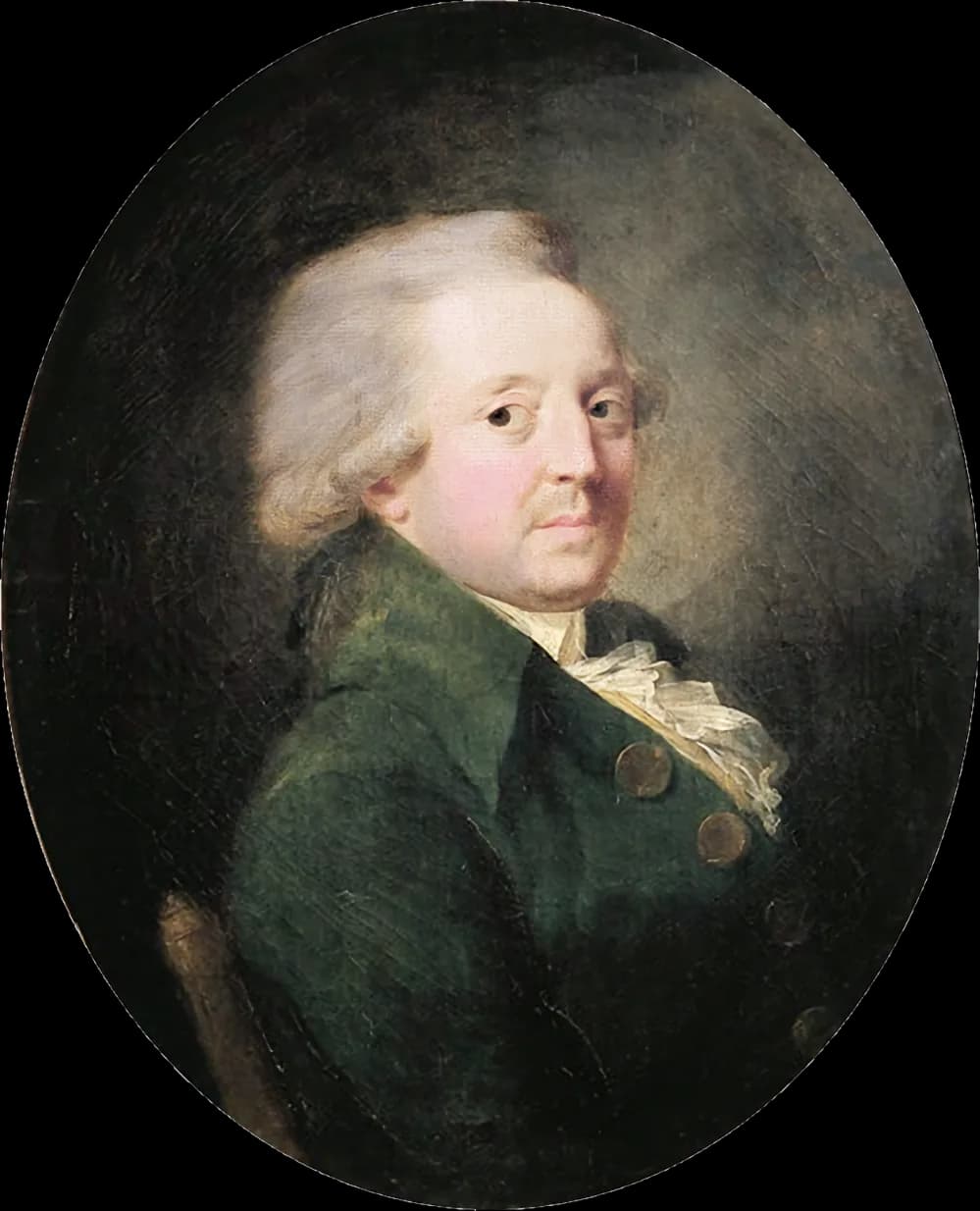
Jean-Antoine-Nicolas de Caritat de Condorcet (1743–1794) was France best known for French philosopher, mathematician, and political scientist.
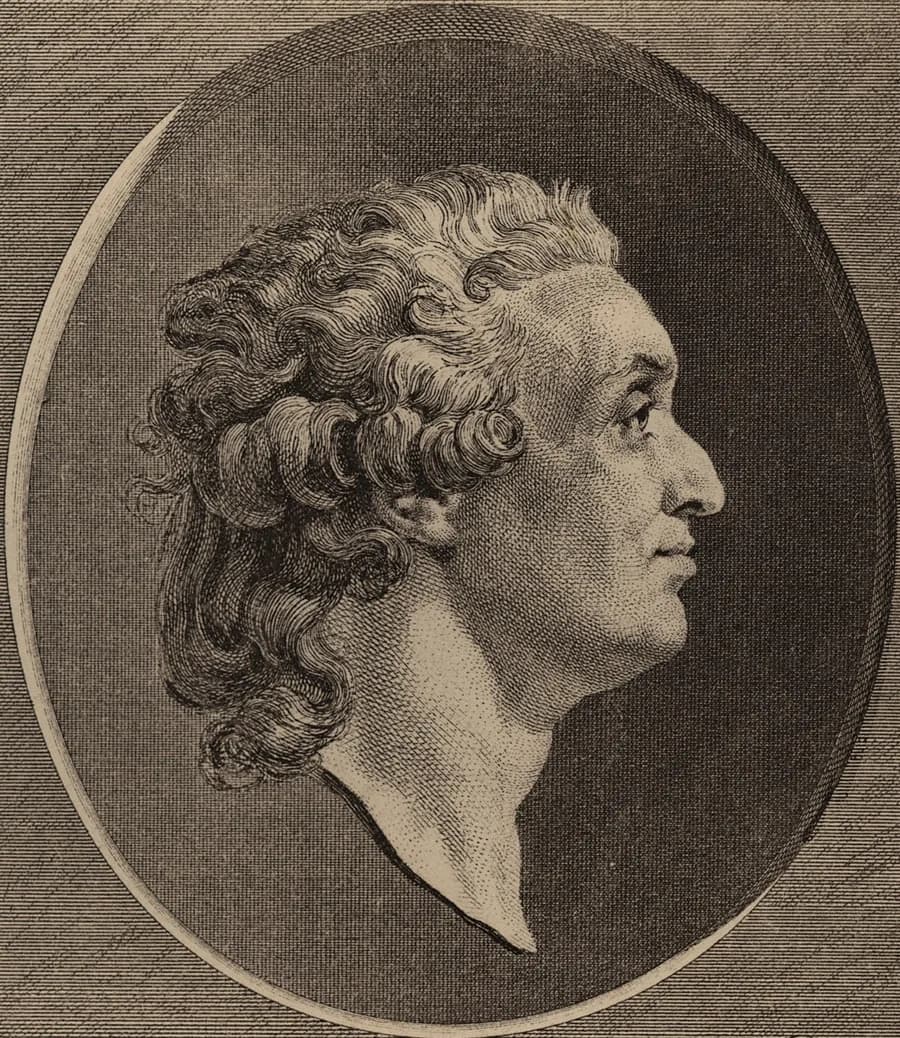
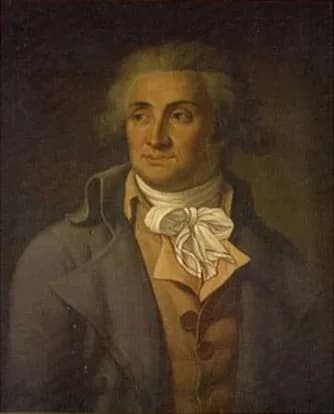
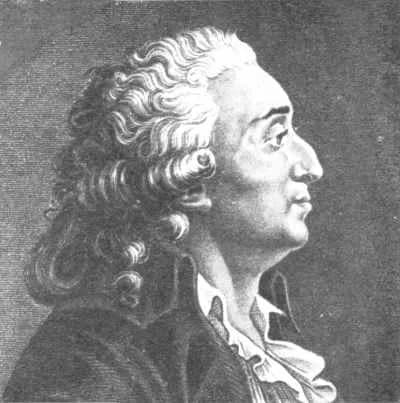
Jean-Antoine-Nicolas de Caritat de Condorcet (September 17, 1743 – March 28, 1794) was a French philosopher, mathematician, and political scientist from Ribemont, France. He passionately championed free markets, public education, and equal rights for all, embodying the Age of Enlightenment's highest ideals. His visionary ideas continue to inspire discussions on human progress and societal justice.
Поглавје
Животни поглавја
Поглавје 1 · 1743· Поглавје 1 од 6
Early Life and Origins
Born in Ribemont, France, on September 17, 1743, Jean-Antoine-Nicolas de Caritat de Condorcet began his life in a period of intellectual ferment across Europe. His early years in rural France provided the backdrop for a burgeoning mind that would soon engage with the most complex questions of mathematics, philosophy, and societal organization. This formative period undoubtedly shaped his later commitment to rationality, progress, and human perfectibility.
Поглавје 2· Поглавје 2 од 6
Career Beginnings
Condorcet's intellectual journey quickly blossomed, leading him into the rigorous fields of mathematics and the burgeoning sciences of his era. His early dedication to logic and empirical inquiry laid the foundational groundwork for his later, more expansive work in philosophy and political economy. He demonstrated an early aptitude for scholarly pursuits, which would eventually see him contribute to prestigious academic bodies and extensive encyclopedic projects.
His initial forays into publishing included works such as "Essai sur la théorie des comètes," showcasing his mathematical prowess and scientific curiosity. This foundational period also saw him contribute to the "Dictionnaire encyclopédique des mathématiques," a testament to his expertise and dedication to the dissemination of knowledge. These early efforts established him as a serious academic and intellectual force, paving the way for his future influence in broader social and political spheres.
Поглавје 3· Поглавје 3 од 6
Major Achievements and Enduring Ideals
As his career advanced, Nicolas de Condorcet became a prominent voice advocating for radical social and political reforms grounded in Enlightenment rationalism. He championed groundbreaking ideas such as support for free markets, which he believed fostered economic prosperity and individual liberty. Furthermore, he was a vocal proponent of comprehensive public education, seeing it as essential for an informed citizenry and societal progress.
Condorcet's vision extended to the very structure of governance, advocating for constitutional government as a safeguard against tyranny and a means to ensure civil liberties. Perhaps most remarkably for his time, he passionately argued for equal rights for women and people of all races, a stance that was far ahead of his contemporaries. His forward-thinking proposals for a welfare state further underscored his deep commitment to social justice and the well-being of all citizens, solidifying his status as a quintessential figure of the Enlightenment.
Поглавје 4· Поглавје 4 од 6
Notable Works and Intellectual Contributions
Condorcet's prolific output spanned a wide range of subjects, reflecting his diverse intellectual interests and extensive expertise. Among his significant works is "Éloge des académiciens de l'Académie royale des sciences," which celebrated the achievements of his fellow scholars and highlighted the importance of scientific inquiry. His "Dictionnaire encyclopédique des mathématiques" stands as a monumental contribution to the systematization and accessibility of mathematical knowledge during the Enlightenment.
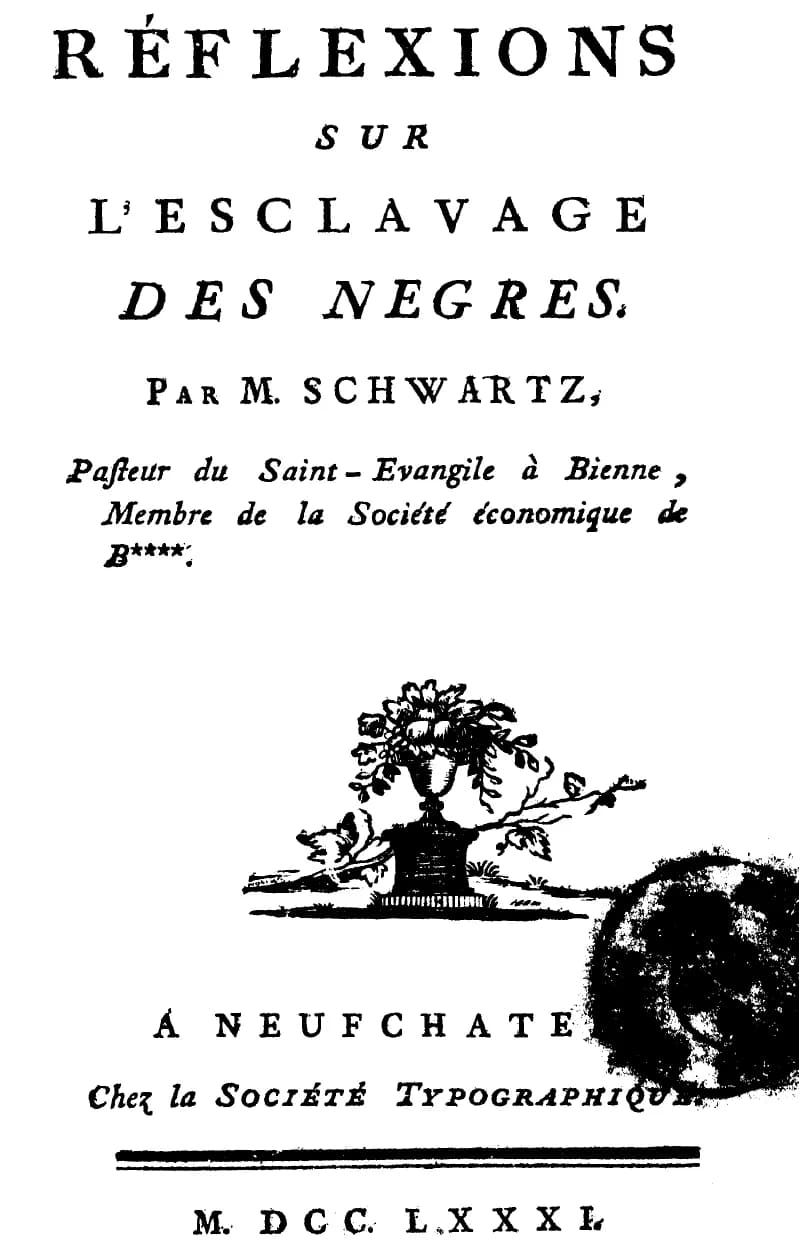
His commitment to societal improvement is evident in works such as "Cinq mémoires sur l'instruction publique," which received 56 citations, demonstrating its lasting influence on educational theory. He was also a passionate advocate for human rights, as evidenced by "Réflexions sur l'esclavage des Nègres," cited 20 times, and "Sur l'admission des femmes au droit de cité," with 19 citations, both pioneering texts in their calls for universal equality. Other notable contributions included "Essai sur la théorie des comètes" and political reflections like "Réflexions sur la révolution de 1688, et sur celle du 10 Août 1792." His comprehensive intellectual endeavors are also summarized by his h-index of 11 across 45 academic papers, affirming his significant scholarly impact across many disciplines.
Поглавје 5 · 1793· Поглавје 5 од 6
Final Years and Tragic End
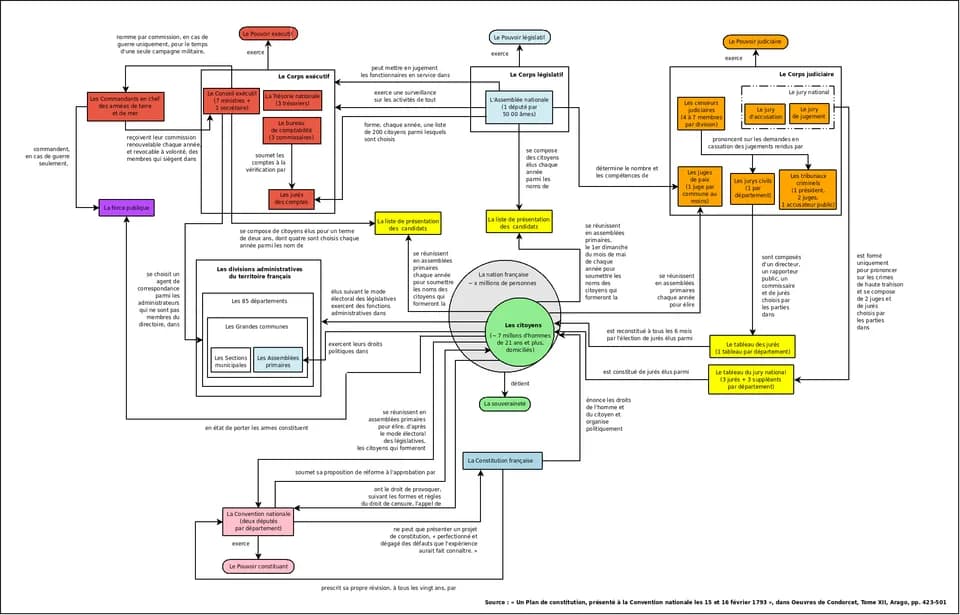
The tumultuous period of the French Revolution presented immense challenges for Condorcet, who, despite his revolutionary fervor, found himself increasingly at odds with the radical Jacobin faction. He openly criticized the constitution proposed by Marie-Jean Hérault de Séchelles in 1793, a courageous act that led to severe repercussions. Consequently, the Convention Nationale, dominated by the Jacobins, voted for his arrest.
For a period, Condorcet was forced into hiding, living as a fugitive from the very revolutionary authorities he had initially supported. Tragically, his flight came to an end, and he was apprehended. Jean-Antoine-Nicolas de Caritat de Condorcet died in prison in Bourg-la-Reine, France, on March 28, 1794, bringing a premature and poignant end to the life of one of the Enlightenment's most dedicated advocates for liberty and reason.
Поглавје 6· Поглавје 6 од 6
Lasting Legacy and Influence
Despite his tragic demise, Nicolas de Condorcet's intellectual legacy has endured, profoundly shaping subsequent generations of thinkers and political movements. His unwavering support for universal human rights, including equal rights for women and people of all races, continues to inspire advocates for social justice today. His advocacy for a robust public education system and constitutional government remains fundamental to democratic ideals worldwide.
Condorcet's vision of progress and his rational approach to societal reform earned him the title of the "last witness" of the Age of Enlightenment, a testament to his profound embodiment of its core tenets. His ideas on free markets and a welfare state demonstrate a foresight that continues to resonate in modern economic and social policy discussions. The comprehensive body of his work stands as a timeless reminder of the enduring power of reason, empathy, and the pursuit of human perfectibility.
Живот во моменти
Моментите што го обликувале еден живот
ЧПП
Често поставувани
Кога почина Jean-Antoine-Nicolas de Caritat de Condorcet?
Jean-Antoine-Nicolas de Caritat de Condorcet почина на 28 март 1794 г. во Bourg-la-Reine, France, на возраст од 50 години.
Каде е роден(а) Jean-Antoine-Nicolas de Caritat de Condorcet?
Jean-Antoine-Nicolas de Caritat de Condorcet е роден(а) во Ribemont, France на 17 септември 1743 г..
По што е најпознат(а) Jean-Antoine-Nicolas de Caritat de Condorcet?
Jean-Antoine-Nicolas de Caritat de Condorcet е најпознат(а) по French philosopher, mathematician, and political scientist.
Колку години имаше Jean-Antoine-Nicolas de Caritat de Condorcet во моментот на смртта?
Jean-Antoine-Nicolas de Caritat de Condorcet имаше 50 години во моментот на смртта.
Од која националност беше Jean-Antoine-Nicolas de Caritat de Condorcet?
Jean-Antoine-Nicolas de Caritat de Condorcet беше од France.
Хронологија
Живот во преглед
Галерија со фотографии
Живот во слики
Кликнете на која било полароид фотографија за да ја прошириете · 49 фотографии
QR код
Споделете ја оваа биографија
Печати и сподели
Скенирајте за да ја посетите оваа биографска страница. Печатете за настани, изложби или образовни материјали.