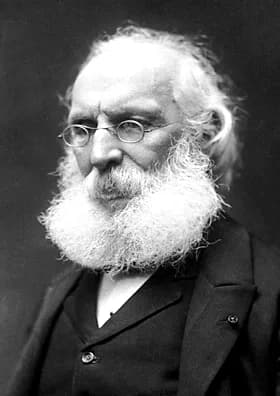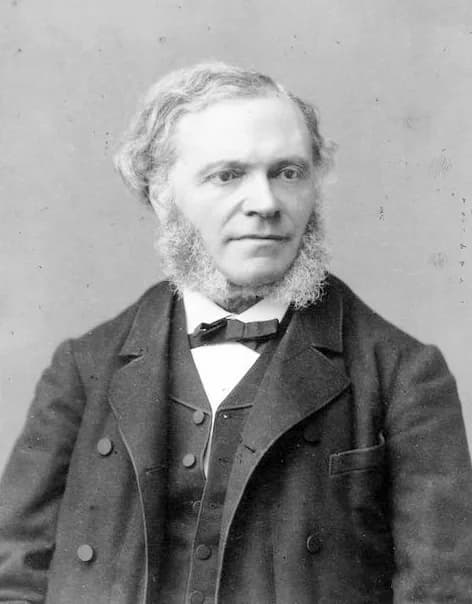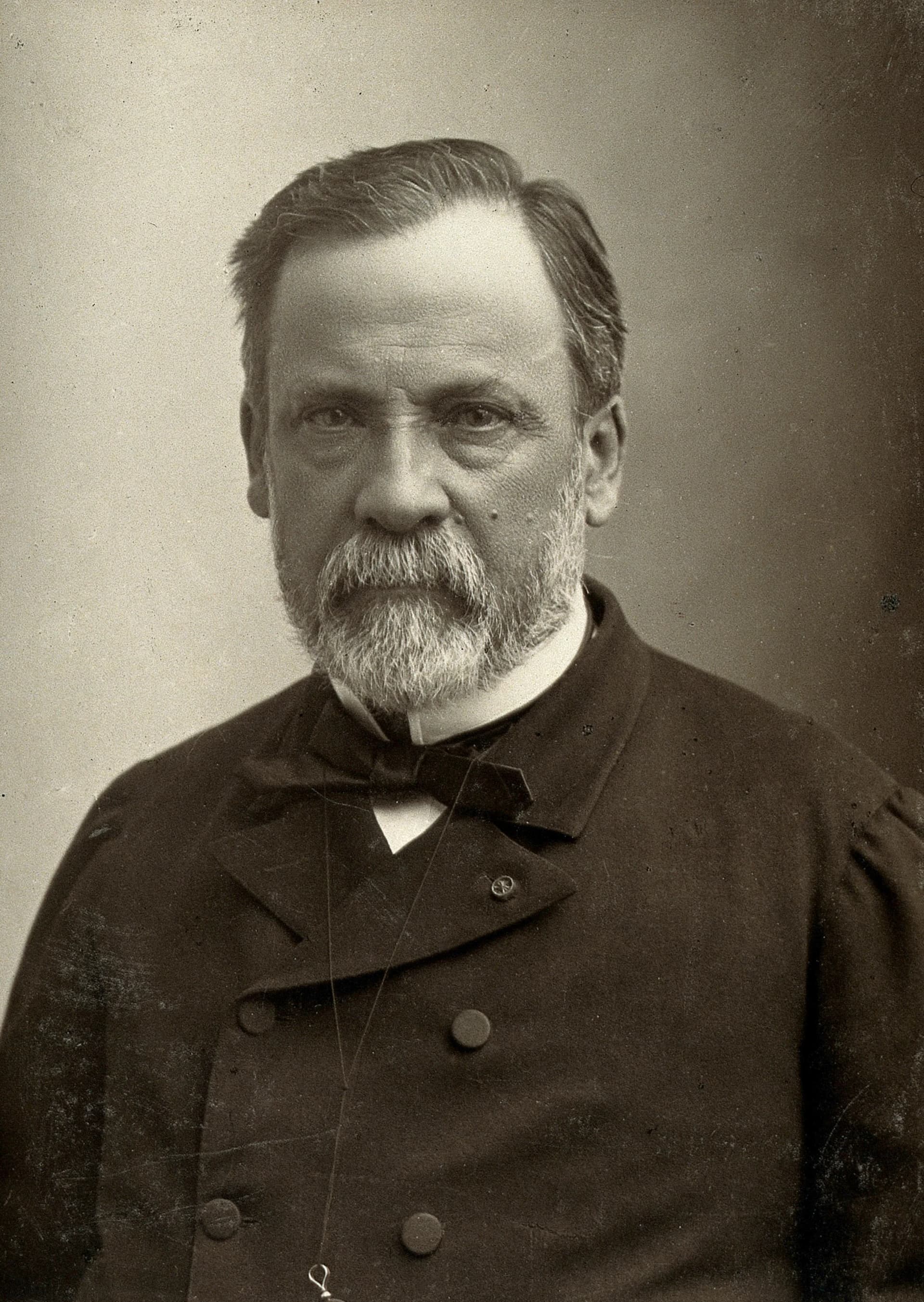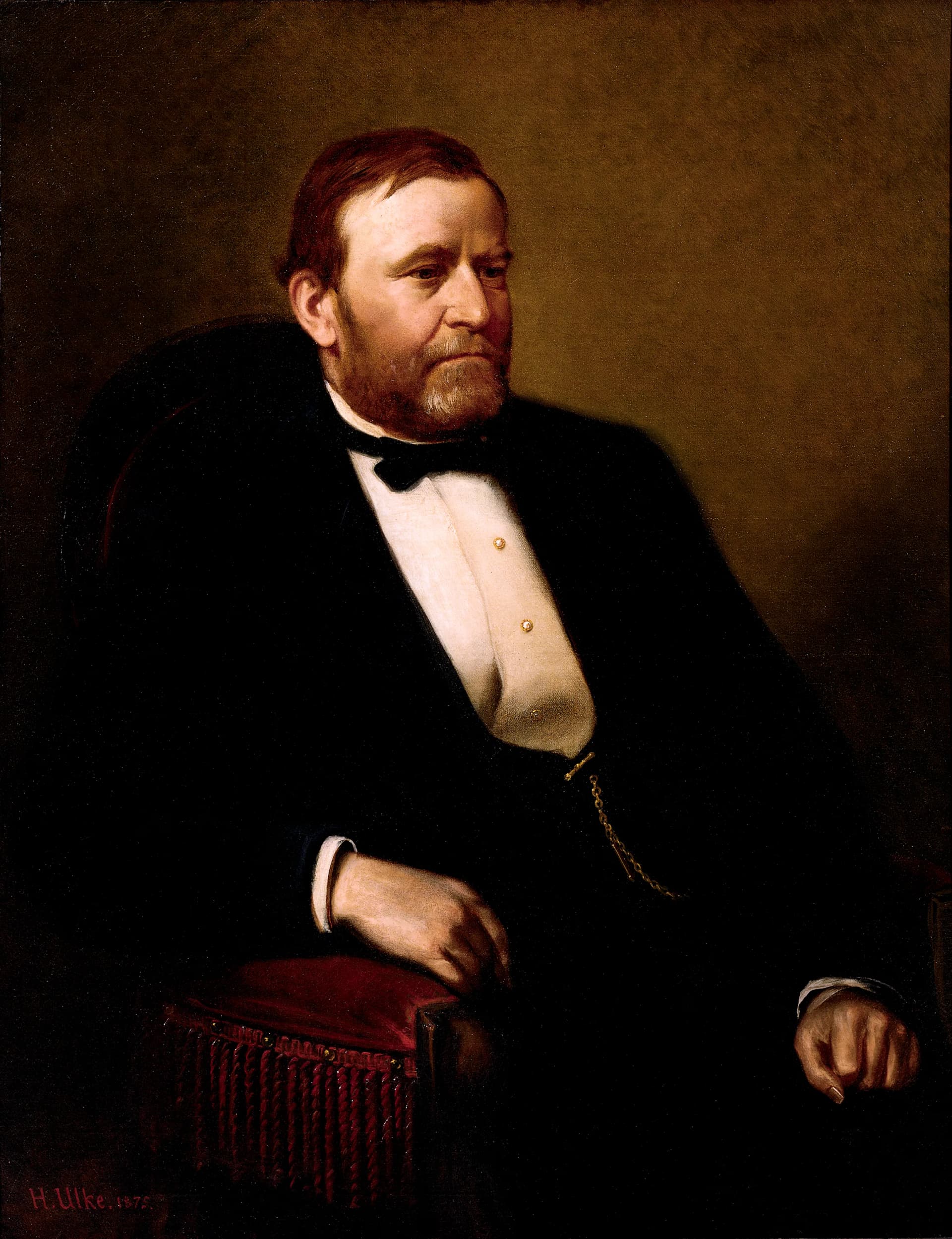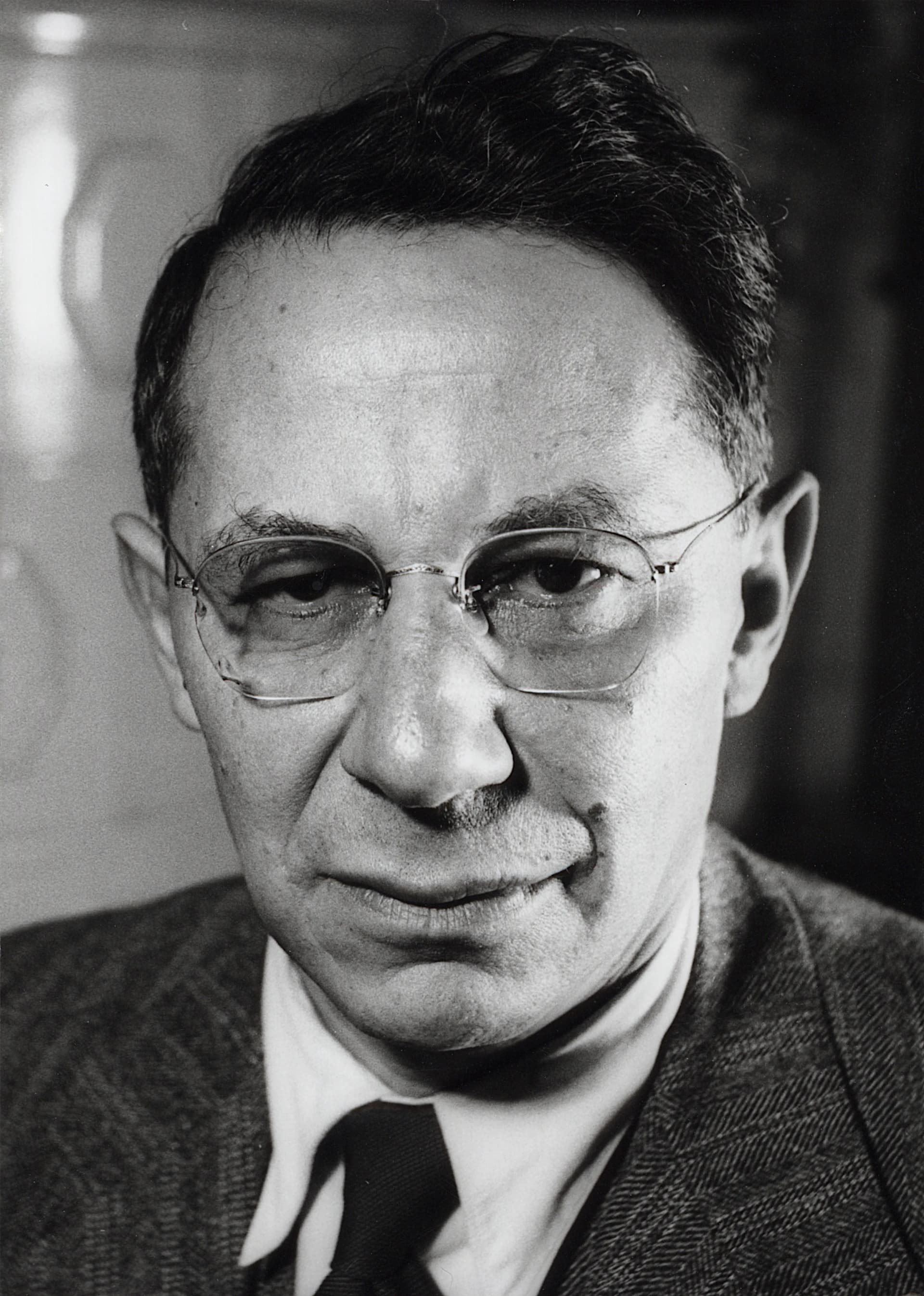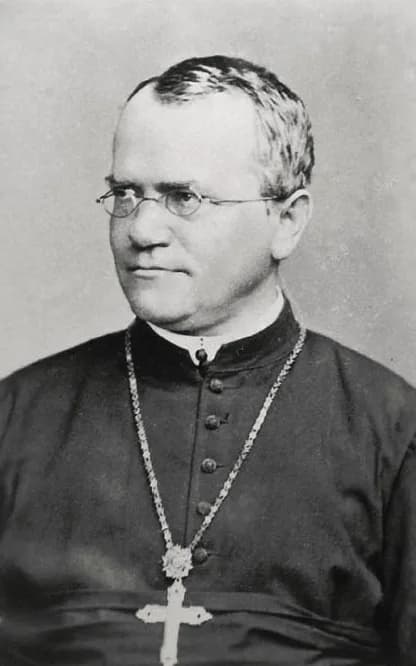
Роден
July 20, 1822
Hynčice, Czech Republic
Починал
January 6, 1884
Brno, Czech Republic
Познат по
Moravian scientist and Augustinian friar
Gregor Mendel (1822–1884) was Czech Republic best known for Moravian scientist and Augustinian friar.
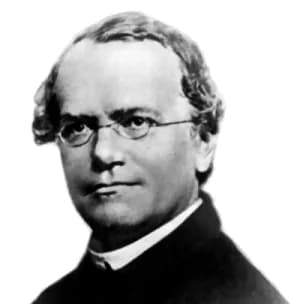
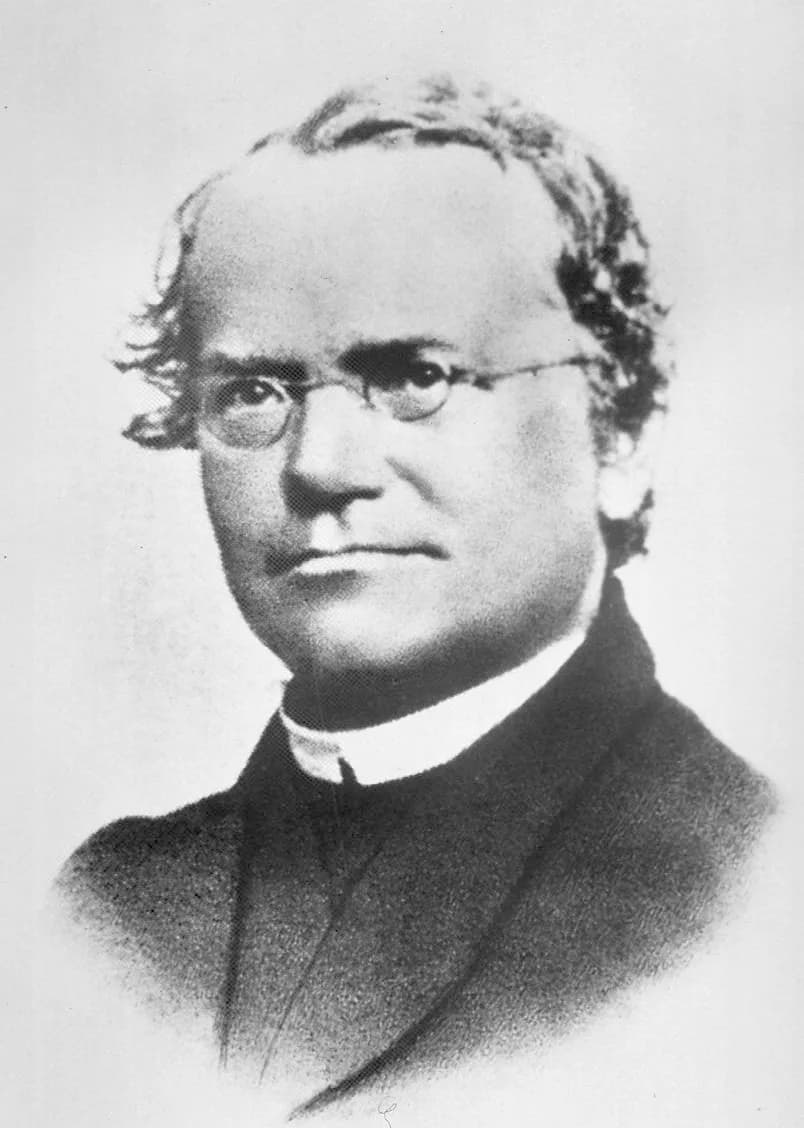
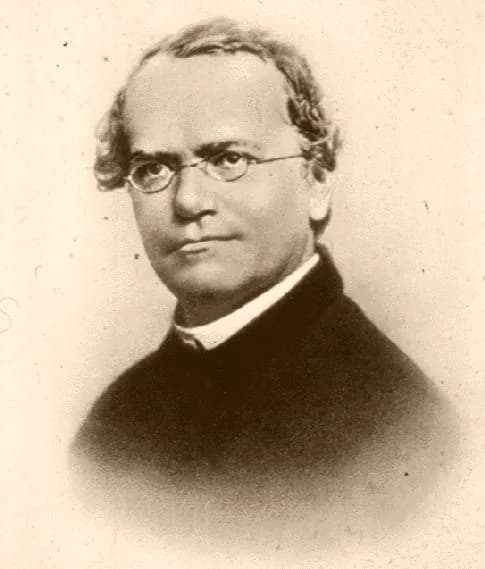
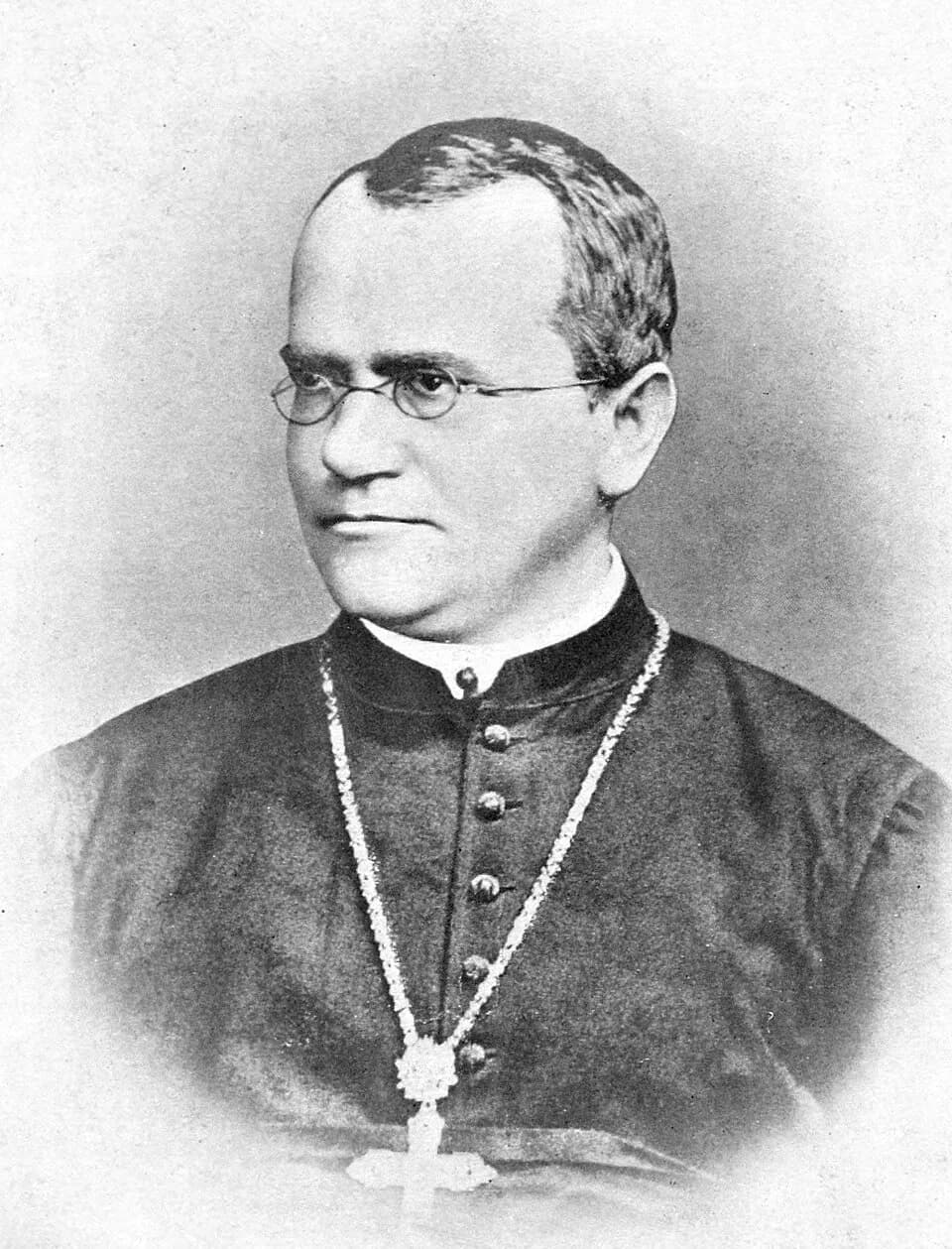
Gregor Johann Mendel (July 20, 1822 – January 6, 1884) was a Moravian scientist and Augustinian friar. His pea plant experiments established the fundamental laws of heredity, making him the posthumously recognized founder of modern genetics. His work transformed biological understanding.
Живот во моменти
Моментите што го обликувале еден живот

Поглавје
Животни поглавја
Поглавје 1 · 1822· Поглавје 1 од 6
Early Life and Origins
Gregor Mendel was born Johann Mendel on July 20, 1822, in Hynčice, a village then part of the Austrian Empire and now located in the Czech Republic. He came from a German-speaking family, experiencing his formative years in the Silesian region of the empire. His early life cultivated an social interest in the natural world, setting the stage for his future scientific pursuits.
He later entered the Augustinian St. Thomas' Abbey in Brno, where he adopted the name Gregor and was ordained as a Catholic priest. This environment provided him with opportunities for both theological studies and scientific inquiry, balancing his spiritual calling with his intellectual curiosity. His education further included pursuits in natural history, mathematics, and botany.
Поглавје 2· Поглавје 2 од 6
Career Beginnings
Mendel's professional journey as a friar and priest allowed him to pursue various intellectual passions, including his roles as a naturalist, mathematician, and botanist. He also took on responsibilities as a botanical collector and beekeeper, accumulating practical experience with plants and living organisms. These diverse roles provided him with a unique blend of observational skills and analytical thinking that proved invaluable to his later fundamental work.
It was within the monastery garden that he began his celebrated experiments on plant hybridization, a quest to understand how traits were passed down through generations. Though farmers had observed the effects of crossbreeding for centuries, Mendel sought to discern the underlying mechanisms with rigorous scientific method. His dedication to meticulous observation and quantitative analysis distinguished his approach from previous efforts.
Поглавје 3 · 1856· Поглавје 3 од 6
Major Achievements and Career Highlights
Between 1856 and 1863, Gregor Mendel conducted a series of systematic experiments using pea plants, carefully crossbreeding thousands of specimens and observing the inheritance of specific traits. These experiments, performed within the confines of the abbey garden in Brno, were meticulously documented, allowing for precise statistical analysis. He focused on distinct characteristics like seed shape, pod color, and flower position, tracking their appearance across generations.
Through his exhaustive research, Mendel established several fundamental principles of heredity, which are now collectively known as the laws of Mendelian inheritance. His work explained concepts such as dominant and recessive traits, segregation, and independent assortment, providing a clear framework for understanding genetic transmission. These rules laid the groundwork for the modern science of genetics, despite his work not being widely recognized during his lifetime.
Beyond his scientific contributions, Mendel was also a respected figure within his religious order, eventually becoming the abbot of St. Thomas' Abbey in Brno. This administrative role added another dimension to his already diverse life, showcasing his leadership abilities alongside his scientific and theological interests. His tenure as abbot reflected his commitment to both the spiritual and intellectual life of the community.
Поглавје 4 · 1865· Поглавје 4 од 6
Notable Works and Contributions
Mendel's most significant academic publication was "Versuche über Pflanzen-Hybriden" (Experiments on Plant Hybridization), which he presented in 1865 and published in 1866. This seminal paper detailed his pea plant experiments and outlined the laws of heredity, though its full significance was not grasped by the scientific community until much later. Later editions and analyses, such as those published in 1941 and 1960, ensured its lasting availability and study.
Other works reflect his broader scientific interests, including "Über einige aus künstlicher Befruchtung gewonnenen Hieraciumbastarde" (On some Hieracium hybrids obtained by artificial fertilization), published posthumously in 1970. His collected papers and biographical studies, such as "Festschrift zum Andenken an Gregor Mendel" and "Johann Gregor Mendel (1822-1884) : Dokumentierte Biographie und Katalog zur Gedächtnisausstellung," continue to provide insights into his life and scientific methodology. These publications collectively illustrate his detailed approach to scientific inquiry and his dedication to understanding the natural world.
Поглавје 5· Поглавје 5 од 6
Later Years
Gregor Mendel spent his later years primarily in Brno, continuing his duties as an Augustinian friar and abbot of St. Thomas' Abbey. While his fundamental work on genetics went largely unappreciated during his lifetime, he maintained his scientific curiosity through other studies, including meteorology. He quietly continued his observations, a testament to his enduring passion for knowledge.
Mendel passed away on January 6, 1884, in Brno, Czech Republic, at the age of 61. His death marked the end of a life dedicated to spiritual service, meticulous scientific investigation, and intellectual rigor. It was only decades after his passing that his pioneering contributions to heredity were rediscovered and his status as the founder of modern genetics was firmly established.
Поглавје 6· Поглавје 6 од 6
Legacy and Impact
Gregor Mendel's legacy is immense and enduring, establishing him as the "father of modern genetics." His pea plant experiments and the subsequent formulation of the laws of Mendelian inheritance fundamentally transformed biological understanding. He provided the empirical framework for how traits are passed from one generation to the next, a concept that had eluded scientists for centuries.
The posthumous recognition of his work, particularly in the early 20th century, sparked a revolution in biology and medicine, leading to the development of new fields and countless applications. Today, his principles remain central to our understanding of heredity, informing everything from agricultural science to human disease research. Mendel's meticulous approach and quantitative analysis serve as a model for scientific inquiry, ensuring his lasting influence on scientific thought.
ЧПП
Често поставувани
Кога почина Gregor Mendel?
Gregor Mendel почина на 6 јануари 1884 г. во Brno, Czech Republic, на возраст од 61 години.
Каде е роден(а) Gregor Mendel?
Gregor Mendel е роден(а) во Hynčice, Czech Republic на 20 јули 1822 г..
По што е најпознат(а) Gregor Mendel?
Gregor Mendel е најпознат(а) по Moravian scientist and Augustinian friar.
Колку години имаше Gregor Mendel во моментот на смртта?
Gregor Mendel имаше 61 години во моментот на смртта.
Од која националност беше Gregor Mendel?
Gregor Mendel беше од Czech Republic.
Хронологија
Живот во преглед
Галерија со фотографии
Живот во слики
Кликнете на која било полароид фотографија за да ја прошириете · 25 фотографии
QR код
Споделете ја оваа биографија
Печати и сподели
Скенирајте за да ја посетите оваа биографска страница. Печатете за настани, изложби или образовни материјали.