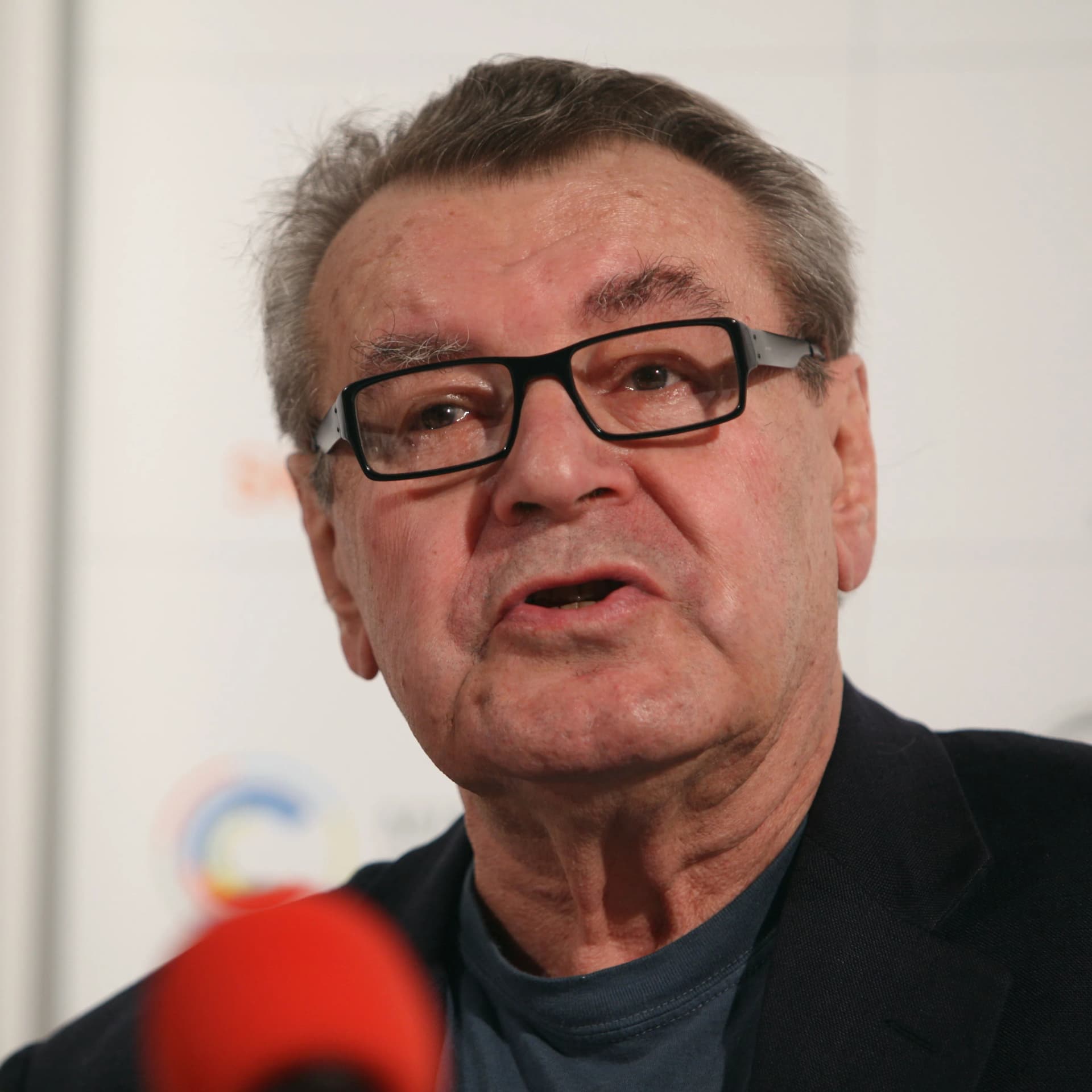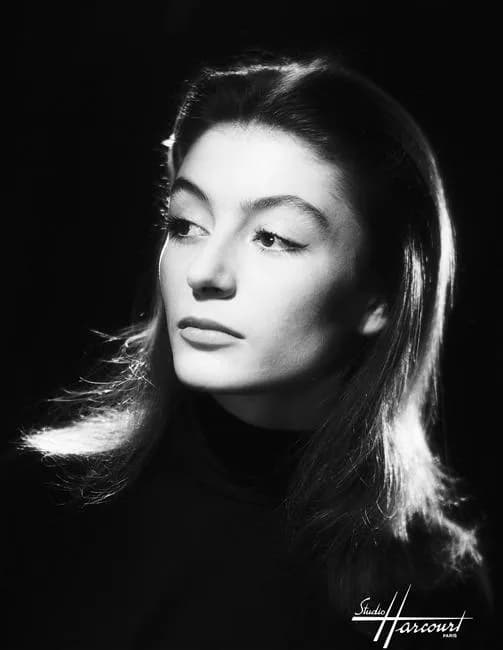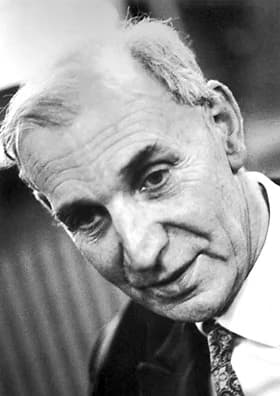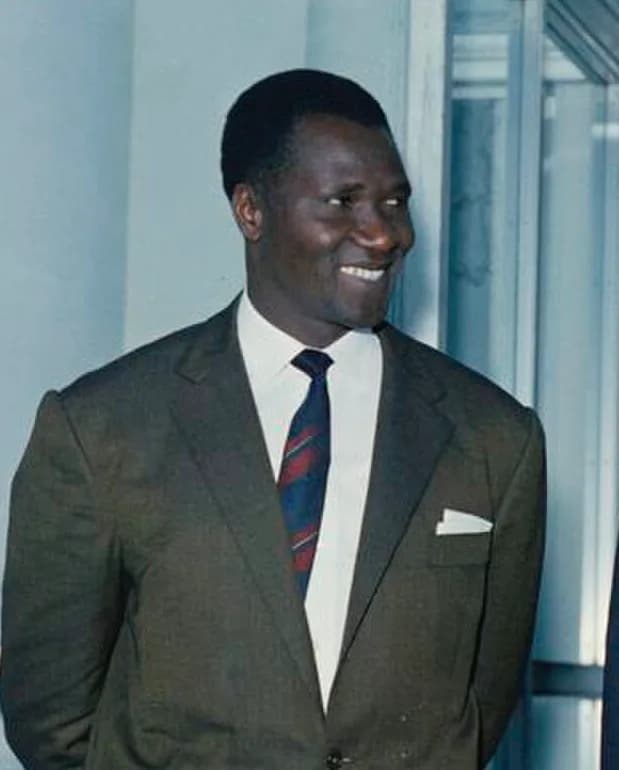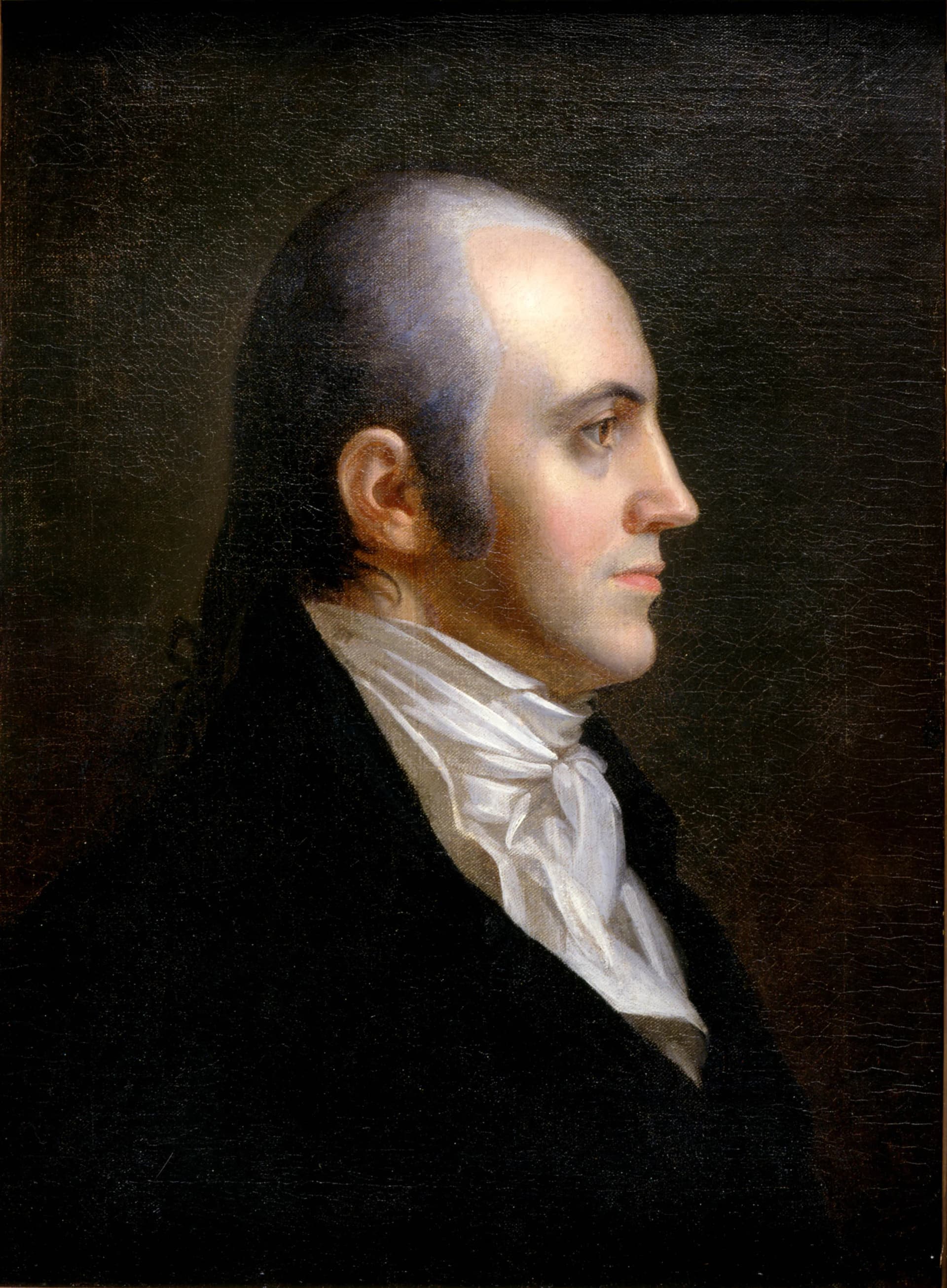
Роден
February 6, 1932
Paris, France
Починал
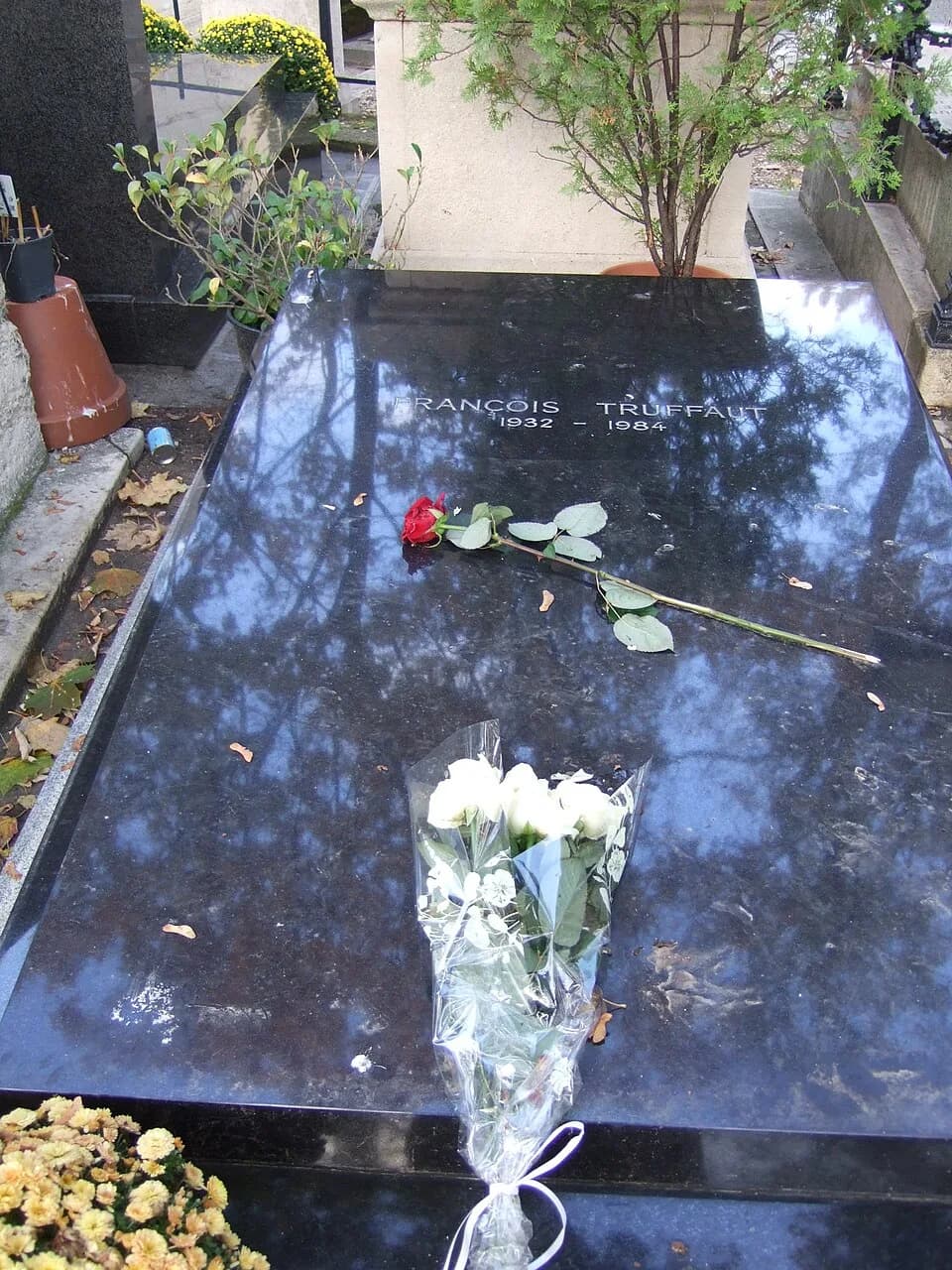
October 21, 1984
Neuilly-sur-Seine, France
Познат по
French film director
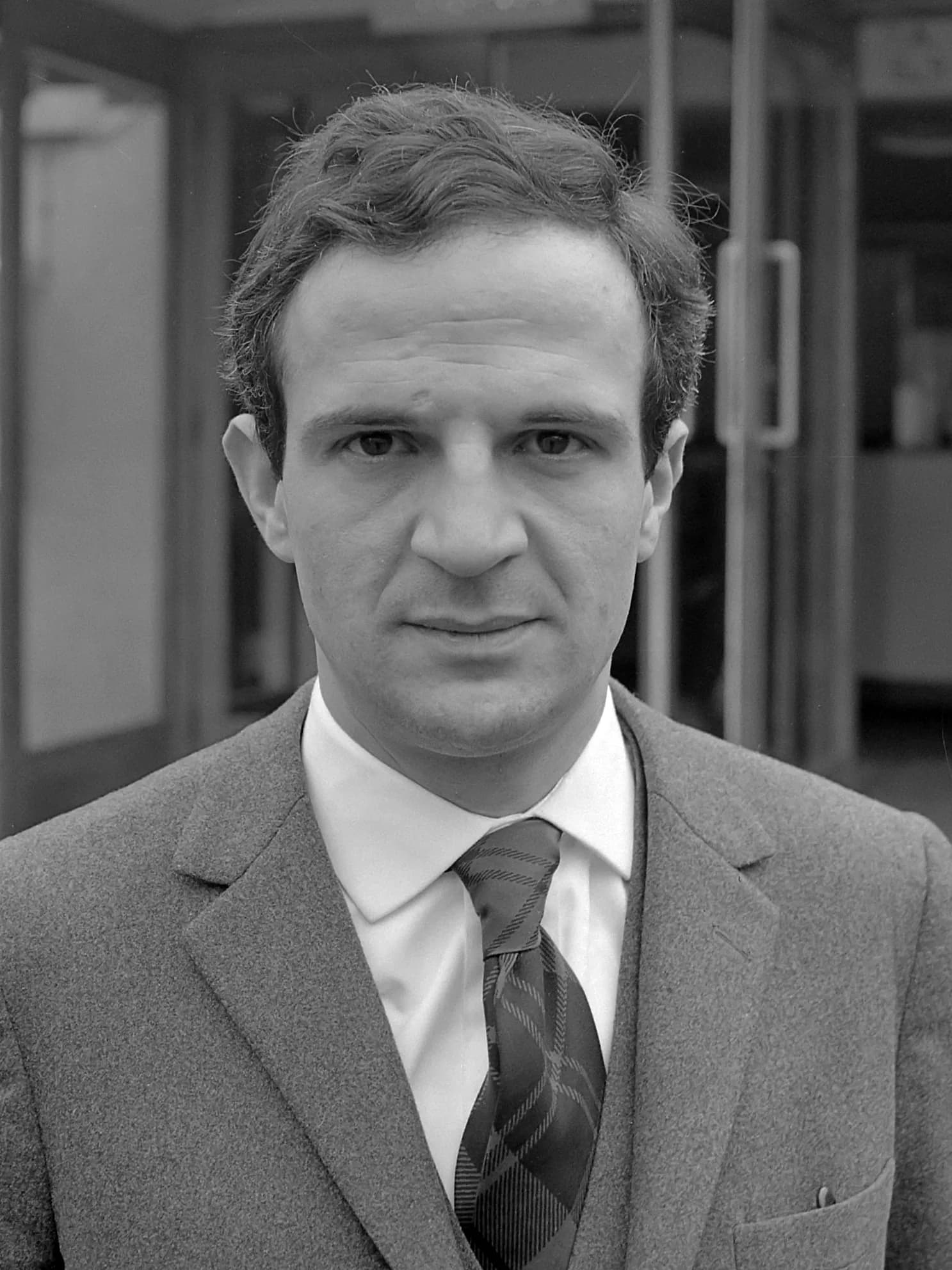
François Truffaut (1932–1984) was France best known for French film director.
François Roland Truffaut (February 6, 1932 – October 21, 1984) was a French film director, writer, actor, and critic. He was a central figure and co-founder of the French New Wave, celebrated for films like <i>The 400 Blows</i>. Truffaut championed the auteur theory, leaving an indelible mark on cinematic art and criticism.
Живот во моменти
Моментите што го обликувале еден живот
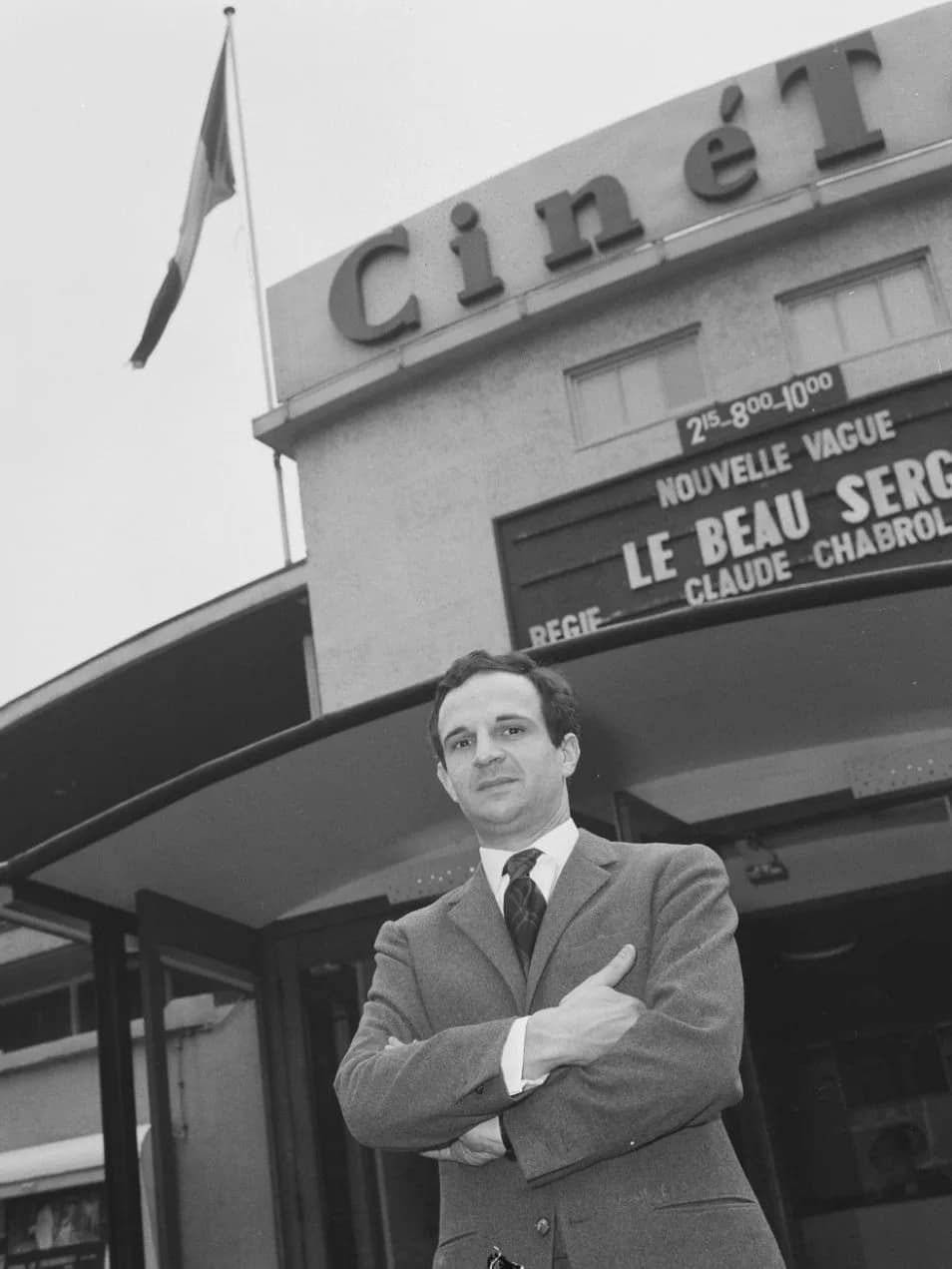
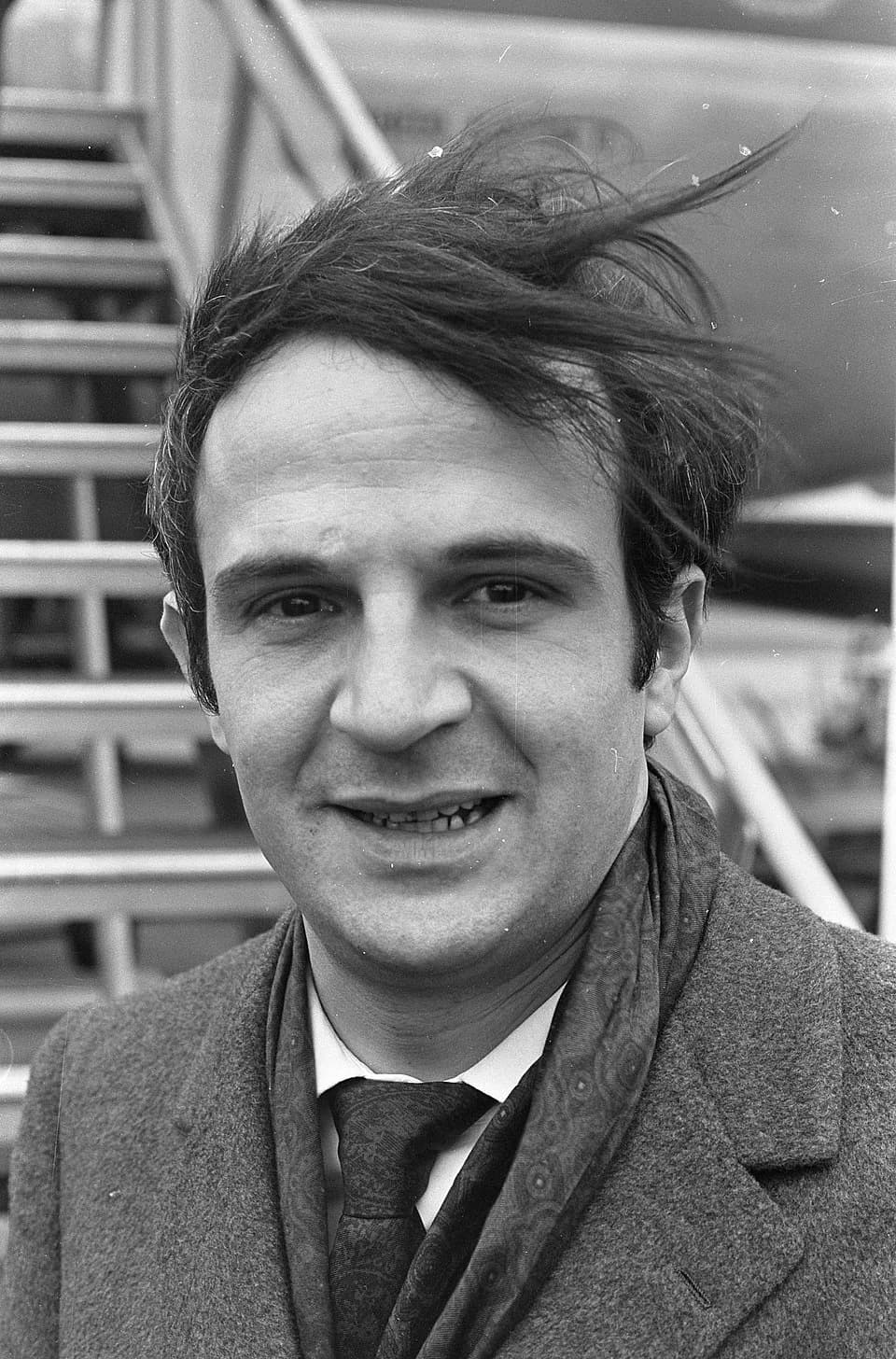
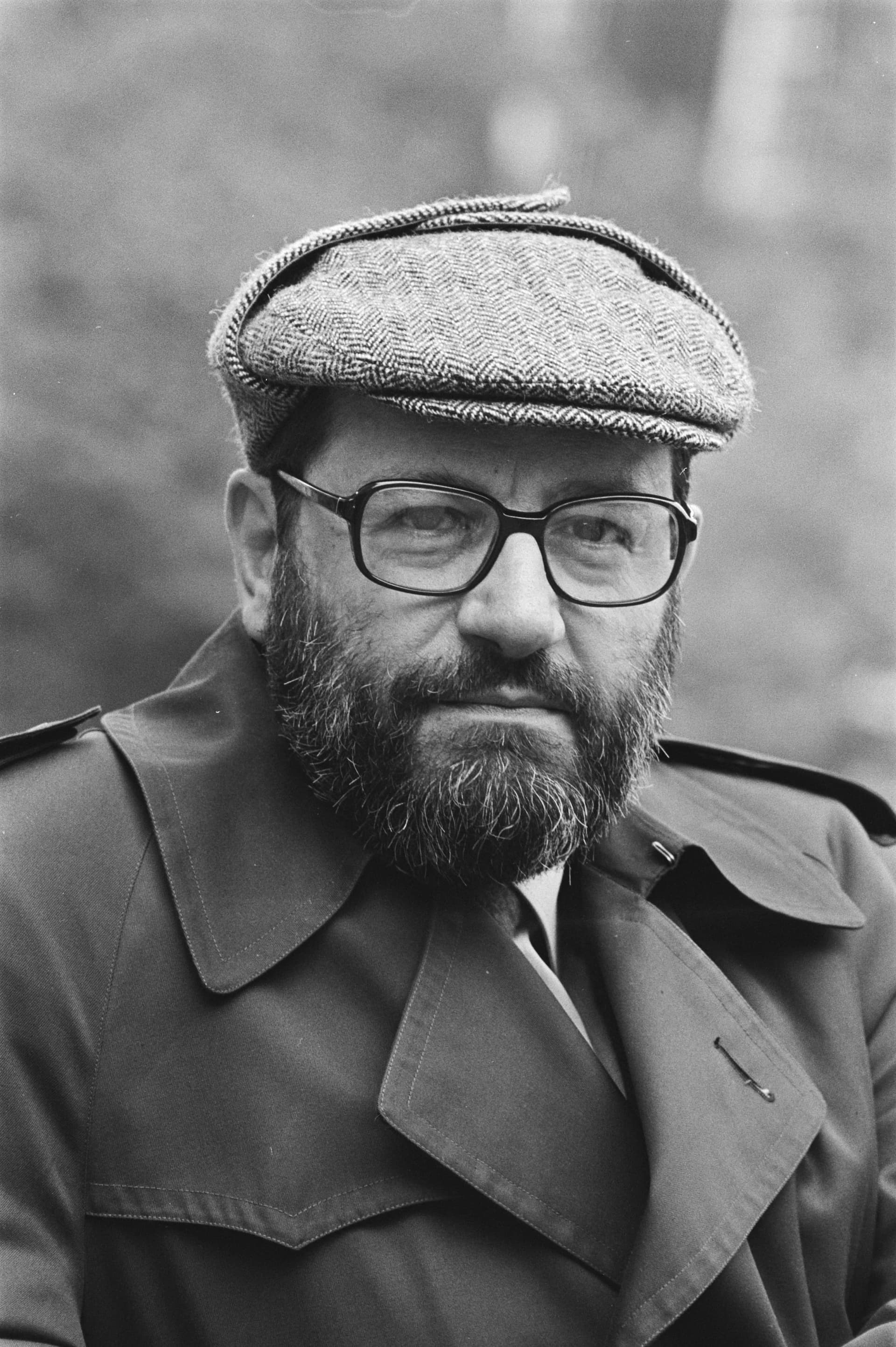
![François Truffaut - Franse regisseur Francois Truffaut voor bioscoop Cinétol, waar zijn film draait [Le Peau Douce?] tijdens Nouvelle Vague festival
15 maart 1965](/_next/image?url=https%3A%2F%2Fcdn.whowasthisguy.com%2Fgallery_wikimedia_commons_1777919084472_4_2d38ea8f2c.webp&w=1920&q=75)
Поглавје
Животни поглавја
Поглавје 1 · 1932· Поглавје 1 од 7
Early Life and Origins
François Truffaut was born in Paris, France, on February 6, 1932. His early life in the bustling French capital instilled in him a deep connection to culture and art. As a young man, he came under the tutelage of the esteemed film critic André Bazin, a relationship that would become central to his intellectual and artistic development. Bazin's mentorship provided Truffaut with a foundational understanding of film theory and a critical lens through which to view the art form.
Поглавје 2· Поглавје 2 од 7
Career Beginnings
Bazin recognized Truffaut's sharp intellect and passion, hiring him to write for his influential film magazine, Cahiers du Cinéma. Here, Truffaut quickly became a prominent voice, advocating for the auteur theory, which posits that a film's director is its true author. This revolutionary concept challenged traditional studio production models and elevated the director's artistic status, fundamentally reshaping how films were understood and critiqued.
Поглавје 3 · 1959· Поглавје 3 од 7
Major Achievements and Career Highlights
Truffaut's directorial debut, The 400 Blows (1959), was a defining moment for the French New Wave movement. The film introduced Jean-Pierre Léaud as Antoine Doinel, a character who served as Truffaut's cinematic alter ego and whose life story would be chronicled across several subsequent films. This deeply personal and semi-autobiographical work garnered international acclaim, establishing Truffaut as a major directorial talent.
Beyond his own directorial efforts, Truffaut also contributed to another significant milestone of the movement with his work on Breathless (1960), a film directed by his Cahiers du Cinéma colleague Jean-Luc Godard. The saga of Antoine Doinel continued to evolve through films such as Stolen Kisses (1968), Bed and Board (1970), and Love on the Run (1979), consistently chronicling the couple Antoine and Christine. These films exemplified his unique narrative style and thematic depth.
Поглавје 4· Поглавје 4 од 7
Personal Life
While explicit details of François Truffaut's private family life are not extensively documented in available summaries, his professional relationships often intertwined with deeply personal themes. His enduring collaboration with actor Jean-Pierre Léaud, who portrayed his cinematic alter ego Antoine Doinel, reflected a profound artistic and perhaps personal connection. Truffaut's films frequently explored childhood, love, and rebellion, suggesting a deeply introspective and empathetic approach to storytelling that mirrored his own experiences.
Поглавје 5· Поглавје 5 од 7
Notable Works or Contributions
Truffaut's influence extended beyond his directorial work to his impactful film criticism and writings for Cahiers du Cinéma. He was a staunch proponent of the auteur theory, a concept that transformed film criticism and appreciation globally. His notable works include the celebrated films like Jules et Jim and 400 Blows, which solidified his reputation as a master storyteller.
He also authored significant critical reflections, such as ha-Seraṭim be-ḥayai (The Films in My Life), a collection showcasing his profound insights into cinema. Truffaut's extensive interviews with Alfred Hitchcock were compiled into the seminal book Hits'ḳoḳ, providing an invaluable resource for film scholars and enthusiasts. Later films such as The Man Who Loved Women (1980) and The Green Room (1984) further demonstrated his diverse artistic range and continued commitment to exploring human relationships with sensitivity and nuance.
Поглавје 6 · 1984· Поглавје 6 од 7
Later Years
François Truffaut remained actively engaged in his prolific career as a film director, writer, and actor until his untimely passing. He died on October 21, 1984, in Neuilly-sur-Seine, France, at the age of 52. His final works continued to exhibit the artistic integrity and distinctive vision that characterized his entire career, leaving behind a rich and enduring body of work.
Поглавје 7· Поглавје 7 од 7
Legacy and Impact
Truffaut's lasting legacy is firmly cemented by his pivotal role as a driving force behind the French New Wave, a movement that irrevocably changed the course of filmmaking. His championing of the auteur theory remains a fundamental tenet of film studies and continues to shape critical discourse. Through his innovative narrative techniques, his development of memorable characters like Antoine Doinel, and his unwavering personal vision, he left an enduring mark on cinematic art.
His films continue to be studied and celebrated for their emotional depth, technical innovation, and enduring relevance. François Truffaut's work transcends time, inspiring new generations of filmmakers and critics to explore the possibilities of cinema as a deeply personal and expressive art form. He is remembered as a true pioneer whose creative spirit defined an era and continues to influence the craft of filmmaking.
ЧПП
Често поставувани
Кога почина François Truffaut?
François Truffaut почина на 21 октомври 1984 г. во Neuilly-sur-Seine, France, на возраст од 52 години.
Каде е роден(а) François Truffaut?
François Truffaut е роден(а) во Paris, France на 6 февруари 1932 г..
По што е најпознат(а) François Truffaut?
François Truffaut е најпознат(а) по French film director.
Колку години имаше François Truffaut во моментот на смртта?
François Truffaut имаше 52 години во моментот на смртта.
Од која националност беше François Truffaut?
François Truffaut беше од France.
Хронологија
Живот во преглед
Галерија со фотографии
Живот во слики
Кликнете на која било полароид фотографија за да ја прошириете · 50 фотографии
QR код
Споделете ја оваа биографија
Печати и сподели
Скенирајте за да ја посетите оваа биографска страница. Печатете за настани, изложби или образовни материјали.