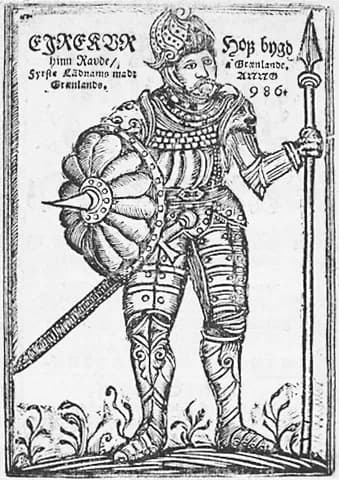
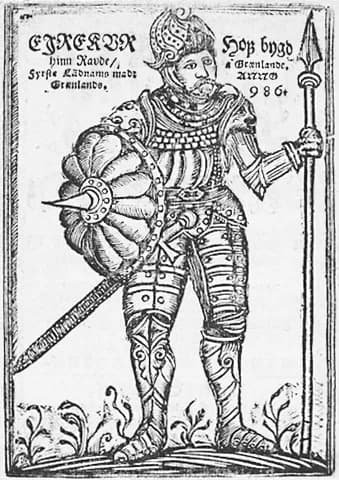
Роден
January 1, 950
Norway, Norway
Починал
January 1, 1003
Brattahlíð, Greenland
Познат по
explorer and founder of the first viking settlement in Greenland
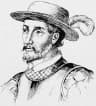
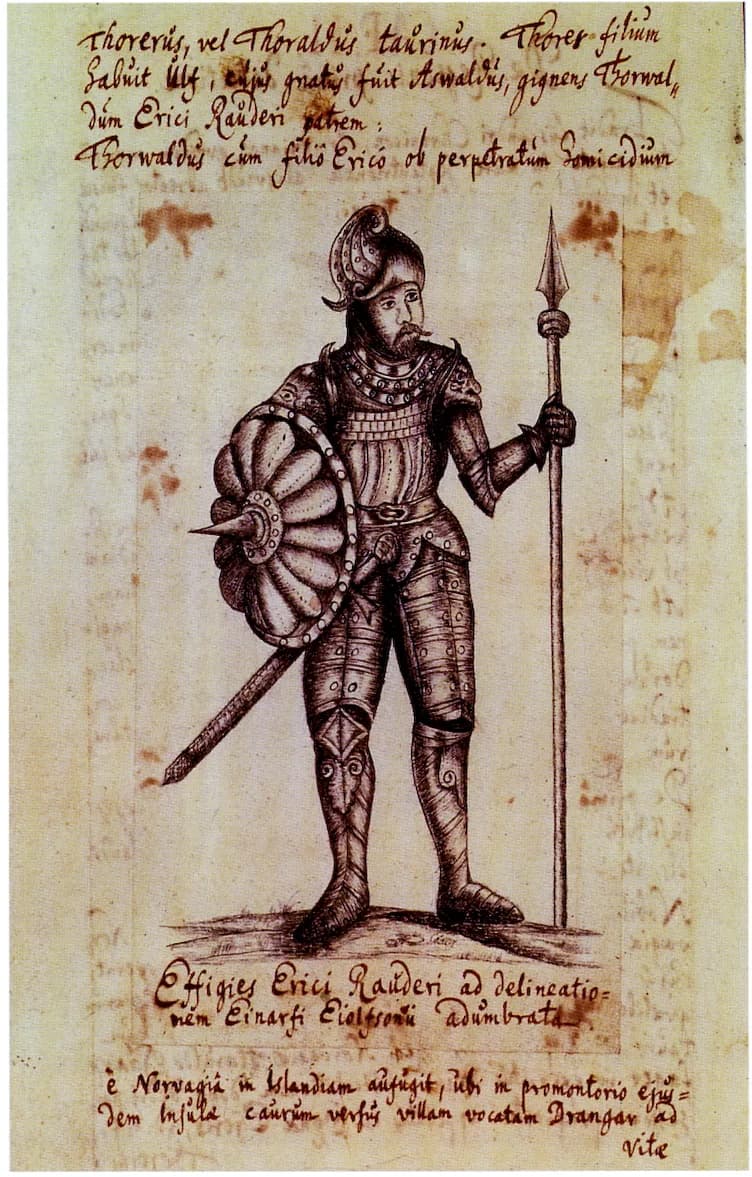
Erik the Red (950–1003) was Norway best known for explorer and founder of the first viking settlement in Greenland.
Erik Thorvaldsson, known as Erik the Red (950-1003), was a Norse explorer from Norway who founded the first European settlement in Greenland. His establishment of the colony at Brattahlíð opened new frontiers for Viking expansion and created a stepping stone for further Norse exploration into North America.
Поглавје
Животни поглавја
Поглавје 1· Поглавје 1 од 7
Early Life and Origins
Erik Thorvaldsson was born on January 1, 950, in Norway during a time when Norse society was expanding rapidly across the North Atlantic. His father, Thorvald, was part of the seafaring culture that would shape Erik's destiny as an explorer. Growing up in the rugged Norwegian landscape, Erik learned the essential skills of navigation, seamanship, and survival that would serve him well in his later expeditions. The harsh Nordic environment of his childhood prepared him for the even more challenging conditions he would face in the unexplored Arctic regions.
Like many young Norse men of his generation, Erik was raised in a warrior culture that valued courage, exploration, and the conquest of new territories. His early education would have included learning to handle weapons, understanding the construction and navigation of longships, and mastering the oral traditions that preserved Norse knowledge of distant lands. These formative years in Norway instilled in him the restless spirit that would drive him to seek new horizons beyond the known world.
Поглавје 2· Поглавје 2 од 7
Career Beginnings
Erik's career as an explorer began during the great age of Viking expansion, when Norse adventurers were pushing the boundaries of the known world ever westward. His early expeditions likely took him to Iceland, which had already been settled by Norse colonists in the previous century. These initial voyages served as training grounds, teaching him the skills needed to navigate the treacherous North Atlantic waters and survive in harsh, isolated environments.
As a young warrior and settler, Erik gained valuable experience in establishing settlements and leading groups of colonists. His roles as both conquistador and explorer meant he needed to balance the military skills necessary for claiming new territory with the practical knowledge required for successful colonization. This combination of martial prowess and settlement expertise would prove essential when he later founded Greenland's first European community.
Поглавје 3· Поглавје 3 од 7
Major Achievements and Career Highlights
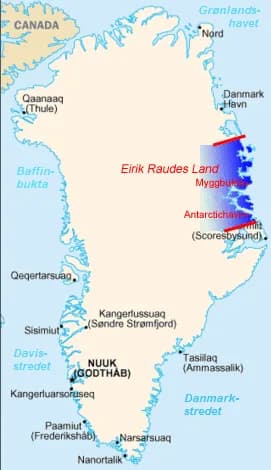
Erik the Red's greatest achievement was the founding of the first Viking settlement in Greenland, a feat that required extraordinary courage and navigational skill. Sailing west from Iceland into completely unknown waters, he discovered and mapped the southern coast of Greenland, identifying suitable locations for permanent settlement. His exploration of this massive island opened up an entirely new frontier for European expansion, extending Norse influence further west than ever before.
The establishment of the settlement at Brattahlíð represented a monumental accomplishment in medieval exploration and colonization. Erik not only discovered habitable land in one of the world's most challenging environments but also successfully organized and led a group of settlers to create a sustainable community. This settlement became the foundation for Norse presence in Greenland that would last for several centuries, serving as a stepping stone for further explorations into North America.
His strategic naming of the territory as "Greenland" demonstrated his understanding of both marketing and leadership. By choosing this appealing name for what was largely an ice-covered landmass, Erik encouraged other settlers to join his colony, ensuring its growth and survival. This decision showed his ability to think beyond mere exploration to the practical needs of building a lasting settlement.
Поглавје 4· Поглавје 4 од 7
Personal Life
Erik made his home at Brattahlíð, the settlement he founded in southern Greenland, where he lived as the leader of the Norse community. His position as the founder and chief of the settlement meant he was responsible not only for its defense and governance but also for maintaining connections with Iceland and Norway. Life in Greenland required constant adaptation to the harsh Arctic climate and the challenges of sustaining a community in such an isolated location.
As a family man living on the frontier of medieval civilization, Erik faced unique challenges in raising children and maintaining Norse cultural traditions in their new homeland. His household at Brattahlíð would have served as both a family residence and the administrative center of the Greenland colony, making his personal life inseparable from his role as a leader and explorer.
Поглавје 5· Поглавје 5 од 7
Notable Works and Contributions
Erik's most significant contribution to history was the mapping and settlement of southern Greenland, opening up new territories for Norse expansion and trade. His detailed knowledge of Greenland's coastline, climate, and resources became essential information for subsequent expeditions and the continued growth of the colony. The routes he established between Greenland, Iceland, and Norway created new pathways for trade and communication across the North Atlantic.
The settlement at Brattahlíð stands as Erik's lasting monument, representing both his practical skills as a colonizer and his vision as an explorer. This community became a center for further exploration, serving as the launching point for expeditions that would eventually reach North America. His work in establishing sustainable farming and hunting practices in Greenland's challenging environment demonstrated innovative approaches to Arctic survival and resource management.
Поглавје 6· Поглавје 6 од 7
Later Years
Erik spent his final years as the respected leader of the Greenland settlement, overseeing its development and expansion. His later career focused on consolidating the colony's position and ensuring its long-term survival in the harsh Arctic environment. As an aging explorer and settlement founder, he shifted from active exploration to governance and community building, using his experience to guide the next generation of Norse settlers.
During this period, Erik worked to establish trade relationships and maintain connections with Iceland and Norway, ensuring that his Greenland colony would not become completely isolated. His leadership during these crucial early years of the settlement proved vital to its initial success and survival. He died on January 1, 1003, at Brattahlíð, the settlement he had founded and led for many years.
Поглавје 7· Поглавје 7 од 7
Legacy and Impact
Erik the Red's legacy lies in his expansion of the medieval world's geographical boundaries and his role in extending European presence into the Arctic. His successful colonization of Greenland represented one of the most ambitious settlement projects of the medieval period, demonstrating the remarkable reach and adaptability of Norse civilization. The colony he founded continued for centuries, influencing trade patterns and cultural exchange across the North Atlantic.
His impact on exploration history extends beyond his own achievements to the opportunities he created for future expeditions. The Greenland settlement served as a crucial waystation for later Norse voyages to North America, making Erik an indirect contributor to some of the earliest European contacts with the New World. His example of successful Arctic colonization provided a model for later European expansion into challenging northern territories, influencing exploration strategies for generations to come.
Живот во моменти
Моментите што го обликувале еден живот
ЧПП
Често поставувани
Кога почина Erik the Red?
Erik the Red почина на 1 јануари 1003 г. во Brattahlíð, Greenland, на возраст од 53 години.
Каде е роден(а) Erik the Red?
Erik the Red е роден(а) во Norway, Norway на 1 јануари 950 г..
По што е најпознат(а) Erik the Red?
Erik the Red е најпознат(а) по explorer and founder of the first viking settlement in Greenland.
Колку години имаше Erik the Red во моментот на смртта?
Erik the Red имаше 53 години во моментот на смртта.
Од која националност беше Erik the Red?
Erik the Red беше од Norway.
Галерија со фотографии
Живот во слики
Кликнете на која било полароид фотографија за да ја прошириете · 49 фотографии
QR код
Споделете ја оваа биографија
Печати и сподели
Скенирајте за да ја посетите оваа биографска страница. Печатете за настани, изложби или образовни материјали.