Роден
December 8, 1701
Uppsala, Sweden
Починал
May 6, 1744
Uppsala, Sweden
Познат по
Swedish astronomer, physicist, and naturalist
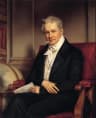
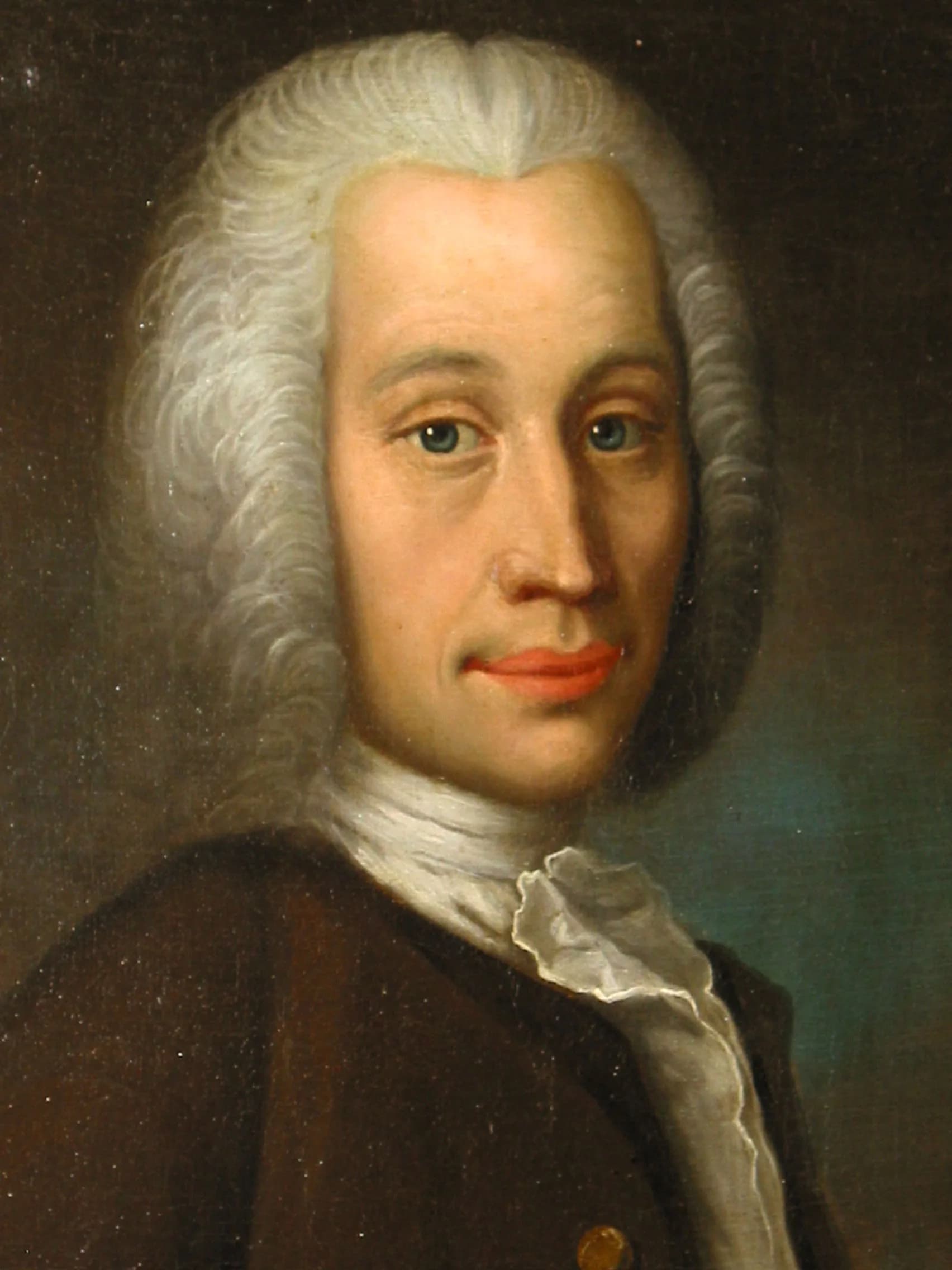
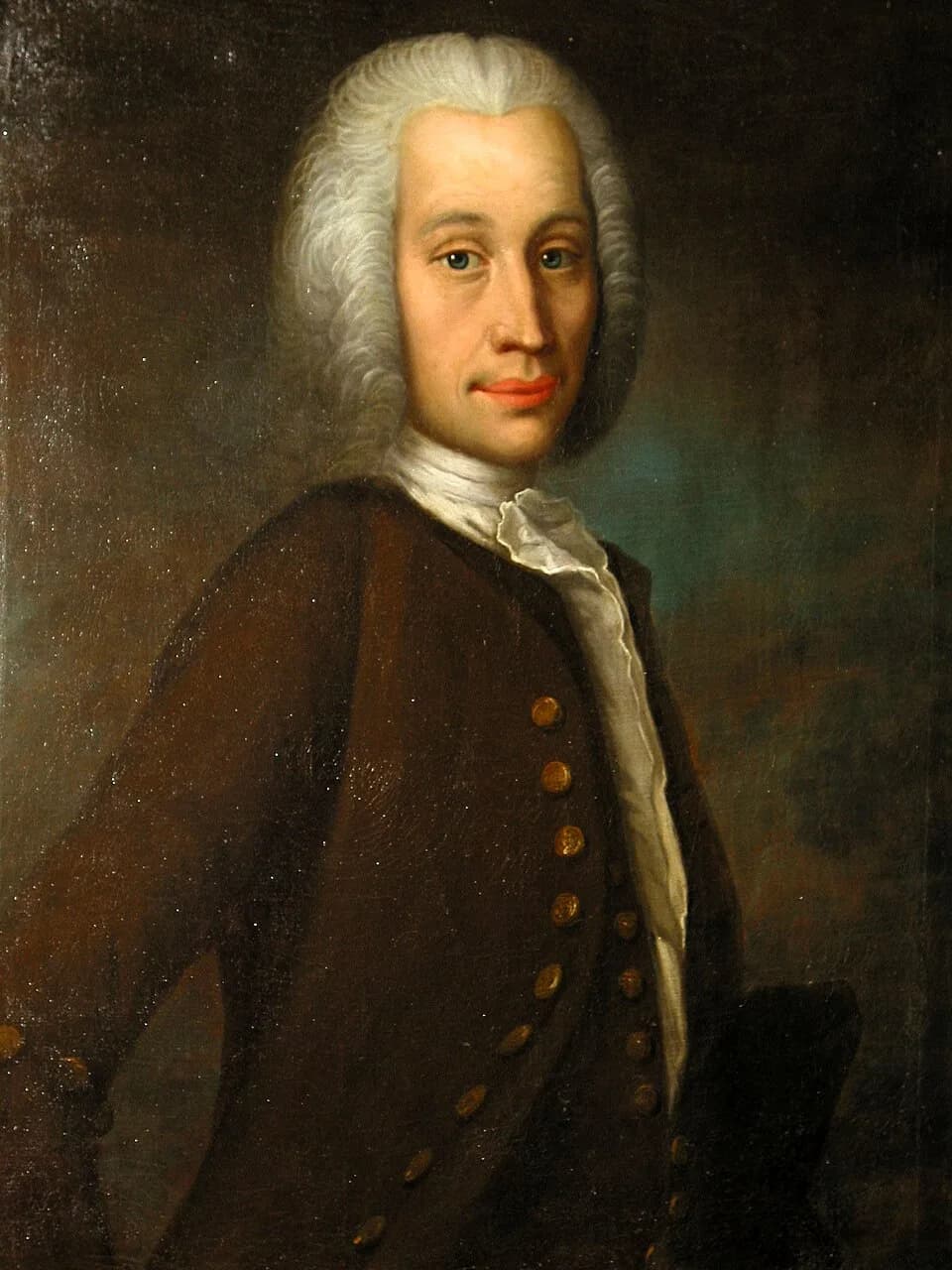
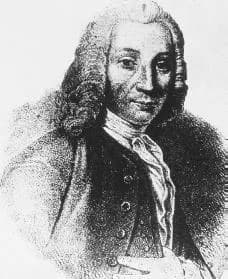
Anders Celsius (1701–1744) was Sweden best known for Swedish astronomer, physicist, and naturalist.
Anders Celsius (December 8, 1701 – May 6, 1744) was a Swedish astronomer, physicist, and naturalist from Uppsala, Sweden. He founded the Uppsala Astronomical Observatory and proposed the centigrade temperature scale, later named Celsius in his honor. His work profoundly shaped meteorology and scientific measurement.
Поглавје
Животни поглавја
Поглавје 1 · 1701· Поглавје 1 од 6
Early Life and Origins
Anders Celsius was born on December 8, 1701, in Uppsala, Sweden, a city that would remain central to his life and professional career. His origins in Uppsala placed him within a vibrant academic environment, which undoubtedly fostered his early intellectual development and curiosity. He spent his entire life rooted in this academic hub, returning to his birthplace for his final years after extensive scientific travels.
Поглавје 2 · 1730· Поглавје 2 од 6
Career Beginnings
Celsius's academic journey saw him appointed as a professor of astronomy at Uppsala University in 1730, a prestigious position he held with distinction until 1744. This period marked the official beginning of his significant contributions to the scientific community and established his prominence. Between 1732 and 1735, he embarked on extensive travels, visiting notable observatories across Germany, Italy, and France to broaden his knowledge and engage with contemporary scientific practices, enriching his perspective and informing his later endeavors at Uppsala.
Поглавје 3 · 1741· Поглавје 3 од 6
Major Achievements and Career Highlights
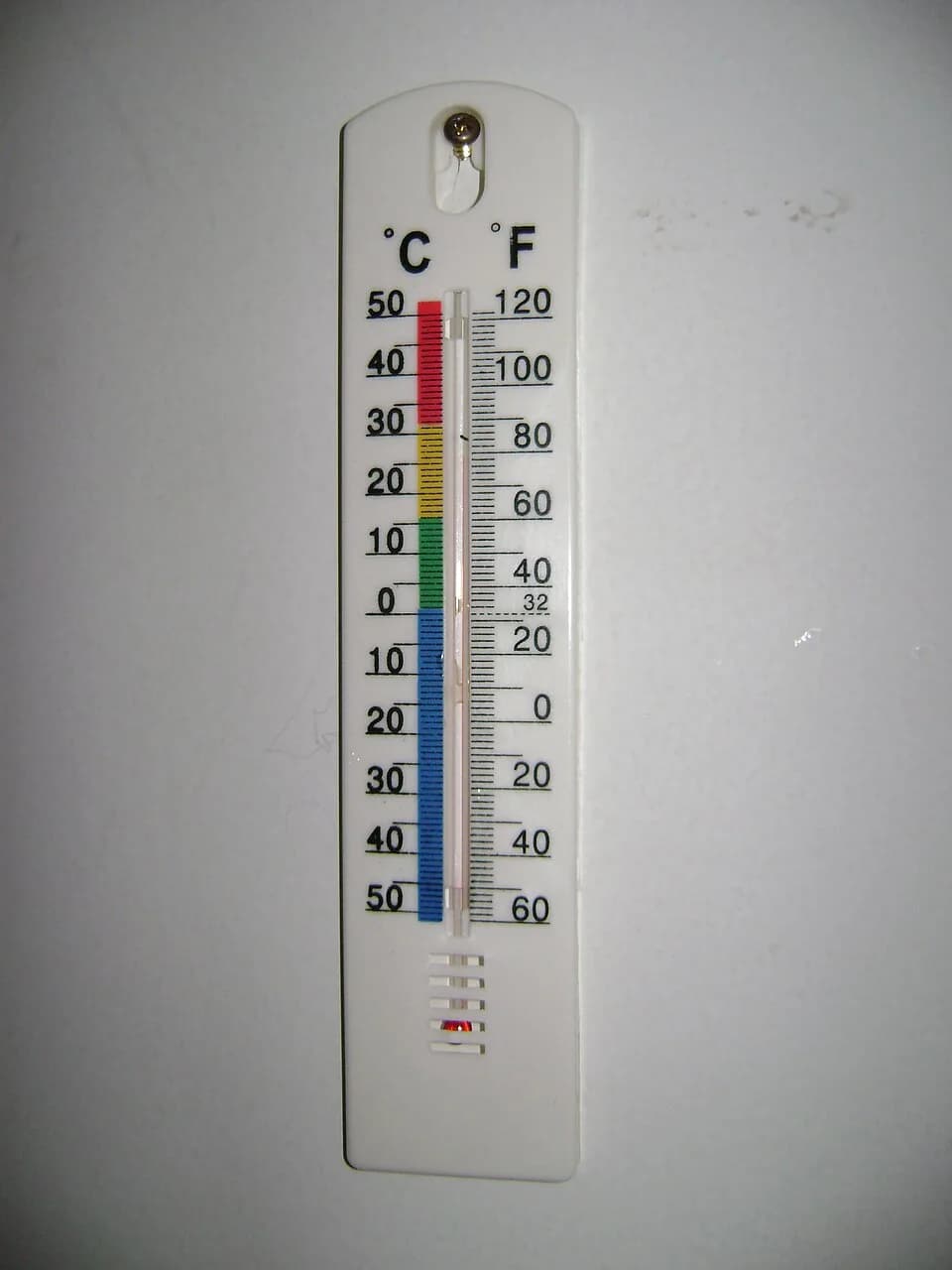
Among Celsius's most significant achievements was the establishment of the Uppsala Astronomical Observatory in 1741, a facility that solidified the university's role in astronomical research. This initiative demonstrated his vision for advancing scientific infrastructure and observational capabilities in Sweden. Just a year later, in 1742, he proposed the centigrade temperature scale, a revolutionary system that eventually gained global acceptance. This innovative scale, originally set with 0 degrees for boiling water and 100 degrees for freezing water, was later inverted and renamed "Celsius" in his honor, becoming a universal standard for temperature measurement.
Поглавје 4 · 1730· Поглавје 4 од 6
Notable Works or Contributions
Anders Celsius's intellectual output included a range of academic publications that reflect his diverse scientific interests and careful observations. Among the works documented under his name is "CCCXVI. Observationes de lumine Boreali, ab a. MDCCXVI. ad a. MDCCXXXII. partim a se, partim ab aliis, in Svecia habitas," which details extensive observations of the Aurora Borealis in Sweden. Other contributions include "Extracts from Acta Literaria et Scientiarum Sveciæ, Volumen Tertium (1730–1734)" and "Extracts from Acta Literaria Sveciae, Volumen Secundum (1725–1729)," both indicating his active participation in contemporary scientific discourse and publication.
While some modern academic indexing lists a comparative work titled "Gabriel Daniel Fahrenheit, René-Antoine Ferchault de Réaumur, Anders Celsius" from 1984, this publication highlights his enduring importance in the history of thermometry alongside other pioneers. These documented works underscore Celsius's dedication to empirical research and the dissemination of scientific knowledge. His contributions to meteorology, through his work on temperature and atmospheric phenomena, were also particularly impactful for his time.
Поглавје 5 · 1744· Поглавје 5 од 6
Later Years
Celsius continued his professorship at Uppsala University until his passing, maintaining his commitment to education and research. His later years were marked by the ongoing development of the observatory he established and the initial recognition of his work on thermometry. He passed away on May 6, 1744, in Uppsala, Sweden, the same city where he was born and dedicated his life to scientific discovery and teaching.
Поглавје 6· Поглавје 6 од 6
Legacy and Impact
The scientific world continues to benefit profoundly from Anders Celsius's pioneering work, particularly his development of the centigrade temperature scale. This invention transformed scientific measurement and everyday life, establishing a clear and logical system that is still in use worldwide today. Beyond thermometry, his multifaceted roles as an astronomer, physicist, mathematician, inventor, chemist, university teacher, and meteorologist underscore his broad scientific influence.
His foresight in founding the Uppsala Astronomical Observatory also ensured a lasting institutional contribution to Swedish scientific research for generations to come, providing a base for continued astronomical studies. Celsius's legacy is one of intellectual curiosity, rigorous observation, and a fundamental contribution to global scientific standards. His name remains synonymous with temperature measurement, a fitting tribute to his lasting scientific achievements.
Живот во моменти
Моментите што го обликувале еден живот

ЧПП
Често поставувани
Кога почина Anders Celsius?
Anders Celsius почина на 6 мај 1744 г. во Uppsala, Sweden, на возраст од 42 години.
Каде е роден(а) Anders Celsius?
Anders Celsius е роден(а) во Uppsala, Sweden на 8 декември 1701 г..
По што е најпознат(а) Anders Celsius?
Anders Celsius е најпознат(а) по Swedish astronomer, physicist, and naturalist.
Колку години имаше Anders Celsius во моментот на смртта?
Anders Celsius имаше 42 години во моментот на смртта.
Од која националност беше Anders Celsius?
Anders Celsius беше од Sweden.
Хронологија
Живот во преглед
Галерија со фотографии
Живот во слики
Кликнете на која било полароид фотографија за да ја прошириете · 50 фотографии
QR код
Споделете ја оваа биографија
Печати и сподели
Скенирајте за да ја посетите оваа биографска страница. Печатете за настани, изложби или образовни материјали.