Dzimis
July 2, 1876
Suhl, Germany
Miris
January 3, 1933
Aumühle, Germany
Pazīstams ar
German chancellor
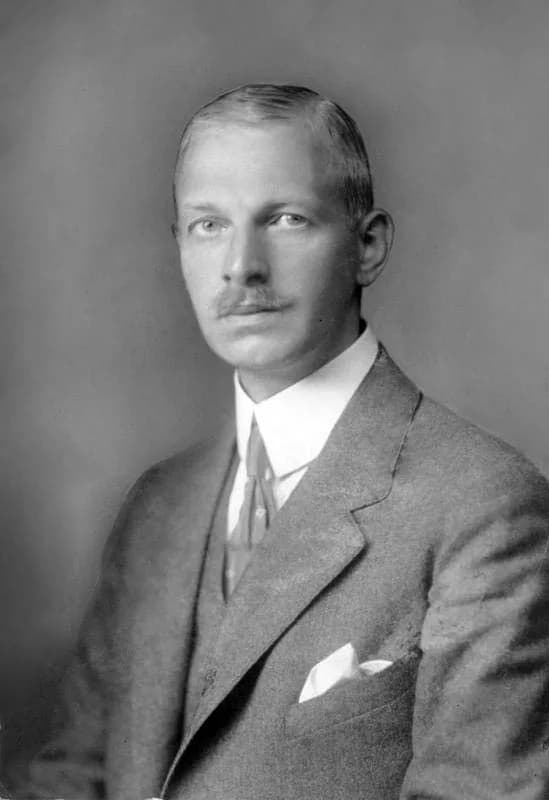
Wilhelm Cuno (1876–1933) was Germany best known for German chancellor.
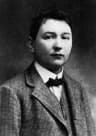
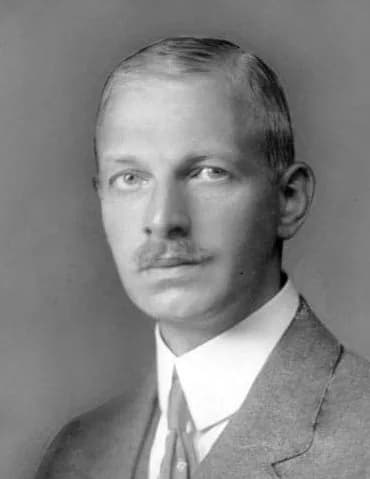
Wilhelm Cuno (July 2, 1876 – January 3, 1933) was a German politician and jurist from Suhl, Germany. He served as German Chancellor from 1922 to 1923, a period marked by the Ruhr occupation and accelerating hyperinflation. His brief tenure highlights a challenging era in German history.
Nodaļa
Dzīves nodaļas
Nodaļa 1 · 1876· Nodaļa 1 no 7
Wilhelm Cuno: A Life of Service
Wilhelm Carl Josef Cuno, born on July 2, 1876, and passed away on January 3, 1933, was a significant German politician and jurist. He is best remembered for his tenure as the German Chancellor from 1922 to 1923. His brief but impactful period as Chancellor occurred during a particularly turbulent time for Germany.
Nodaļa 2 · 1876· Nodaļa 2 no 7
Early Life and Origins
Wilhelm Cuno was born in Suhl, Germany, on July 2, 1876. His early life unfolded in a nation undergoing significant transformations. Details of his family and early upbringing are not widely documented, yet his path led him toward a distinguished career in law and public service. He pursued studies that prepared him for a role as a jurist.
Nodaļa 3· Nodaļa 3 no 7
Career Beginnings
Cuno began his professional life as a jurist, laying a strong foundation in legal principles and governance. This initial profession likely equipped him with a disciplined approach to complex national issues. Subsequently, he transitioned into the world of business, becoming a recognized German businessman. This blend of legal and business experience prepared him for higher political office.
Nodaļa 4 · 1922· Nodaļa 4 no 7
Major Achievements and Career Highlights
Wilhelm Cuno's most prominent role was serving as the Chancellor of Germany. He held this high office from 1922 to 1923, a period lasting 264 days. His time as Chancellor was marked by severe national challenges. One significant event was the beginning of the occupation of the Ruhr region by French and Belgian troops.
During Cuno's chancellorship, Germany also experienced an alarming acceleration of inflation. This economic crisis quickly spiraled towards hyperinflation, deeply impacting the daily lives of German citizens. Despite these immense difficulties, Cuno led the government through these turbulent circumstances, demonstrating resilience as a politician during a critical year.
Nodaļa 5· Nodaļa 5 no 7
Notable Works or Contributions
While specific written works or inventions by Wilhelm Cuno are not detailed in historical records, his primary contribution lay in his dedicated service as Chancellor. His efforts focused on guiding Germany through the immediate post-World War I period. He navigated complex domestic and international pressures with his extensive background as a jurist and businessman. His work during this era highlights his commitment to the nation.
Nodaļa 6 · 1923· Nodaļa 6 no 7
Later Years
Wilhelm Cuno's public service as Chancellor concluded in 1923. He continued his life in Germany following his chancellorship. He passed away on January 3, 1933, in Aumühle, Germany. His life concluded shortly before another major political shift in Germany, marking the end of an era for a dedicated public servant.
Nodaļa 7· Nodaļa 7 no 7
Legacy and Impact
Wilhelm Cuno's legacy is tied to a critical period in German history. As Chancellor, he confronted the occupation of the Ruhr and the escalating hyperinflation. These events profoundly shaped Germany's future and tested its leadership. Though his tenure was brief, it represented a significant chapter in the struggles of the Weimar Republic.
His efforts as a politician during these trying times are an important part of the historical record. Cuno’s chancellorship illustrates the severe challenges faced by Germany in the early 1920s. His role provides insight into the political and economic instability that defined post-World War I Germany, leaving a lasting mark on the historical understanding of the era.
Dzīve mirkļos
Mirkļi, kas veidoja dzīvi
BUJ
Biežāk uzdotie
Kad nomira Wilhelm Cuno?
Wilhelm Cuno nomira 1933. gada 3. janvāris Aumühle, Germany 56 gadu vecumā.
Kur dzima Wilhelm Cuno?
Wilhelm Cuno dzima Suhl, Germany 1876. gada 2. jūlijs.
Ar ko Wilhelm Cuno ir vislabāk pazīstams(a)?
Wilhelm Cuno ir vislabāk pazīstams(a) ar German chancellor.
Cik gadu bija Wilhelm Cuno nāves brīdī?
Wilhelm Cuno nāves brīdī bija 56 gadus vecs(a).
Kādas tautības bija Wilhelm Cuno?
Wilhelm Cuno bija no Germany.
Laika līnija
Dzīve īsumā
Fotogalerija
Dzīve attēlos
Noklikšķiniet uz jebkura polaroīda, lai izvērstu · 20 fotoattēli
QR kods
Dalīties ar šo biogrāfiju
Drukāt un dalīties
Skenējiet, lai apmeklētu šo biogrāfijas lapu. Drukājiet pasākumiem, izstādēm vai izglītības materiāliem.