Dzimis
January 27, 1848
Kajiya-chō, Japan
Miris
May 30, 1934
Banchō, Japan
Pazīstams ar
Japanese admiral of the fleet
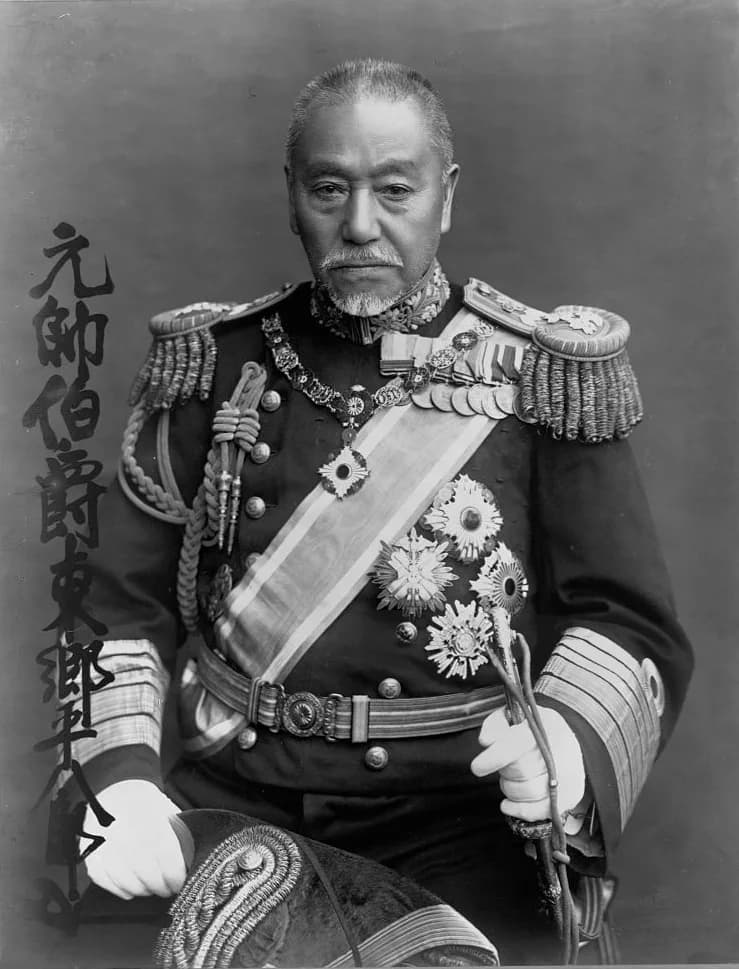
Tōgō Heihachirō (1848–1934) was Japan best known for Japanese admiral of the fleet.
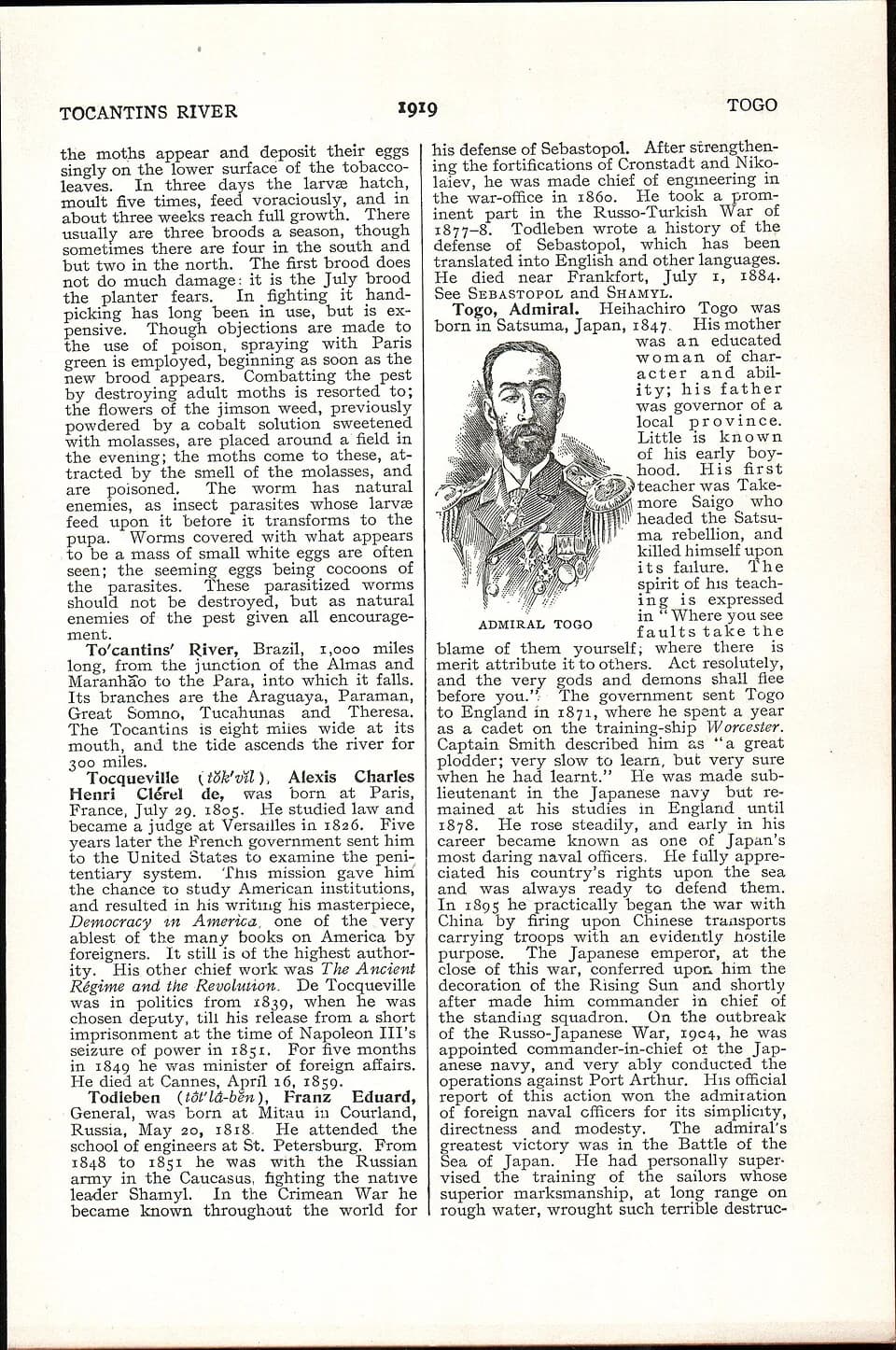
Tōgō Heihachirō (January 27, 1848 – May 30, 1934) was a Japanese admiral of the fleet, samurai, politician, and military officer. He led the Combined Fleet to a decisive victory during the Russo-Japanese War, notably at the Battle of Tsushima in May 1905. Revered as "the Nelson of the East," he remains a national hero in Japan.
Dzīve mirkļos
Mirkļi, kas veidoja dzīvi
Nodaļa
Dzīves nodaļas
Nodaļa 2 · 1904· Nodaļa 2 no 5
The Russo-Japanese War and Strategic Genius
Tōgō Heihachirō rose to international prominence as the Commander-in-Chief of the Combined Fleet during the pivotal Russo-Japanese War of 1904–1905. In this critical role, he demonstrated exceptional strategic foresight and tactical prowess in navigating complex naval operations.
His initial and crucial success involved effectively confining the powerful Russian Pacific naval forces to Port Arthur. This strategic containment prevented the Russian fleet from interfering with Japanese land operations and naval movements, thereby setting the stage for future victories and demonstrating his early strategic command.
Nodaļa 3 · 1905· Nodaļa 3 no 5
The Decisive Victory at Tsushima
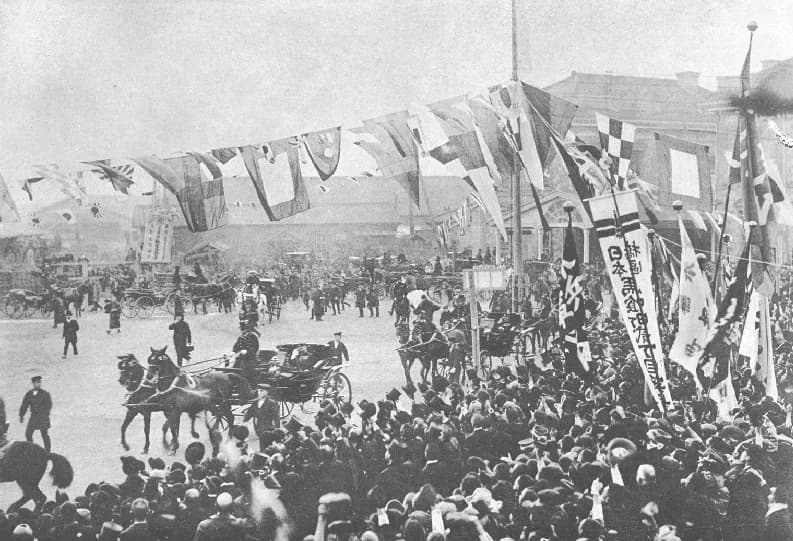
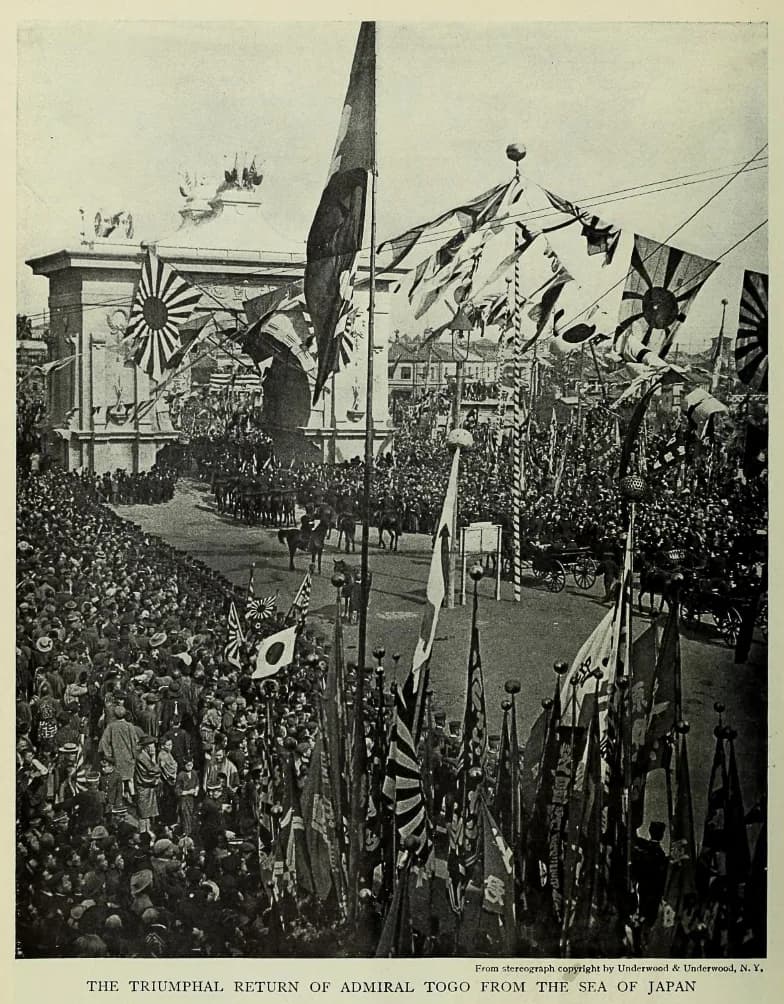
The zenith of Tōgō's career arrived in May 1905 with the Battle of Tsushima, where he orchestrated a decisive victory over a relieving Russian fleet. This monumental naval engagement showcased his tactical mastery and the superior training of the Imperial Japanese Navy under his command.
The overwhelming defeat of the Russian fleet at Tsushima solidified Japan's position as a major naval power and brought international acclaim to Admiral Tōgō. Western journalists, in recognition of his tactical brilliance and epoch-making victory, famously dubbed him "the Nelson of the East," drawing parallels to the legendary British admiral.
Nodaļa 4· Nodaļa 4 no 5
Recognition and Later Life
Following his historic triumphs, Tōgō Heihachirō was elevated to the rank of gensui, or admiral of the fleet, the highest honour in the Imperial Japanese Navy. His strategic achievements during the Russo-Japanese War brought him widespread recognition and admiration both within Japan and across the globe.
He lived until May 30, 1934, passing away in Banchō, Japan, at the age of 86, after a lifetime dedicated to his nation's defense and advancement. His long life allowed him to witness the lasting impact of his contributions to Japanese naval power.
Nodaļa 5· Nodaļa 5 no 5
Lasting Legacy and National Hero
To this day, Tōgō Heihachirō remains deeply revered as a national hero throughout Japan. His name is synonymous with naval excellence, strategic genius, and national pride.
The enduring respect for his accomplishments is visibly manifested in the numerous shrines and streets that bear his name, serving as constant reminders of his historical significance. His legacy continues to inspire, embodying the spirit of determination and strategic brilliance that marked Japan's emergence as a global power.
BUJ
Biežāk uzdotie
Kad nomira Tōgō Heihachirō?
Tōgō Heihachirō nomira 1934. gada 30. maijs Banchō, Japan 86 gadu vecumā.
Kur dzima Tōgō Heihachirō?
Tōgō Heihachirō dzima Kajiya-chō, Japan 1848. gada 27. janvāris.
Ar ko Tōgō Heihachirō ir vislabāk pazīstams(a)?
Tōgō Heihachirō ir vislabāk pazīstams(a) ar Japanese admiral of the fleet.
Cik gadu bija Tōgō Heihachirō nāves brīdī?
Tōgō Heihachirō nāves brīdī bija 86 gadus vecs(a).
Kādas tautības bija Tōgō Heihachirō?
Tōgō Heihachirō bija no Japan.
Laika līnija
Dzīve īsumā
Fotogalerija
Dzīve attēlos
Noklikšķiniet uz jebkura polaroīda, lai izvērstu · 22 fotoattēli
QR kods
Dalīties ar šo biogrāfiju
Drukāt un dalīties
Skenējiet, lai apmeklētu šo biogrāfijas lapu. Drukājiet pasākumiem, izstādēm vai izglītības materiāliem.