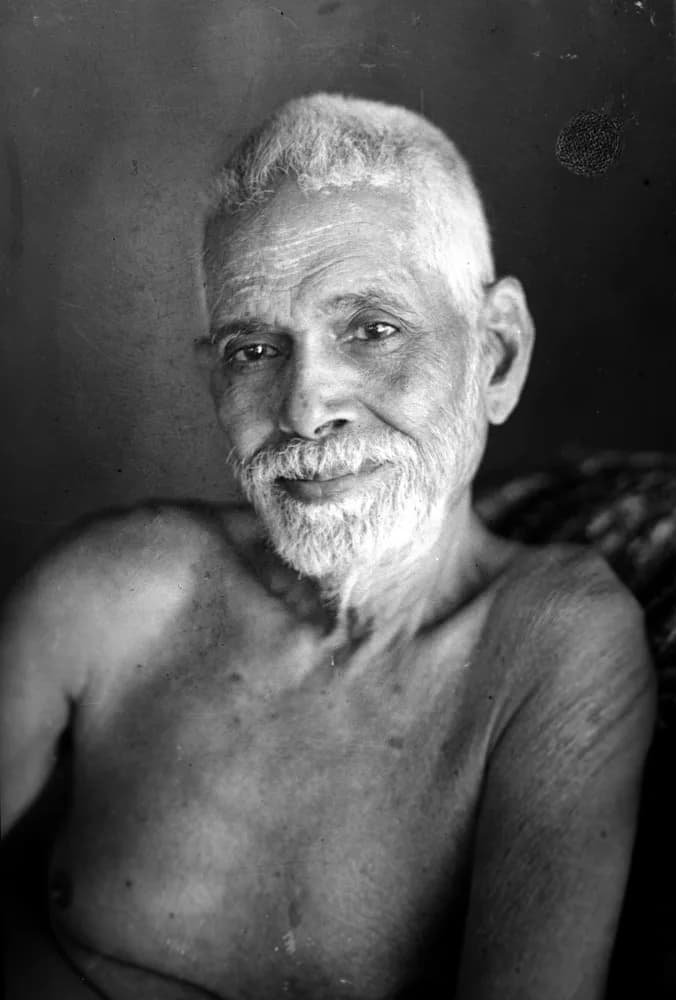
Dzimis
December 30, 1879
Tiruchuli Assembly constituency, India
Miris
April 14, 1950
Sri Ramana Ashram, India
Pazīstams ar
Indian spiritual teacher
Ramana Maharshi (1879–1950) was India best known for Indian spiritual teacher.
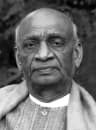
Ramana Maharshi (December 30, 1879 – April 14, 1950) was an Indian spiritual teacher and philosopher from Tiruchuli Assembly constituency, India. He was known as a revered Hindu sage and jivanmukta, offering teachings centered on self-inquiry. His profound wisdom continues to inspire spiritual seekers worldwide.
Nodaļa
Dzīves nodaļas
Nodaļa 1 · 1879· Nodaļa 1 no 7
Early Life and Origins
Ramana Maharshi was born Venkataraman Iyer on December 30, 1879, in the Tiruchuli Assembly constituency, India. His early life was spent in a traditional South Indian environment, providing the foundation for his later spiritual awakening. This period of his life was significant as it preceded a transformative personal experience that would set him on his unique path.
Nodaļa 2· Nodaļa 2 no 7
Spiritual Awakening and Early Teachings
His spiritual journey began with an intense experience of death that led to a deep realization of his true nature, fundamentally shifting his perspective on life. Following this, he was drawn to the sacred mountain Arunachala, a place that would become central to his existence. It was here that he quietly commenced his life as a spiritual renunciate, attracting followers who recognized his profound state of realization.
Nodaļa 3· Nodaļa 3 no 7
Major Achievements and Spiritual Guidance
As Bhagavan Sri Ramana Maharshi, he became a beacon for those seeking spiritual truth, offering guidance without formal initiations or complex rituals. His primary teaching method involved answering questions and simply being, allowing his presence to transmit peace and understanding. The Sri Ramana Ashram, established around his presence, became a significant center for spiritual practice and learning, where people from diverse backgrounds sought his wisdom.
Nodaļa 4· Nodaļa 4 no 7
Philosophical Contributions
Ramana Maharshi's philosophy emphasized the direct path of self-inquiry, encapsulated by the question "Who am I?". He taught that persistent inquiry into the source of the 'I'-thought ultimately leads to the realization of one's true, unbound Self. This simple yet profound approach offered a direct means to liberation, bypassing many layers of traditional spiritual practice.
Nodaļa 5· Nodaļa 5 no 7
Notable Works and Bibliography
Ramana Maharshi expressed his insights through a collection of writings and compiled teachings that continue to guide spiritual aspirants. Among his notable works are 'How to Live a Life that Knows Only Love,' 'Letters from the Yoga Masters,' and 'Quotes on the Art of Life.' These volumes offer direct access to his practical wisdom and profound spiritual understanding.
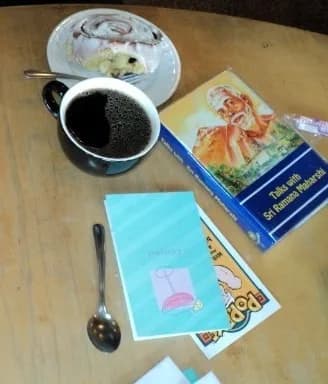
His bibliography further includes 'Enseñanzas espirituales,' and the multi-volume 'Dialogos con Ramana Maharshi I, II, and III,' showcasing the extensive dialogues he held with his devotees. He also contributed 'Five hymns to Arunachala and other poems of Bhagavan Sri Ramana Maharshi,' demonstrating his devotion through poetic expression, alongside 'Ramana music.' Academically, his influence is seen in publications like 'Talks with Ramana Maharshi: On Realizing Abiding Peace and Happiness,' which garnered 14 citations and remains a primary resource for his teachings.
Nodaļa 6 · 1950· Nodaļa 6 no 7
Later Years and Final Days
Ramana Maharshi spent his later years at the Sri Ramana Ashram, located at the foot of Arunachala, where he continued to receive visitors and offer his silent presence and teachings. Despite declining health, his equanimity remained unbroken, serving as a living example of his philosophy. He passed away peacefully on April 14, 1950, at the Sri Ramana Ashram in India, a place he had made his home for decades.
Nodaļa 7· Nodaļa 7 no 7
Legacy and Lasting Impact
The legacy of Ramana Maharshi is immense, continuing to shape modern spirituality and philosophy. His straightforward path of self-inquiry has resonated with individuals across cultures and traditions, making his teachings timeless. He is remembered not only as a profound spiritual teacher and philosopher but also as a living embodiment of the truth he taught, influencing countless lives through his example and his written works.
Dzīve mirkļos
Mirkļi, kas veidoja dzīvi
BUJ
Biežāk uzdotie
Kad nomira Ramana Maharshi?
Ramana Maharshi nomira 1950. gada 14. aprīlis Sri Ramana Ashram, India 70 gadu vecumā.
Kur dzima Ramana Maharshi?
Ramana Maharshi dzima Tiruchuli Assembly constituency, India 1879. gada 30. decembris.
Ar ko Ramana Maharshi ir vislabāk pazīstams(a)?
Ramana Maharshi ir vislabāk pazīstams(a) ar Indian spiritual teacher.
Cik gadu bija Ramana Maharshi nāves brīdī?
Ramana Maharshi nāves brīdī bija 70 gadus vecs(a).
Kādas tautības bija Ramana Maharshi?
Ramana Maharshi bija no India.
Laika līnija
Dzīve īsumā
Fotogalerija
Dzīve attēlos
Noklikšķiniet uz jebkura polaroīda, lai izvērstu · 49 fotoattēli
QR kods
Dalīties ar šo biogrāfiju
Drukāt un dalīties
Skenējiet, lai apmeklētu šo biogrāfijas lapu. Drukājiet pasākumiem, izstādēm vai izglītības materiāliem.