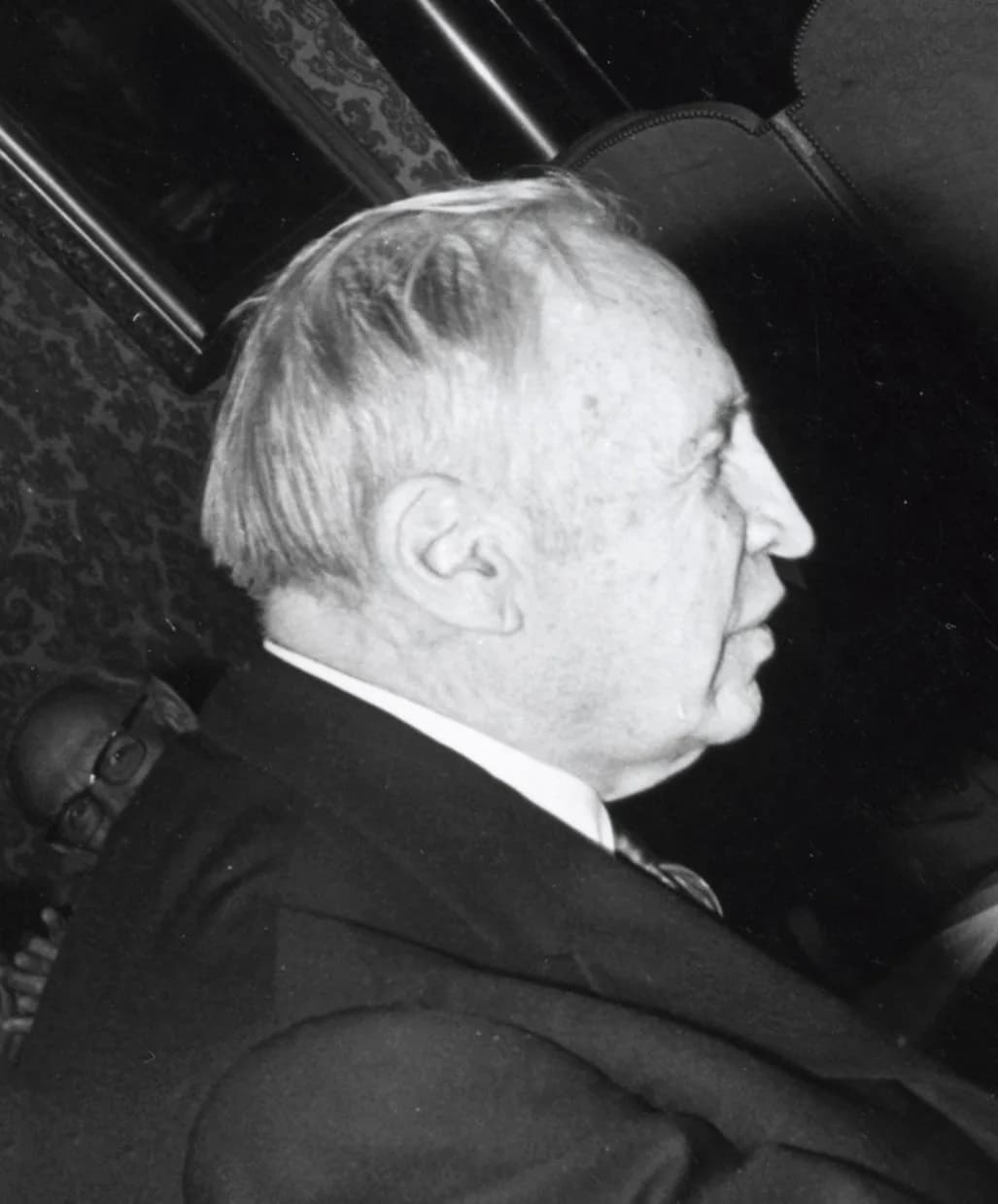
Dzimis
February 25, 1950
Río Gallegos, Argentina
Miris
October 27, 2010
El Calafate, Argentina
Pazīstams ar
President of Argentina from 2003 to 2007
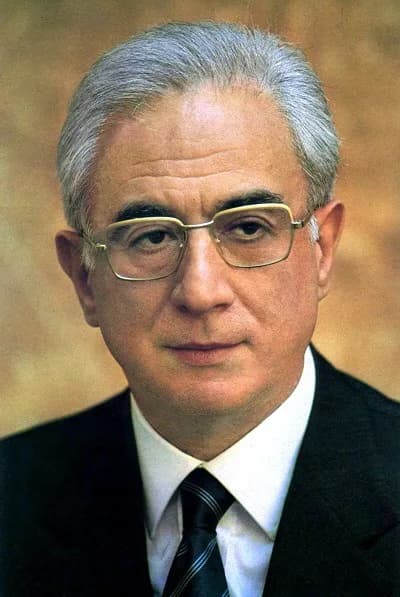
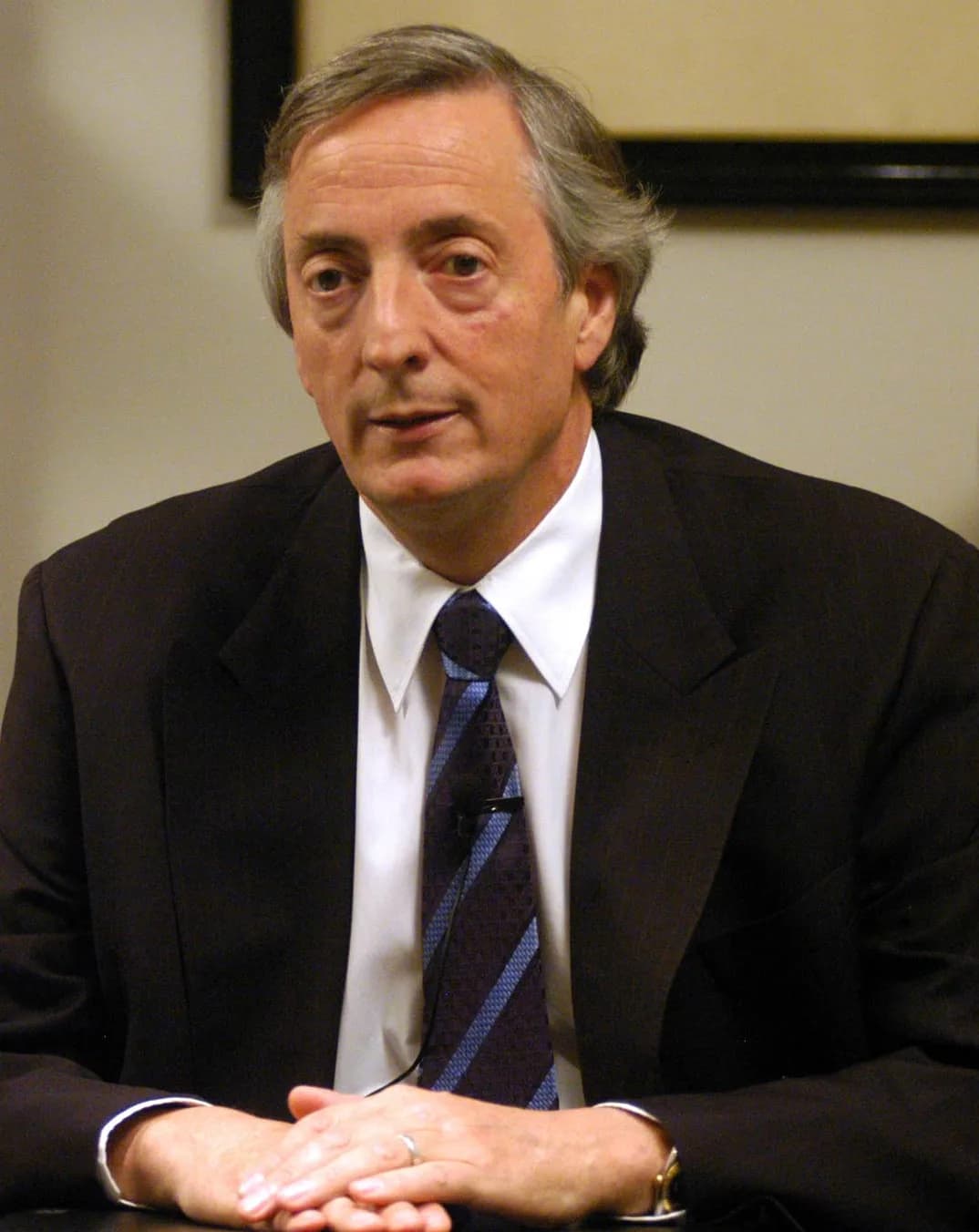
Néstor Kirchner (1950–2010) was Argentina best known for President of Argentina from 2003 to 2007.
Néstor Carlos Kirchner Ostoić (February 25, 1950 – October 27, 2010) was an Argentine lawyer and politician. He served as President of Argentina from 2003 to 2007, having previously been Governor of Santa Cruz Province. His political approach, known as Kirchnerism, left a lasting mark on the nation.
Dzīve mirkļos
Mirkļi, kas veidoja dzīvi

Nodaļa
Dzīves nodaļas
Nodaļa 1 · 1950· Nodaļa 1 no 7
Early Life and Origins
Néstor Kirchner's journey began in Río Gallegos, a city in the Patagonian province of Santa Cruz, Argentina. Born in 1950, his formative years were spent in this southern region of the country. This upbringing in Río Gallegos would undoubtedly influence his understanding of regional needs and national identity.
Nodaļa 2 · 1987· Nodaļa 2 no 7
Career Beginnings
Trained as a lawyer, Kirchner entered the public sphere through local governance. His initial significant political role was serving as the mayor of his hometown, Río Gallegos, a position he held from 1987 to 1991. This experience at the municipal level provided him with foundational insights into the workings of government and community engagement.
Building on his municipal success, Kirchner then ascended to the role of Governor of Santa Cruz Province. He held this important regional leadership position for a substantial period, from 1991 to 2003, demonstrating a consistent commitment to public service and political stewardship within his home province. During these years, he solidified his standing within the Justicialist Party, preparing him for national leadership.
Nodaļa 3 · 2003· Nodaļa 3 no 7
Major Achievements and Career Highlights
The pinnacle of Néstor Kirchner's political career arrived when he was elected President of Argentina, serving from 2003 to 2007. His presidency marked a significant era for the nation, guiding Argentina through a period of recovery and redefinition following economic challenges. He brought a distinct ideological approach to the presidential office.
As president, Kirchner identified himself as both a Peronist and a progressive, weaving these philosophies into his governance. His political strategy and vision became widely known as "Kirchnerism," a term that continues to characterize a particular style of Argentine politics and economic policy. This approach aimed to address social and economic inequalities while asserting national sovereignty.
Nodaļa 4· Nodaļa 4 no 7
Personal Life
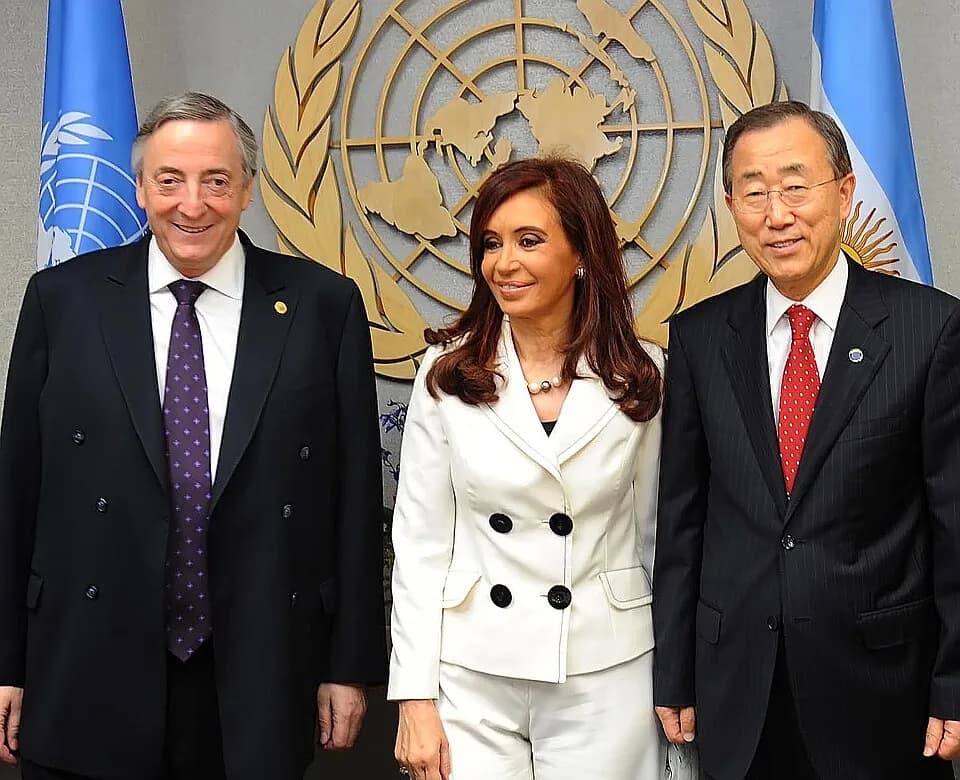
Néstor Kirchner was married to Cristina Fernández de Kirchner, who would herself go on to hold the nation's highest office. Following his own presidency, and during the early tenure of his wife, Kirchner took on a unique role. He served as the first person in Argentina to hold the title of "first gentleman," a testament to his continued involvement in public life and support for his spouse's leadership.
Nodaļa 5· Nodaļa 5 no 7
Notable Works or Contributions
Kirchner's primary contributions stemmed from his leadership roles, particularly his transformative presidency. The implementation of his "Kirchnerism" ideology saw significant shifts in national policy and economic direction. This political framework became a defining feature of his time in office and continued to influence subsequent administrations.
His tenure as Governor of Santa Cruz Province for twelve years also represented a substantial contribution to regional development and administration. From 1991 to 2003, he enacted policies and managed the province, laying groundwork that shaped its future. These years as governor were crucial in building his political platform and demonstrating his governance capabilities.
Nodaļa 6 · 2007· Nodaļa 6 no 7
Later Years
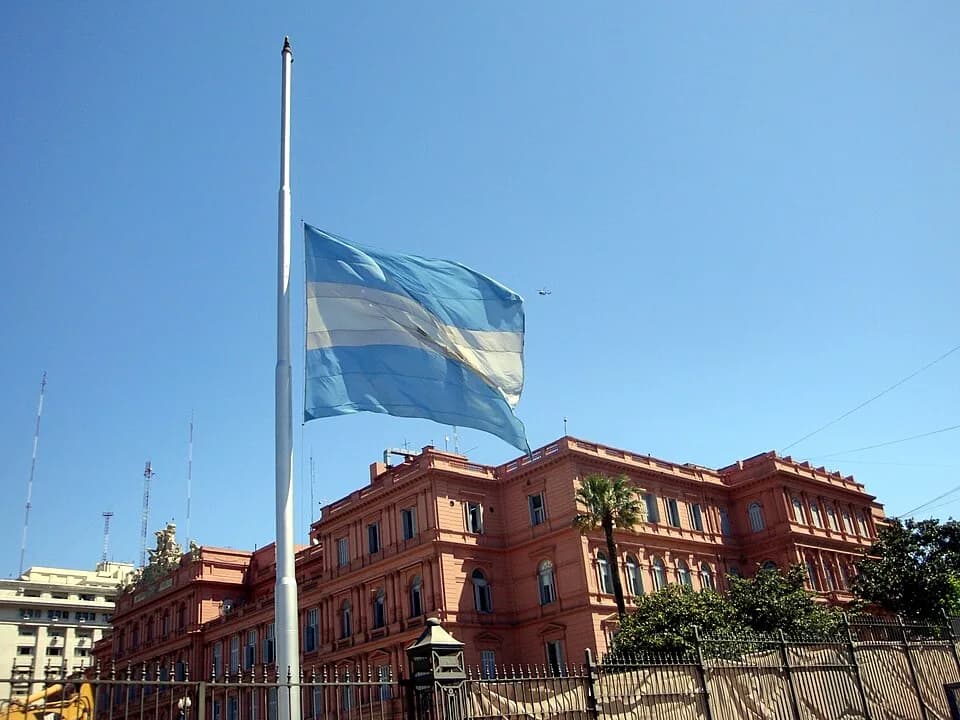
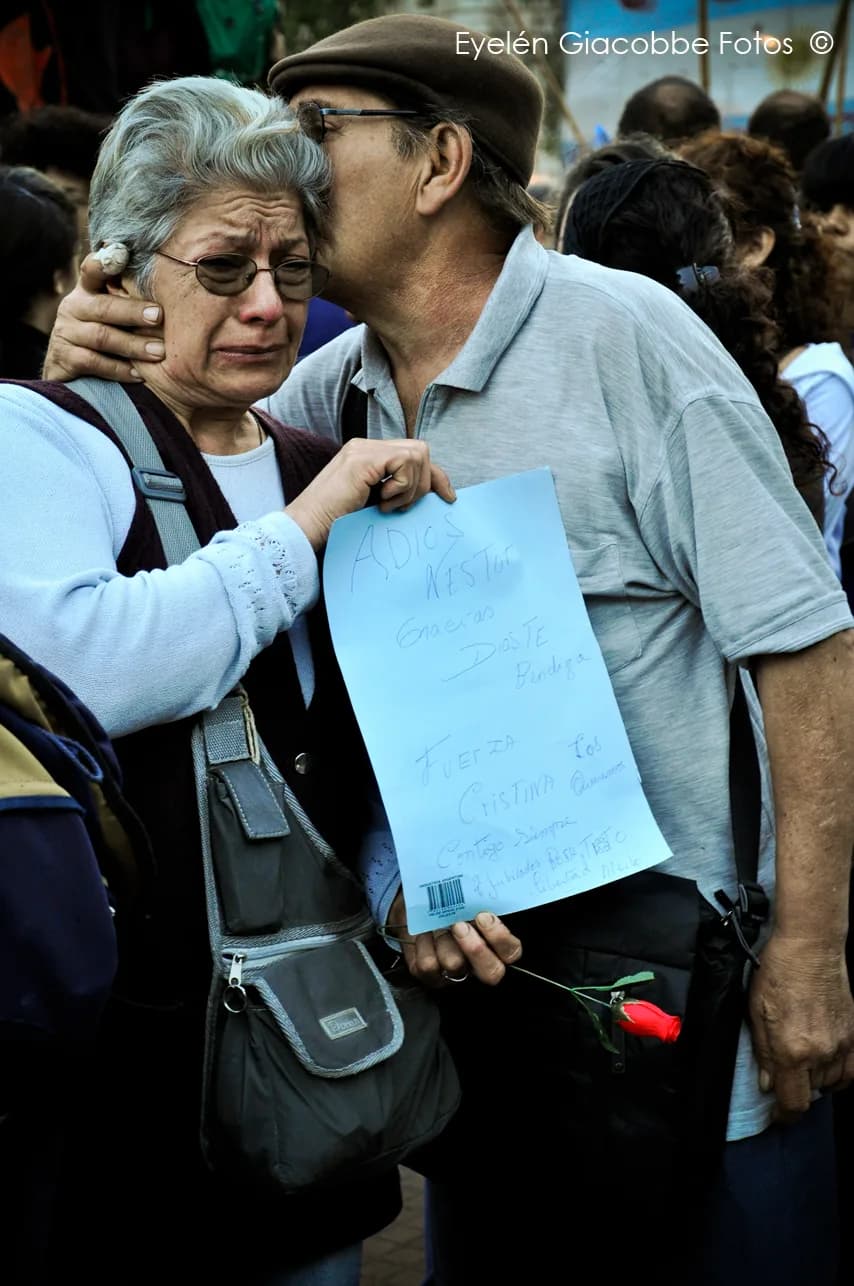
After concluding his presidential term in 2007, Néstor Kirchner remained an influential figure in Argentine politics. His role as the first gentleman during Cristina Fernández de Kirchner's presidency highlighted his enduring presence and participation in national affairs. He passed away on October 27, 2010, in El Calafate, Argentina, leaving behind a rich legacy.
Nodaļa 7· Nodaļa 7 no 7
Legacy and Impact
Néstor Kirchner's legacy is deeply intertwined with his presidency and the political movement he spearheaded, Kirchnerism. His time in office significantly reshaped Argentina's economic and social policies, leaving a lasting imprint on the nation's political discourse and direction. He is remembered for his robust leadership during a critical period for Argentina.
His influence extended beyond his own term, as the principles and practices of Kirchnerism continued to resonate in Argentine politics for years to come. Through his various roles, from mayor to president, Néstor Kirchner demonstrated a consistent dedication to public service and a clear vision for Argentina's future, solidifying his place in the country's history.
BUJ
Biežāk uzdotie
Kad nomira Néstor Kirchner?
Néstor Kirchner nomira 2010. gada 27. oktobris El Calafate, Argentina 60 gadu vecumā.
Kur dzima Néstor Kirchner?
Néstor Kirchner dzima Río Gallegos, Argentina 1950. gada 25. februāris.
Ar ko Néstor Kirchner ir vislabāk pazīstams(a)?
Néstor Kirchner ir vislabāk pazīstams(a) ar President of Argentina from 2003 to 2007.
Cik gadu bija Néstor Kirchner nāves brīdī?
Néstor Kirchner nāves brīdī bija 60 gadus vecs(a).
Kādas tautības bija Néstor Kirchner?
Néstor Kirchner bija no Argentina.
Laika līnija
Dzīve īsumā
Fotogalerija
Dzīve attēlos
Noklikšķiniet uz jebkura polaroīda, lai izvērstu · 48 fotoattēli
QR kods
Dalīties ar šo biogrāfiju
Drukāt un dalīties
Skenējiet, lai apmeklētu šo biogrāfijas lapu. Drukājiet pasākumiem, izstādēm vai izglītības materiāliem.