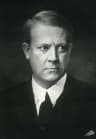
Dzimis
July 18, 1909
Kabul, Afghanistan
Miris
April 28, 1978
Kabul, Afghanistan
Pazīstams ar
politician, first President of Afghanistan
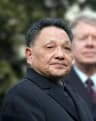
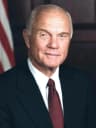
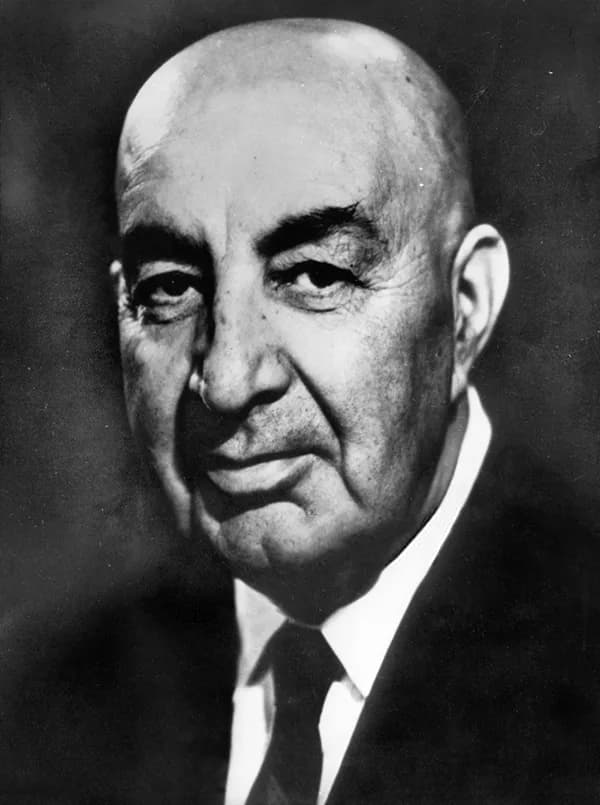
Mohammed Daoud Khan (1909–1978) was Afghanistan best known for politician, first President of Afghanistan.
Mohammed Daoud Khan (July 18, 1909 – April 28, 1978) was a politician and diplomat from Kabul, Afghanistan. He served as Prime Minister from 1953-1963, then led a 1973 coup to become Afghanistan's first President. His leadership dramatically altered Afghanistan's political landscape.
Nodaļa
Dzīves nodaļas
Nodaļa 1 · 1909· Nodaļa 1 no 8
Introduction
Mohammed Daoud Khan, born on July 18, 1909, and passing on April 28, 1978, was a pivotal Afghan politician and diplomat. He is best known for his dual roles as a long-serving Prime Minister and as the first President of Afghanistan. His life's work deeply shaped Afghanistan's political course, marking a significant transition in its history.
Nodaļa 2 · 1909· Nodaļa 2 no 8
Early Life and Origins
Mohammed Daoud Khan began his life in Kabul, Afghanistan, the nation's capital, on July 18, 1909. Details of his early childhood and formal education are not explicitly provided. However, his rise through the ranks suggests a foundational upbringing that prepared him for a career in military and public service.
Born into a prominent family, Daoud Khan eventually became an Afghan military officer. This background provided him with discipline and strategic insight. These early experiences undoubtedly laid the groundwork for his future political and diplomatic endeavors within Afghanistan.
Nodaļa 3· Nodaļa 3 no 8
Career Beginnings
Daoud Khan's professional journey commenced within the military, where he established himself as an officer. This initial career path in the Afghan armed forces provided him with a strong understanding of state security and national defense. His military background would later influence his leadership style and political decisions.
Transitioning into the political arena, he also served as a diplomat, engaging in international relations on behalf of Afghanistan. This experience in diplomacy honed his skills in negotiation and statecraft. He subsequently ascended to the prominent position of Prime Minister of Afghanistan, serving an impactful tenure from 1953 to 1963.
Nodaļa 4 · 1953· Nodaļa 4 no 8
Major Achievements and Career Highlights
As Prime Minister of Afghanistan for a full decade, from 1953 to 1963, Mohammed Daoud Khan implemented various reforms and policies. His time as prime minister was marked by efforts to modernize the country and navigate complex geopolitical dynamics. This period established his reputation as a formidable political leader.
A defining moment in his career came with his leadership of the 1973 Afghan coup d'état. This strategic move successfully overthrew the existing monarchy, fundamentally altering Afghanistan's governmental structure. Following the coup, Daoud Khan assumed the highest office, becoming the first President of Afghanistan in 1973, a role he held until his death.
Nodaļa 5· Nodaļa 5 no 8
Personal Life
While Mohammed Daoud Khan's public life as a military officer, diplomat, and politician is well-documented, specific details regarding his personal life, family, or private interests are not extensively available in public records. His focus remained largely on state affairs and national development throughout his career. His dedication was primarily directed towards his roles in government.
Nodaļa 6· Nodaļa 6 no 8
Notable Works or Contributions
Mohammed Daoud Khan's primary contributions lie in his political leadership and structural changes to the Afghan state. His ten years as Prime Minister saw the initiation of several national development projects. These initiatives aimed at improving infrastructure and social services within Afghanistan.
His most significant contribution was undoubtedly ushering in the republican era for Afghanistan. By leading the 1973 coup and establishing himself as the first President, he transformed the nation from a monarchy into a republic. This act fundamentally redefined Afghanistan's political identity, setting a new course for the country.
Nodaļa 7 · 1973· Nodaļa 7 no 8
Later Years
Mohammed Daoud Khan continued to serve as President of Afghanistan following the establishment of the republic in 1973. He faced various internal and external challenges during this period of significant national change. His leadership during these years was crucial for the fledgling republic.
His presidency, however, came to an abrupt and tragic end. Mohammed Daoud Khan was assassinated in Kabul, Afghanistan, on April 28, 1978. His death marked the conclusion of an era and prefaced further instability in the nation's political landscape.
Nodaļa 8· Nodaļa 8 no 8
Legacy and Impact
Mohammed Daoud Khan's legacy is deeply intertwined with Afghanistan's 20th-century political evolution. As Prime Minister, he worked towards modernizing the country and strengthening its position regionally. His actions during this time laid groundwork for future developments.
His most lasting impact stems from his role in overthrowing the monarchy and establishing the first Republic of Afghanistan. This historical act fundamentally reshaped the country's governance, creating a new political system. He remains a central figure in the narrative of Afghanistan's journey towards self-determination and republican rule.
Dzīve mirkļos
Mirkļi, kas veidoja dzīvi
BUJ
Biežāk uzdotie
Kad nomira Mohammed Daoud Khan?
Mohammed Daoud Khan nomira 1978. gada 28. aprīlis Kabul, Afghanistan 68 gadu vecumā.
Kur dzima Mohammed Daoud Khan?
Mohammed Daoud Khan dzima Kabul, Afghanistan 1909. gada 18. jūlijs.
Ar ko Mohammed Daoud Khan ir vislabāk pazīstams(a)?
Mohammed Daoud Khan ir vislabāk pazīstams(a) ar politician, first President of Afghanistan.
Cik gadu bija Mohammed Daoud Khan nāves brīdī?
Mohammed Daoud Khan nāves brīdī bija 68 gadus vecs(a).
Kādas tautības bija Mohammed Daoud Khan?
Mohammed Daoud Khan bija no Afghanistan.
Laika līnija
Dzīve īsumā
Fotogalerija
Dzīve attēlos
Noklikšķiniet uz jebkura polaroīda, lai izvērstu · 24 fotoattēli
QR kods
Dalīties ar šo biogrāfiju
Drukāt un dalīties
Skenējiet, lai apmeklētu šo biogrāfijas lapu. Drukājiet pasākumiem, izstādēm vai izglītības materiāliem.