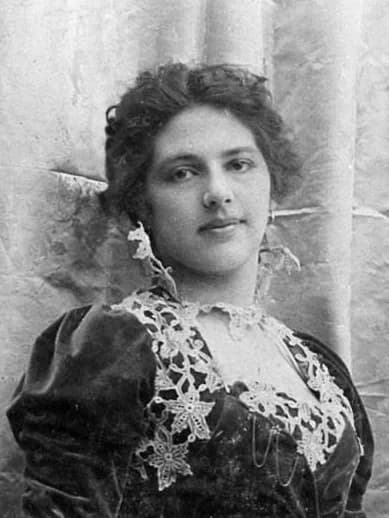
Dzimis
August 7, 1876
Leeuwarden, Netherlands
Miris
October 15, 1917
Château de Vincennes, France
Pazīstams ar
Dutch exotic dancer, courtesan and spy
Mata Hari (1876–1917) was Netherlands best known for Dutch exotic dancer, courtesan and spy.
Mata Hari (August 7, 1876 – October 15, 1917) was a Dutch exotic dancer, courtesan, and spy from Leeuwarden, Netherlands. She gained fame across Europe for her captivating performances. Tragically, she was executed by firing squad in France during World War I, accused of espionage.
Dzīve mirkļos
Mirkļi, kas veidoja dzīvi
Nodaļa
Dzīves nodaļas
Nodaļa 1 · 1876· Nodaļa 1 no 7
Early Life and Origins
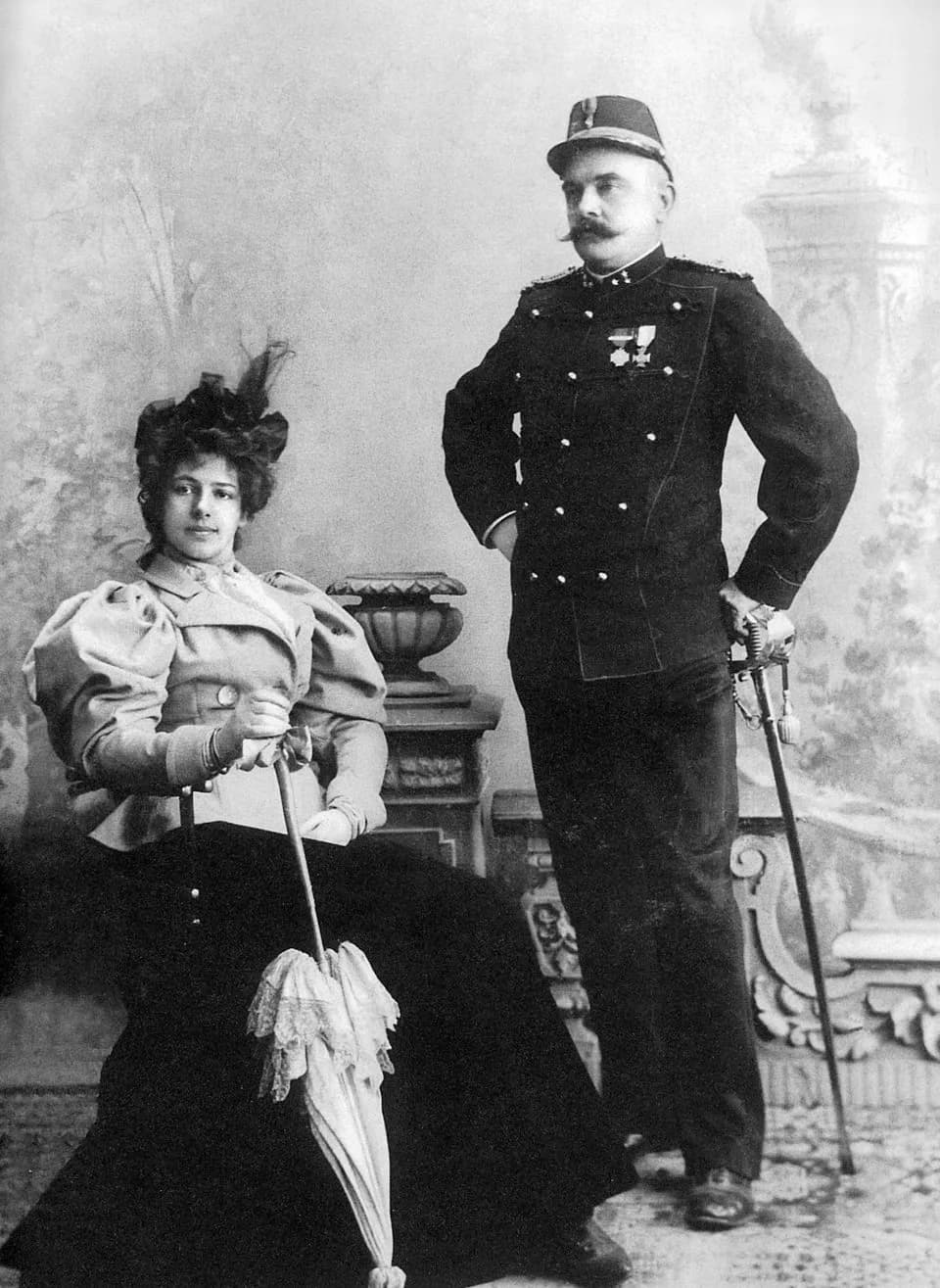
Margaretha Geertruida Zelle was born on August 7, 1876, in Leeuwarden, Netherlands, to Adam Zelle and Antje van der Meulen. Her early years were spent in the relatively quiet Dutch city, a stark contrast to the flamboyant life she would later embrace. She received an education that, while conventional for the time, did little to hint at the unconventional path she would ultimately follow, forever transforming her identity.
Her family background provided a foundation, but it was her innate charisma and desire for a different existence that propelled her toward a future far removed from her Dutch origins. The experiences of her formative years, though not extensively documented, likely contributed to her adaptability and resilience in the face of life's challenges, preparing her for the public stage.
Nodaļa 2· Nodaļa 2 no 7
Career Beginnings
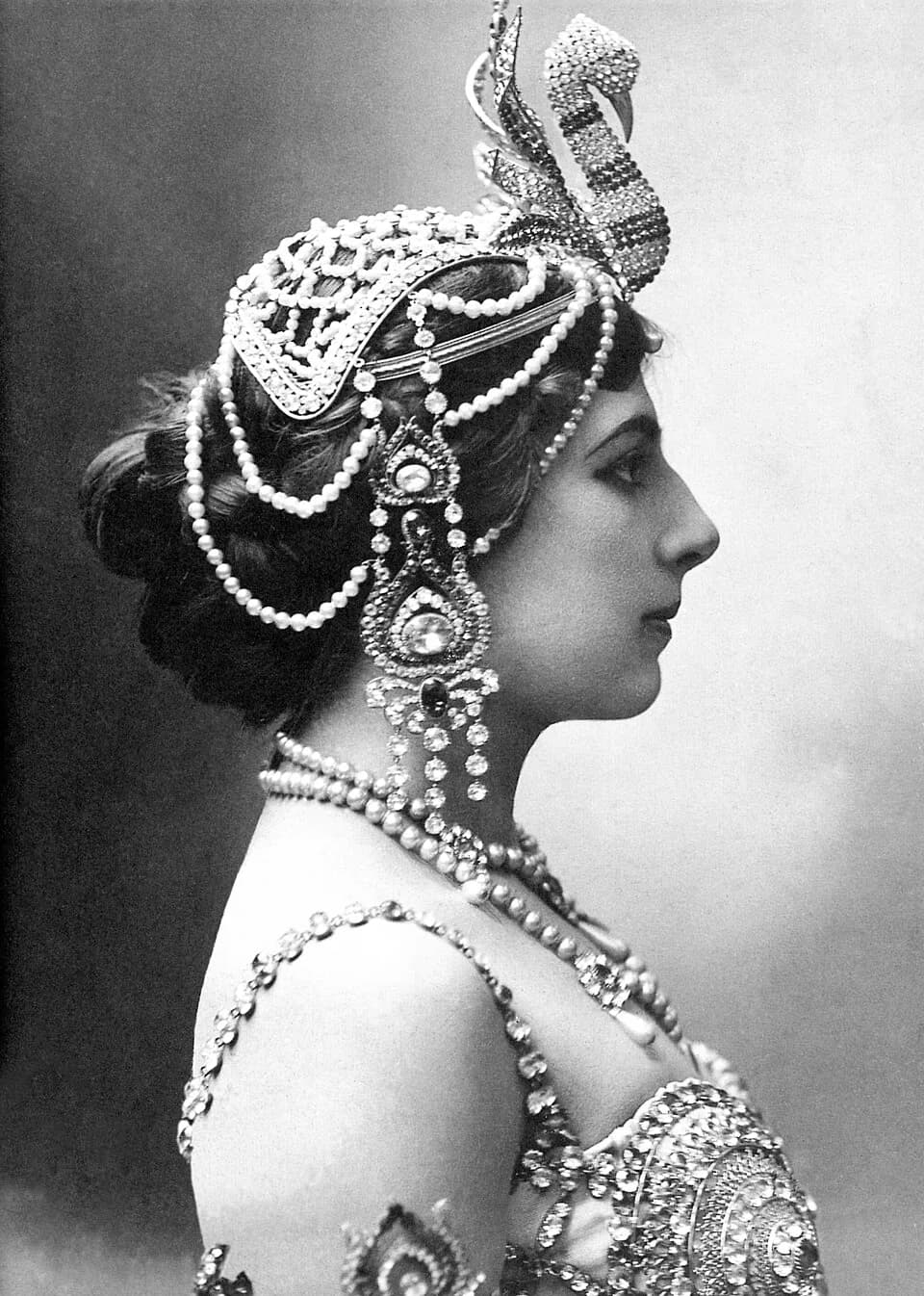
Margaretha's journey to becoming Mata Hari was a deliberate transformation, a reinvention of self that began after she moved to Paris. It was in the vibrant artistic and social circles of the French capital that she truly blossomed. Adopting the stage name Mata Hari, which translates to 'Eye of the Day' in Malay, she presented herself as a princess from the East, a captivating persona that immediately drew attention and curiosity.
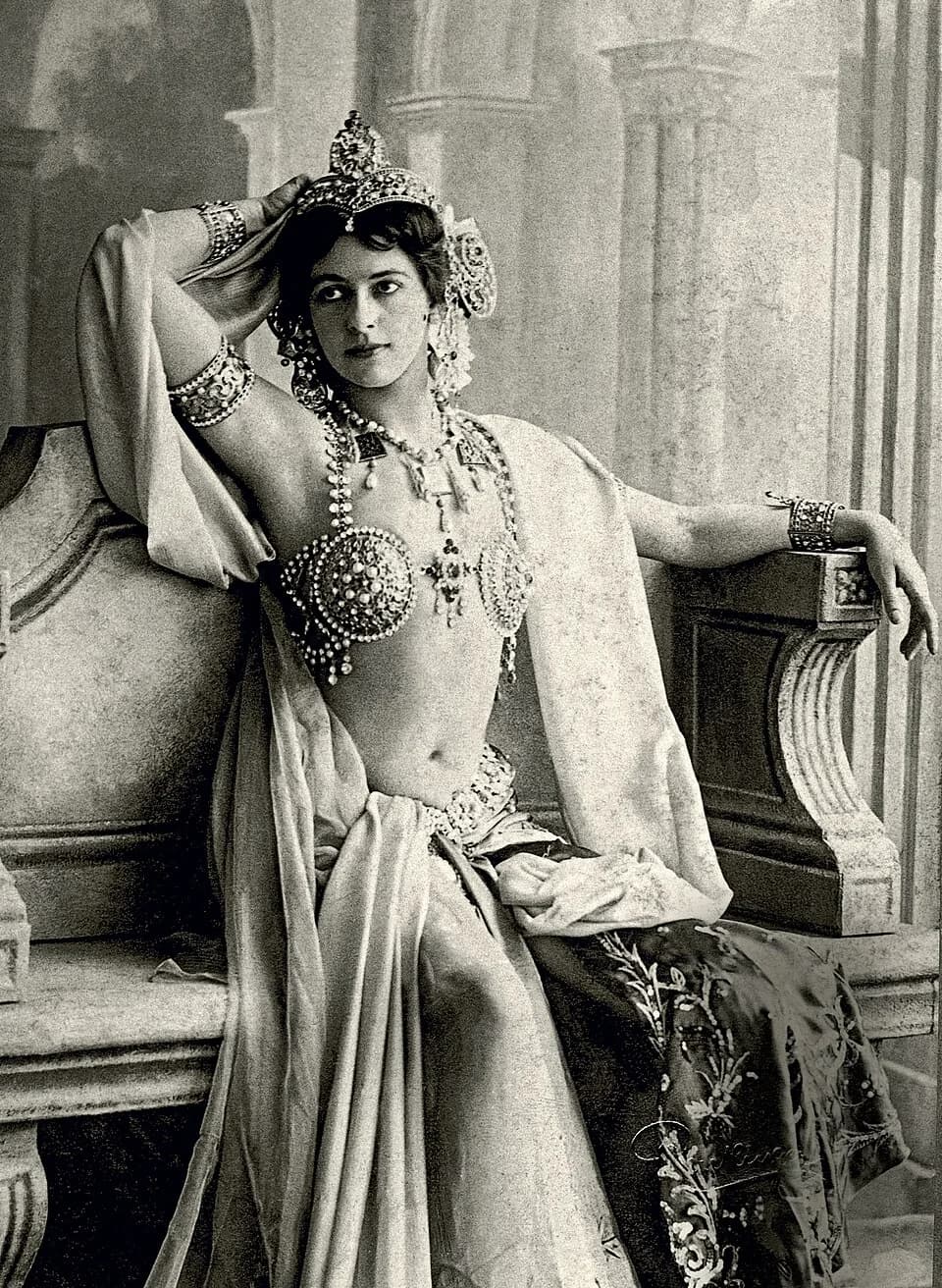
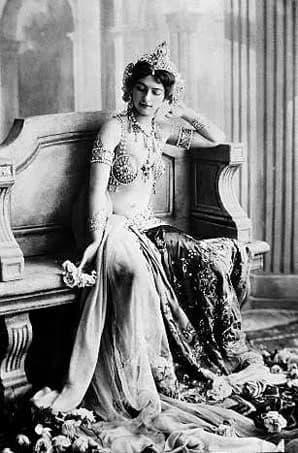
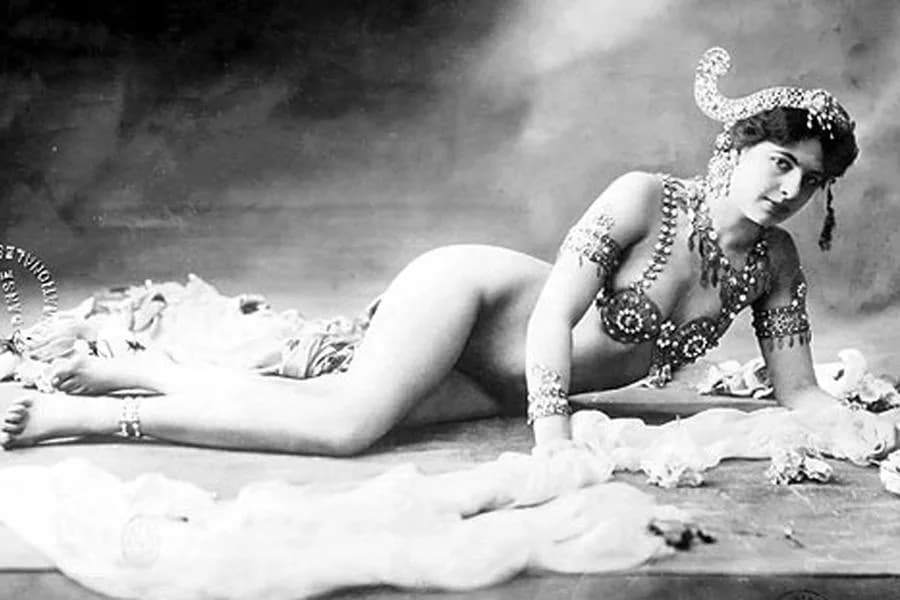
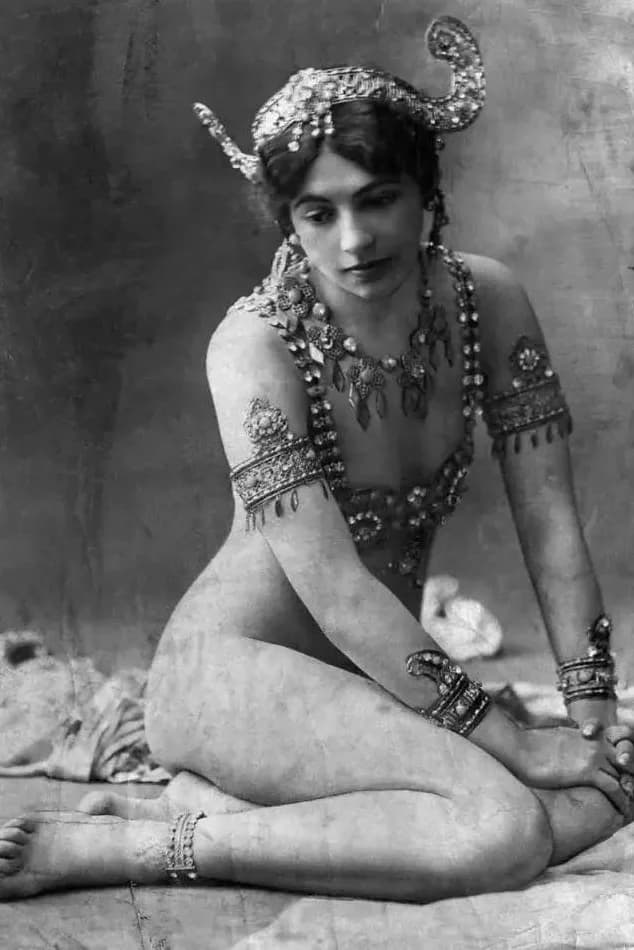
Her exotic dance performances, infused with elements of Javanese and Indian traditions, quickly made her a sensation. She broke away from conventional European dance forms, creating a unique and sensual style that was both daring and alluring. This new identity allowed her to captivate audiences and embark on a career that would make her a household name across the continent.
Nodaļa 3· Nodaļa 3 no 7
Major Achievements and Career Highlights
Mata Hari's fame as an exotic dancer spread rapidly throughout Europe in the early 20th century. She performed in major cities such as Paris, Berlin, Madrid, and Rome, always drawing large and enthusiastic crowds. Her performances were characterized by a blend of theatricality, mysticism, and understated nudity, which was considered scandalous yet enthralling for the era.
Beyond her dancing, her profession as a courtesan allowed her access to powerful and influential men, including high-ranking military officers, politicians, and aristocrats. This access not only secured her lavish lifestyle but also placed her at the nexus of European power circles, a position that would later contribute to her complex involvement in international affairs. She became a symbol of early 20th-century allure and transgression.
Nodaļa 4· Nodaļa 4 no 7
Personal Life
Mata Hari's personal life was intertwined with her public persona as a courtesan, marked by relationships with numerous prominent and influential men throughout Europe. These connections were an integral part of her lifestyle, providing both financial support and social standing. Her charisma and enigmatic nature made her a desirable companion in the high society she frequented.
While specific details of her private affections remain largely speculative, her chosen path ensured a life devoid of conventional domesticity. She maintained a degree of independence through her choices, navigating a world where charm and discretion were currency. Her personal journey was one of constant movement and engagement within the elite echelons of European society.
Nodaļa 5· Nodaļa 5 no 7
Notable Works or Contributions
Mata Hari's primary contribution was her innovative and influential approach to exotic dance. She crafted performances that were more than mere entertainment; they were theatrical experiences that transported audiences to a perceived mystical East. Her ability to embody and project this exoticism redefined contemporary perceptions of dance and female sensuality.
Her unique stage presence and the narratives she wove through her movements left a lasting impression on popular culture and the performing arts. She proved that dance could be a powerful medium for storytelling and self-expression, influencing later generations of performers who sought to blend artistry with a distinctive personal brand. Her daring style pushed boundaries for her time.
Nodaļa 6 · 1914· Nodaļa 6 no 7
Later Years
As World War I erupted in 1914, Mata Hari's life became increasingly complicated, caught between warring nations. Her extensive travels and her relationships with high-ranking officials made her a figure of suspicion to both Allied and Central Powers. She was believed to have traveled through war zones, further fueling doubts about her allegiances.
In 1917, she was arrested in Paris and charged with espionage on behalf of Germany. Despite her claims of innocence, she was convicted and sentenced to death. On October 15, 1917, Mata Hari was executed by firing squad at Château de Vincennes, France, bringing a tragic end to her tumultuous life.
Nodaļa 7· Nodaļa 7 no 7
Legacy and Impact
Mata Hari's legacy is one of enduring mystery and fascination, her name becoming synonymous with the cunning femme fatale spy. Her story transcends her historical context, continuing to inspire countless books, films, and artistic interpretations. Historians still debate the extent of her actual espionage activities, with many believing she was a scapegoat.
Her life represented a woman who dared to live unconventionally, challenging societal norms through her artistry and personal choices. She remains a compelling figure, representing both the glamour and the perilous consequences of a life lived on the fringes of power and illusion. Mata Hari's impact continues to resonate in discussions about identity, espionage, and the often-blurred lines between performance and reality.
BUJ
Biežāk uzdotie
Kad nomira Mata Hari?
Mata Hari nomira 1917. gada 15. oktobris Château de Vincennes, France 41 gadu vecumā.
Kur dzima Mata Hari?
Mata Hari dzima Leeuwarden, Netherlands 1876. gada 7. augusts.
Ar ko Mata Hari ir vislabāk pazīstams(a)?
Mata Hari ir vislabāk pazīstams(a) ar Dutch exotic dancer, courtesan and spy.
Cik gadu bija Mata Hari nāves brīdī?
Mata Hari nāves brīdī bija 41 gadus vecs(a).
Kādas tautības bija Mata Hari?
Mata Hari bija no Netherlands.
Laika līnija
Dzīve īsumā
Fotogalerija
Dzīve attēlos
Noklikšķiniet uz jebkura polaroīda, lai izvērstu · 25 fotoattēli
QR kods
Dalīties ar šo biogrāfiju
Drukāt un dalīties
Skenējiet, lai apmeklētu šo biogrāfijas lapu. Drukājiet pasākumiem, izstādēm vai izglītības materiāliem.