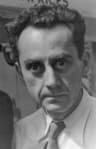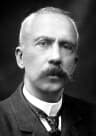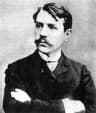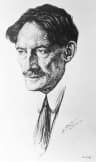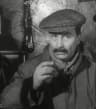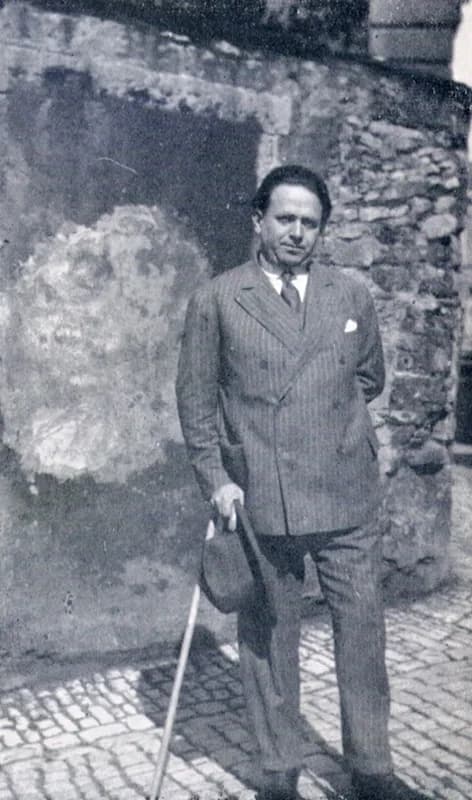
Dzimis
January 9, 1890
Berlin, Margraviate of Brandenburg
Miris
December 21, 1935
Gothenburg, Sweden
Pazīstams ar
Jewish-German journalist, satirist and writer
Kurt Tucholsky (1890–1935) was Margraviate of Brandenburg best known for Jewish-German journalist, satirist and writer.
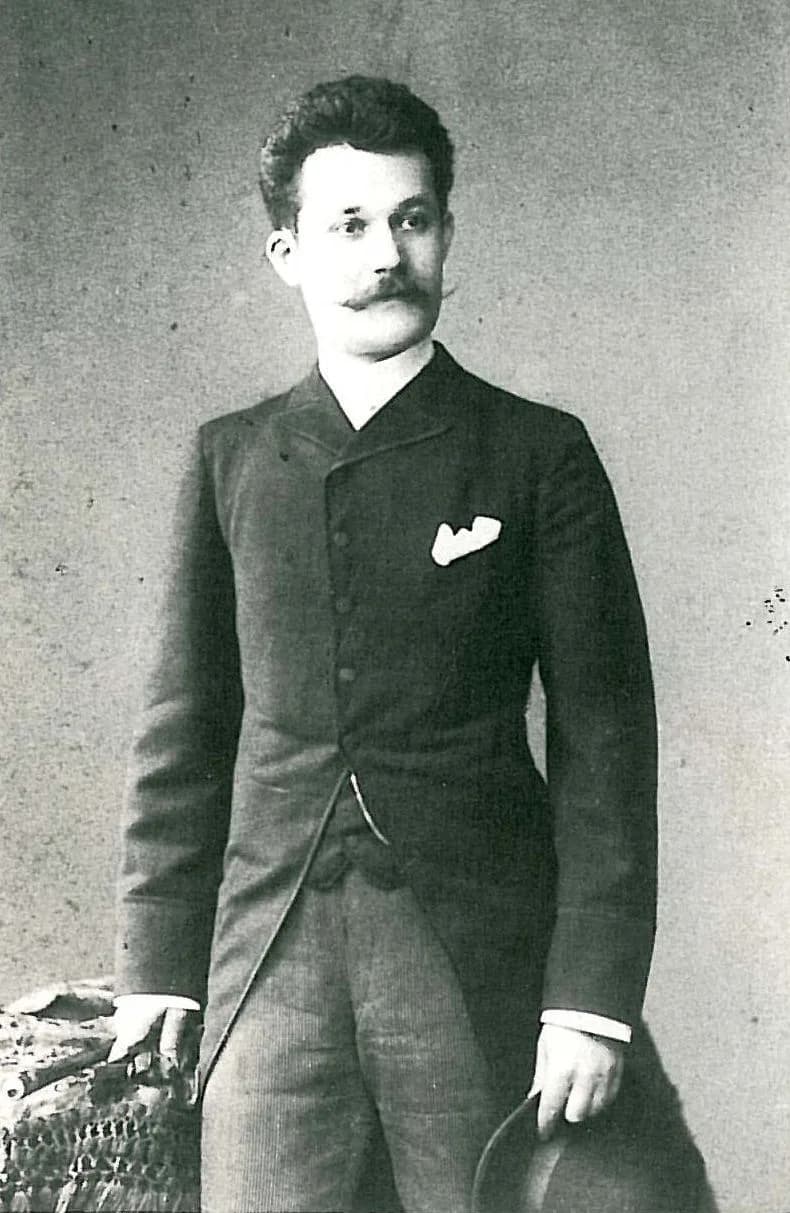
Kurt Tucholsky (January 9, 1890 – December 21, 1935) was a Jewish-German journalist, satirist, and writer from Berlin. He was known for his incisive social and political commentary, often published under various pseudonyms. Tucholsky's sharp wit and critical perspective left a lasting impact on German literature and journalism.
Nodaļa
Dzīves nodaļas
Nodaļa 1 · 1890· Nodaļa 1 no 8
Opening Paragraph
Kurt Tucholsky (1890–1935) was a distinguished Jewish-German journalist, satirist, and writer, whose incisive observations left a lasting mark on German society and literature. Born in Berlin and later passing away in Gothenburg, Sweden, he was a prolific creator, known for his roles as a poet, jurist, playwright, and critic. Tucholsky masterfully used his diverse skills as a prose writer and opinion journalist to shape public discourse during a tumultuous era. His significant literary and journalistic contributions continue to resonate, reflecting a sharp intellect and unwavering commitment to truth.
Nodaļa 2 · 1890· Nodaļa 2 no 8
Early Life and Origins
Kurt Tucholsky was born on January 9, 1890, in Berlin, located within the historic Margraviate of Brandenburg. This vibrant capital city provided a rich cultural and intellectual environment for his formative years. While specific details about his family life are not extensively documented in the provided information, his upbringing in such a vibrant German metropolis likely fueled his keen observational skills and burgeoning interest in societal dynamics. His early exposure to the intricacies of public life in Berlin undoubtedly shaped his later career as a perceptive commentator.
Nodaļa 3· Nodaļa 3 no 8
Career Beginnings
Tucholsky's professional journey initially saw him pursue legal studies, leading to roles as a jurist and a lawyer. This formal training in law provided him with a rigorous analytical framework and a precise command of language, which would prove invaluable in his subsequent career. However, his innate talent and passion for writing soon drew him away from the legal profession and towards the world of journalism and literature. He quickly found his voice as a writer, journalist, and opinion journalist, beginning to publish critical and satirical pieces that captured public attention.
Nodaļa 4· Nodaļa 4 no 8
Major Achievements and Career Highlights
Kurt Tucholsky became widely celebrated for his incisive social and political commentary, often delivered with a biting wit as a satirist. A distinctive feature of his career was his adept use of multiple pseudonyms, through which he explored various literary personae and perspectives. These included the well-known names of Kaspar Hauser, Peter Panter, Theobald Tiger, and Ignaz Wrobel. His prolific output spanned an impressive array of genres, from poetry and prose to plays and librettos, establishing him as a highly versatile and influential figure in German letters.
Nodaļa 5· Nodaļa 5 no 8
Personal Life
While detailed accounts of Kurt Tucholsky's personal relationships or family are not explicitly provided, his extensive body of work offers glimpses into his observations of human nature and societal structures. His writings often explored the intricacies of everyday existence, as exemplified by titles like "Menschen im Büro," which showcased his empathetic yet critical view of the common person. This commitment to exploring the human condition underscored his deep connection to the social fabric of his time.
Nodaļa 6 · 1179· Nodaļa 6 no 8
Notable Works or Contributions
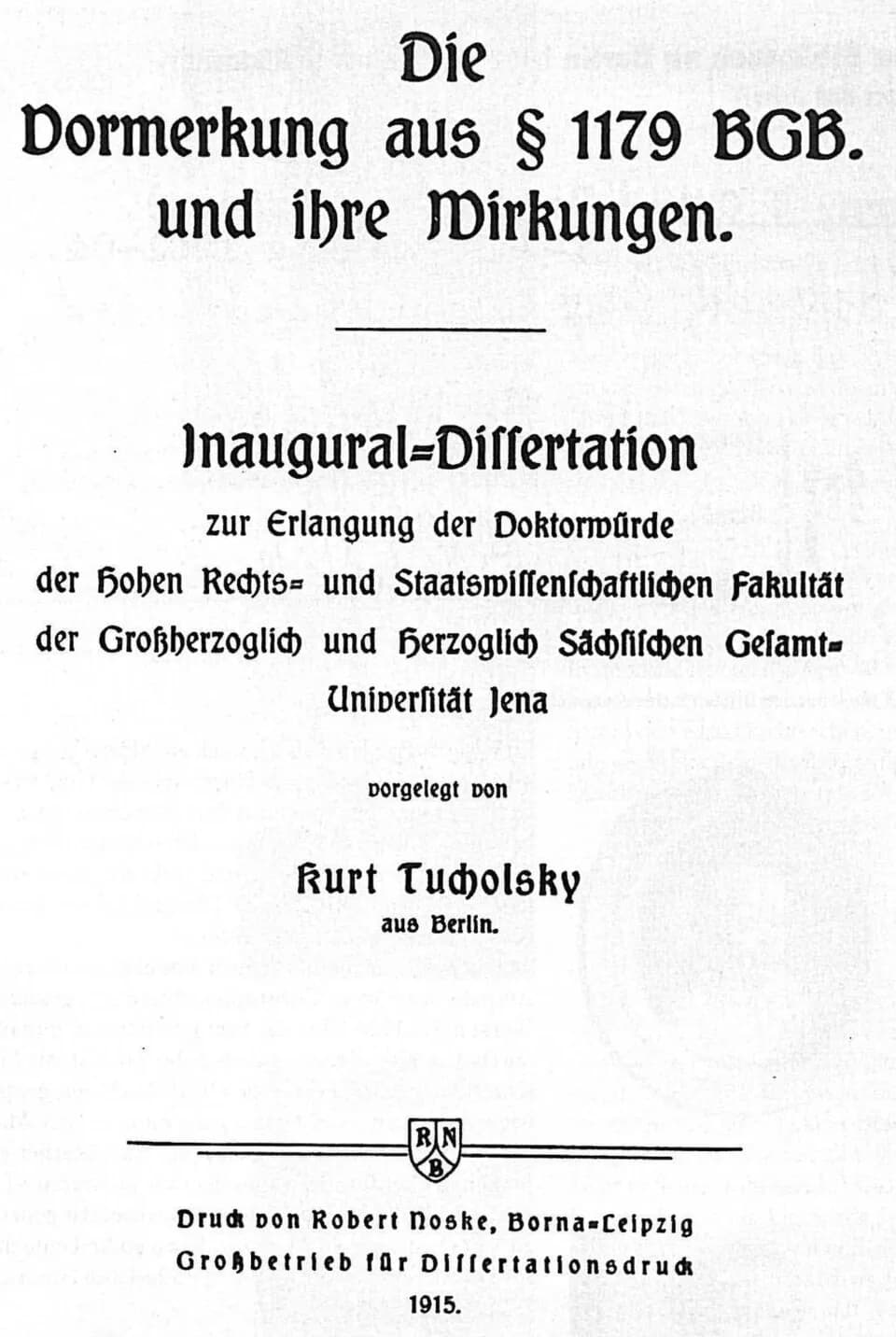
Tucholsky's literary legacy is rich with diverse and influential publications across various formats. Among his poetic collections is "Gedichte, die glücklich machen," while his prose works include "Und Überhaupt--" and the acclaimed novel "Schloss Gripsholm." He also published significant essay compilations such as "Freiheitsbaum und Guillotine - Essays aus sechs Jahrzehnten," demonstrating his depth as a critic and opinion journalist. Furthermore, his academic foundation was evident in his legal dissertation, "Die Vormerkung aus [Paragraphen] 1179 BGB. und ihre Wirkungen," showcasing his broad intellectual range. His collected "Werke, Briefe, Materialien" also serve as a comprehensive record of his enduring literary output.
Nodaļa 7 · 1935· Nodaļa 7 no 8
Later Years
As the political climate in Germany grew increasingly oppressive in the early 1930s, Kurt Tucholsky, a prominent Jewish-German critic, faced escalating challenges. He eventually sought refuge outside his homeland, making his way to Sweden. It was there, in Gothenburg, that he passed away on December 21, 1935, bringing an end to a life dedicated to literature, journalism, and courageous social commentary amidst a darkening political landscape. His final years reflected the difficult choices many intellectuals were forced to make during that turbulent period.
Nodaļa 8· Nodaļa 8 no 8
Legacy and Impact
Kurt Tucholsky's legacy continues to resonate as a powerful and enduring voice in German literature and journalism, celebrated for his intellectual bravery and satirical genius. His incisive critiques and keen observations remain highly relevant, offering enduring insights into the social and political complexities of the early 20th century. Through his multifaceted contributions as a writer, poet, and opinion journalist, Tucholsky forever changed the discourse of his time, leaving a lasting mark as a conscience of his era. His collected works and correspondence ensure that future generations can continue to engage with his sharp wit and deep thinking.
Dzīve mirkļos
Mirkļi, kas veidoja dzīvi
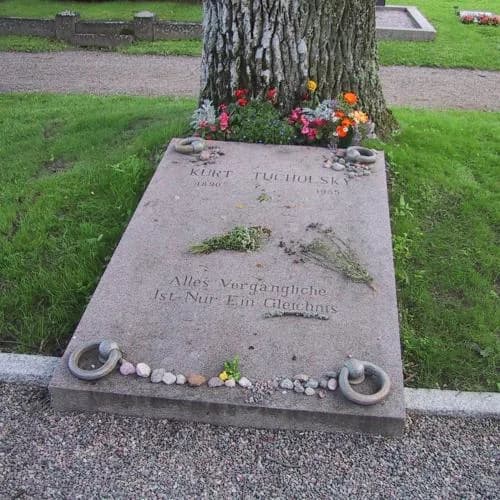
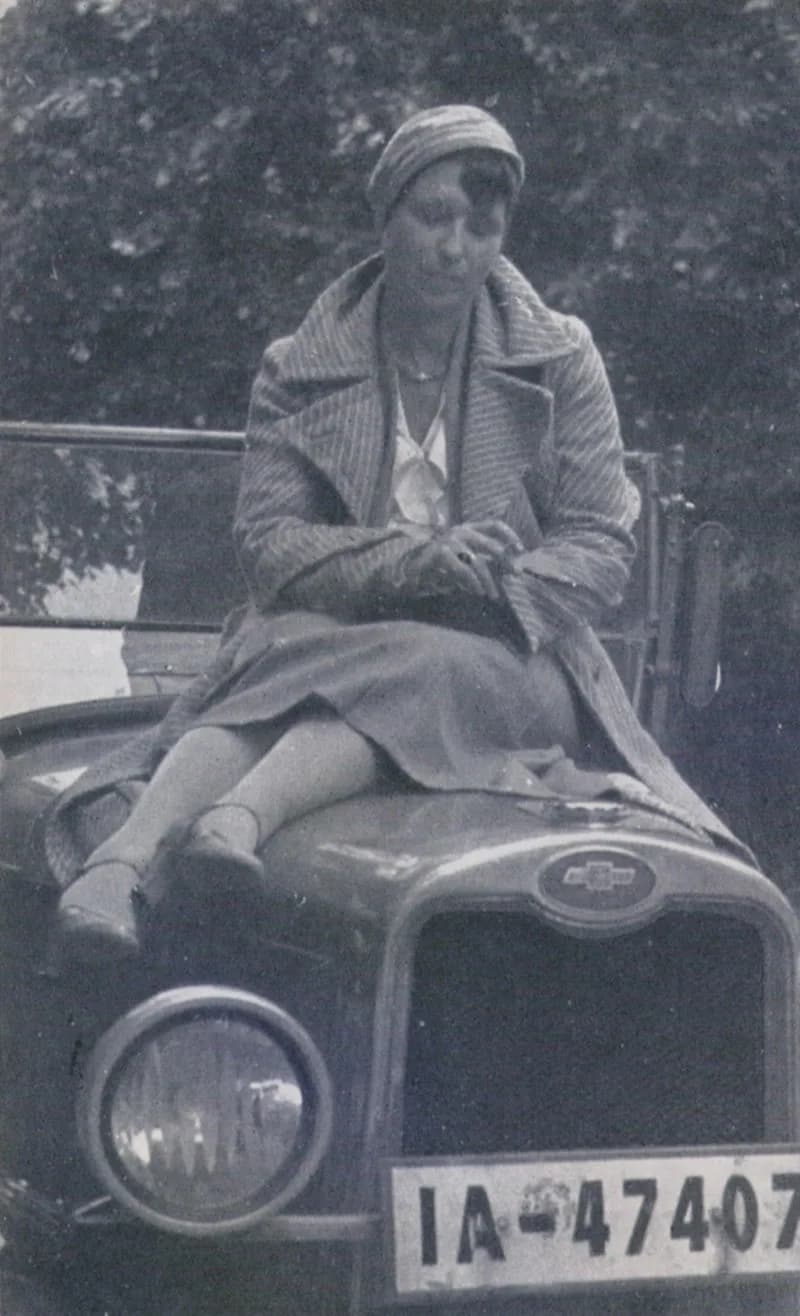
BUJ
Biežāk uzdotie
Kad nomira Kurt Tucholsky?
Kurt Tucholsky nomira 1935. gada 21. decembris Gothenburg, Sweden 45 gadu vecumā.
Kur dzima Kurt Tucholsky?
Kurt Tucholsky dzima Berlin, Margraviate of Brandenburg 1890. gada 9. janvāris.
Ar ko Kurt Tucholsky ir vislabāk pazīstams(a)?
Kurt Tucholsky ir vislabāk pazīstams(a) ar Jewish-German journalist, satirist and writer.
Cik gadu bija Kurt Tucholsky nāves brīdī?
Kurt Tucholsky nāves brīdī bija 45 gadus vecs(a).
Kādas tautības bija Kurt Tucholsky?
Kurt Tucholsky bija no Margraviate of Brandenburg.
Laika līnija
Dzīve īsumā
Fotogalerija
Dzīve attēlos
Noklikšķiniet uz jebkura polaroīda, lai izvērstu · 24 fotoattēli
QR kods
Dalīties ar šo biogrāfiju
Drukāt un dalīties
Skenējiet, lai apmeklētu šo biogrāfijas lapu. Drukājiet pasākumiem, izstādēm vai izglītības materiāliem.