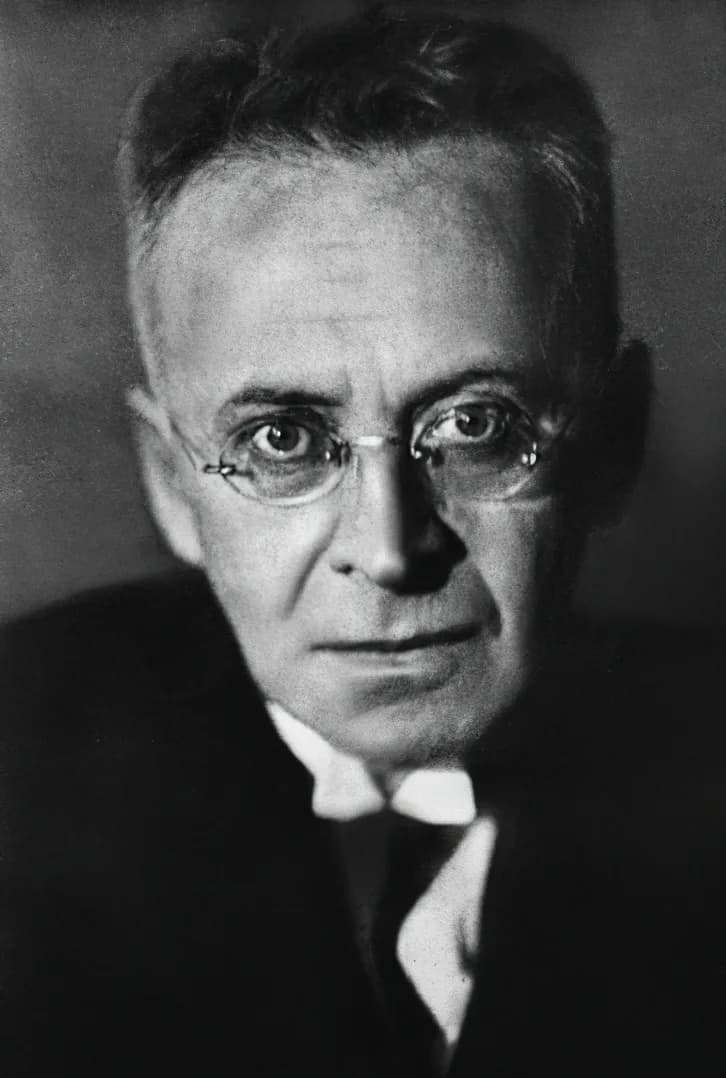
Dzimis
February 22, 1874
Tahkuranna, Estonia
Miris
January 18, 1956
Burashevo, Russia
Pazīstams ar
Estonian politician
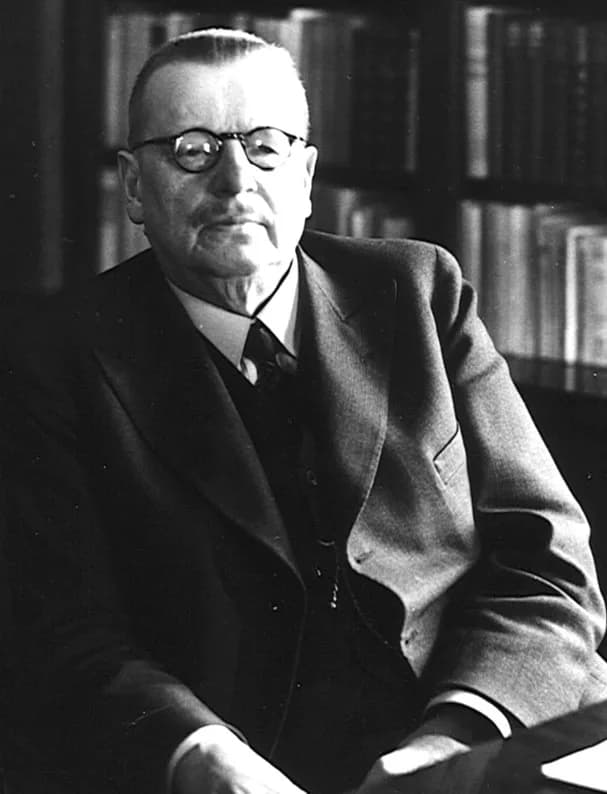
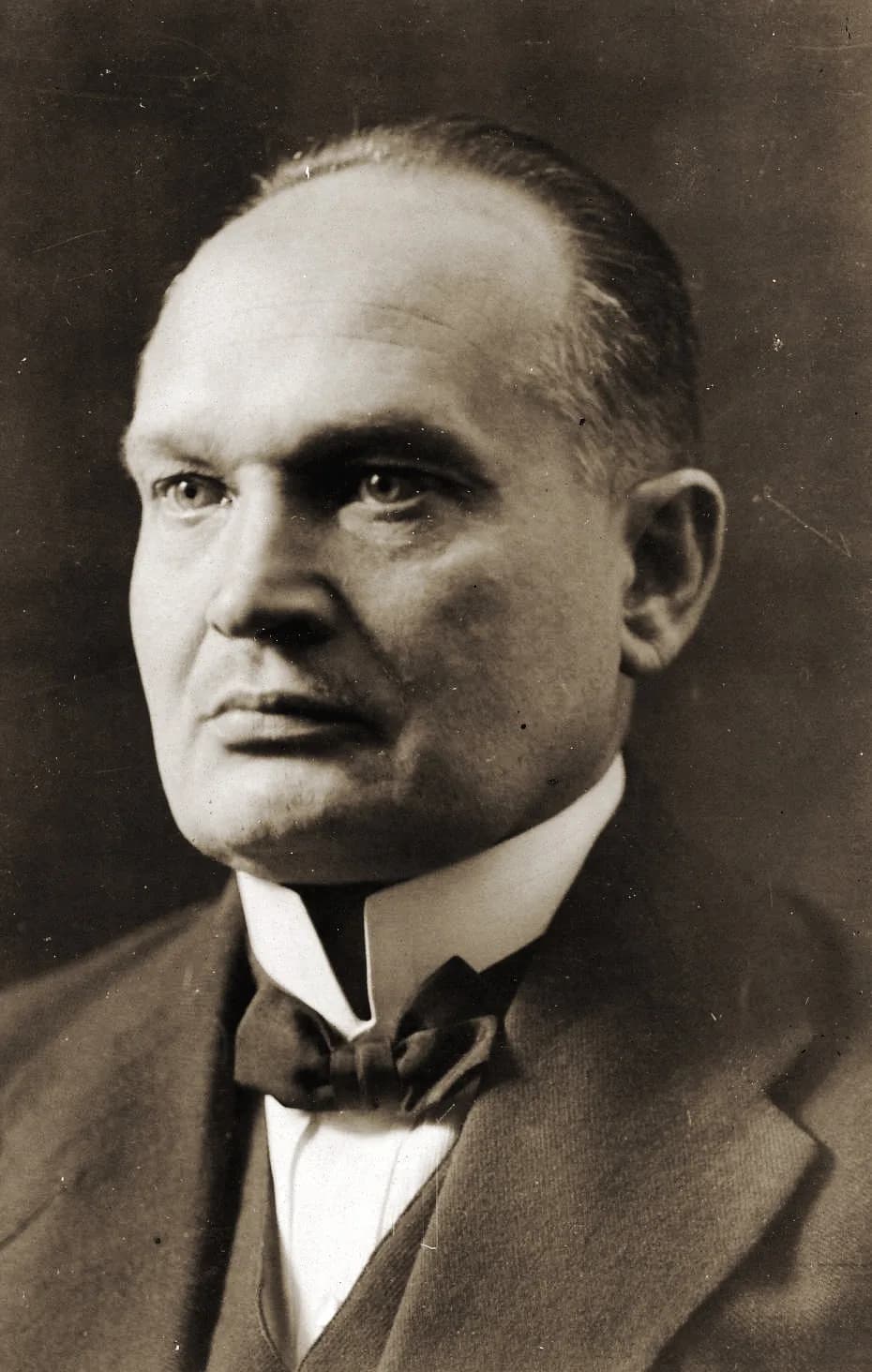
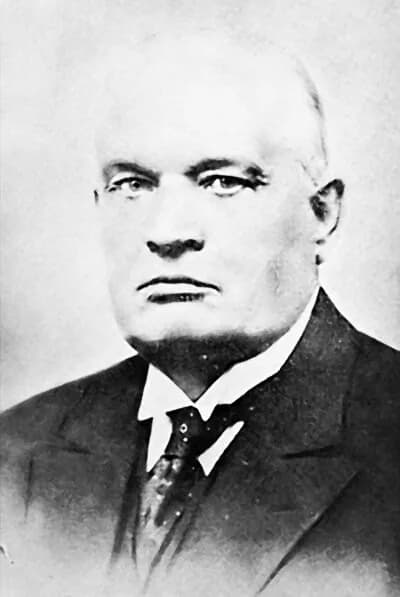
Konstantin Päts (1874–1956) was Estonia best known for Estonian politician.
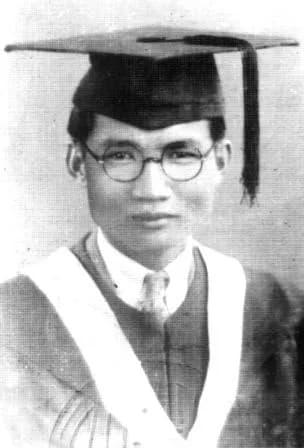
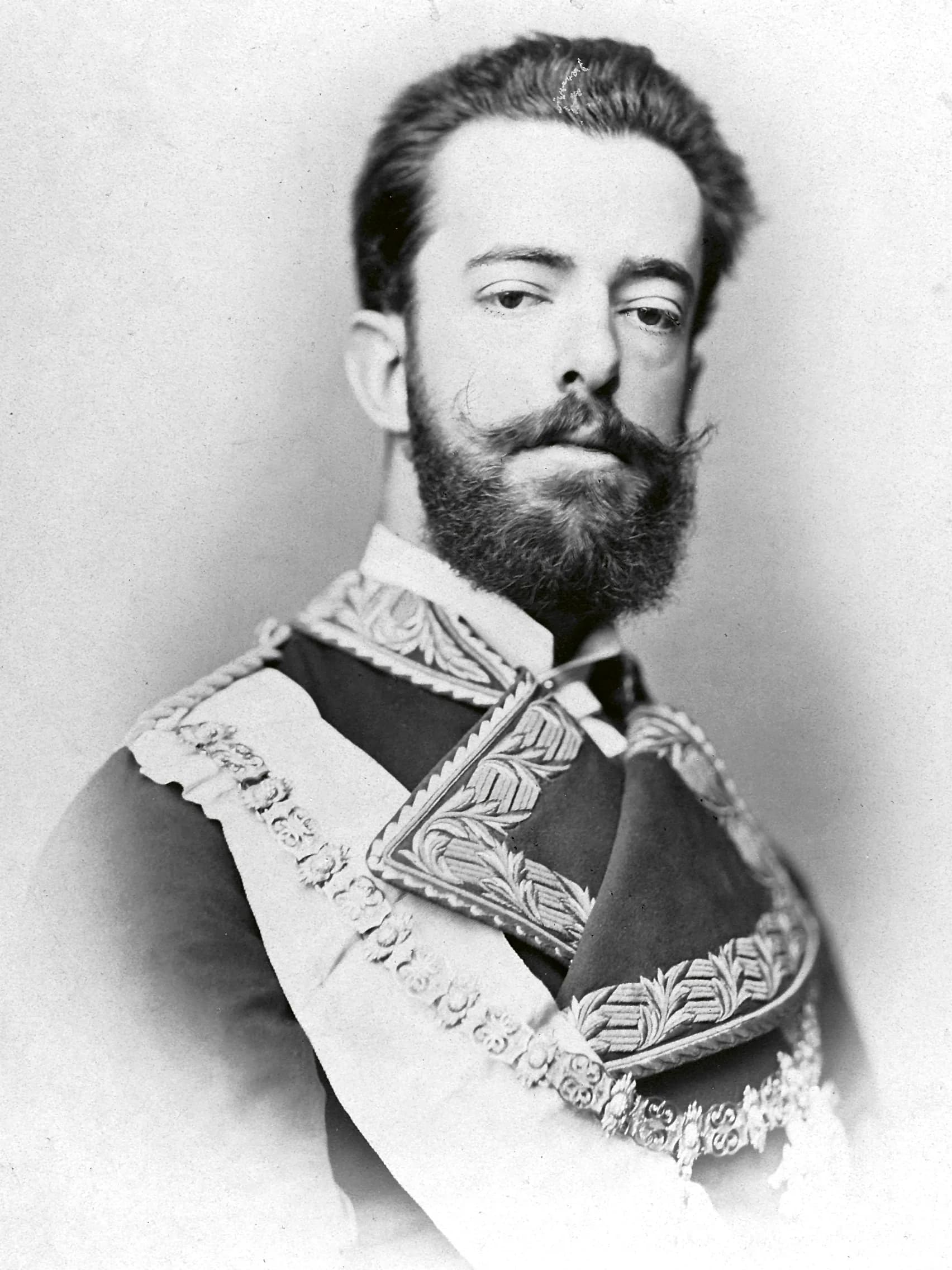
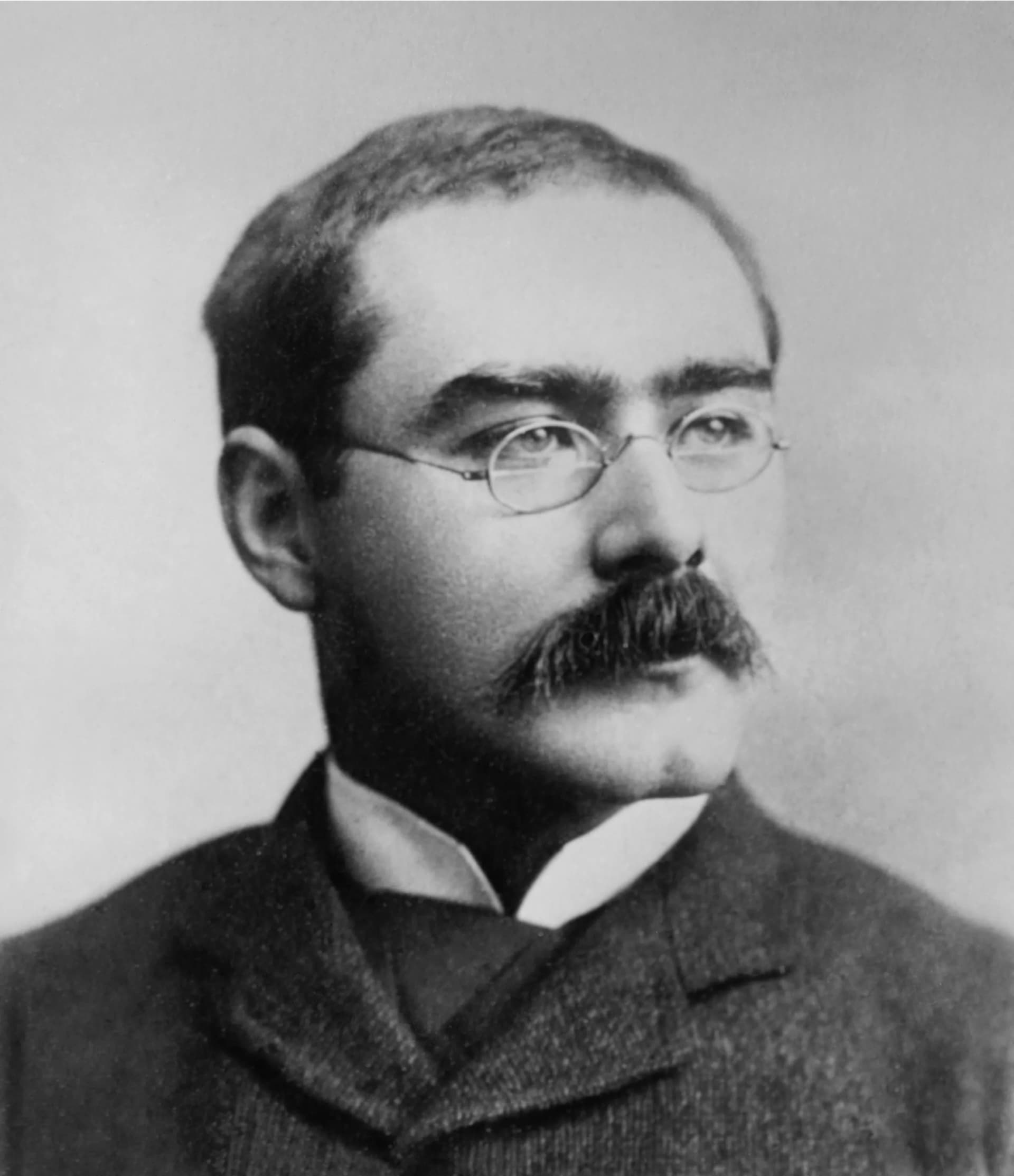
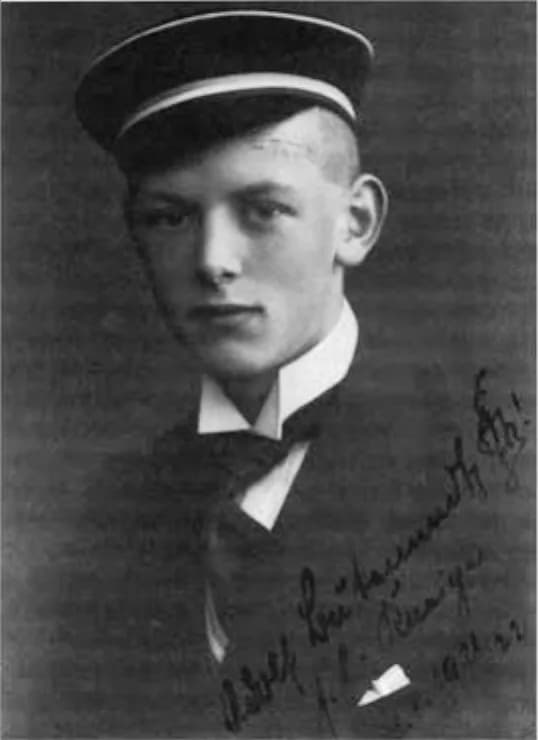
Konstantin Päts (February 22, 1874 – January 18, 1956) was an Estonian lawyer, politician, and statesman. He served as the country's president from 1938 to 1940, a highly influential figure. His life ended in Soviet imprisonment, symbolizing his nation's struggles under occupation.
Dzīve mirkļos
Mirkļi, kas veidoja dzīvi
Nodaļa
Dzīves nodaļas
Nodaļa 1 · 1874· Nodaļa 1 no 6
Early Life and Origins
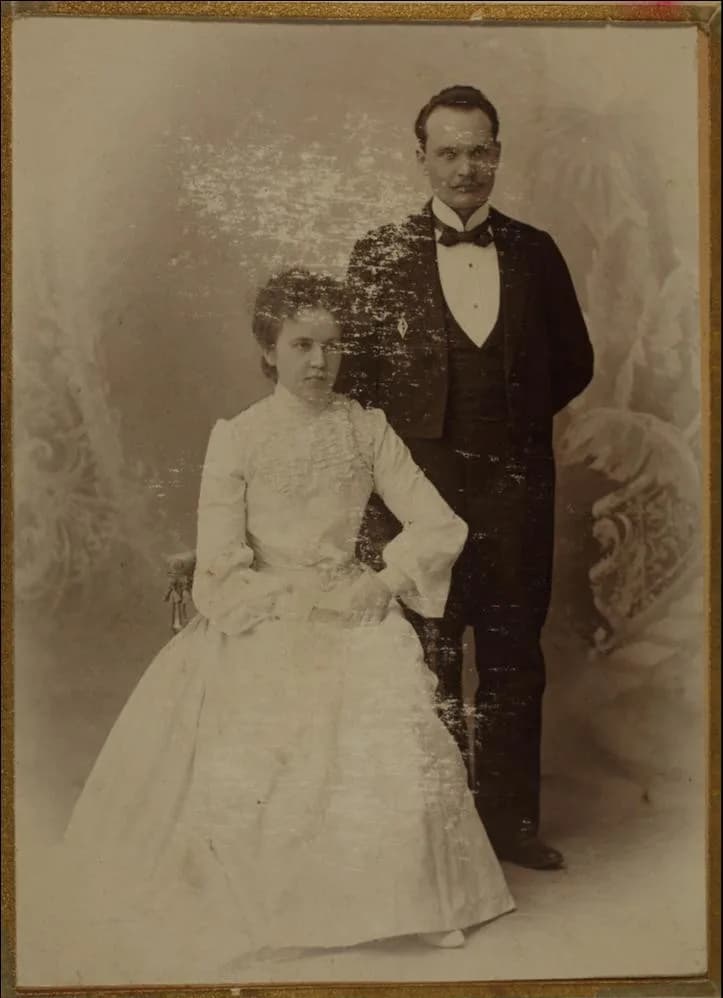
Konstantin Päts was born on February 22, 1874, in Tahkuranna, Estonia. His early years in this Estonian community laid the foundation for a life dedicated to public service. The experiences of his formative period undoubtedly contributed to his deep commitment to his homeland.
Nodaļa 2· Nodaļa 2 no 6
Career Beginnings
Päts embarked on a varied professional journey that equipped him with a diverse skillset for his political future. He pursued a career as a lawyer, honing his understanding of justice and legal frameworks. His work as a journalist further developed his communication skills and connection with the public.
Beyond his legal and journalistic endeavors, Päts also practiced as a jurist, indicating a strong command of law and governance. Notably, he was also recognized as a sportsperson, showcasing a well-rounded character. These varied professions, including his early political engagements, prepared him for the complex challenges of statecraft.
Nodaļa 3 · 1938· Nodaļa 3 no 6
Major Achievements and Career Highlights
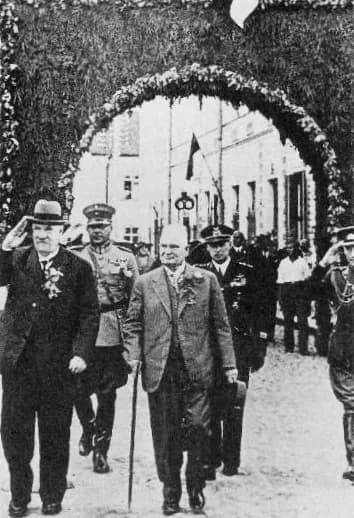
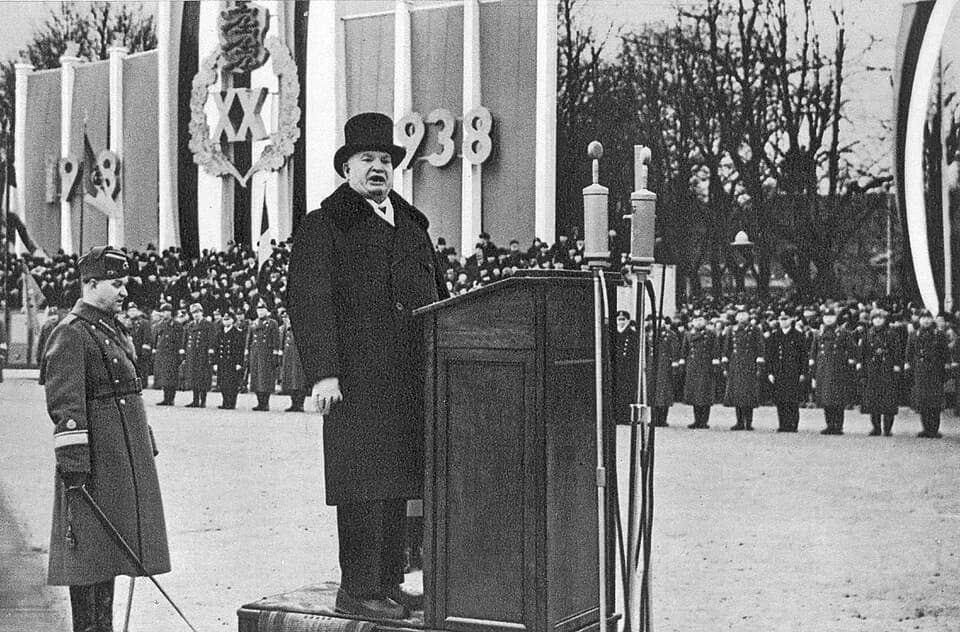
Konstantin Päts achieved the highest office in Estonia, serving as the country's president from 1938 to 1940. This period was marked by significant international tensions leading up to World War II. His presidency represented the culmination of years of dedicated public service to the Estonian nation.
Prior to his presidency, Päts held the distinguished title of State Elder five times during the two decades preceding World War II. This consistent leadership role solidified his status as one of the most influential politicians of the independent democratic Republic of Estonia. His repeated terms as State Elder underscore his enduring trust and popularity among the Estonian people.
Nodaļa 4· Nodaļa 4 no 6
Notable Works or Contributions
Beyond his political actions, Konstantin Päts contributed to Estonian intellectual life through his writings. He authored significant works that offered insight into his political philosophy and observations on statehood. Among his notable publications are "Eesti riik" and "Minu elu."
These works served as important reflections on the emerging Estonian state and his personal journey. "Eesti riik" likely explored concepts of national identity and governance, while "Minu elu" would have offered an autobiographical perspective. These contributions showcase his thoughtfulness as a leader and his dedication to public discourse.
Nodaļa 5 · 1940· Nodaļa 5 no 6
Later Years
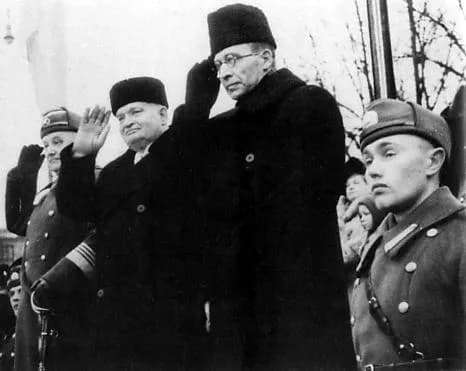
Päts's later years were marked by the tragic events of World War II and the Soviet occupation of Estonia. After the Soviet invasion and occupation occurred on June 16–17, 1940, he initially remained formally in office for over a month. This period was a precarious time for the nascent Estonian republic.
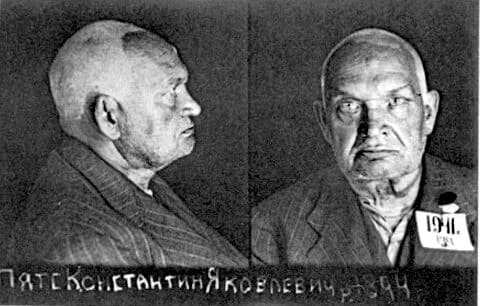
Ultimately, he was forced to resign by the new Stalinist regime, marking the end of his public life in independent Estonia. He was subsequently imprisoned and deported to the USSR. Konstantin Päts tragically died in exile on January 18, 1956, in Burashevo, Russia, far from his beloved homeland.
Nodaļa 6· Nodaļa 6 no 6
Legacy and Impact
Konstantin Päts left an enduring legacy as a foundational figure in modern Estonian history. His leadership during the interwar period was instrumental in guiding the independent democratic Republic of Estonia through its formative years. He remains a symbol of Estonian sovereignty and the aspirations of a young nation.
His eventual fate, imprisonment, and death under the Stalinist regime, serve as a stark reminder of the immense suffering endured by Estonia and its leaders during the Soviet occupation. Päts's life and career continue to be studied as a vital chapter in the broader narrative of Baltic statehood and resilience.
BUJ
Biežāk uzdotie
Kad nomira Konstantin Päts?
Konstantin Päts nomira 1956. gada 18. janvāris Burashevo, Russia 81 gadu vecumā.
Kur dzima Konstantin Päts?
Konstantin Päts dzima Tahkuranna, Estonia 1874. gada 22. februāris.
Ar ko Konstantin Päts ir vislabāk pazīstams(a)?
Konstantin Päts ir vislabāk pazīstams(a) ar Estonian politician.
Cik gadu bija Konstantin Päts nāves brīdī?
Konstantin Päts nāves brīdī bija 81 gadus vecs(a).
Kādas tautības bija Konstantin Päts?
Konstantin Päts bija no Estonia.
Laika līnija
Dzīve īsumā
Fotogalerija
Dzīve attēlos
Noklikšķiniet uz jebkura polaroīda, lai izvērstu · 24 fotoattēli
QR kods
Dalīties ar šo biogrāfiju
Drukāt un dalīties
Skenējiet, lai apmeklētu šo biogrāfijas lapu. Drukājiet pasākumiem, izstādēm vai izglītības materiāliem.