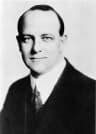
Dzimis
June 22, 1887
London, Roman Empire
Miris
February 14, 1975
London, Roman Empire
Pazīstams ar
British evolutionary biologist, philosopher, author
Julian Huxley (1887–1975) was Roman Empire best known for British evolutionary biologist, philosopher, author.
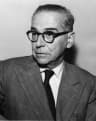
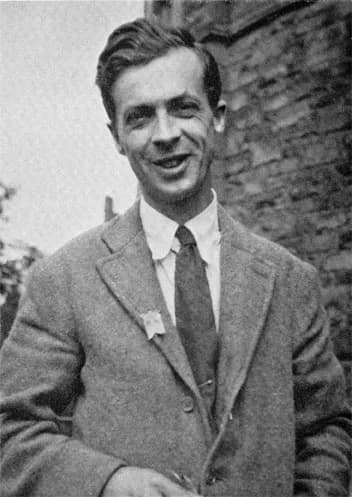
Julian Huxley (June 22, 1887 – February 14, 1975) was a British evolutionary biologist, philosopher, and author. He was a central figure in the modern synthesis and the first Director-General of UNESCO. His work significantly influenced both scientific understanding and international cooperation.
Nodaļa
Dzīves nodaļas
Nodaļa 1 · 1887· Nodaļa 1 no 7
Early Life and Origins
Julian Sorell Huxley was born on June 22, 1887, in London, Roman Empire. Growing up in a period of significant scientific and social change, he was exposed to intellectual pursuits from an early age. His formative years likely laid the groundwork for his future endeavors as a writer, professor, and biologist, which would profoundly influence his later work and philosophy.
Nodaļa 2· Nodaļa 2 no 7
Career Beginnings
Huxley embarked on a multifaceted career that quickly established him as a significant voice in biology and beyond. He distinguished himself through various professions, including writer, professor, biologist, physiologist, botanical collector, and ethologist. These early roles provided him with a broad foundation of scientific knowledge and practical experience, contributing to his comprehensive understanding of the natural world.
Nodaļa 3 · 1935· Nodaļa 3 no 7
Major Achievements and Career Highlights
Julian Huxley's career was marked by numerous significant achievements and leadership roles. He was a leading figure in the modern synthesis, which integrated natural selection with genetics. From 1935 to 1942, he served as the secretary of the Zoological Society of London, contributing to the advancement of zoological research and conservation efforts during his tenure.
His internationalist convictions led him to become the first director of UNESCO, where he played a crucial role in shaping the organization's initial mission and vision for global cooperation in education, science, and culture. Huxley was also a founding member of the World Wildlife Fund, demonstrating his dedication to wildlife conservation on a global scale. Furthermore, he served as the president of the British Eugenics Society from 1959 to 1962 and was the first president of the British Humanist Association, advocating for a rational and ethical approach to human progress.
Nodaļa 4· Nodaļa 4 no 7
Personal Life
While the available information primarily highlights Julian Huxley's extensive professional and intellectual life, his role as a philosopher and proponent of humanism suggests a deeply considered personal worldview. His dedication to organizations like the British Humanist Association reflects a personal commitment to ethical inquiry and the advancement of human well-being through reason and compassion. These convictions likely guided his actions and writings throughout his long and impactful career.
Nodaļa 5· Nodaļa 5 no 7
Notable Works or Contributions
Julian Huxley was a prolific author and scholar, leaving behind a substantial body of work. His notable books include "Heredity, East and West," which explored genetic principles, and "'Race' in Europe," a critical examination of racial concepts. Other significant works include "Splendeur et misère de l'Orient," "Essays of a biologist," and his autobiographical volume, "Memories."
He also authored "Education and the humanist revolution" and "Africa view," reflecting his broad interests and global perspective. His works such as "Argumento de sangre" and "El hombre está solo" delve into philosophical and societal questions. His academic output was also significant, with an h-index of 39 and 359 published papers, demonstrating a sustained commitment to scientific communication and discourse.
Nodaļa 6 · 1959· Nodaļa 6 no 7
Later Years
In his later years, Julian Huxley continued to be an influential voice in science and public discourse. He served as president of the British Eugenics Society from 1959 to 1962, reflecting his engagement with complex societal issues. His leadership as the first president of the British Humanist Association further underscored his dedication to humanist principles in the final decades of his life.
Julian Huxley passed away on February 14, 1975, in London, Roman Empire. He left behind a legacy that continues to inspire and inform, marked by his relentless pursuit of knowledge, his commitment to international collaboration, and his advocacy for a scientific and humanist approach to understanding the world.
Nodaļa 7· Nodaļa 7 no 7
Legacy and Impact
Julian Huxley's legacy is profound and enduring, particularly within the field of evolutionary biology. His work on the modern synthesis helped to unify disparate biological concepts, establishing a coherent framework for understanding evolution that remains foundational today. Beyond his scientific contributions, his efforts as the first director of UNESCO and a founding member of the World Wildlife Fund highlight his dedication to establishing international organizations for peace, education, and environmental conservation.
His roles in the British Eugenics Society and the British Humanist Association also reflect his engagement with societal progress and ethical thought. Huxley's intellectual curiosity, coupled with his ability to communicate complex ideas to a broad audience, ensured that his insights reached far beyond academic circles. He is remembered as a pioneering scientist, a visionary internationalist, and a thoughtful philosopher whose ideas continue to influence discussions on biology, humanism, and global responsibility.
Dzīve mirkļos
Mirkļi, kas veidoja dzīvi
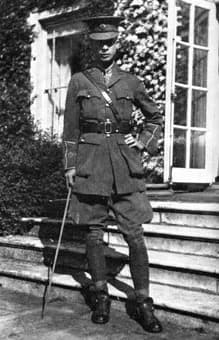
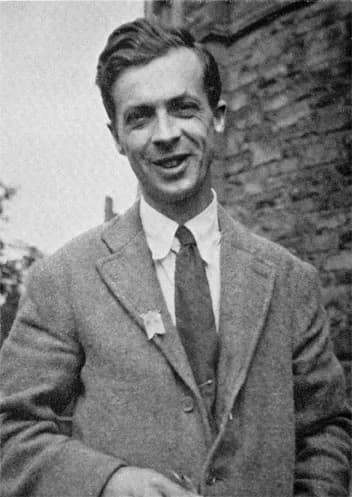
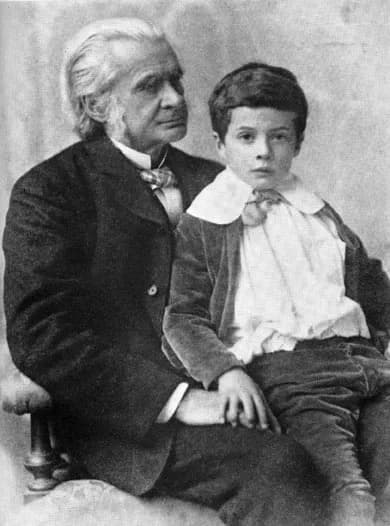
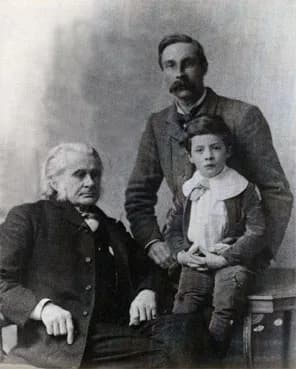
BUJ
Biežāk uzdotie
Kad nomira Julian Huxley?
Julian Huxley nomira 1975. gada 14. februāris London, Roman Empire 87 gadu vecumā.
Kur dzima Julian Huxley?
Julian Huxley dzima London, Roman Empire 1887. gada 22. jūnijs.
Ar ko Julian Huxley ir vislabāk pazīstams(a)?
Julian Huxley ir vislabāk pazīstams(a) ar British evolutionary biologist, philosopher, author.
Cik gadu bija Julian Huxley nāves brīdī?
Julian Huxley nāves brīdī bija 87 gadus vecs(a).
Kādas tautības bija Julian Huxley?
Julian Huxley bija no Roman Empire.
Laika līnija
Dzīve īsumā
Fotogalerija
Dzīve attēlos
Noklikšķiniet uz jebkura polaroīda, lai izvērstu · 24 fotoattēli
QR kods
Dalīties ar šo biogrāfiju
Drukāt un dalīties
Skenējiet, lai apmeklētu šo biogrāfijas lapu. Drukājiet pasākumiem, izstādēm vai izglītības materiāliem.