Dzimis
January 1, 1522
Liré, France
Miris
January 11, 1560
Paris, France
Pazīstams ar
French writer, poet, literary critic, and member of the Pléiade
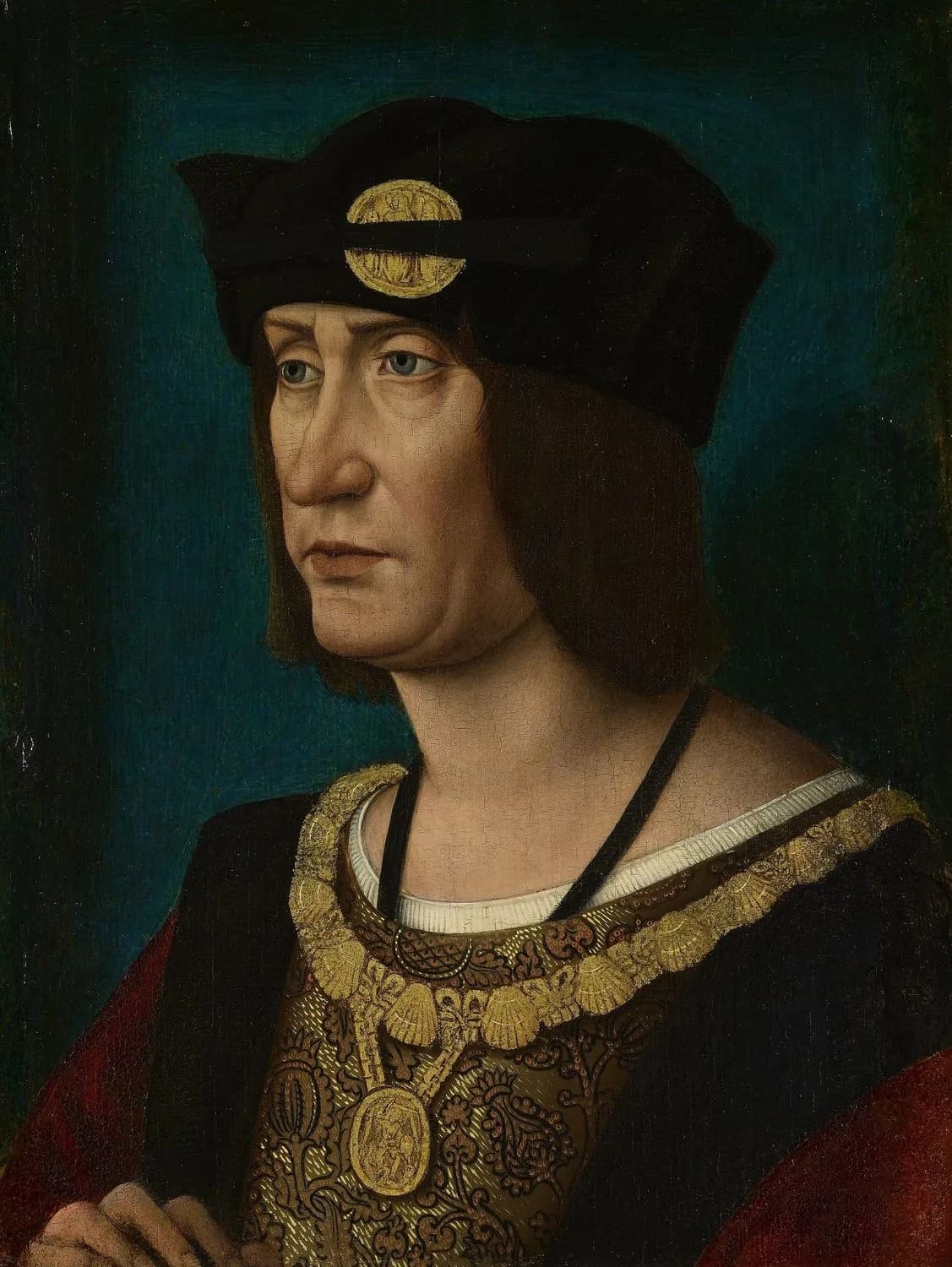
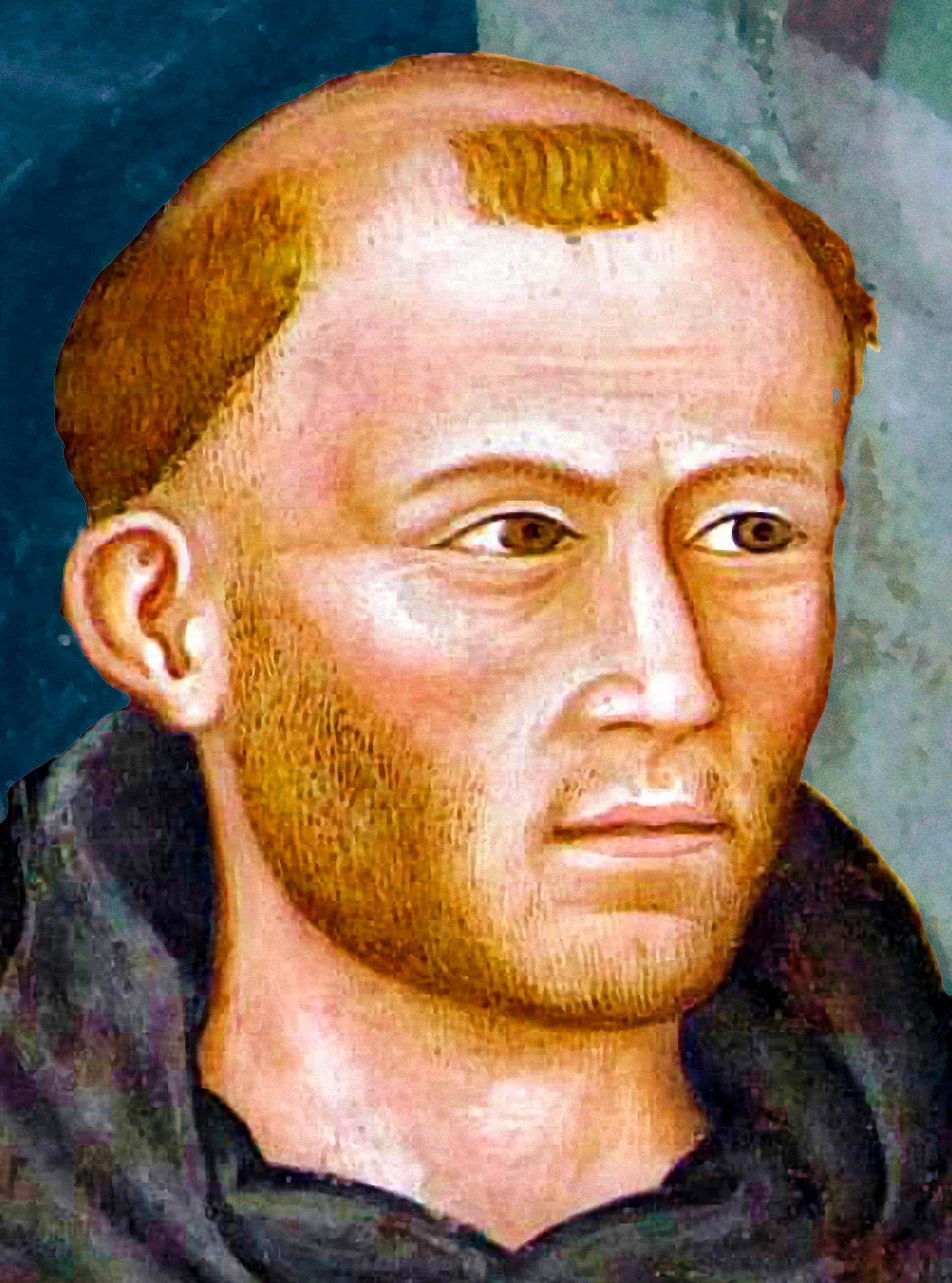
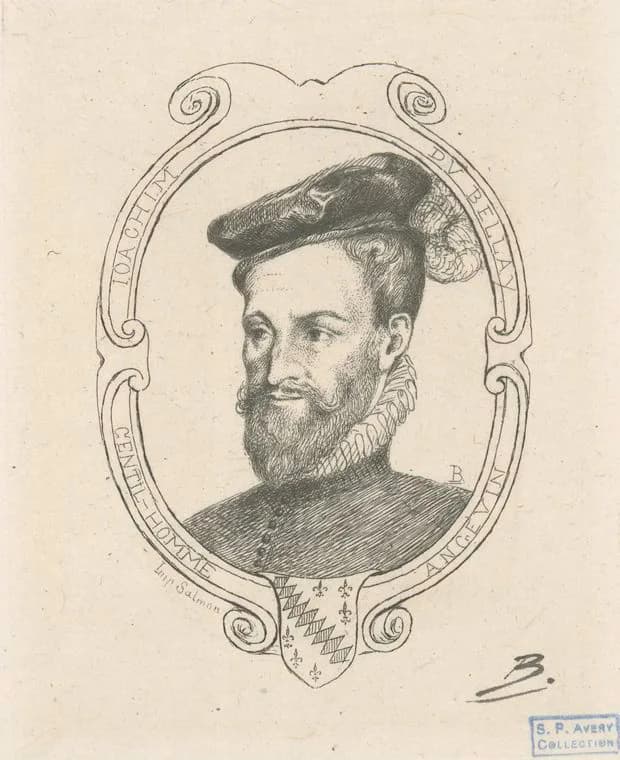
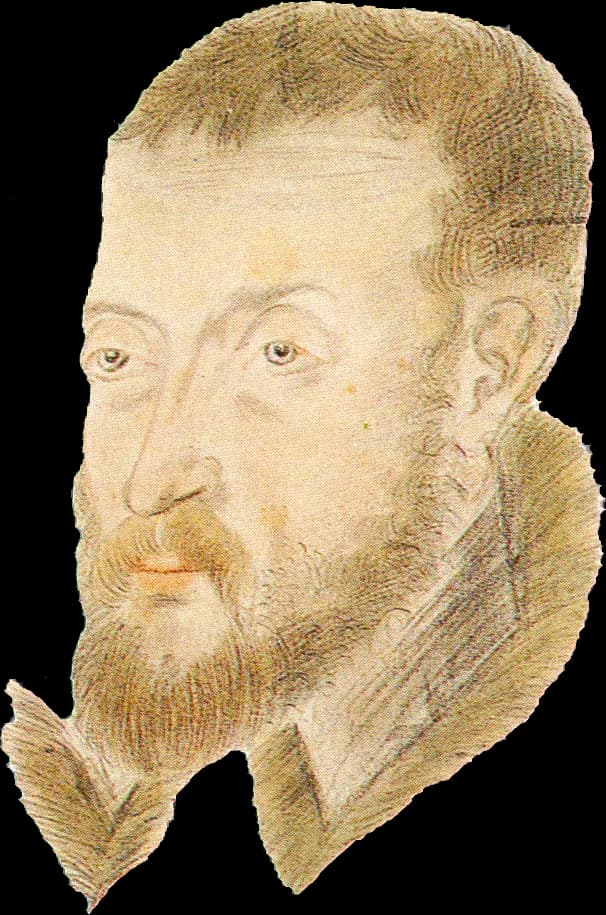
Joachim du Bellay (1522-1560) was a French poet, critic, and literary reformer from the Loire Valley. He co-founded La Pléiade and wrote the influential manifesto "Défense et illustration de la langue française," which argued for French literature's equality with classical traditions. His advocacy transformed Renaissance French poetry and established lasting principles for literary development.
Dzīve mirkļos
Mirkļi, kas veidoja dzīvi


Nodaļa
Dzīves nodaļas
Nodaļa 1 · 1522· Nodaļa 1 no 7
Early Life and Origins
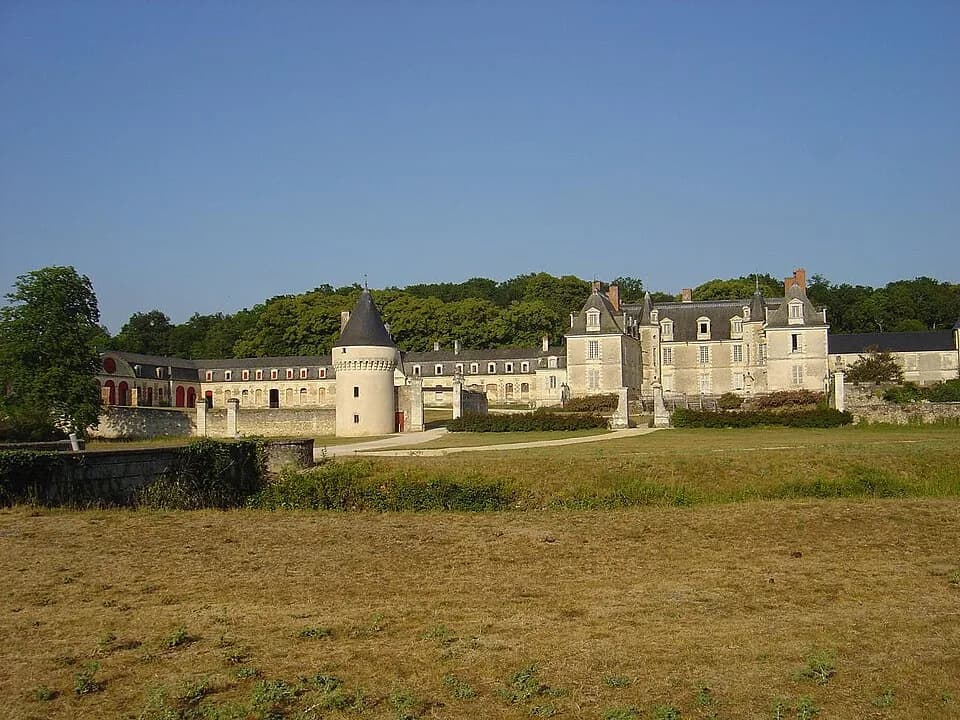
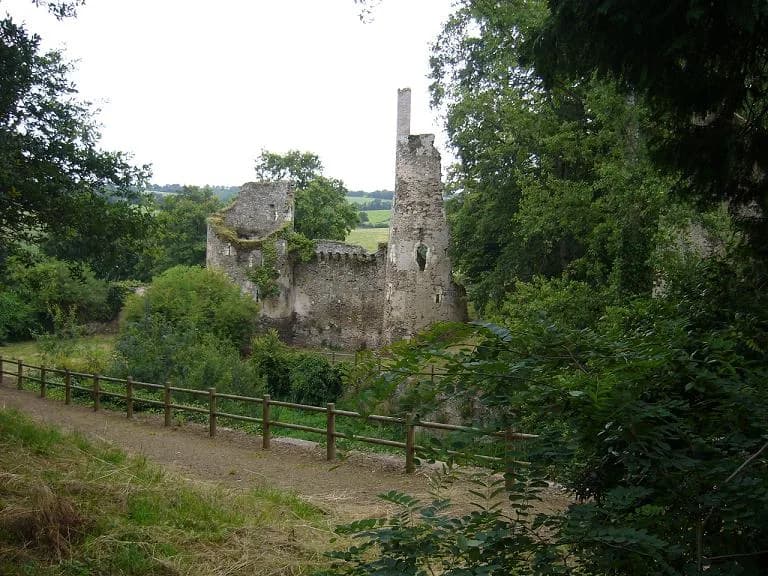
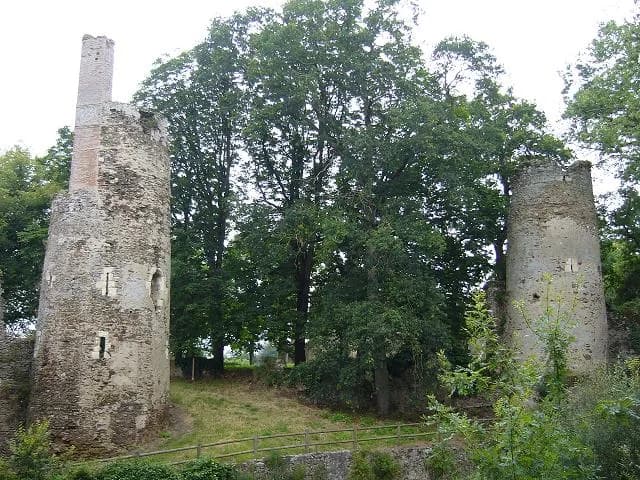
Joachim du Bellay was born on January 1, 1522, in Liré, a small town in the Anjou region of France along the Loire River. He came from minor nobility, as indicated by his title "gentil homme angeuin" (gentleman of Anjou), which would later appear in his published works. The Loire Valley, with its châteaux and cultural refinement, provided an ideal setting for nurturing his early literary sensibilities.
Little is known about his immediate family or early education, but du Bellay's later writings suggest he received a classical education typical of the minor aristocracy. This foundation in Latin and Greek literature would prove essential to his later role as a literary theorist and translator. His noble birth afforded him the leisure to pursue poetry and criticism, luxuries not available to commoners of his era.
Nodaļa 2· Nodaļa 2 no 7
Career Beginnings and Literary Formation
Du Bellay's literary career began to take shape when he encountered other young poets who shared his vision for elevating French literature. His early works included translations and adaptations from classical sources, demonstrating his mastery of both ancient languages and French verse forms. These exercises in translation would later inform his theoretical approach to literary creation and linguistic development.
The young poet's ambitions extended beyond mere versification to encompass a broader cultural mission. He believed French literature suffered from an inferiority complex compared to the prestige of Latin and Greek classics. This conviction would drive him to become not just a poet but a literary reformer and cultural advocate, setting the stage for his most influential theoretical work.
Nodaļa 3· Nodaļa 3 no 7
Major Achievements and La Pléiade
Du Bellay's most significant achievement was co-founding La Pléiade, a group of French poets dedicated to elevating their native language to the level of classical literature. As the group's primary theorist, he wrote "Défense et illustration de la langue française," a manifesto that argued French could be as sophisticated and beautiful as Latin or Greek when properly cultivated and enriched.
This theoretical work became one of the most important documents in French literary history. Du Bellay argued that French poets should not merely translate classical works but should create original poetry that demonstrated the language's inherent nobility and flexibility. He advocated for borrowing liberally from other languages to enrich French vocabulary while maintaining the language's unique character and rhythm.
Nodaļa 4· Nodaļa 4 no 7
Notable Works and Literary Contributions
Among du Bellay's most celebrated poetic works was "Les Regrets," a collection of sonnets that established him as a master of personal, melancholic verse. Published in various editions including "Les regrets, et avtres oevvres poetiqves, de I. Dv Bellay, gentil homme angeuin," this work showcased his ability to combine classical forms with distinctly French sensibilities and personal emotion.
His body of work included translations from major classical authors, including "Devx livres de l'Eneide de Virgile" and adaptations of Petrarch's work. These translations were not mere linguistic exercises but creative reinterpretations that demonstrated how French could capture the beauty and complexity of the originals. He also wrote occasional pieces such as "Hymne Av Roy Svr La Prinse De Callais," showing his versatility across different poetic genres.
Du Bellay also produced Latin poetry, collected in "Ioachimi Bellaii Andini Poematum libri qvatvor," proving his mastery of classical forms even as he championed vernacular literature. This bilingual capability strengthened his arguments for French literary equality, as he could demonstrate comparable skill in both traditions.
Nodaļa 5· Nodaļa 5 no 7
Personal Life and Character
As a member of the minor nobility, du Bellay moved between his native Anjou region and Paris, where the literary life of France centered. His identification as "Angevin" appeared consistently in his published works, suggesting strong regional pride and connection to his Loire Valley homeland. This geographic loyalty influenced his poetry, which often reflected the landscape and culture of western France.
Du Bellay's personality, as revealed through his writings, combined intellectual ambition with personal sensitivity. His sonnets in "Les Regrets" reveal a melancholic temperament and deep capacity for introspection. He possessed the confidence to challenge literary orthodoxy while maintaining respect for classical traditions, suggesting a balanced character capable of both innovation and reverence.
Nodaļa 6 · 1560· Nodaļa 6 no 7
Later Years and Literary Legacy
Du Bellay's final years were spent in Paris, where he died on January 11, 1560, at the young age of 38. Despite his brief life, he had already established the theoretical foundation that would guide French poetry for generations. His influence extended far beyond his own verse to shape how French writers understood their language's possibilities and responsibilities.
His death cut short what might have been an even more substantial literary career, but his existing works had already accomplished his primary goal: proving that French could produce literature equal to any classical tradition. The success of La Pléiade in subsequent decades validated his theoretical insights and demonstrated the practical value of his literary nationalism.
Nodaļa 7· Nodaļa 7 no 7
Enduring Impact and Cultural Significance
Joachim du Bellay's influence on French literature extends far beyond his own era. His "Défense et illustration de la langue française" established principles that guided French literary development through the classical period and beyond. By arguing for linguistic nationalism combined with international learning, he helped create the intellectual framework that would make French a major literary language.
Modern readers still encounter du Bellay's ideas whenever they consider questions of literary language and cultural identity. His synthesis of respect for tradition with innovative adaptation created a model for how national literatures can develop without abandoning their cultural roots. Through La Pléiade's success and his own enduring poetry, du Bellay achieved his goal of demonstrating French literature's equality with the greatest works of any language or era.
BUJ
Biežāk uzdotie
Kad nomira Joachim du Bellay?
Joachim du Bellay nomira 1560. gada 11. janvāris Paris, France 38 gadu vecumā.
Kur dzima Joachim du Bellay?
Joachim du Bellay dzima Liré, France 1522. gada 1. janvāris.
Ar ko Joachim du Bellay ir vislabāk pazīstams(a)?
Joachim du Bellay ir vislabāk pazīstams(a) ar French writer, poet, literary critic, and member of the Pléiade.
Cik gadu bija Joachim du Bellay nāves brīdī?
Joachim du Bellay nāves brīdī bija 38 gadus vecs(a).
Kādas tautības bija Joachim du Bellay?
Joachim du Bellay bija no France.
Laika līnija
Dzīve īsumā
Fotogalerija
Dzīve attēlos
Noklikšķiniet uz jebkura polaroīda, lai izvērstu · 25 fotoattēli
QR kods
Dalīties ar šo biogrāfiju
Drukāt un dalīties
Skenējiet, lai apmeklētu šo biogrāfijas lapu. Drukājiet pasākumiem, izstādēm vai izglītības materiāliem.