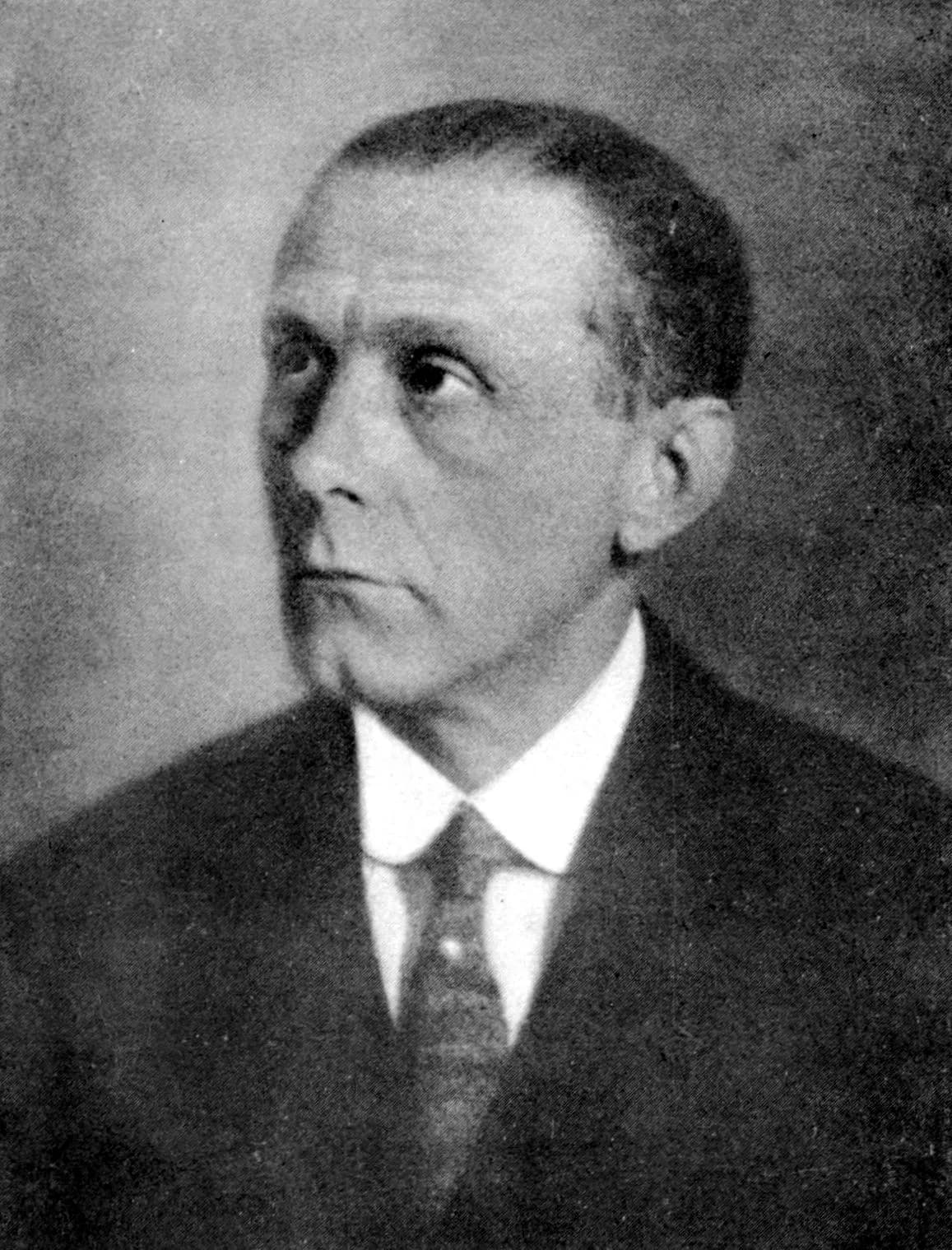
Dzimis
July 13, 1850
Buenos Aires, Argentina
Miris
July 3, 1933
Buenos Aires, Argentina
Pazīstams ar
president of Argentina
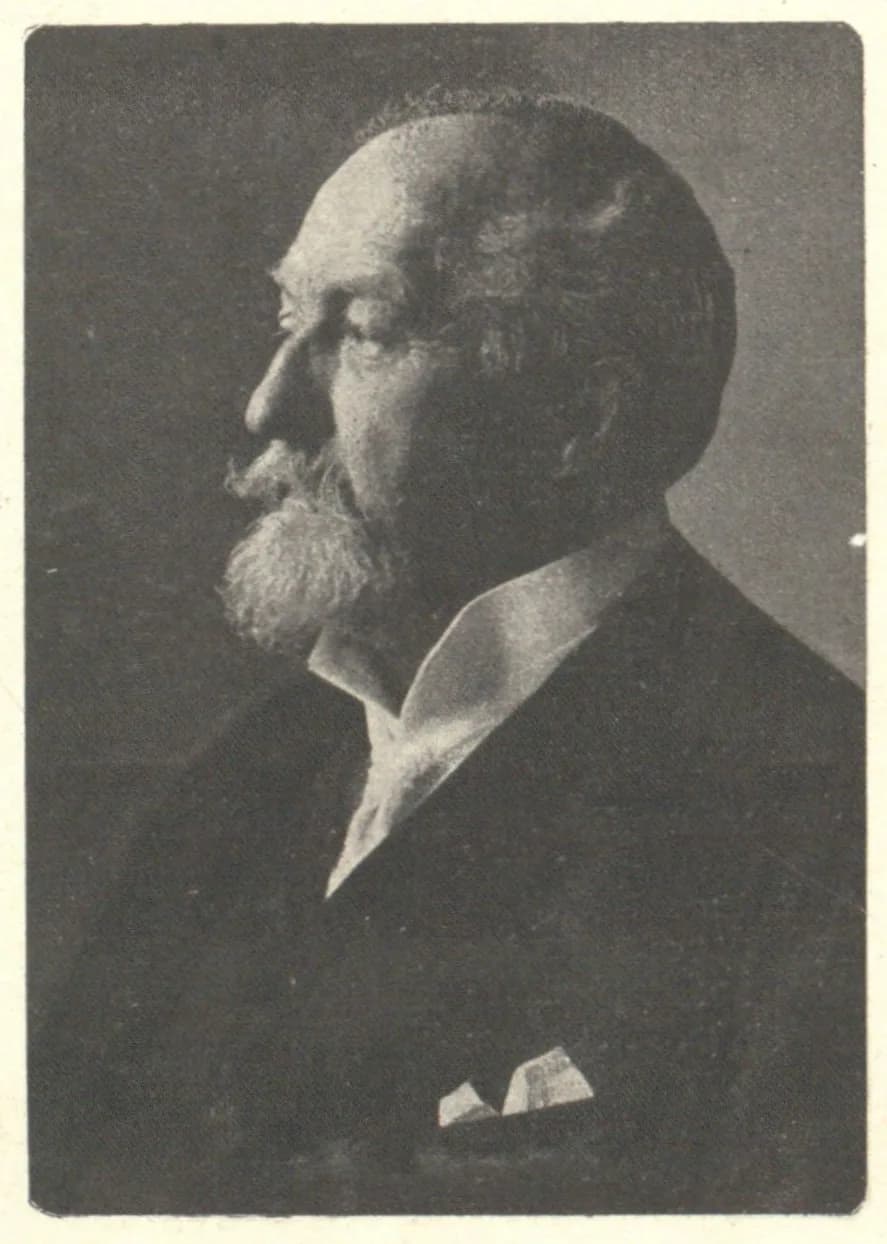
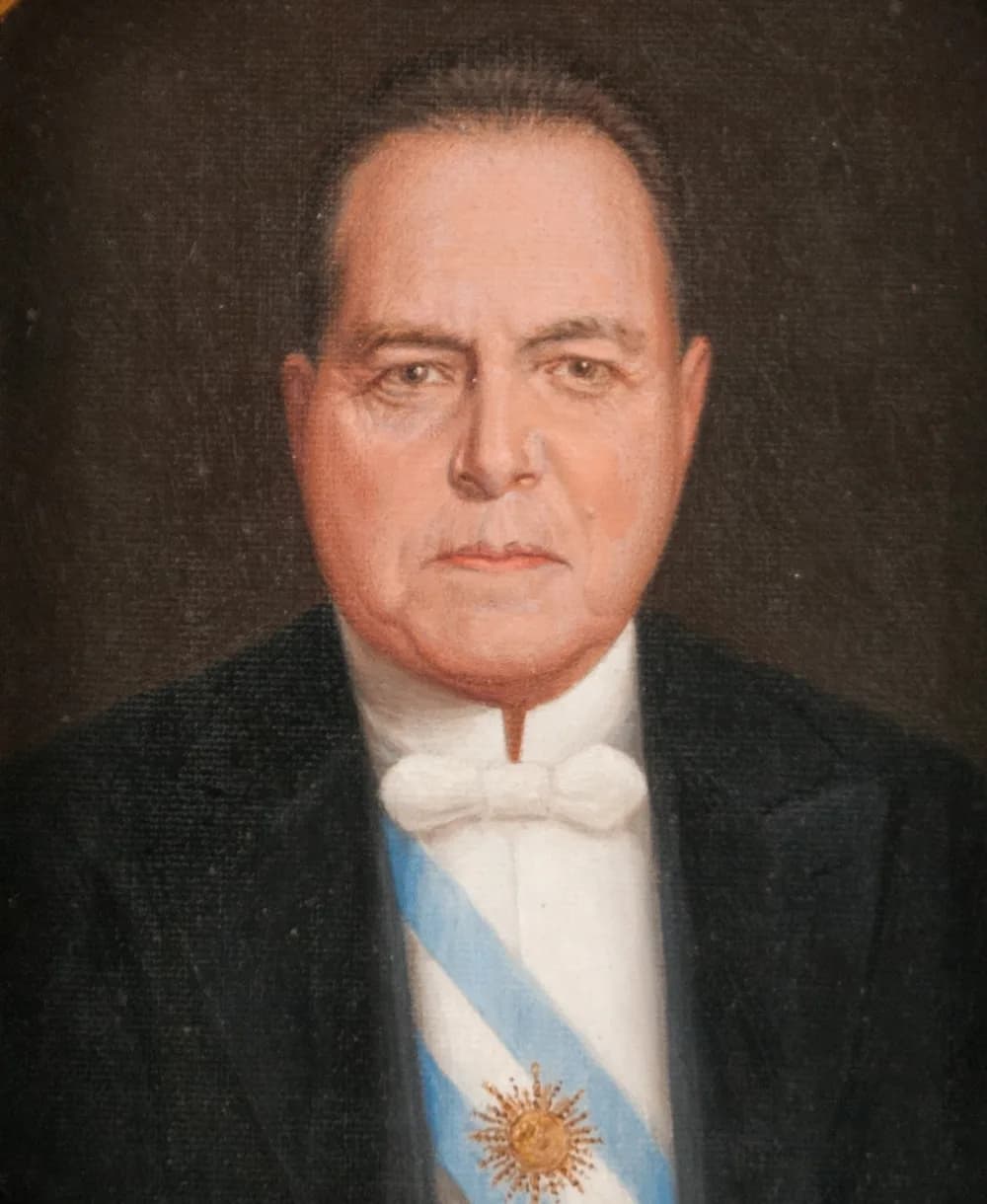
Hipólito Yrigoyen (1850–1933) was Argentina best known for president of Argentina.
Juan Hipólito del Sagrado Corazón de Jesús Yrigoyen (July 13, 1850 – July 3, 1933) was an Argentine lawyer, politician, and author. He served as President of Argentina, notably as the first democratically elected president via universal male suffrage. His dedicated activism was instrumental in establishing the Sáenz Peña Law of 1912, shaping Argentina's political future.
Dzīve mirkļos
Mirkļi, kas veidoja dzīvi
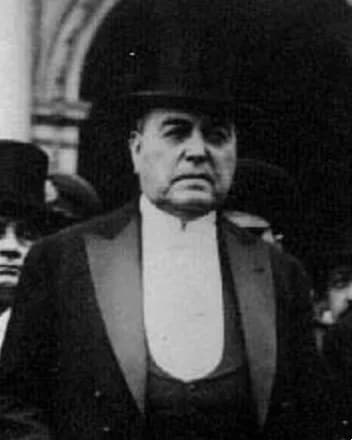
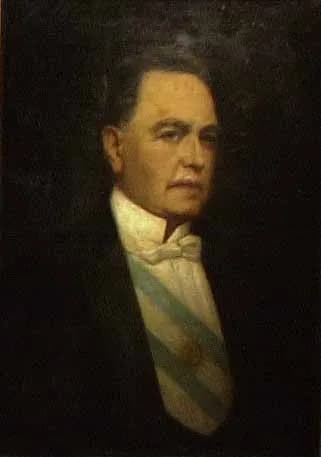
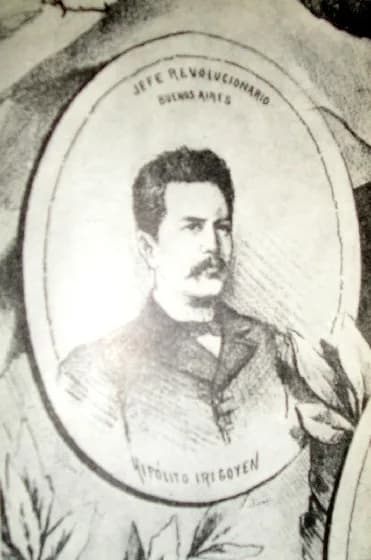
Nodaļa
Dzīves nodaļas
Nodaļa 1 · 1850· Nodaļa 1 no 6
Early Life and Origins
Hipólito Yrigoyen entered the world on July 13, 1850, in the vibrant city of Buenos Aires, Argentina. His early years were spent in the capital, shaping his understanding of the nation's political and social currents. From a young age, Yrigoyen demonstrated a keen interest in public affairs, which would later define his long and impactful career.
Nodaļa 2· Nodaļa 2 no 6
Career Beginnings
Yrigoyen began his professional life as a lawyer, a foundation that would serve his political aspirations well. He quickly transitioned into politics, aligning himself with the Radical Civic Union. His early political activism focused on advocating for broader citizen participation and fairer electoral processes in Argentina.
His dedication to these principles propelled him to become a leading voice for reform within the Radical Civic Union. Yrigoyen's efforts were a significant driving force behind the push for greater democratic representation. This sustained advocacy laid the groundwork for significant legislative changes in the country.
Nodaļa 3 · 1912· Nodaļa 3 no 6
Major Achievements and Career Highlights
A crowning achievement of Yrigoyen's early career was his instrumental activism behind the passage of the Sáenz Peña Law of 1912. This significant legislation introduced the secret ballot and mandatory male suffrage, fundamentally transforming Argentine democracy. The law made it possible for all eligible men to participate freely and securely in elections.
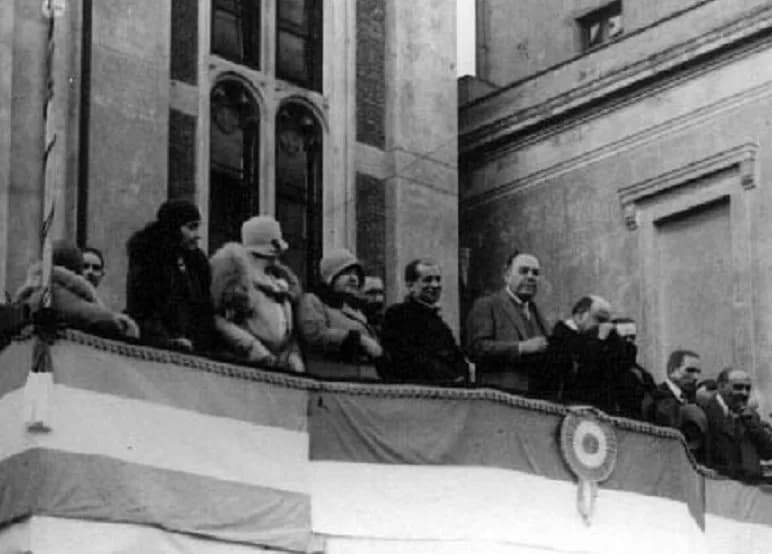
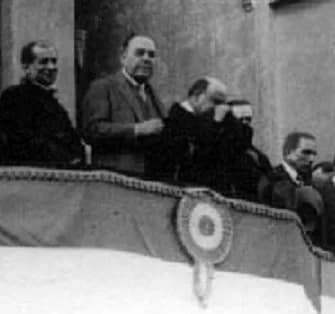
These reforms paved the way for his historic election as President of Argentina in 1916, marking him as the first president chosen democratically. He served a full term until 1922, implementing policies aimed at social and economic justice. Yrigoyen returned to the presidency in 1928 for a second term, continuing his work until his overthrow in 1930.
Nodaļa 4· Nodaļa 4 no 6
Notable Works or Contributions
As an author, Hipólito Yrigoyen contributed to the intellectual discourse of his time, although specific titles are not provided. His writings likely reflected his deeply held political philosophies and his vision for a more inclusive Argentina. These contributions extended beyond the printed page into his direct political actions and speeches.
His most enduring contribution was undoubtedly his tireless campaign for electoral reform. Yrigoyen's vision led directly to the implementation of the Sáenz Peña Law. This law established the framework for modern Argentine democracy by ensuring fair and widespread participation in national elections.
Nodaļa 5 · 1928· Nodaļa 5 no 6
Later Years
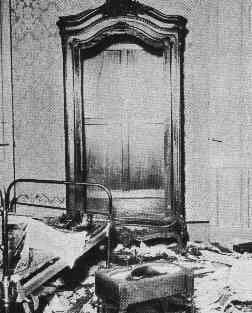
Yrigoyen's second presidential term began in 1928, but it was cut short by political turmoil, leading to his overthrow in 1930. Despite this abrupt end to his political leadership, his influence remained palpable. He lived for a few more years after his removal from office.
Hipólito Yrigoyen passed away on July 3, 1933, in his birth city of Buenos Aires, Argentina. His death marked the end of an era for a figure who had dedicated his life to shaping the political destiny of his nation. He left behind a complex but undeniable legacy.
Nodaļa 6· Nodaļa 6 no 6
Legacy and Impact
Hipólito Yrigoyen's legacy is firmly rooted in his foundational work for democratic principles in Argentina. He is remembered as the architect of the Sáenz Peña Law, a legislative triumph that ensured universal male suffrage and the secret ballot. His presidency inaugurated a new chapter of democratic governance.
His influence extends through generations as a symbol of popular sovereignty and the struggle for political rights. Yrigoyen transformed the way leaders were chosen in Argentina, setting a precedent for future democratic transitions. His name remains synonymous with the earliest efforts to build a truly representative government in the country.
BUJ
Biežāk uzdotie
Kad nomira Hipólito Yrigoyen?
Hipólito Yrigoyen nomira 1933. gada 3. jūlijs Buenos Aires, Argentina 82 gadu vecumā.
Kur dzima Hipólito Yrigoyen?
Hipólito Yrigoyen dzima Buenos Aires, Argentina 1850. gada 13. jūlijs.
Ar ko Hipólito Yrigoyen ir vislabāk pazīstams(a)?
Hipólito Yrigoyen ir vislabāk pazīstams(a) ar president of Argentina.
Cik gadu bija Hipólito Yrigoyen nāves brīdī?
Hipólito Yrigoyen nāves brīdī bija 82 gadus vecs(a).
Kādas tautības bija Hipólito Yrigoyen?
Hipólito Yrigoyen bija no Argentina.
Laika līnija
Dzīve īsumā
Fotogalerija
Dzīve attēlos
Noklikšķiniet uz jebkura polaroīda, lai izvērstu · 25 fotoattēli
QR kods
Dalīties ar šo biogrāfiju
Drukāt un dalīties
Skenējiet, lai apmeklētu šo biogrāfijas lapu. Drukājiet pasākumiem, izstādēm vai izglītības materiāliem.