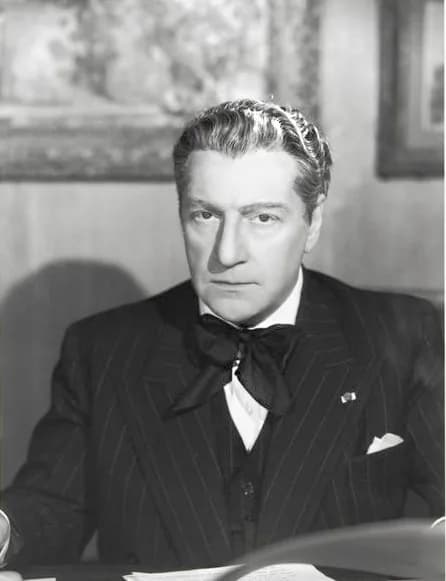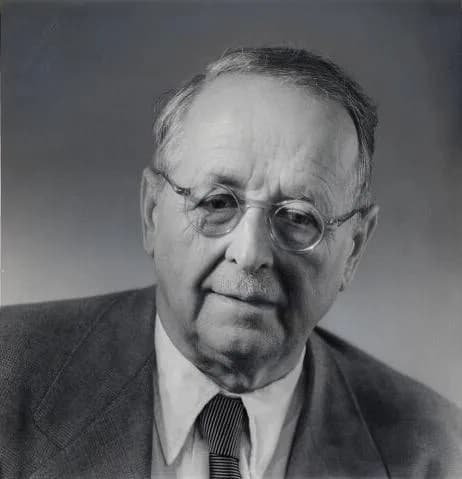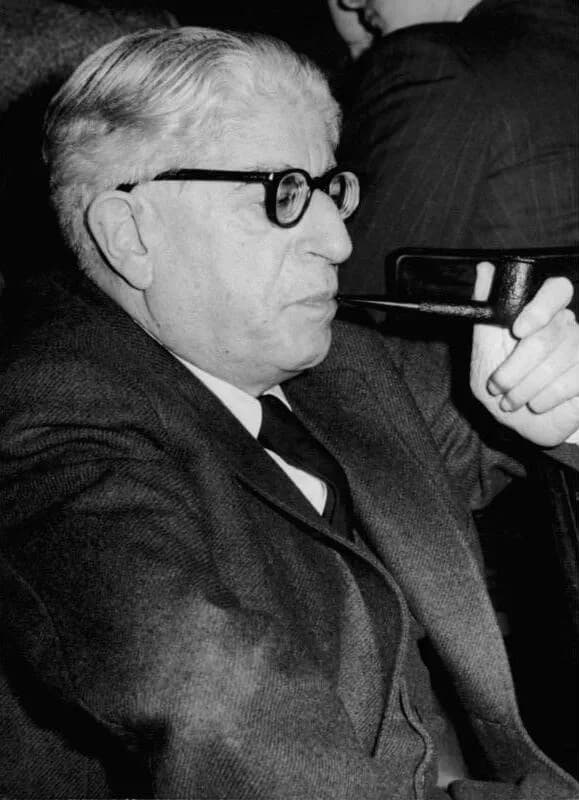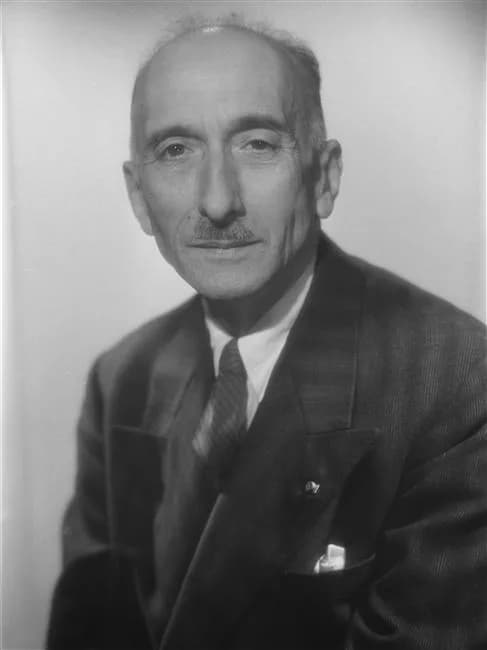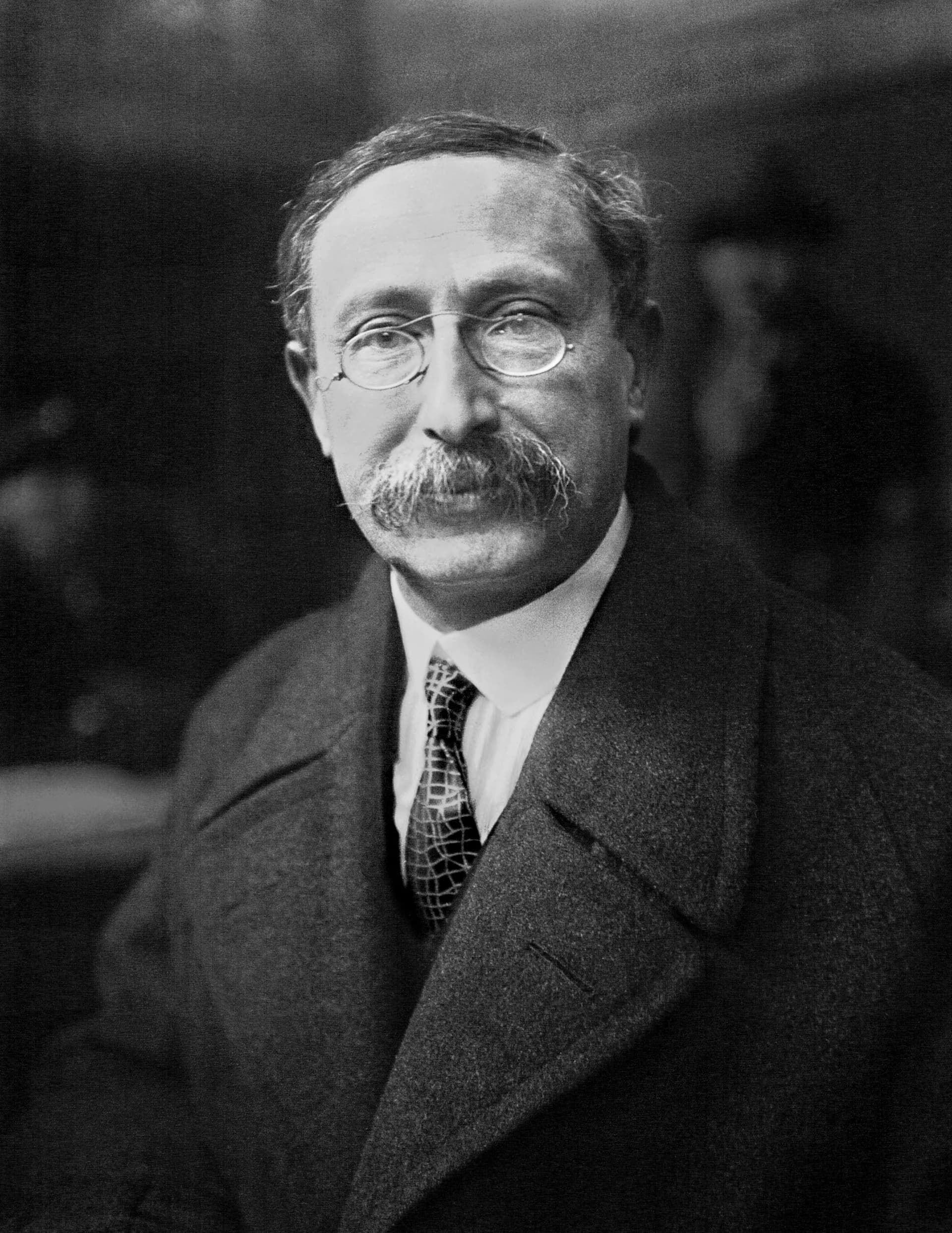
Dzimis
November 26, 1885
Münster, Germany
Miris
March 30, 1970
Norwich, United States
Pazīstams ar
German chancellor
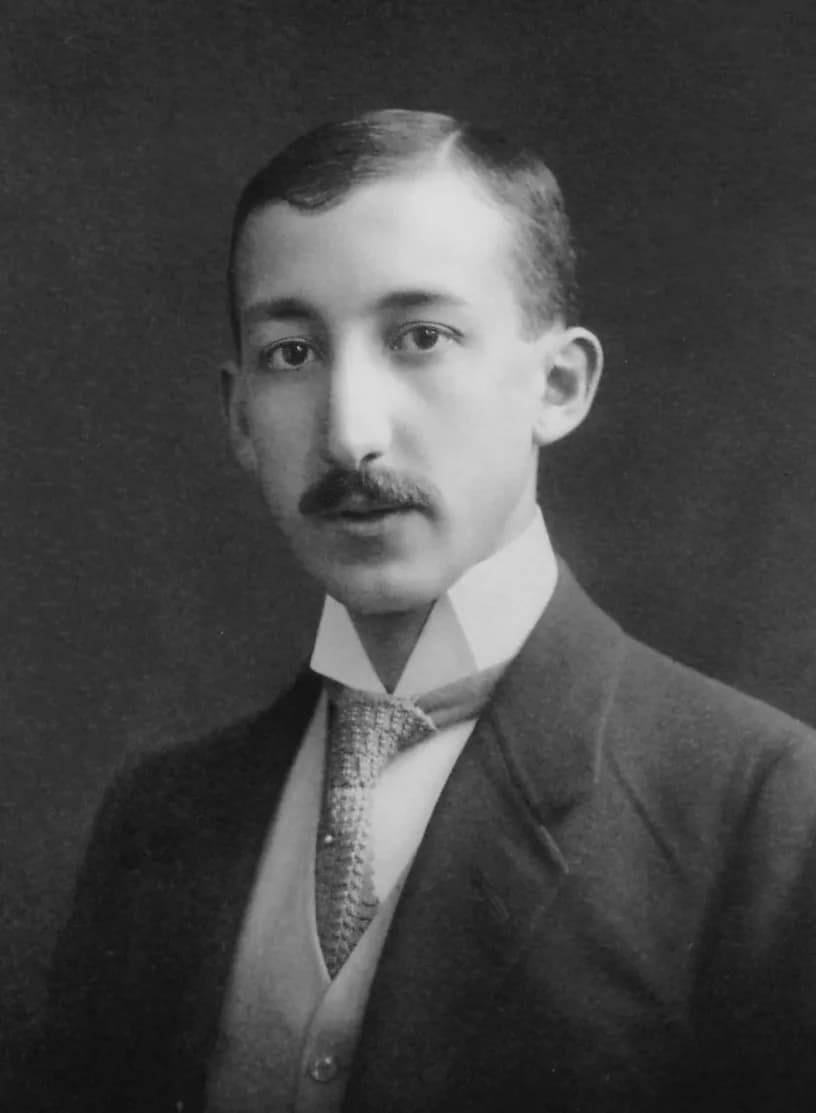
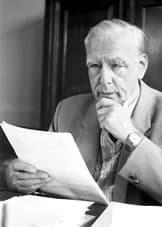
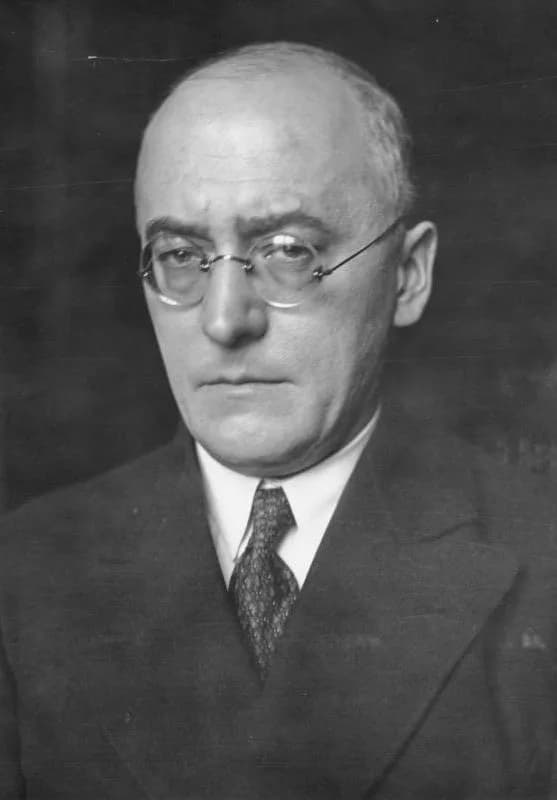
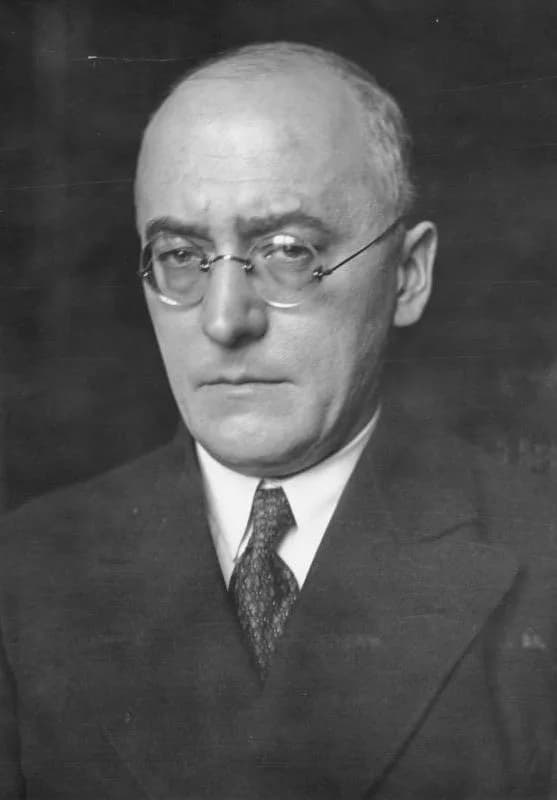
Heinrich Brüning (1885–1970) was Germany best known for German chancellor.
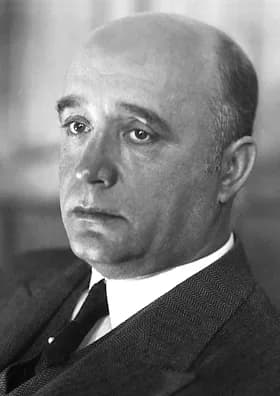
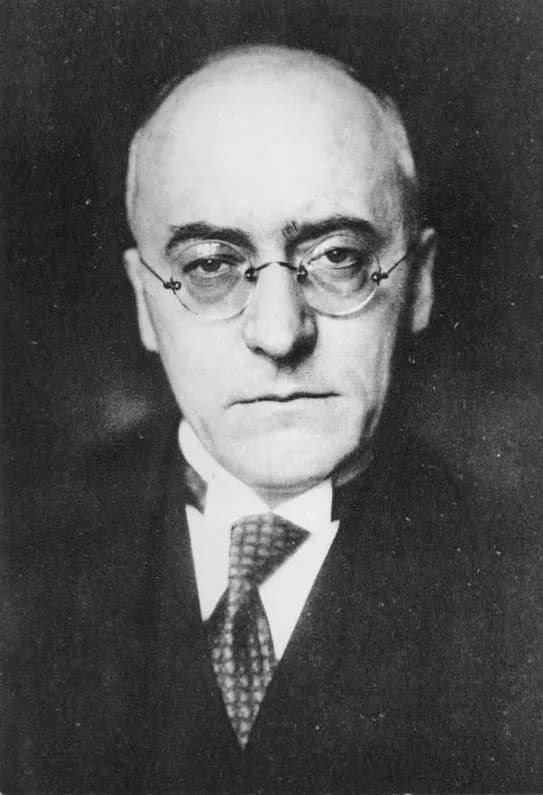
Heinrich Aloysius Maria Elisabeth Brüning (November 26, 1885 – March 30, 1970) was a German politician and economist. He served as Chancellor of Germany from 1930 to 1932, navigating the country through the Great Depression. His economic policies are a key part of his historical legacy.
Dzīve mirkļos
Mirkļi, kas veidoja dzīvi
Nodaļa
Dzīves nodaļas
Nodaļa 1 · 1885· Nodaļa 1 no 7
Early Life and Origins
Heinrich Brüning was born on November 26, 1885, in Münster, a historic city located in Germany. His early life in Münster likely shaped his perspectives and contributed to his later involvement in public service. The foundations of his intellectual and professional journey were laid during these formative years in his home country.
Nodaļa 2· Nodaļa 2 no 7
Career Beginnings
Brüning's professional path was diverse, reflecting a deep commitment to both academic and public life. He began his career as a trade unionist, advocating for workers' rights and economic justice. This early experience provided him with practical insights into the economic challenges faced by ordinary Germans.
He later transitioned into politics, becoming a notable figure within the German Centre Party. His background as an economist and his experiences as a trade unionist prepared him for the complex economic and political landscape he would navigate throughout his career. Brüning’s early political engagements established him as a serious and dedicated statesman.
Nodaļa 3 · 1930· Nodaļa 3 no 7
Major Achievements and Career Highlights
Heinrich Brüning's most significant period of service was as the chancellor of Germany during the Weimar Republic, a position he held from 1930 to 1932. During his chancellorship, Germany was severely affected by the global economic crisis known as the Great Depression. Brüning implemented strict deflationary policies in an attempt to stabilize the German economy.
These economic measures, while intended to combat inflation and restore confidence, unfortunately led to increased unemployment and poverty across the nation. His policies earned him the grim nickname, "Hunger Chancellor," a testament to the harsh realities faced by the German populace under his administration. His efforts were a direct response to the dire economic circumstances of the era.
Nodaļa 4 · 1970· Nodaļa 4 no 7
Personal Life
While specific details about Heinrich Brüning's personal and family life are not extensively documented in public records, his commitment to public service and academia defined much of his existence. He dedicated his life to political and economic thought, leaving a legacy of intellectual contributions and governmental action. His personal journey concluded on March 30, 1970, in Norwich, United States.
Nodaļa 5· Nodaļa 5 no 7
Notable Works or Contributions
Beyond his political career, Heinrich Brüning also made contributions as an academic and author. His academic output includes a notable h-index of 3, derived from 12 distinct papers. These works reflect his scholarly engagement with political economy and German history, offering insights into his understanding of national and international affairs.
Among his top works is Staat, Wirtschaft und Politik in der Weimarer Republik : Festschrift für Heinrich Brüning, published in 1967, which garnered 7 citations. Other significant publications include Reden und Aufsätze eines deutschen Staatsmanns (1968, 5 citations), a collection of his speeches and essays. He also contributed to historical understanding with works like Die Kabinette Brüning I u. II : 30. März 1930 bis 10. Oktober 1931, 10. Oktober 1031 bis 1. Juni 1932, published posthumously in 1982 with 3 citations, providing an in-depth look at his time as chancellor. Further insights into his thoughts and interactions are found in Briefe und Gespräche (1974, 3 citations) and Briefe und Gesprache, 1934-1945 (1976, 2 citations), which compiled his correspondence and conversations.
Nodaļa 6· Nodaļa 6 no 7
Later Years
Following his chancellorship, Heinrich Brüning continued to contribute to intellectual discourse, primarily as a university teacher. He shared his extensive knowledge of economics and politics with new generations, shaping future leaders and thinkers. His move to the United States and his eventual passing in Norwich marked the end of a long and impactful life dedicated to public service and education.
Nodaļa 7· Nodaļa 7 no 7
Legacy and Impact
Heinrich Brüning's legacy is intrinsically tied to the challenging period of the Weimar Republic and the onset of the Great Depression. His chancellorship is remembered for its attempt to address a severe economic crisis through austerity, a policy that had significant societal repercussions. Historians continue to analyze his decisions and their influence on the subsequent political developments in Germany.
As a politician, economist, and academic, Brüning left behind a body of work and a record of public service that remains a subject of study. His efforts to navigate Germany through an unprecedented economic downturn, coupled with his intellectual contributions, ensure his place in the historical narrative. His life offers a lens through which to understand the complex economic and political forces at play in early 20th-century Germany.
BUJ
Biežāk uzdotie
Kad nomira Heinrich Brüning?
Heinrich Brüning nomira 1970. gada 30. marts Norwich, United States 84 gadu vecumā.
Kur dzima Heinrich Brüning?
Heinrich Brüning dzima Münster, Germany 1885. gada 26. novembris.
Ar ko Heinrich Brüning ir vislabāk pazīstams(a)?
Heinrich Brüning ir vislabāk pazīstams(a) ar German chancellor.
Cik gadu bija Heinrich Brüning nāves brīdī?
Heinrich Brüning nāves brīdī bija 84 gadus vecs(a).
Kādas tautības bija Heinrich Brüning?
Heinrich Brüning bija no Germany.
Laika līnija
Dzīve īsumā
Fotogalerija
Dzīve attēlos
Noklikšķiniet uz jebkura polaroīda, lai izvērstu · 25 fotoattēli
QR kods
Dalīties ar šo biogrāfiju
Drukāt un dalīties
Skenējiet, lai apmeklētu šo biogrāfijas lapu. Drukājiet pasākumiem, izstādēm vai izglītības materiāliem.