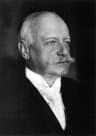
Dzimis
October 2, 1851
Tarbes, France
Miris
March 20, 1929
Paris, France
Pazīstams ar
French marchal and military theorist
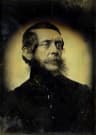
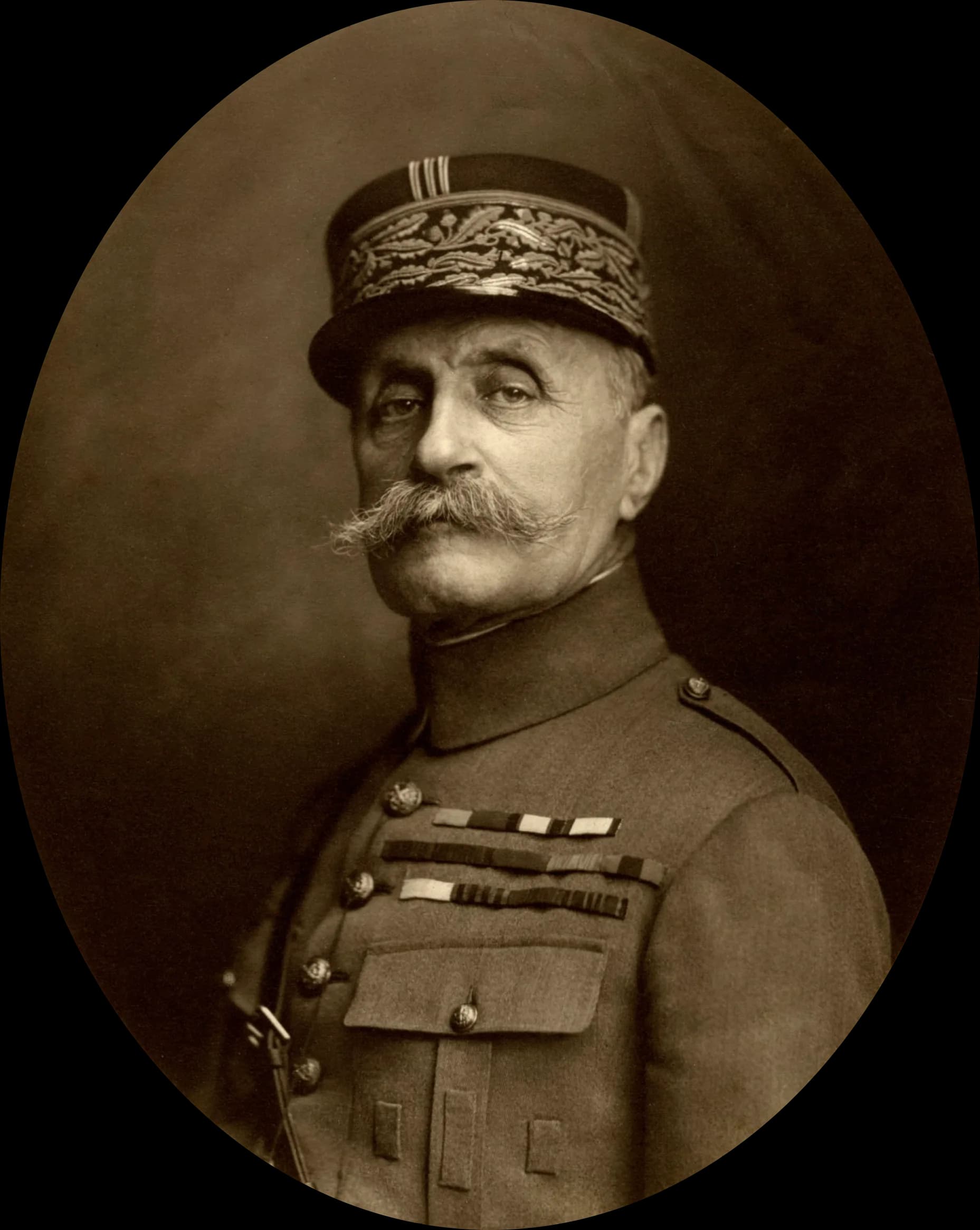
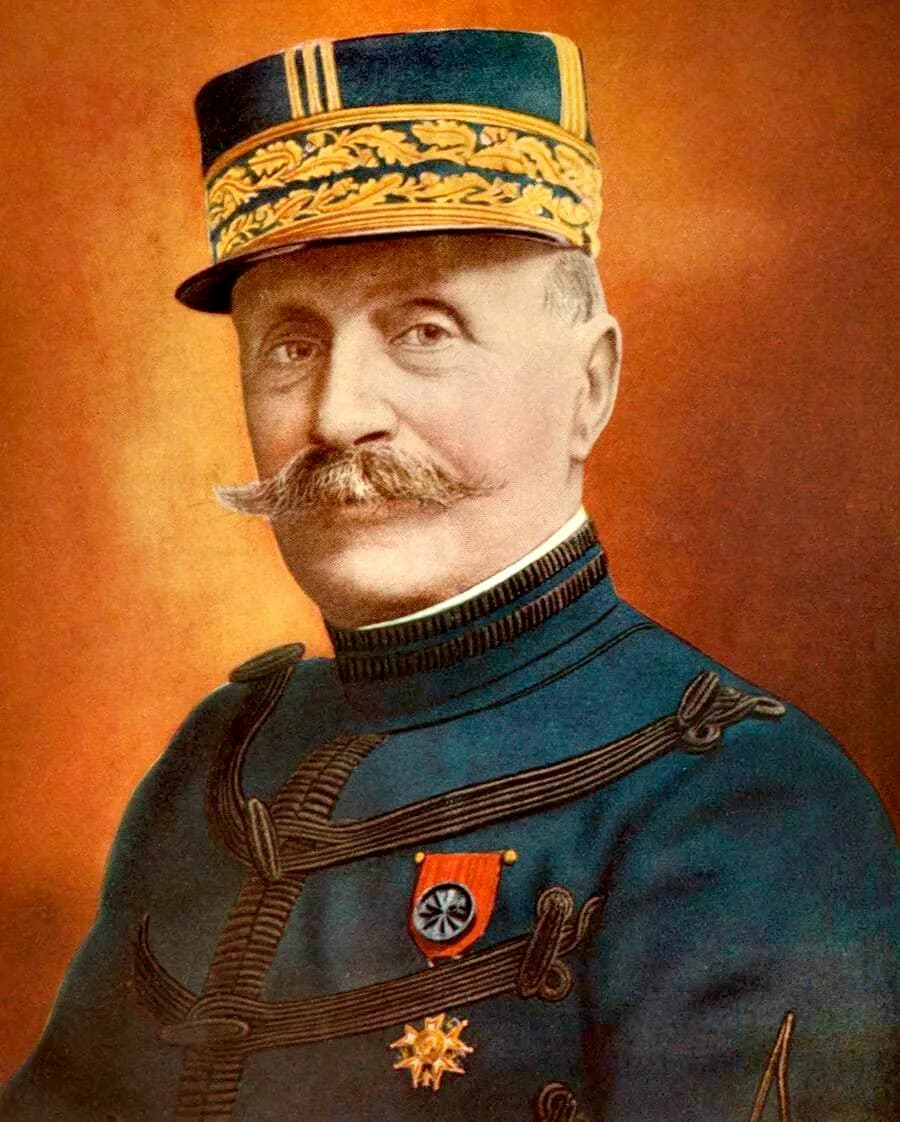
Ferdinand Foch (1851–1929) was France best known for French marchal and military theorist.
Ferdinand Foch (October 2, 1851 – March 20, 1929) was a distinguished French military officer and military theorist. He served as Supreme Allied Commander on the Western Front during the First World War in 1918, a role in which he was instrumental in coordinating the Allied victory. His strategic insights continue to influence military thought.
Nodaļa
Dzīves nodaļas
Nodaļa 1 · 1851· Nodaļa 1 no 7
Early Life and Origins
Ferdinand Foch was born on October 2, 1851, in Tarbes, a commune in the Hautes-Pyrénées department in southwestern France. This region, nestled at the foot of the Pyrenees mountains, shaped his early environment. Specific details about his immediate family and early education are not extensively provided in the available records, but his future career path suggested a strong foundation in discipline and intellect.
Nodaļa 2· Nodaļa 2 no 7
Career Beginnings
Foch embarked on a military career that would eventually define his life and impact the course of history. His early professional journey as military personnel laid the groundwork for his later strategic acumen. He dedicated himself to the study and practice of military science, developing the expertise that would see him rise to the esteemed position of a military officer and eventually a general within the French armed forces.
Nodaļa 3 · 1918· Nodaļa 3 no 7
Major Achievements and Career Highlights
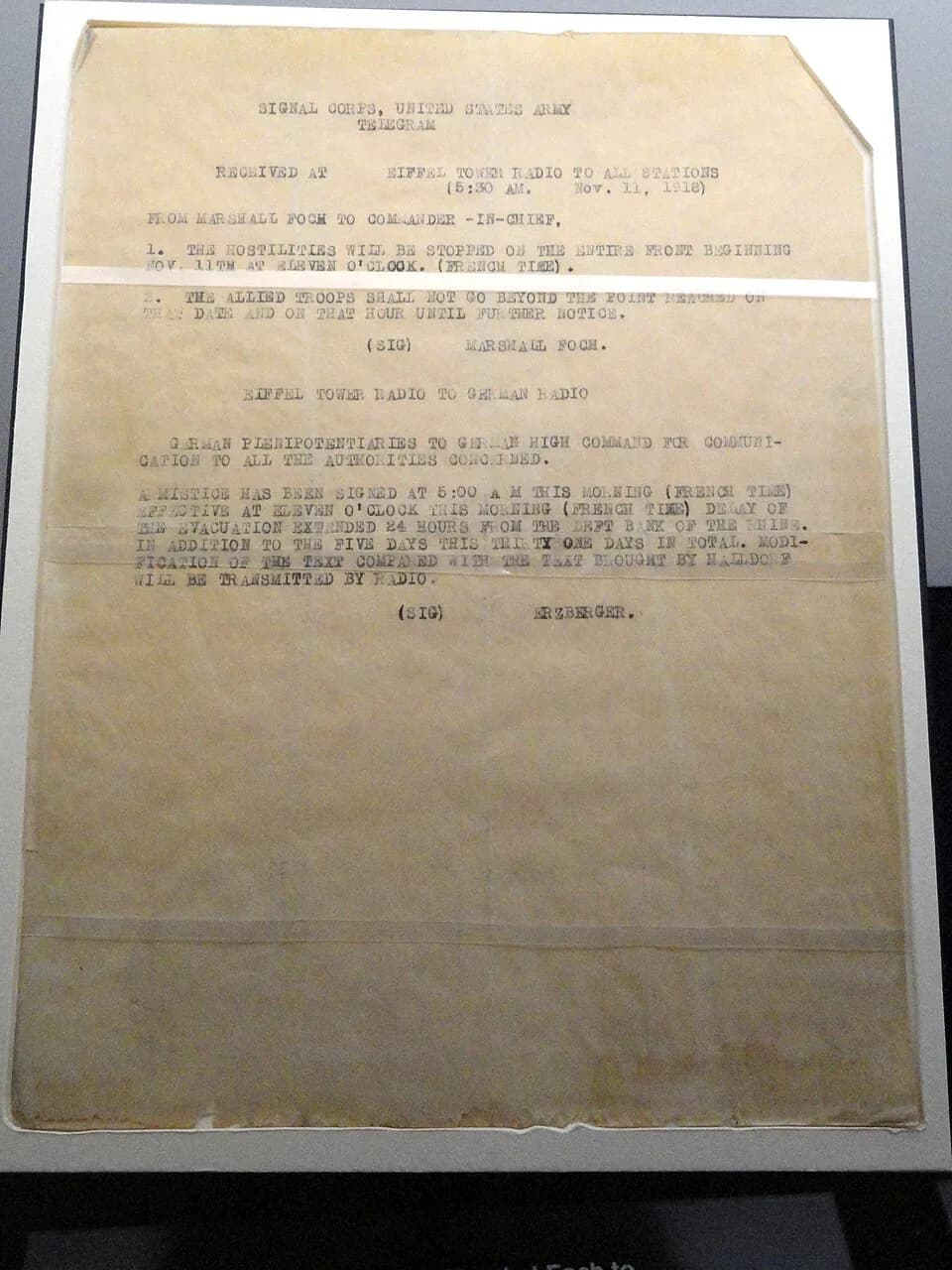
The pinnacle of Ferdinand Foch's career arrived during the tumultuous years of the First World War. He distinguished himself profoundly in 1918 by being appointed Supreme Allied Commander on the Western Front. In this crucial role, he orchestrated the combined efforts of the Allied armies, a monumental task that required exceptional leadership and strategic foresight.
His command during this period was pivotal in coordinating the offensives that ultimately led to the defeat of the Central Powers. Beyond his wartime command, Foch was honored with the prestigious title of Marshal of France, a testament to his extraordinary service and contributions. His intellectual contributions were also recognized, earning him membership in both the Académie Française and the Académie des Sciences, affirming his stature not just as a soldier, but also as a scholar and thinker.
Nodaļa 4· Nodaļa 4 no 7
Personal Life
Details regarding Ferdinand Foch's personal life, beyond his professional achievements, are not specified in the available biographical notes. His public persona was largely defined by his dedication to his military profession and his service to France. The focus of historical records predominantly centers on his strategic thinking and leadership during critical junctures for his nation and the Allied forces.
Nodaļa 5· Nodaļa 5 no 7
Notable Works or Contributions
As a renowned military theorist, Ferdinand Foch contributed significantly to strategic thought and military doctrine. His ideas influenced generations of military leaders and strategists, focusing on principles of attack, offensive action, and the importance of morale and will in warfare. While specific titles of his published works are not provided here, his legacy as a theorist is an integral part of his identity as a French marshal. His theories undoubtedly informed his decisive actions as Supreme Allied Commander.
Nodaļa 6 · 1929· Nodaļa 6 no 7
Later Years
After his distinguished service in the First World War, Ferdinand Foch continued to be a respected figure in France and on the international stage. His immense contributions to the Allied victory cemented his place in history. Foch passed away on March 20, 1929, in Paris, France, the nation's capital where he had achieved so much. His passing marked the end of an era for a military leader who had navigated some of the most challenging periods in modern warfare.
Nodaļa 7· Nodaļa 7 no 7
Legacy and Impact
Ferdinand Foch's enduring legacy is primarily defined by his instrumental leadership during the final, critical phase of the First World War. As Supreme Allied Commander, he successfully unified disparate Allied forces, demonstrating exceptional skill in military coordination and strategy. His vision and determination played a decisive role in bringing the devastating conflict to an end.
Beyond his practical command, Foch's influence as a military theorist continues to resonate in military academies and strategic studies. His insights into the dynamics of modern warfare, particularly the emphasis on offensive action and the psychological aspects of combat, remain subjects of study and discussion. He is remembered as a national hero in France and a figure of global military significance, whose actions profoundly shaped the 20th century.
Dzīve mirkļos
Mirkļi, kas veidoja dzīvi
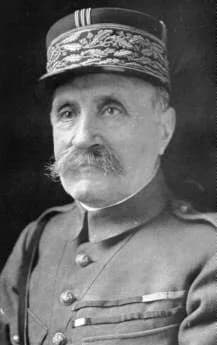
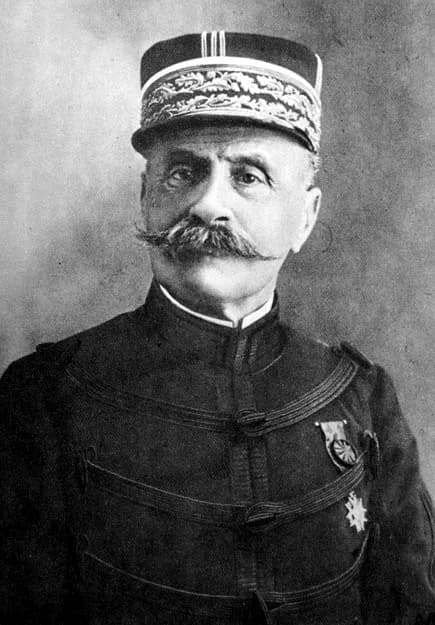
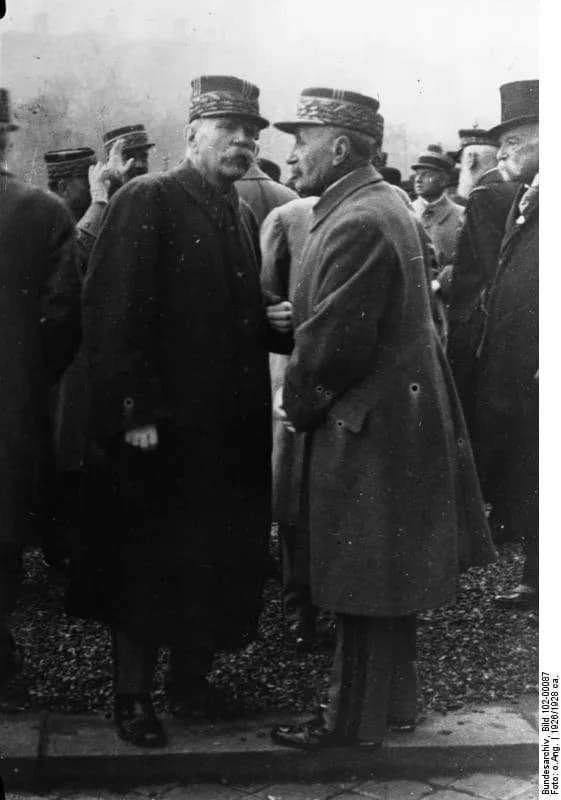
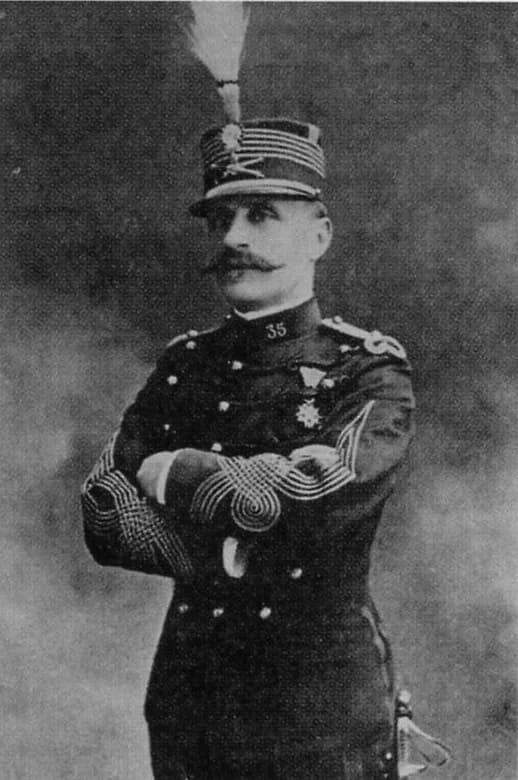
BUJ
Biežāk uzdotie
Kad nomira Ferdinand Foch?
Ferdinand Foch nomira 1929. gada 20. marts Paris, France 77 gadu vecumā.
Kur dzima Ferdinand Foch?
Ferdinand Foch dzima Tarbes, France 1851. gada 2. oktobris.
Ar ko Ferdinand Foch ir vislabāk pazīstams(a)?
Ferdinand Foch ir vislabāk pazīstams(a) ar French marchal and military theorist.
Cik gadu bija Ferdinand Foch nāves brīdī?
Ferdinand Foch nāves brīdī bija 77 gadus vecs(a).
Kādas tautības bija Ferdinand Foch?
Ferdinand Foch bija no France.
Laika līnija
Dzīve īsumā
Fotogalerija
Dzīve attēlos
Noklikšķiniet uz jebkura polaroīda, lai izvērstu · 45 fotoattēli
QR kods
Dalīties ar šo biogrāfiju
Drukāt un dalīties
Skenējiet, lai apmeklētu šo biogrāfijas lapu. Drukājiet pasākumiem, izstādēm vai izglītības materiāliem.