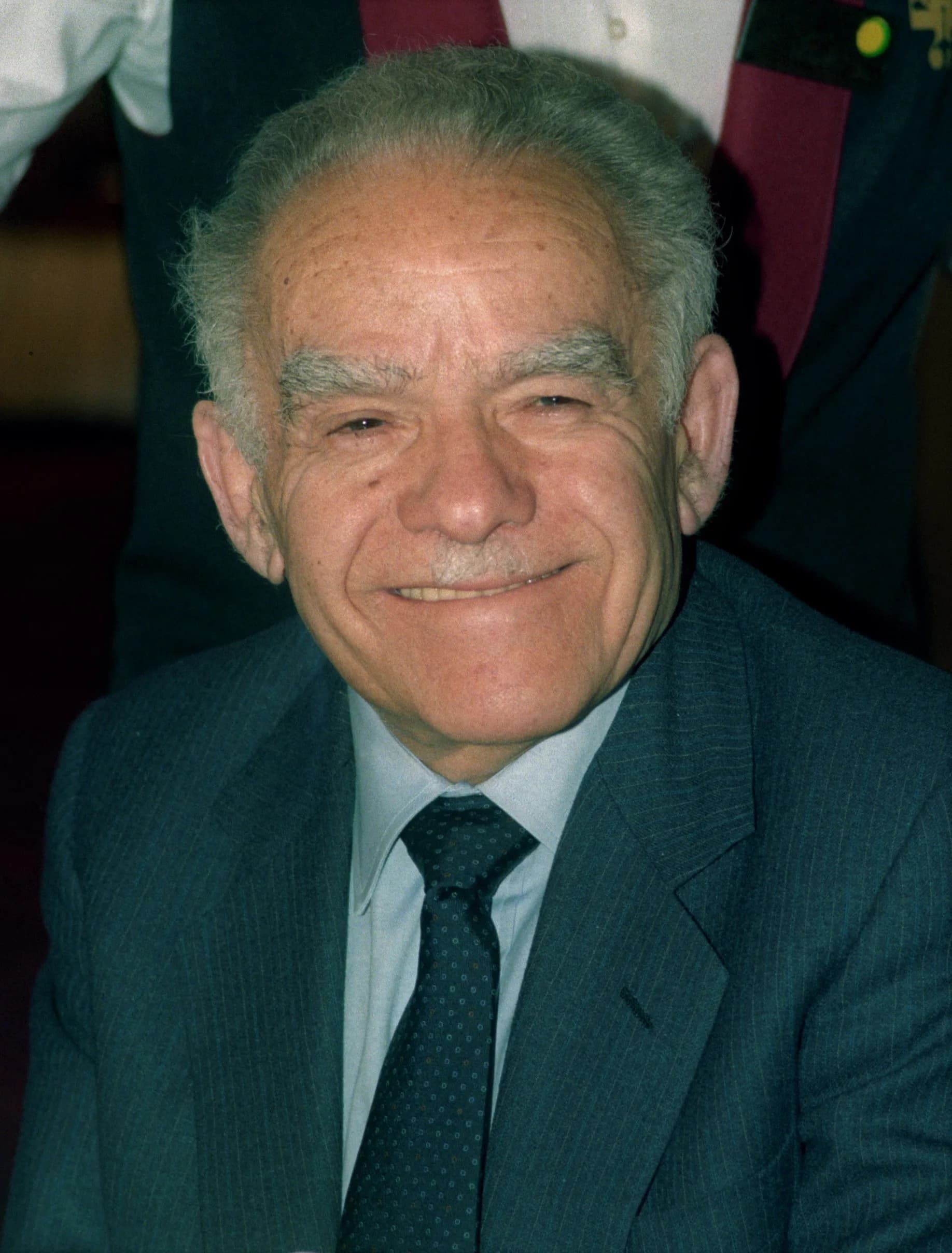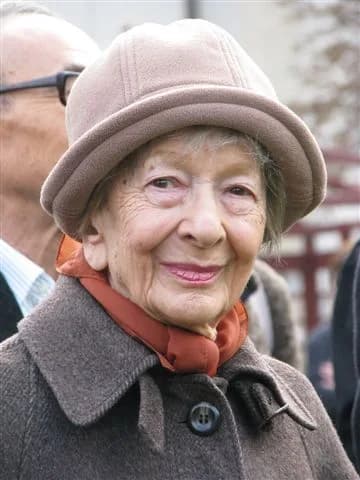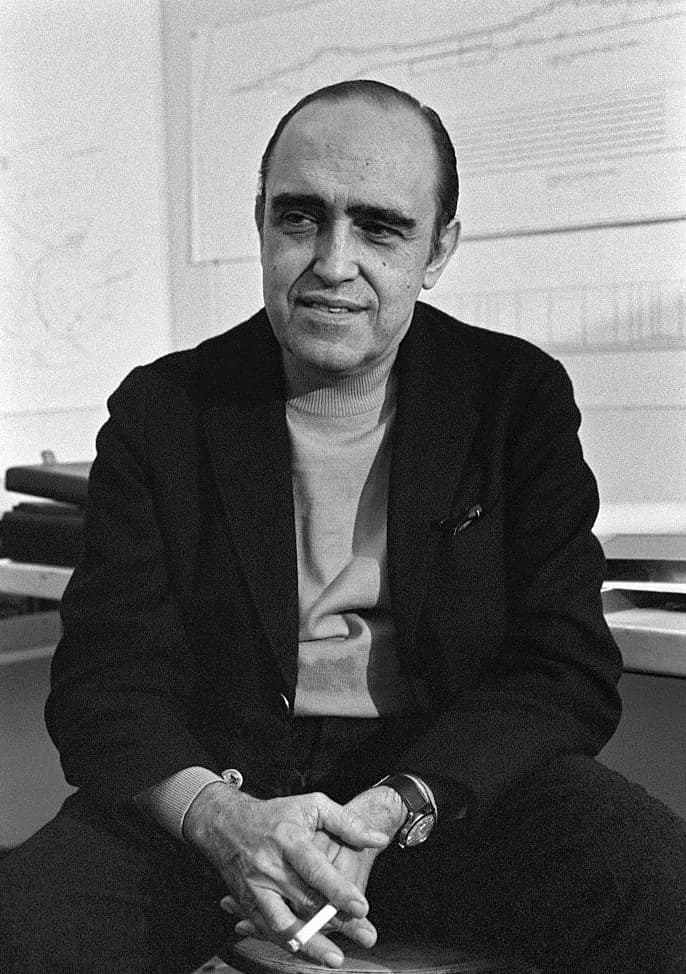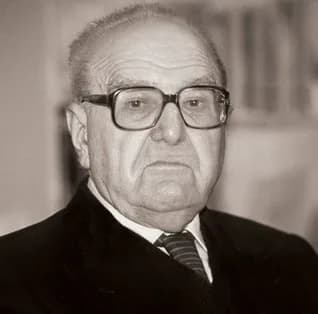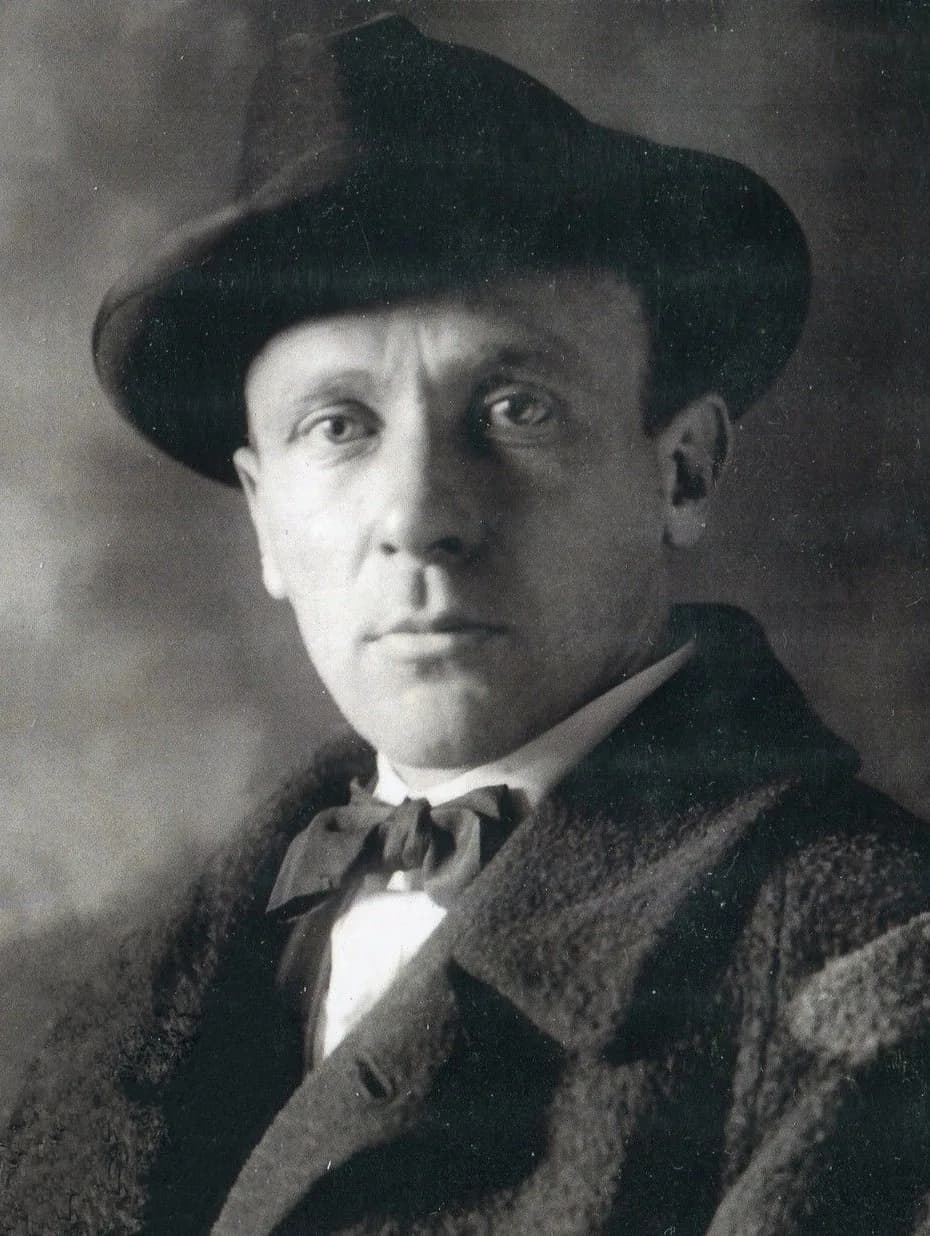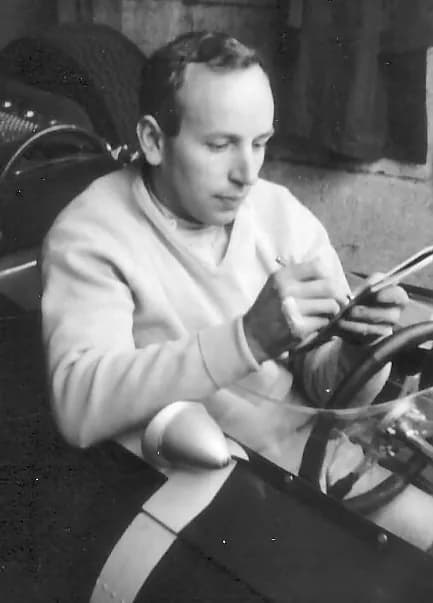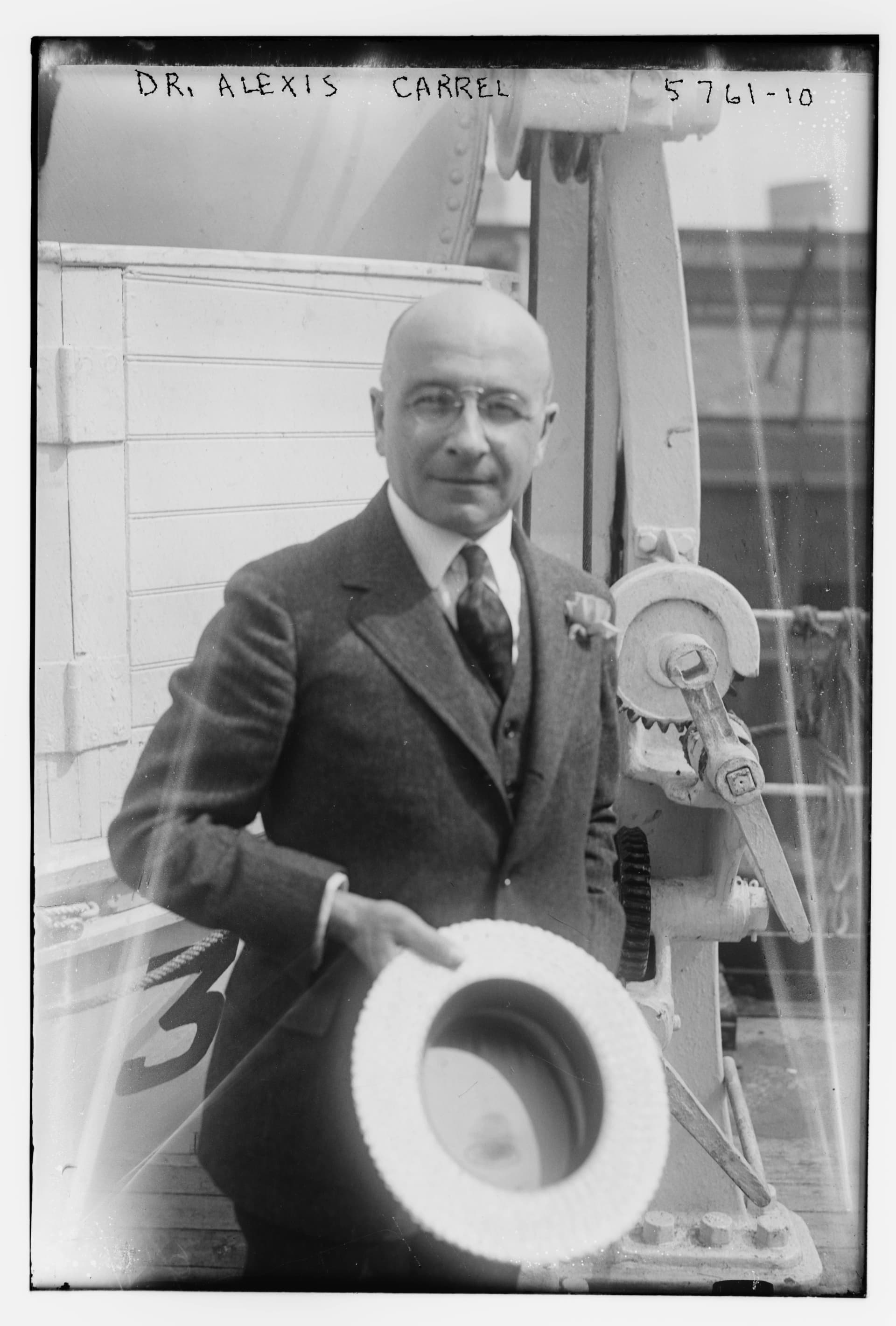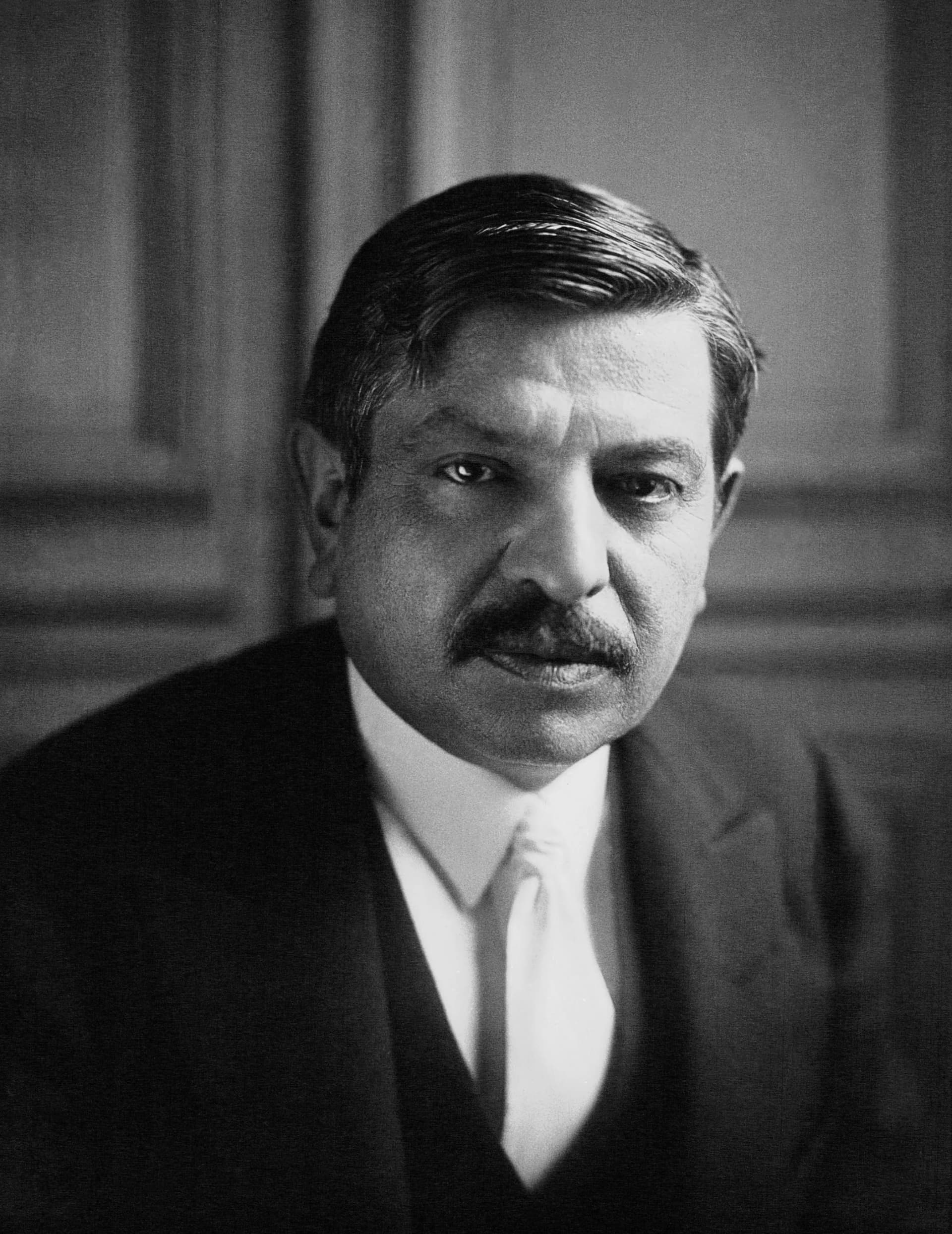
Dzimis
June 28, 1927
Delaware, United States
Miris
March 10, 2012
Newport Beach, United States
Pazīstams ar
American chemist
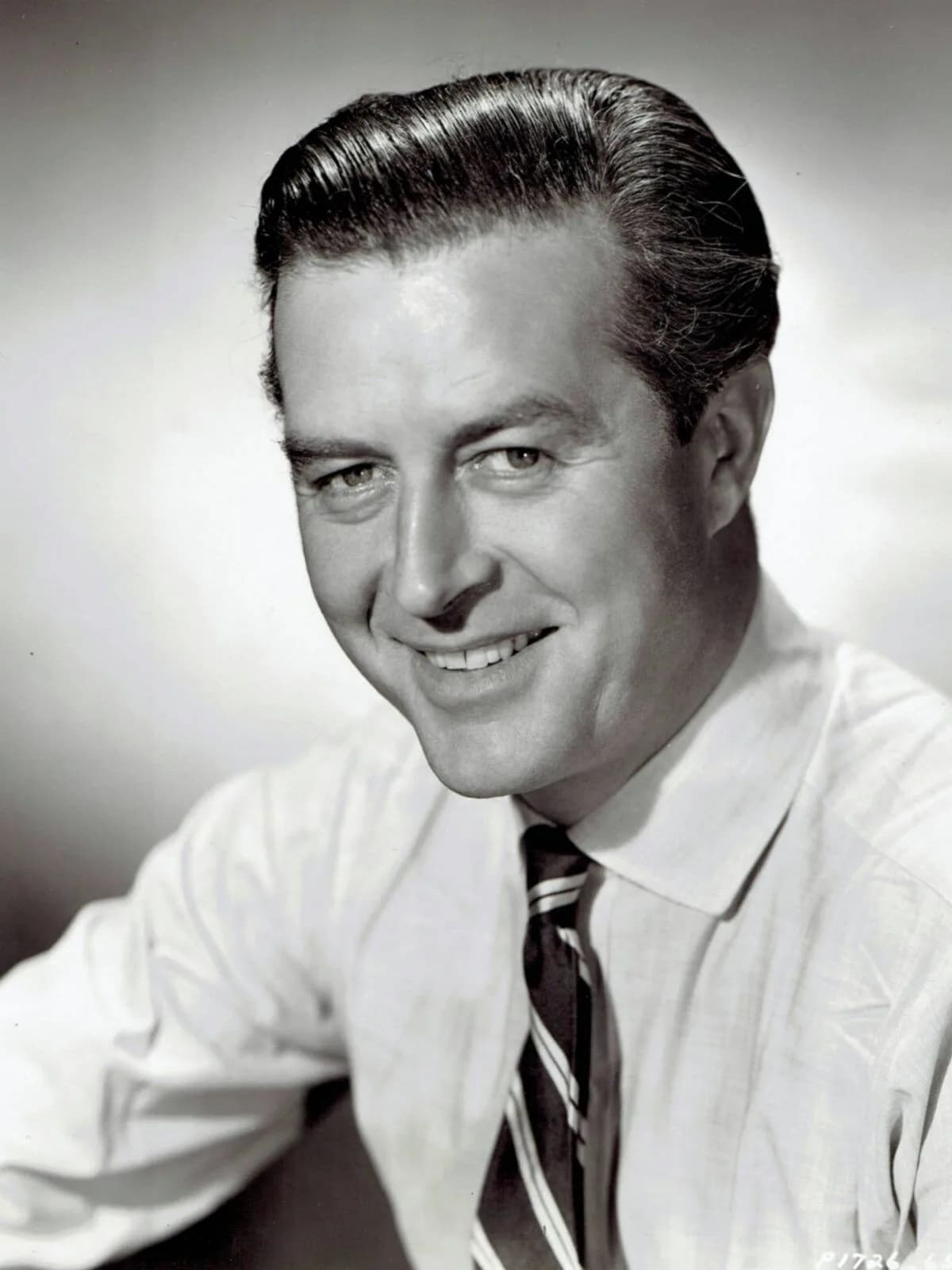
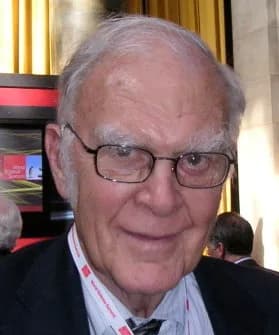
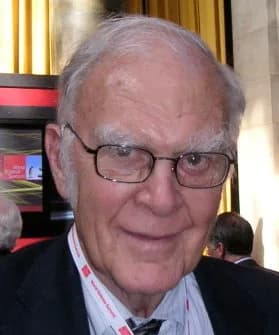
F. Sherwood Rowland (1927–2012) was United States best known for American chemist.
F. Sherwood Rowland (June 28, 1927 – March 10, 2012) was an American chemist from Delaware. He was awarded the Nobel Prize in Chemistry for his discovery that chlorofluorocarbons deplete the Earth's ozone layer. His work led to international policy changes protecting the planet.
Dzīve mirkļos
Mirkļi, kas veidoja dzīvi


Nodaļa
Dzīves nodaļas
Nodaļa 1 · 1927· Nodaļa 1 no 7
Opening Tribute
F. Sherwood Rowland (1927–2012) was an acclaimed American chemist whose groundbreaking work revealed the critical threat of chlorofluorocarbons to the Earth's ozone layer. Born on June 28, 1927, he dedicated his career to atmospheric chemistry, ultimately changing global environmental policy. A distinguished university teacher and author, Rowland's scientific contributions continue to safeguard our planet. He passed away on March 10, 2012, leaving an enduring legacy of environmental advocacy and scientific discovery.
Nodaļa 2 · 1927· Nodaļa 2 no 7
Early Life and Origins
Frank Sherwood Rowland was born in Delaware, United States, on June 28, 1927. While specific details of his early family life are not extensively provided, his formative years set the stage for a distinguished scientific career. He pursued his education with diligence, which led him to excel in the field of chemistry. Rowland's foundational academic background equipped him with the rigorous analytical skills essential for his future discoveries.
Nodaļa 3· Nodaļa 3 no 7
Career Beginnings
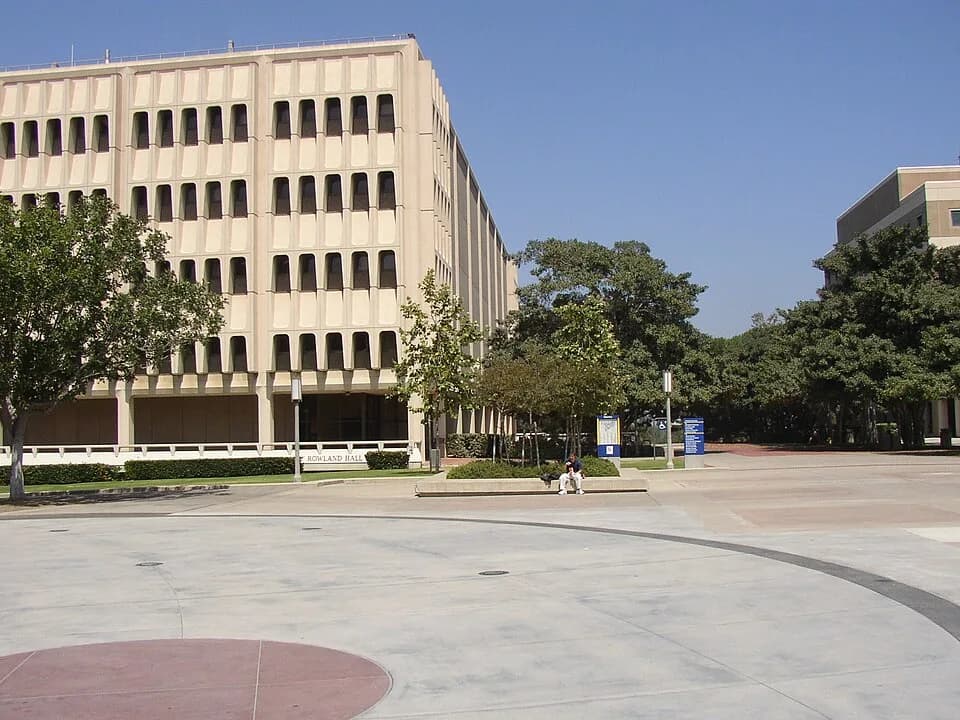
Rowland became a professor of chemistry at the University of California, Irvine, a position from which he conducted much of his most influential research. His initial research focused on atmospheric chemistry and chemical kinetics, areas that explored the physical and chemical processes occurring in the Earth's atmosphere. This early focus laid the groundwork for his later, world-altering findings concerning atmospheric composition. His methodical approach to understanding airborne chemical reactions prepared him for the complex investigations that defined his professional life.
Nodaļa 4 · 1995· Nodaļa 4 no 7
Major Achievements and Career Highlights
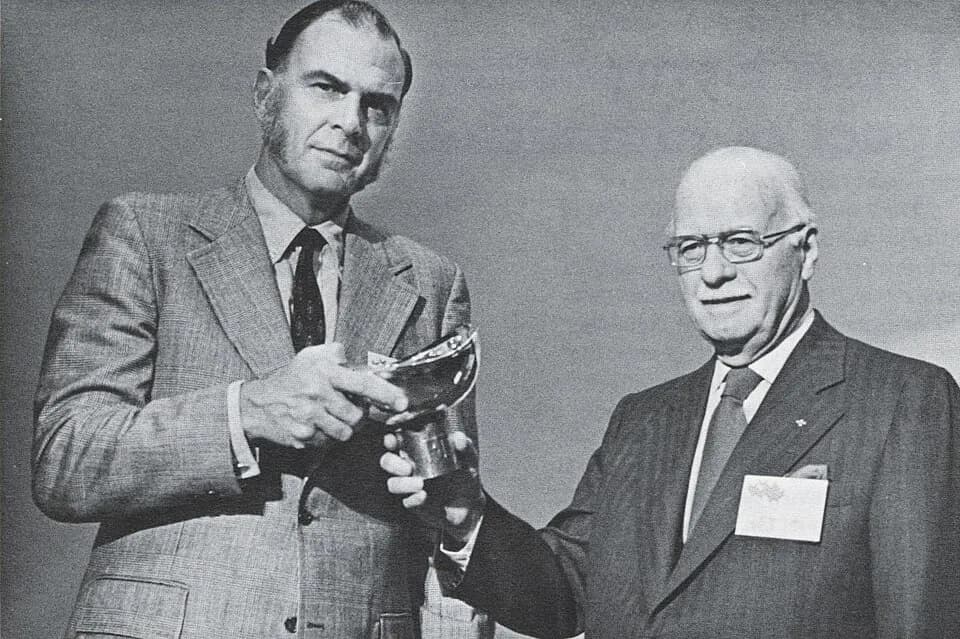
F. Sherwood Rowland's most significant achievement was his discovery that chlorofluorocarbons (CFCs) contribute directly to ozone depletion in the Earth's stratosphere. This finding, published with his colleague Mario Molina, alerted the world to a critical environmental hazard. For their pioneering work in atmospheric chemistry, particularly concerning the formation and decomposition of ozone, Rowland was awarded the Nobel Prize in Chemistry in 1995. This prestigious recognition underscored the global significance of his scientific contributions and their immediate relevance to planetary health.
Nodaļa 5 · 2012· Nodaļa 5 no 7
Notable Works or Contributions
Over his extensive career, F. Sherwood Rowland authored a vast body of scientific literature, reflected in an impressive h-index of 60 and 406 published papers. Among his most cited works is the 2012 paper, 'Long-term decline of global atmospheric ethane concentrations and implications for methane,' which garnered 201 citations. He also contributed significantly to research on noninvasive medical diagnostics, co-authoring 'Noninvasive measurement of plasma glucose from exhaled breath in healthy and type 1 diabetic subjects.' in 2011. His environmental chemistry studies continued with works such as 'Aromatic hydrocarbons as ozone precursors before and after outbreak of the 2008 financial crisis in the Pearl River Delta region, south China' from 2012, reflecting his diverse scientific pursuits.
Nodaļa 6 · 2011· Nodaļa 6 no 7
Later Years
Even in his later years, F. Sherwood Rowland remained an active and influential figure in scientific research, as evidenced by his publications from 2011 and 2012. His continuous output of scientific papers, even shortly before his passing, highlighted his enduring commitment to discovery and environmental science. Rowland passed away on March 10, 2012, in Newport Beach, United States. His unwavering dedication to understanding complex atmospheric processes continued until the very end of his life.
Nodaļa 7· Nodaļa 7 no 7
Legacy and Impact
The legacy of F. Sherwood Rowland extends far beyond his scientific publications and awards. His pioneering research on ozone depletion led directly to the Montreal Protocol, an international treaty that phased out CFC production and prevented a global environmental catastrophe. His work transformed public understanding of atmospheric chemistry and demonstrated the critical link between human activity and planetary health. Rowland's contributions stand as a powerful reminder of science's capacity to inform policy and inspire collective action for the well-being of the Earth.
BUJ
Biežāk uzdotie
Kad nomira F. Sherwood Rowland?
F. Sherwood Rowland nomira 2012. gada 10. marts Newport Beach, United States 84 gadu vecumā.
Kur dzima F. Sherwood Rowland?
F. Sherwood Rowland dzima Delaware, United States 1927. gada 28. jūnijs.
Ar ko F. Sherwood Rowland ir vislabāk pazīstams(a)?
F. Sherwood Rowland ir vislabāk pazīstams(a) ar American chemist.
Cik gadu bija F. Sherwood Rowland nāves brīdī?
F. Sherwood Rowland nāves brīdī bija 84 gadus vecs(a).
Kādas tautības bija F. Sherwood Rowland?
F. Sherwood Rowland bija no United States.
Laika līnija
Dzīve īsumā
Fotogalerija
Dzīve attēlos
Noklikšķiniet uz jebkura polaroīda, lai izvērstu · 11 fotoattēli
QR kods
Dalīties ar šo biogrāfiju
Drukāt un dalīties
Skenējiet, lai apmeklētu šo biogrāfijas lapu. Drukājiet pasākumiem, izstādēm vai izglītības materiāliem.