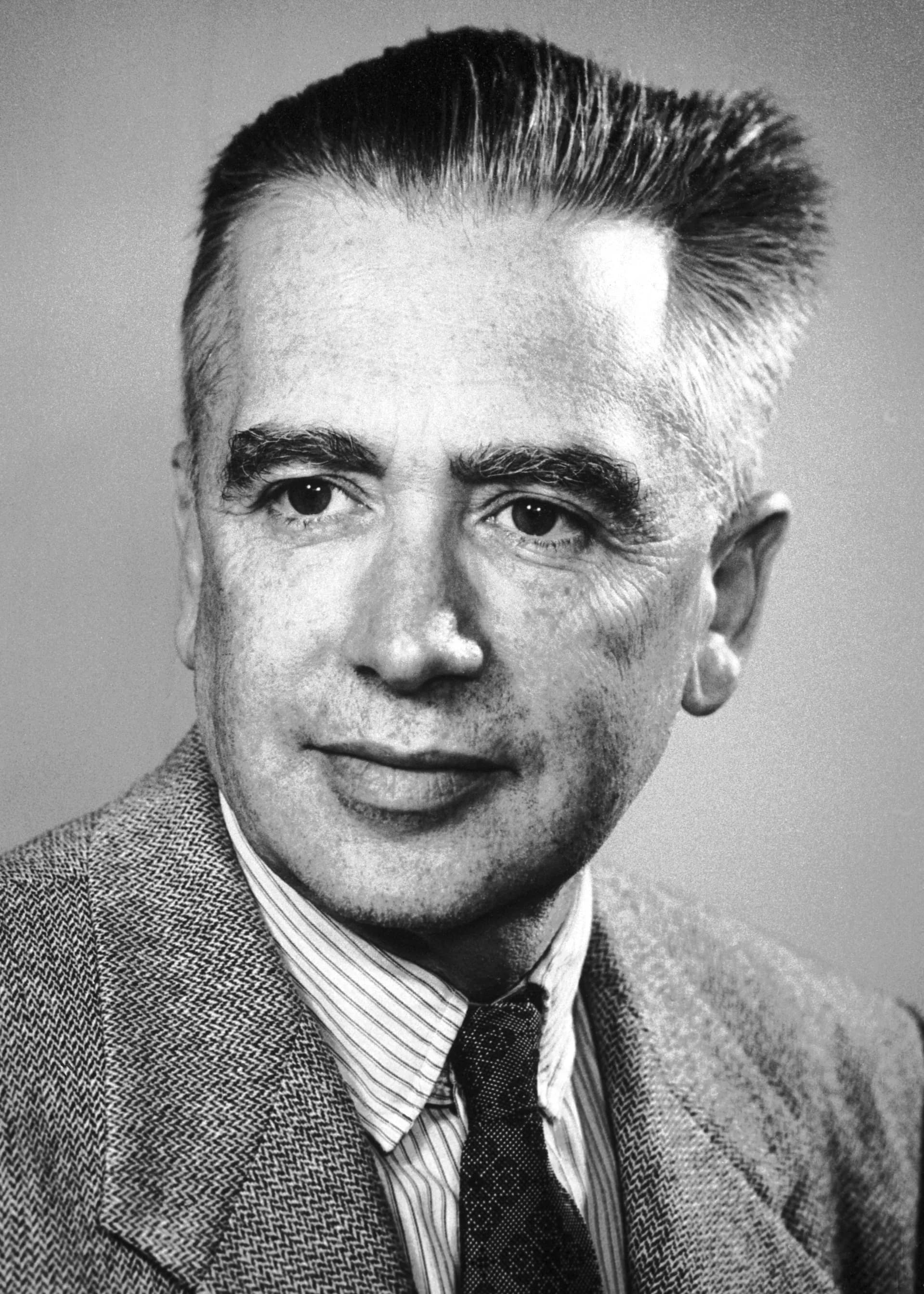
Dzimis
February 1, 1905
Tivoli, Italy
Miris
April 22, 1989
Lafayette, United States
Pazīstams ar
Italian physicist and Nobel laureate
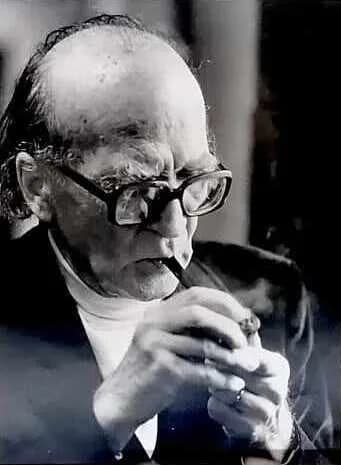
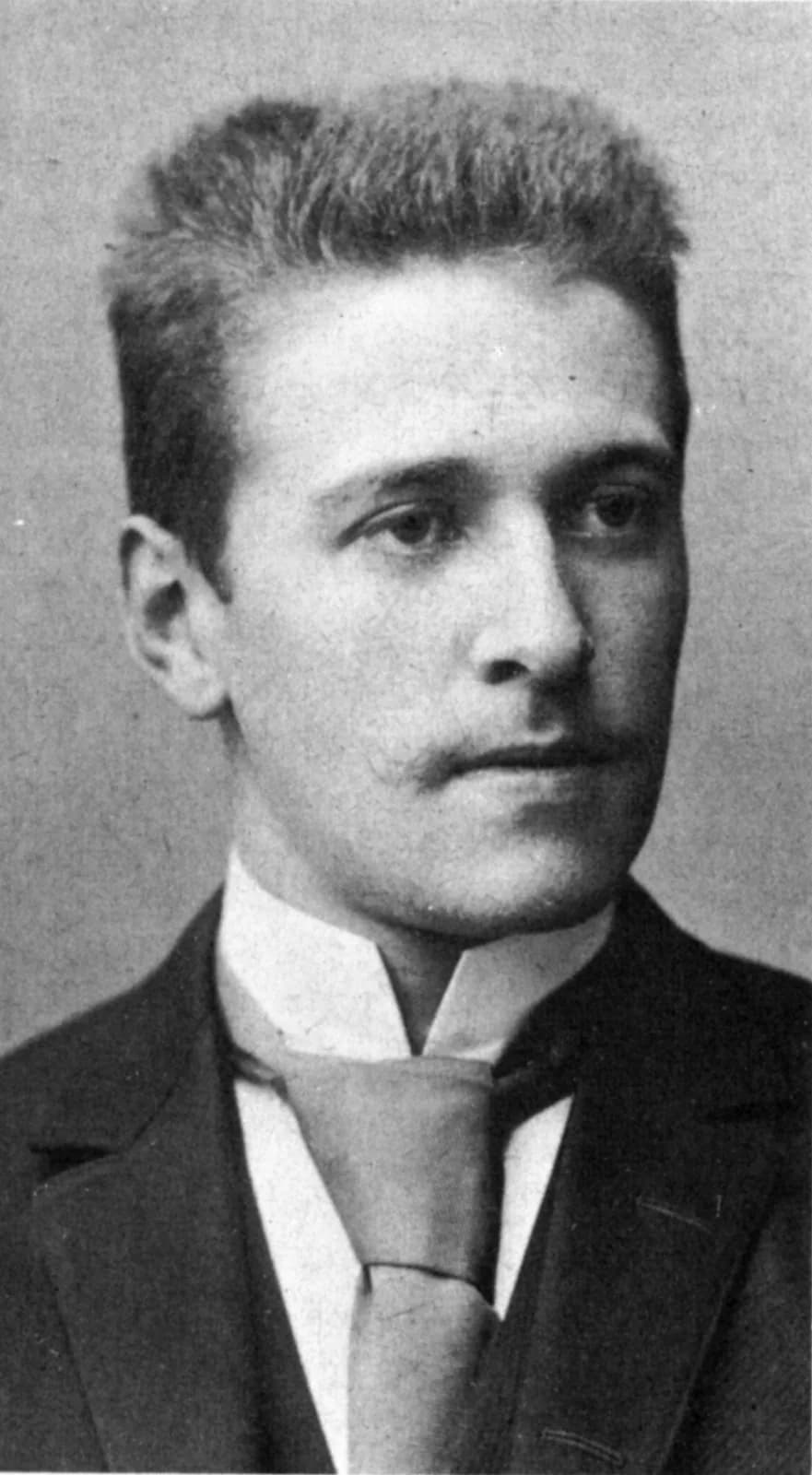
Emilio G. Segrè (1905–1989) was Italy best known for Italian physicist and Nobel laureate.
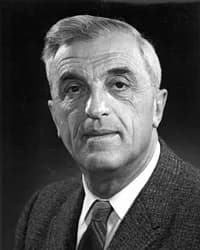
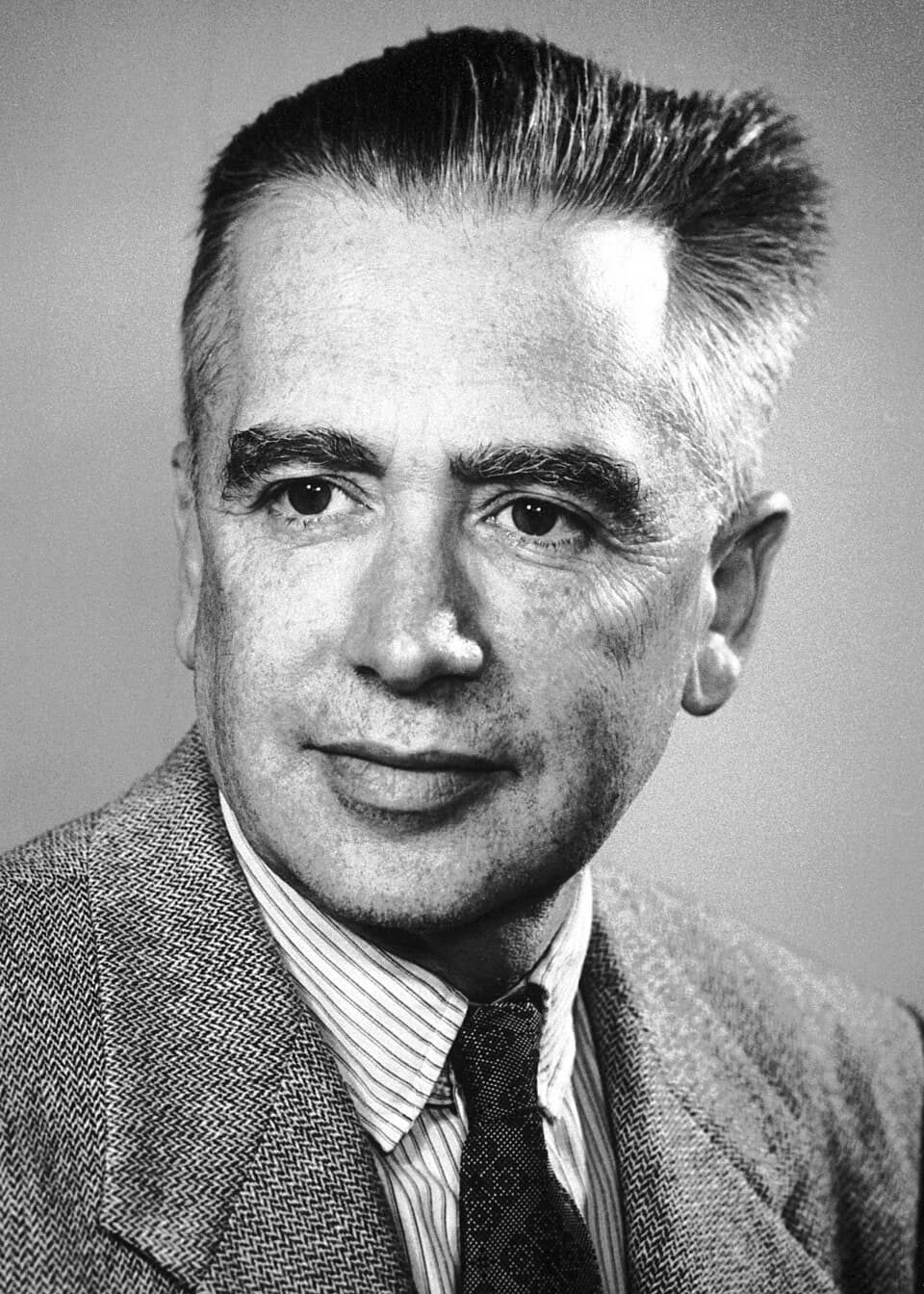
Emilio G. Segrè (February 1, 1905 – April 22, 1989) was an Italian-American nuclear physicist. He co-discovered the elements technetium and astatine, and the antiproton, earning the Nobel Prize in Physics in 1959. His work expanded the understanding of subatomic particles.
Dzīve mirkļos
Mirkļi, kas veidoja dzīvi
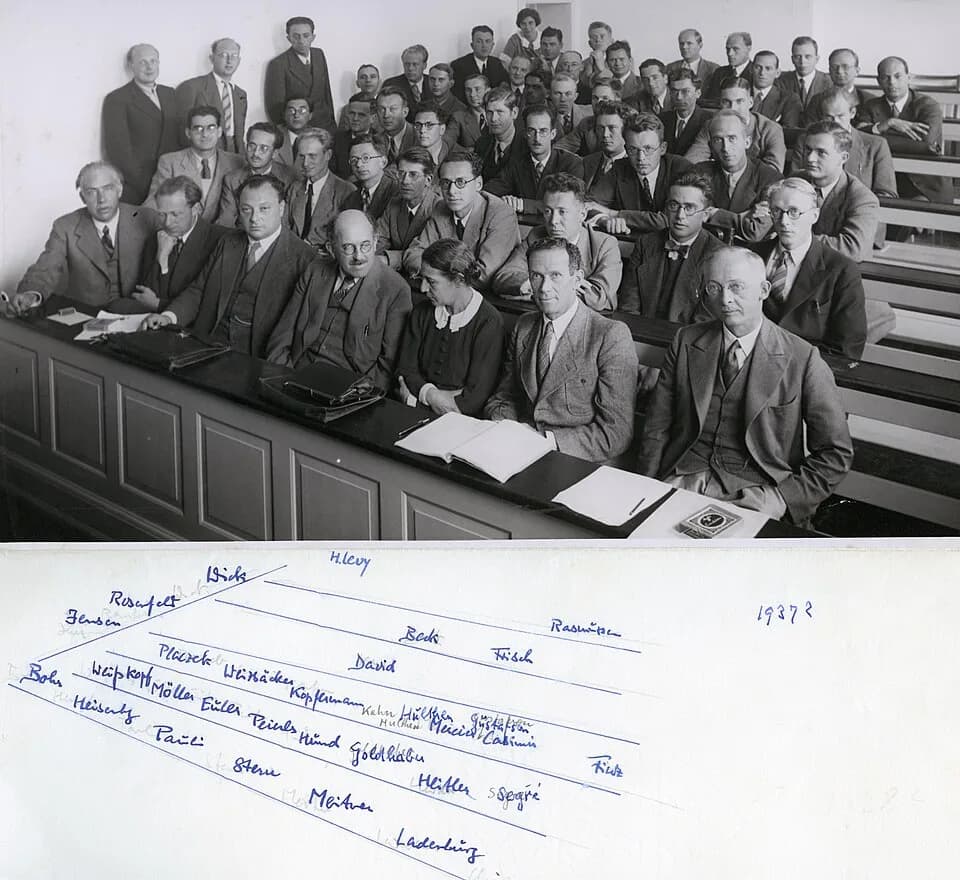
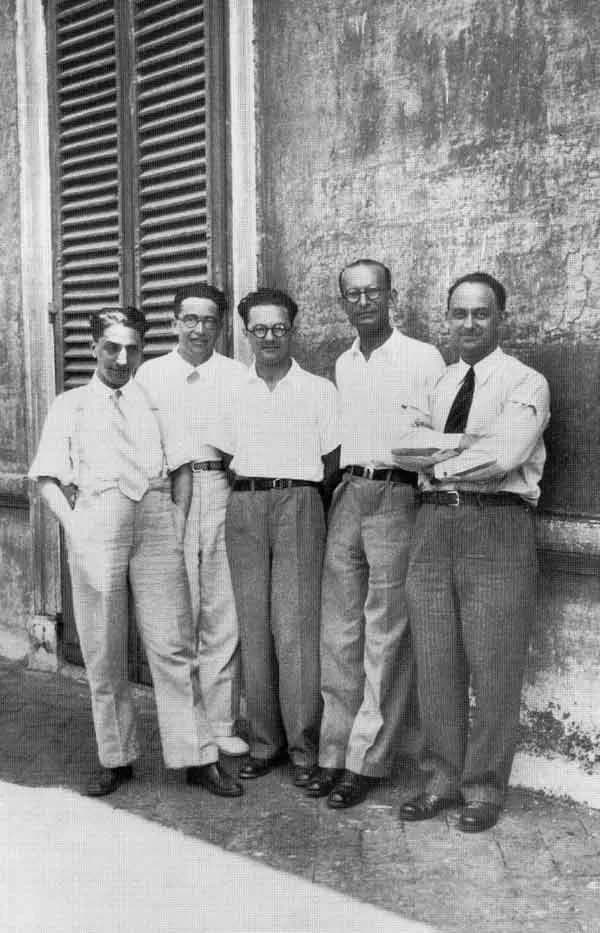
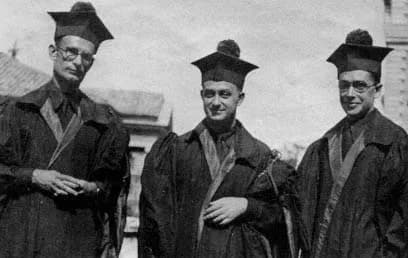
Nodaļa
Dzīves nodaļas
Nodaļa 1 · 1905· Nodaļa 1 no 6
Early Life and Origins
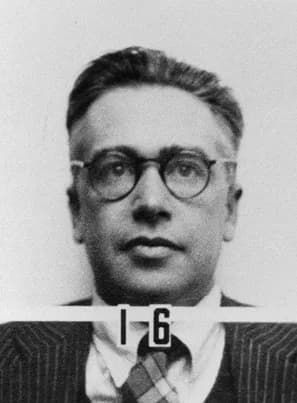
Emilio G. Segrè was born on February 1, 1905, in Tivoli, Italy. His early years in Italy set the foundation for a life dedicated to scientific exploration and discovery. The academic environment of his native land undoubtedly influenced his formative education and intellectual development.
Segrè pursued his studies with dedication, demonstrating an early aptitude for physics. This keen interest would eventually lead him to become a prominent figure in the international scientific community. His Italian heritage remained an important part of his identity throughout his career, even as he later became an Italian-American.
Nodaļa 2· Nodaļa 2 no 6
Career Beginnings
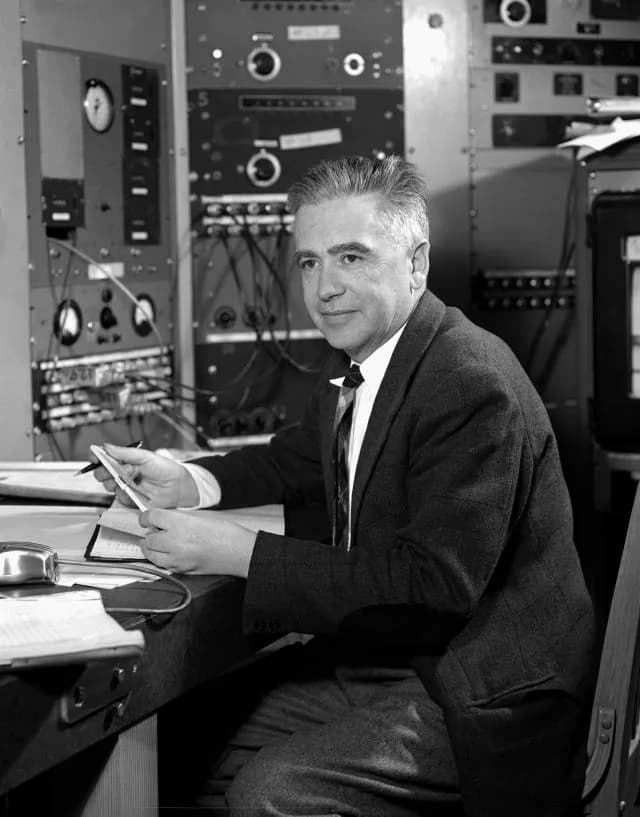
Segrè embarked on his scientific career as a physicist, soon making his mark through diligent research and collaboration. His early work involved rigorous experimentation and theoretical exploration, laying the groundwork for his later, more celebrated discoveries. He established himself as a keen observer and a meticulous researcher.
His foundational studies and positions as a university teacher allowed him to engage with the scientific challenges of his era. These early experiences provided the essential skills and knowledge that propelled him into the forefront of nuclear physics and radiochemistry. His dedication to teaching ran parallel to his research efforts, shaping future generations of scientists.
Nodaļa 3· Nodaļa 3 no 6
Major Achievements and Career Highlights
Emilio Segrè's career was marked by several critical scientific breakthroughs that earned him international recognition. Among his most significant achievements was the discovery of the element technetium, a synthetic element that filled a gap in the periodic table. This discovery opened new avenues in chemistry and nuclear medicine.
He also contributed to the discovery of the element astatine, another important addition to our understanding of the elements. However, it was his work on the antiproton, a subatomic antiparticle, that garnered the highest acclaim. This discovery provided experimental verification of antimatter, a concept previously confined to theoretical physics.
For his critical discovery of the antiproton, Emilio G. Segrè was jointly awarded the Nobel Prize in Physics in 1959 with Owen Chamberlain. This honor acknowledged the great significance of their work in expanding the frontiers of particle physics. His role as an Italian-American nuclear physicist and radiochemist was thus globally celebrated.
Nodaļa 4· Nodaļa 4 no 6
Notable Works and Contributions
Beyond his experimental discoveries, Emilio G. Segrè was a prolific writer, sharing his knowledge and insights through numerous publications. His bibliography includes a range of influential books and papers that covered various aspects of physics. Titles such as "Nuclei and particles" became essential texts for students and researchers alike.
He also authored "Personaggi e scoperte della fisica" and "Les physiciens classiques et leurs découvertes," showcasing his interest in the history of science and the figures who shaped it. Other significant contributions include "Technetium in chemistry and nuclear medicine," reflecting his direct involvement in the field. His writings, like "Notes on Thermodynamics and Statistics" and "Radio-activity," demonstrated his broad expertise across different areas of physics, including the important works "Otto Stern" and "Die großen Physiker und ihre Entdeckungen," the latter appearing twice in the list provided, underscoring its relevance.
Nodaļa 5· Nodaļa 5 no 6
Later Years
In his later years, Emilio G. Segrè continued to contribute to the scientific community as a writer and university teacher. His experience and wisdom offered invaluable guidance to younger physicists. He maintained his active engagement with physics, reflecting a lifelong passion for scientific inquiry and education.
Segrè passed away on April 22, 1989, in Lafayette, United States, leaving behind a rich legacy of discovery and intellectual pursuit. His long career spanned many decades, witnessing and participating in some of the most exciting developments in modern physics. His contributions endured through his written works and the continued impact of his scientific findings.
Nodaļa 6· Nodaļa 6 no 6
Legacy and Impact
The legacy of Emilio G. Segrè is etched into the foundations of modern physics and chemistry. His discoveries of technetium and astatine expanded the periodic table and our understanding of elemental properties. The experimental verification of the antiproton provided crucial evidence for the existence of antimatter, opening an entirely new field of study.
His work fundamentally altered how physicists viewed the basic constituents of the universe. The Nobel Prize recognized not just a single achievement but a career dedicated to pushing the boundaries of knowledge. Emilio G. Segrè's influence continues to inspire scientists, demonstrating the power of persistent inquiry and the pursuit of scientific truth.
BUJ
Biežāk uzdotie
Kad nomira Emilio G. Segrè?
Emilio G. Segrè nomira 1989. gada 22. aprīlis Lafayette, United States 84 gadu vecumā.
Kur dzima Emilio G. Segrè?
Emilio G. Segrè dzima Tivoli, Italy 1905. gada 1. februāris.
Ar ko Emilio G. Segrè ir vislabāk pazīstams(a)?
Emilio G. Segrè ir vislabāk pazīstams(a) ar Italian physicist and Nobel laureate.
Cik gadu bija Emilio G. Segrè nāves brīdī?
Emilio G. Segrè nāves brīdī bija 84 gadus vecs(a).
Kādas tautības bija Emilio G. Segrè?
Emilio G. Segrè bija no Italy.
Laika līnija
Dzīve īsumā
Fotogalerija
Dzīve attēlos
Noklikšķiniet uz jebkura polaroīda, lai izvērstu · 22 fotoattēli
QR kods
Dalīties ar šo biogrāfiju
Drukāt un dalīties
Skenējiet, lai apmeklētu šo biogrāfijas lapu. Drukājiet pasākumiem, izstādēm vai izglītības materiāliem.