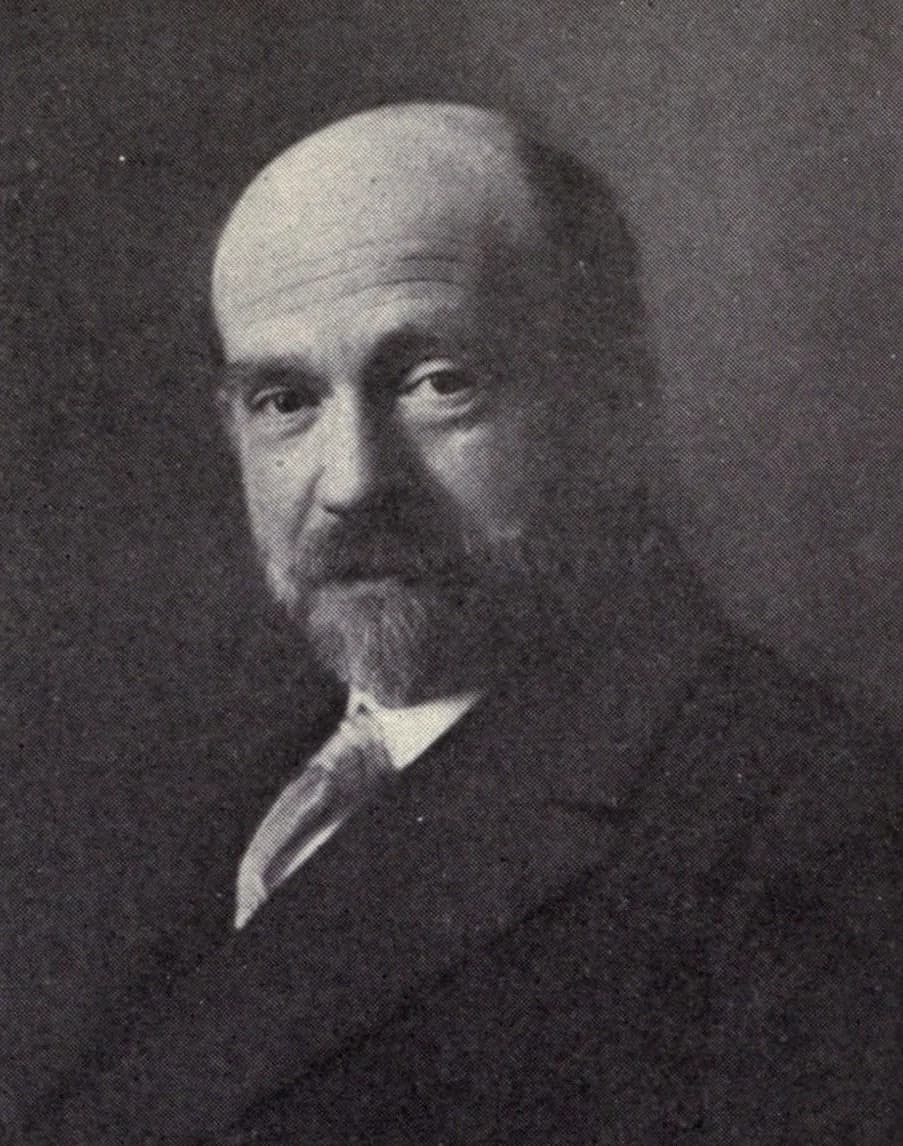
Gimęs
December 28, 1872
San Sebastián, Spain
Miręs
October 30, 1956
Madrid, Spain
Žinomas dėl
Spanish writer
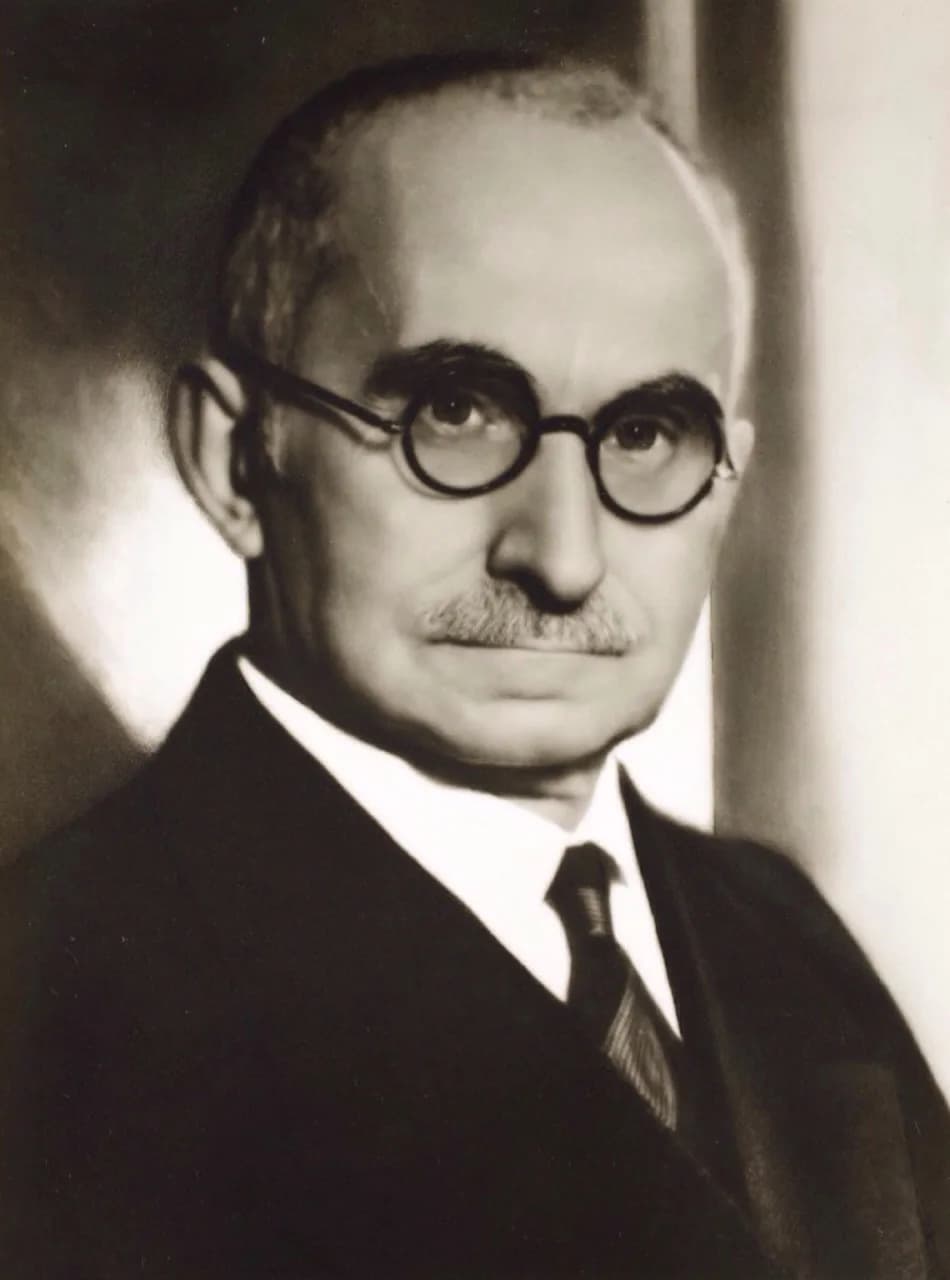
Pío Baroja (1872–1956) was Spain best known for Spanish writer.
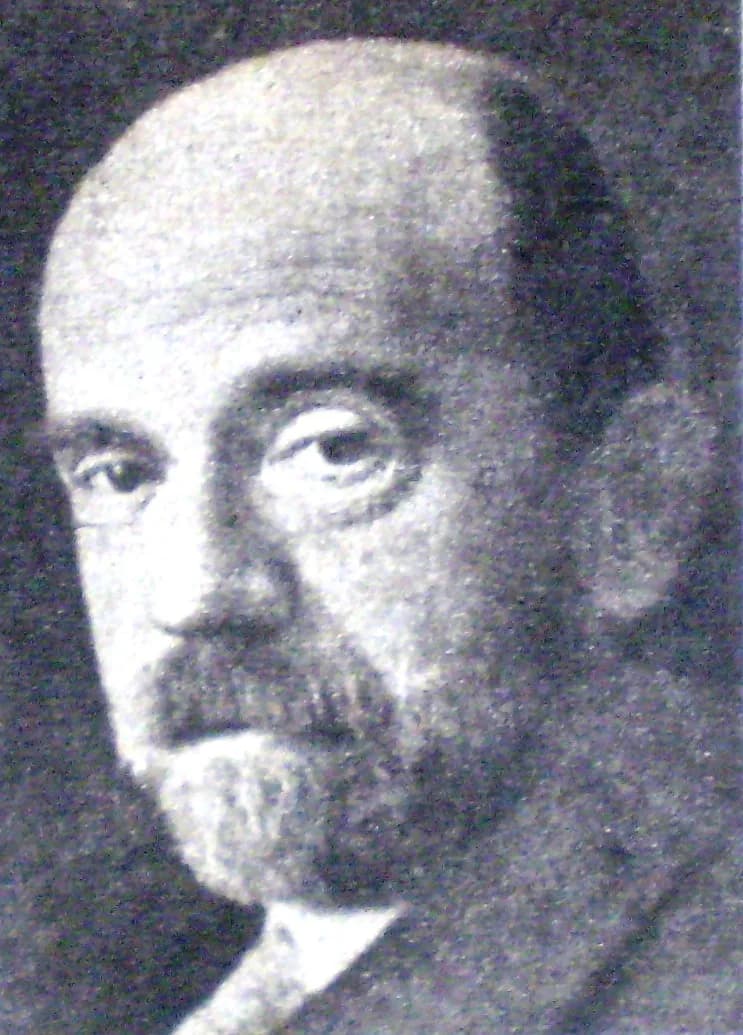
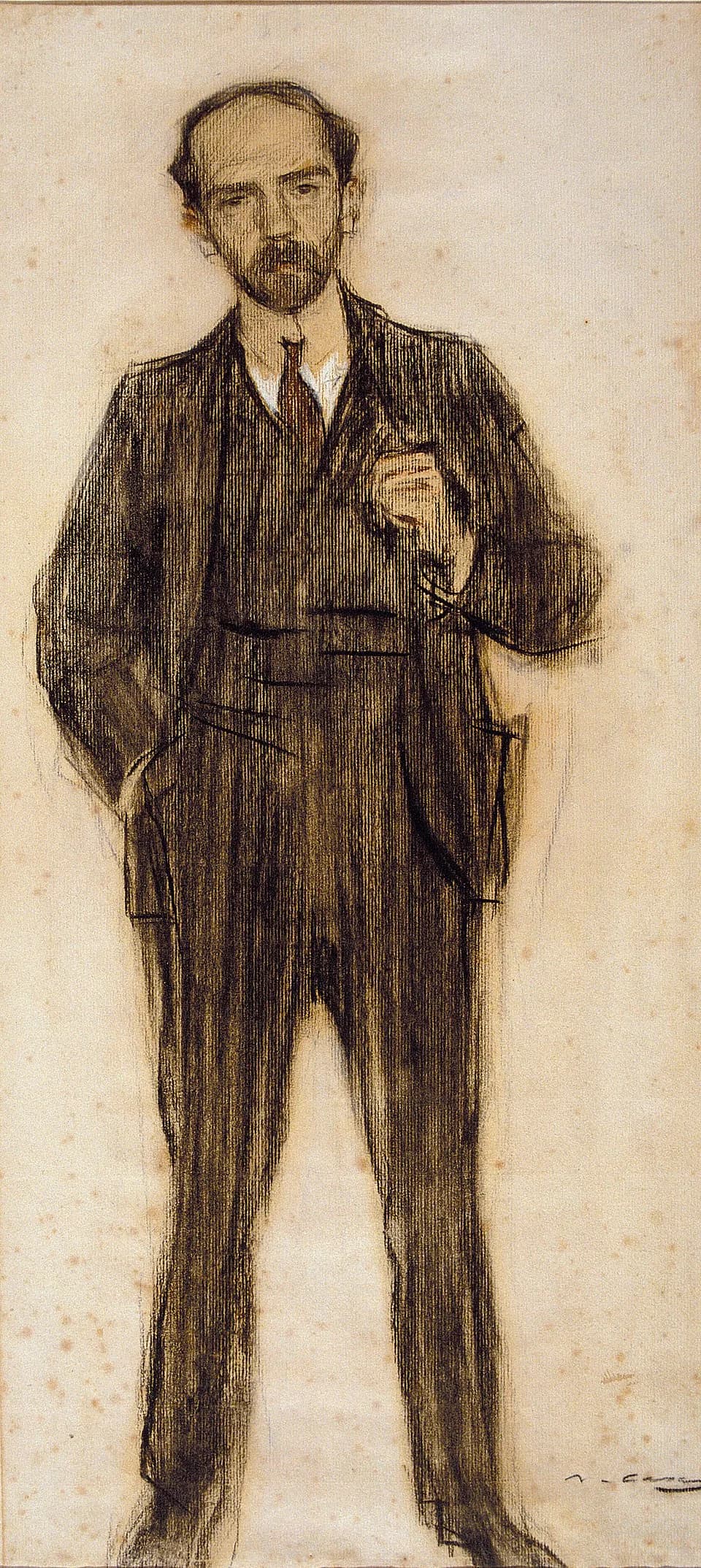
Pío Baroja (December 28, 1872 – October 30, 1956) was a Spanish writer from San Sebastián. As a key novelist of the Generation of '98, he made prolific contributions to Spanish literature. His legacy includes numerous novels that shaped modern Spanish prose.
Gyvenimas akimirkomis
Akimirkos, formavusios gyvenimą
Skyrius
Gyvenimo skyriai
Skyrius 1 · 1872· Skyrius 1 iš 8
Introduction: A Literary Figure
Pío Baroja, born on December 28, 1872, and passing away on October 30, 1956, was an eminent Spanish writer whose profound contributions shaped the literary landscape of his era. Recognized as a key novelist within the influential Generation of '98, his work spanned various genres, establishing him as a significant voice in Spanish prose. Baroja’s extensive career showcased his versatility, moving seamlessly between roles as a novelist, physician, poet, baker, playwright, and physician writer, leaving an enduring legacy in the literary world.
Skyrius 2 · 1872· Skyrius 2 iš 8
Early Life and Illustrious Origins
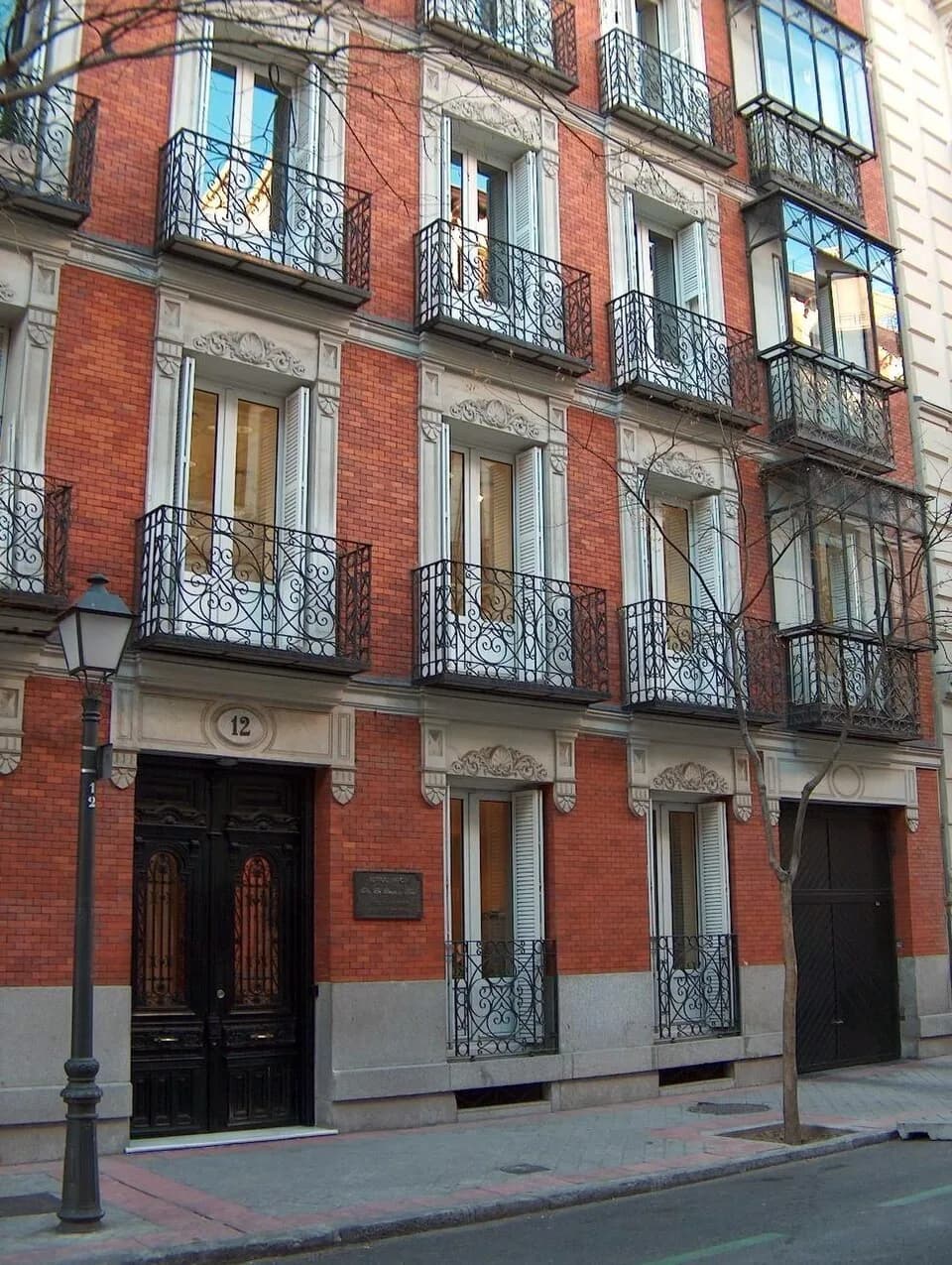
Pío Baroja y Nessi began his life in San Sebastián, Spain, on December 28, 1872, into a family already recognized for its distinguished members. This environment fostered a rich intellectual and creative atmosphere that undoubtedly influenced his formative years. His family ties included his brother, Ricardo Baroja, a notable painter, writer, and engraver, illustrating the artistic inclinations that ran through the family lineage.
Further demonstrating the family's intellectual breadth, Baroja's younger sister, Carmen, was a skilled goldsmith, a craft demanding precision and artistry. Her son, Julio Caro Baroja, would later become a well-known anthropologist, adding another layer of academic and cultural achievement to the Baroja name. This illustrious family background provided Pío Baroja with a unique perspective and a foundation steeped in diverse creative and scholarly pursuits.
Skyrius 3· Skyrius 3 iš 8
A Multifaceted Professional Journey
While Pío Baroja is primarily celebrated as a writer, his professional path was remarkably diverse, reflecting a keen intellect and a broad range of interests. Beyond his literary endeavors, he pursued a career as a physician, a profession that likely offered him deep insights into human nature and suffering, elements often reflected in his narratives. This background as a physician writer uniquely informed his literary perspective, adding depth and realism to his characterizations.
Baroja's professional curiosity also led him to less conventional paths, including a period as a baker, which offered a different kind of engagement with the world outside the intellectual spheres. He also explored his artistic leanings as a poet and a playwright, showcasing his ability to express himself across various forms of literary art. This array of professions speaks to a life lived with an insatiable hunger for experience and understanding, all of which contributed to the richness of his literary output.
Skyrius 4· Skyrius 4 iš 8
Literary Beginnings and the Generation of '98
Pío Baroja emerged as a prominent literary figure during a period of significant cultural and intellectual introspection in Spain, becoming a central voice in the Generation of '98. This group of writers, intellectuals, and artists sought to renew Spanish cultural and political life in the wake of the Spanish-American War. Baroja's early works contributed to the critical examination of Spanish society and identity that defined this generation.
His distinctive prose style, often characterized by its directness and realism, quickly set him apart. Through his novels, he explored themes of existential angst, social injustice, and the complexities of the human condition, resonating deeply with readers. This early period marked the genesis of his prolific career, laying the groundwork for the extensive body of work that would follow and solidify his place among Spain's most important novelists.
Skyrius 5· Skyrius 5 iš 8
Major Contributions and Key Themes
Throughout his career, Pío Baroja produced a vast bibliography, cementing his reputation as one of Spain's most significant literary figures. His status as a key novelist of the Generation of '98 was earned through a consistent output of thoughtful and often provocative works. His narratives frequently presented a critical view of contemporary society, engaging with philosophical questions and exploring individual struggles against broader social currents.
Baroja's novels are known for their strong character development and vivid depictions of Spanish life. He explored the disillusionment and search for meaning that characterized his generation, often through protagonists who were outsiders or rebels. His contributions extended beyond mere storytelling; they were reflections on the human spirit and the societal challenges of his time, making his body of work an invaluable record of early 20th-century Spain.
Skyrius 6· Skyrius 6 iš 8
A Rich Tapestry of Notable Works
Pío Baroja's bibliography is extensive, featuring many titles that have become cornerstones of Spanish literature. Among his significant works is "Desde el exilio," which explored themes of displacement and belonging. "La feria de los discretos" showcased his keen observational skills and narrative prowess, drawing readers into richly detailed worlds.
His adventurous spirit is evident in works like "Aventuras, inventos y mixtificaciones de Silvestre Paradox," and "Zalacain el aventurero," which captivated audiences with their dynamic plots and memorable characters. "Lucha Por la Vida" (Struggle for Life) stands as a powerful testament to his engagement with social realism, depicting the harsh realities faced by many. Other notable titles include the unique "山民牧唱," "Aurora Roja," "El poeta y la princesa, o, El Cabaret de la Cotorra Verde (novela film)," "Paradox, rey," and "Los ídolos," each contributing to the diverse and rich narrative landscape he created.
Skyrius 7 · 1956· Skyrius 7 iš 8
Later Years and Enduring Influence
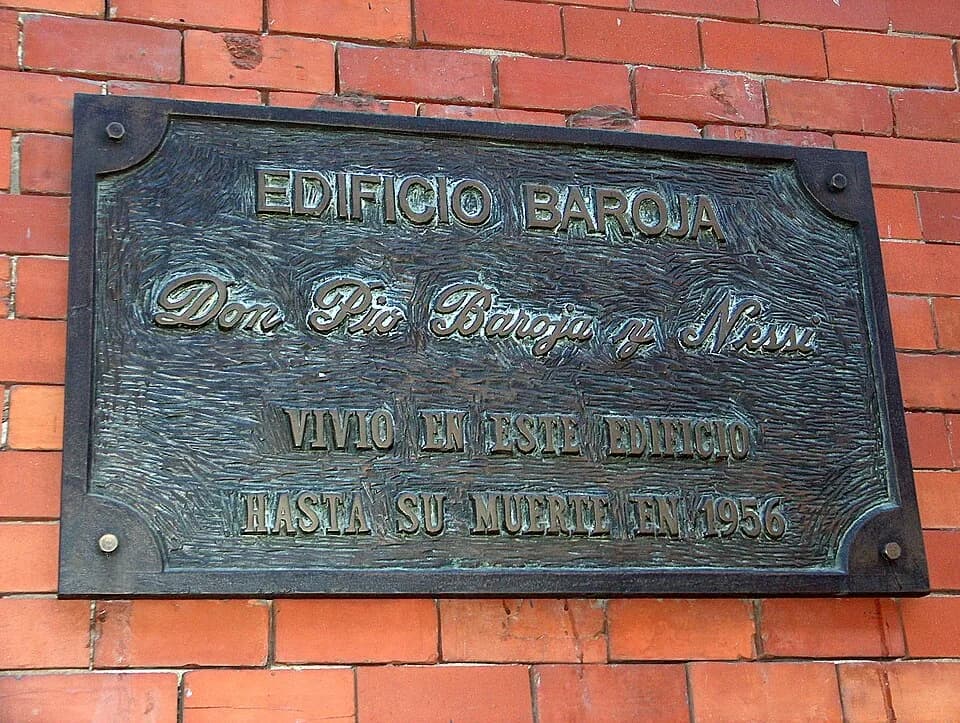
Pío Baroja continued his literary pursuits throughout his later years, maintaining a significant presence in Spanish intellectual circles until his passing on October 30, 1956, in Madrid, Spain. His commitment to writing remained unwavering, and he continued to publish works that explored his characteristic themes of existentialism and societal critique. Even in his final years, his voice remained distinct and influential, shaping the perspectives of emerging writers.
His long and productive career ensured that his influence extended far beyond his lifetime. Baroja’s steadfast dedication to his craft, combined with his unique blend of realism and philosophical inquiry, ensured that his works would continue to be studied and appreciated. He left behind a substantial body of literature that remains relevant for its insights into human nature and its powerful portrayal of early 20th-century Spain.
Skyrius 8· Skyrius 8 iš 8
Legacy in Spanish Literature
The legacy of Pío Baroja is firmly entrenched in the annals of Spanish literature, particularly as a pivotal figure of the Generation of '98. He redefined the novel form in Spain, steering it towards a more direct, introspective, and realistic style. His impact is seen in the generations of writers who followed, many of whom drew inspiration from his narrative techniques and thematic explorations.
Baroja's ability to combine a physician's analytical eye with a poet's sensitivity allowed him to craft stories that were both intellectually rigorous and emotionally resonant. His enduring contribution lies not only in the sheer volume of his output but also in the depth and critical perspective he brought to Spanish letters. Pío Baroja remains a celebrated figure, remembered for his literary courage and his lasting influence on the evolution of the Spanish novel.
DUK
Dažnai užduodami
Kada mirė Pío Baroja?
Pío Baroja mirė 1956 m. spalio 30 d. Madrid, Spain sulaukęs 83 metų.
Kur gimė Pío Baroja?
Pío Baroja gimė San Sebastián, Spain 1872 m. gruodžio 28 d..
Kuo labiausiai žinomas(a) Pío Baroja?
Pío Baroja labiausiai žinomas(a) dėl Spanish writer.
Kiek metų buvo Pío Baroja mirties metu?
Pío Baroja mirties metu buvo 83 metų.
Kokios tautybės buvo Pío Baroja?
Pío Baroja buvo kilęs iš Spain.
Laiko juosta
Gyvenimas iš pirmo žvilgsnio
Nuotraukų galerija
Gyvenimas paveiksluose
Spustelėkite bet kurią poliaroidą, kad išplėstumėte · 24 nuotraukų
QR kodas
Dalintis šia biografija
Spausdinti ir dalintis
Nuskaitykite, kad apsilankytumėte šiame biografijos puslapyje. Spausdinkite renginiams, parodoms ar mokomajai medžiagai.