Gimęs
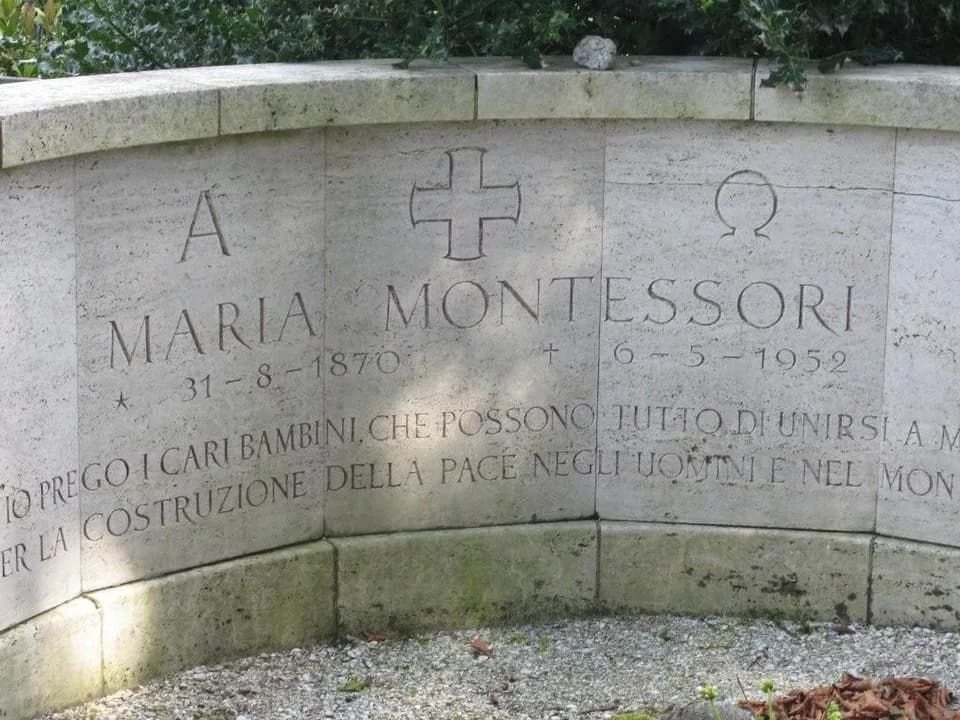
August 31, 1870
Chiaravalle, Italy
Miręs
May 6, 1952
Noordwijk, Netherlands
Žinomas dėl
Italian pedagogue and physician
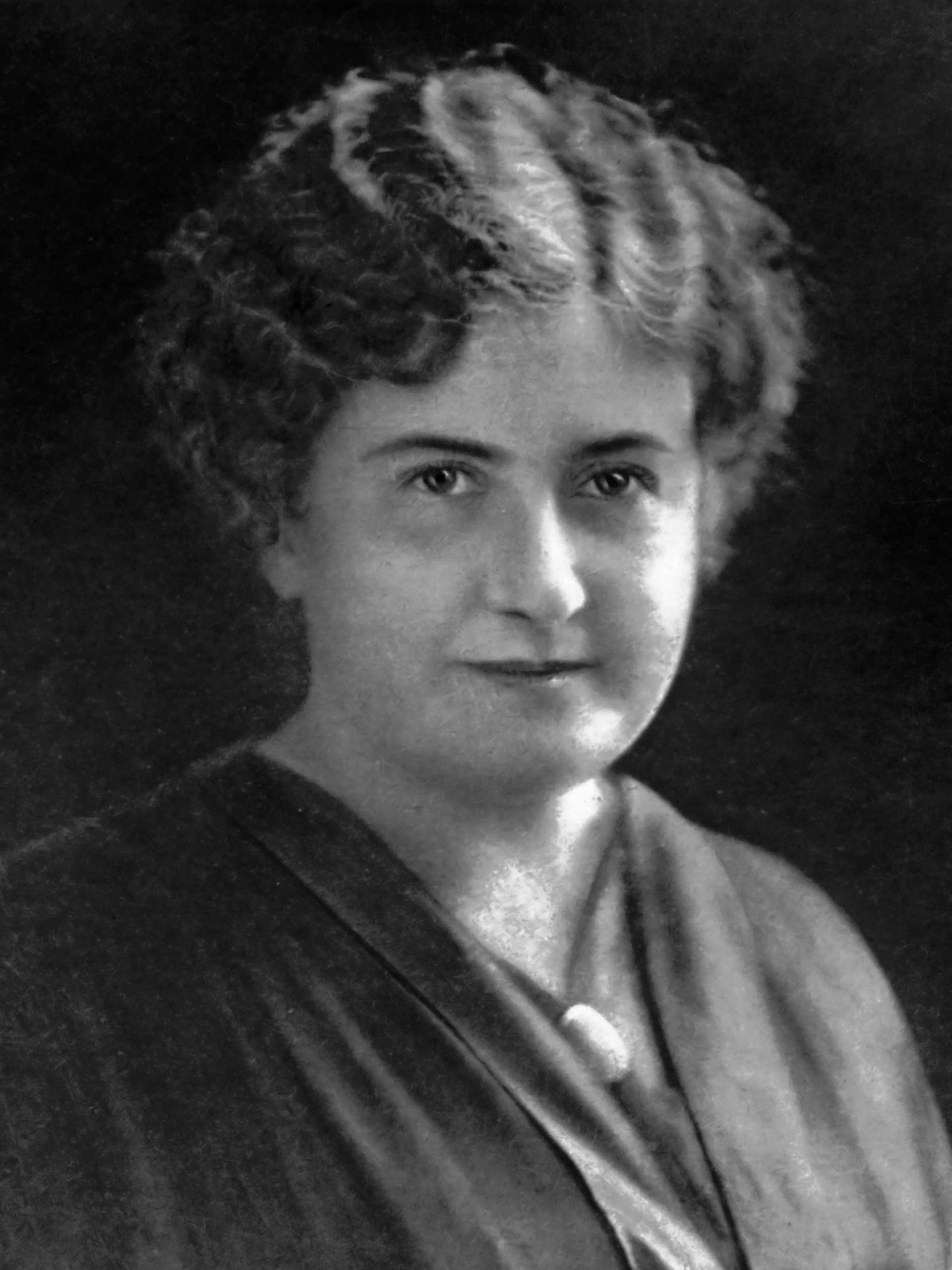
Maria Montessori (1870–1952) was Italy best known for Italian pedagogue and physician.
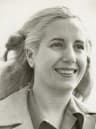
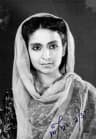
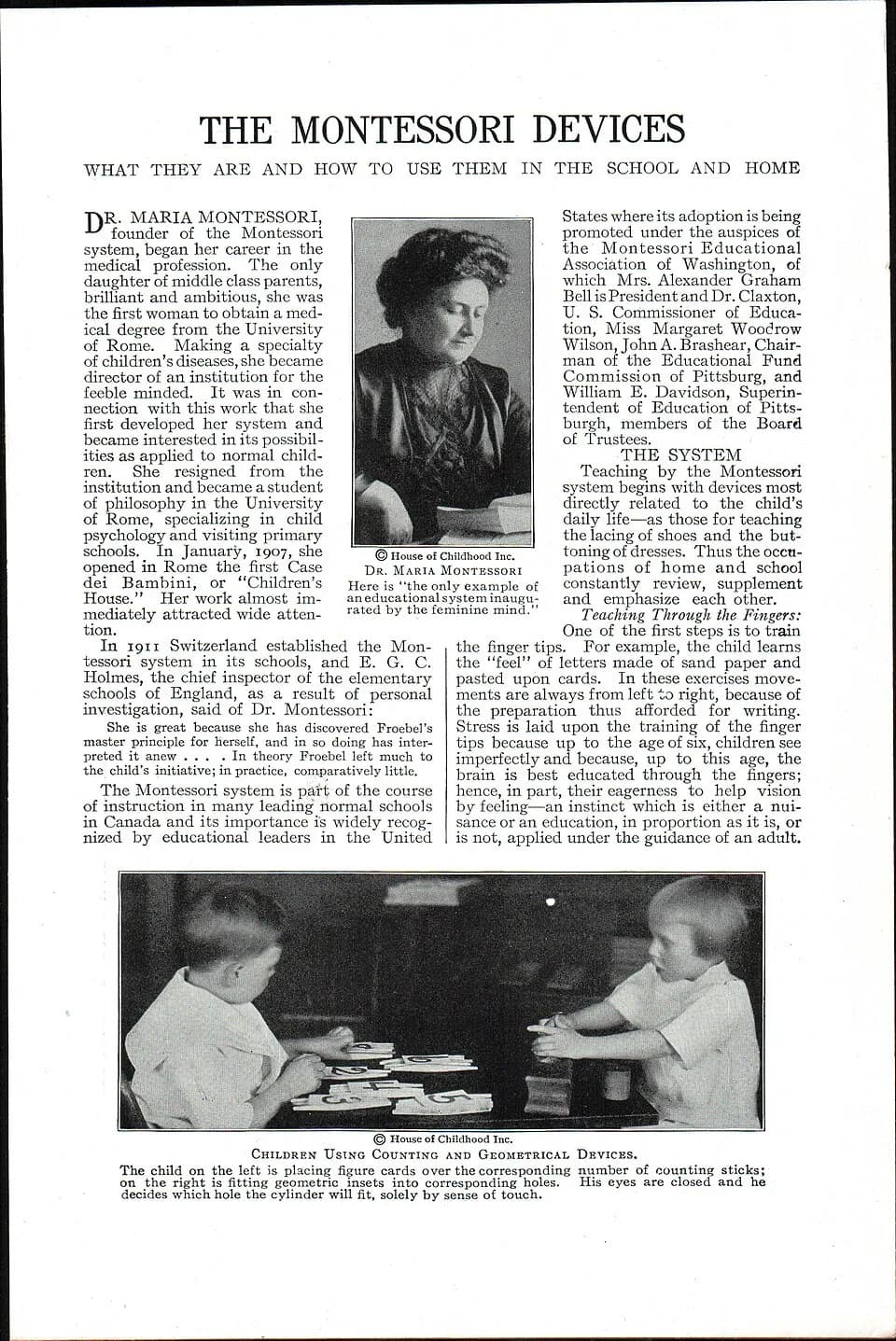
Maria Montessori (August 31, 1870 – May 6, 1952) was an Italian pedagogue and physician from Chiaravalle. She is best known for developing a philosophy of education and scientific pedagogy that is utilized globally today. Her work pioneered child-centered learning methods.
Skyrius
Gyvenimo skyriai
Skyrius 1 · 1870· Skyrius 1 iš 7
Early Life and Origins
Maria Montessori began her life in Chiaravalle, Italy, on August 31, 1870. Her early academic path revealed a determined and pioneering spirit, as she initially enrolled in an all-boys technical school with the aspiration of becoming an engineer. This early interest in structured problem-solving and systematic inquiry hinted at the scientific rigor she would later apply to education.
Her ambitions soon shifted towards the medical field, leading her to embark on studies at the Sapienza University of Rome. This decision was particularly notable, as she became one of the very first women to attend medical school in Italy. Maria Montessori completed her demanding medical education with distinction, graduating with honors in 1896, marking a significant personal achievement and a milestone for women in academia and professional life.
Skyrius 2 · 1896· Skyrius 2 iš 7
Career Beginnings
Following her graduation in 1896, Maria Montessori commenced her career as a physician. Her initial professional experiences in medicine, particularly her scientific training in observation and analysis, became foundational to her later work in pedagogy. She applied the same meticulous, evidence-based approach that characterized medical practice to the study of child development and learning, bridging the fields of medicine and education.
It was during this period that her focus gradually transitioned from general medical care to a deep commitment to understanding and improving educational practices. Her unique perspective as a physician informed her belief that education should be approached with scientific principles, leading her to develop a new "scientific pedagogy" focused on the child's natural growth and capabilities.
Skyrius 3· Skyrius 3 iš 7
Major Achievements and Career Highlights
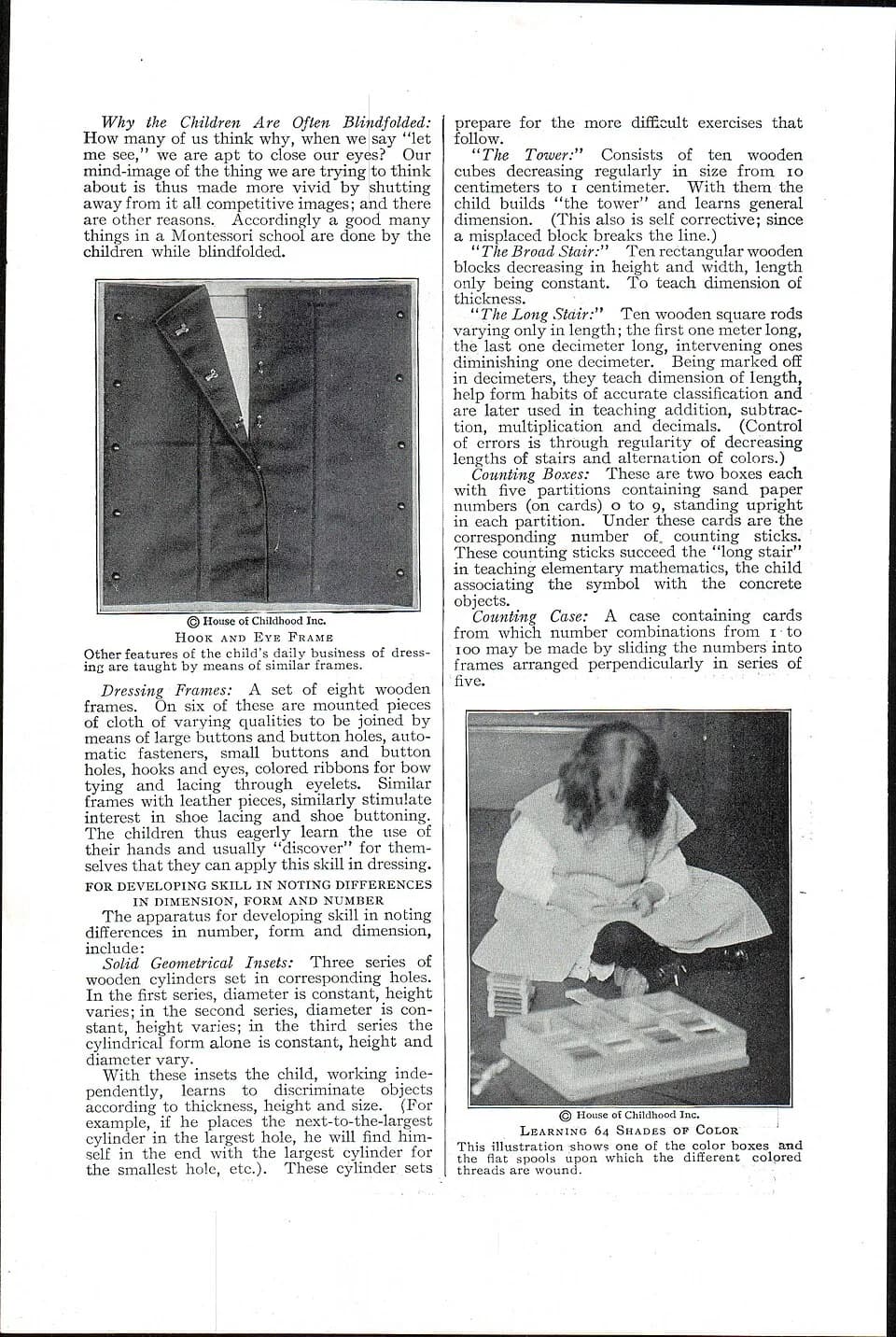
Maria Montessori's most significant achievement is undoubtedly the development of her distinctive philosophy of education, now universally known as the Montessori Method. This method is characterized by its emphasis on self-directed activity, hands-on learning, and collaborative play, creating a child-centered environment that fosters independence and cognitive development. Her work laid the theoretical and practical foundations for an entirely new way of thinking about how children learn.
The global adoption of her educational method stands as a powerful testament to its effectiveness and timeless relevance. Today, her principles are applied in numerous public and private schools across the world, impacting generations of children and educators. This widespread implementation highlights her enduring legacy as an innovator who transformed educational thought and practice on an international scale.
Skyrius 4· Skyrius 4 iš 7
Personal Life
While the provided information does not detail Maria Montessori's family or intimate relationships, her professional journey offers a clear picture of a life characterized by singular dedication and intellectual courage. Her pioneering role as one of Italy's first female physicians and her subsequent revolutionary work in education demonstrate a profound personal commitment to challenging norms and advancing human potential. Her life's work was intrinsically linked to her personal values of respect for the individual child and a steadfast belief in their innate capacity for learning.
Skyrius 5· Skyrius 5 iš 7
Notable Works or Contributions
Maria Montessori was a prolific writer, articulating her educational theories and research findings in a series of influential books and essays. Her most pivotal work, "Il metodo della pedagogia scientifica applicato all'educazione infantile nelle case dei bambini," introduced her scientific approach to early childhood education and outlined the practical applications of her method in "Children's Houses." This text became a cornerstone of her global movement.
Her other significant publications further elaborated on various aspects of her philosophy. These include "Dall'infanzia all'adolescenza," which explores developmental stages from childhood through adolescence, and "Psicogrammatica," which delves into the psychological underpinnings of language and grammar acquisition. Additional works like "Il peccato originale," "Khyeʼu dus slob gsoʼi man ngag," "Caratteri fisici delle giovani donne del Lazio," and "Wie Kinder zu Konzentration und Stille finden" collectively showcase the depth and breadth of her intellectual curiosity and the international scope of her educational outreach.
Skyrius 6· Skyrius 6 iš 7
Later Years
Throughout her later years, Maria Montessori tirelessly championed and refined her educational method. She dedicated her life to its promotion and implementation across diverse cultures and educational systems, seeing her principles gain increasing acceptance and adaptation worldwide. Her unwavering commitment ensured that her unique approach to learning reached a broad international audience.
Maria Montessori passed away on May 6, 1952, in Noordwijk, Netherlands. By the time of her passing, she had firmly established an internationally recognized and widely adopted educational philosophy that continues to thrive and evolve, a testament to her vision and lifelong dedication.
Skyrius 7· Skyrius 7 iš 7
Legacy and Impact
The legacy of Maria Montessori is monumental, rooted in her fundamental reshaping of educational theory and practice. Her "Montessori Method" revolutionized early childhood education, shifting paradigms from traditional teacher-centered instruction to an environment that respects the child's natural drive for self-discovery and independent learning. She demonstrated that children thrive in prepared environments designed to meet their developmental needs.
Her scientific pedagogy continues to be a living and evolving framework, influencing educators, parents, and policymakers globally. Maria Montessori's insights into child psychology and the learning process remain highly relevant, ensuring her lasting impact as one of the most influential figures in the history of education, whose work continues to foster independent, capable, and confident learners.
Gyvenimas akimirkomis
Akimirkos, formavusios gyvenimą
DUK
Dažnai užduodami
Kada mirė Maria Montessori?
Maria Montessori mirė 1952 m. gegužės 6 d. Noordwijk, Netherlands sulaukęs 81 metų.
Kur gimė Maria Montessori?
Maria Montessori gimė Chiaravalle, Italy 1870 m. rugpjūčio 31 d..
Kuo labiausiai žinomas(a) Maria Montessori?
Maria Montessori labiausiai žinomas(a) dėl Italian pedagogue and physician.
Kiek metų buvo Maria Montessori mirties metu?
Maria Montessori mirties metu buvo 81 metų.
Kokios tautybės buvo Maria Montessori?
Maria Montessori buvo kilęs iš Italy.
Laiko juosta
Gyvenimas iš pirmo žvilgsnio
Nuotraukų galerija
Gyvenimas paveiksluose
Spustelėkite bet kurią poliaroidą, kad išplėstumėte · 45 nuotraukų
QR kodas
Dalintis šia biografija
Spausdinti ir dalintis
Nuskaitykite, kad apsilankytumėte šiame biografijos puslapyje. Spausdinkite renginiams, parodoms ar mokomajai medžiagai.