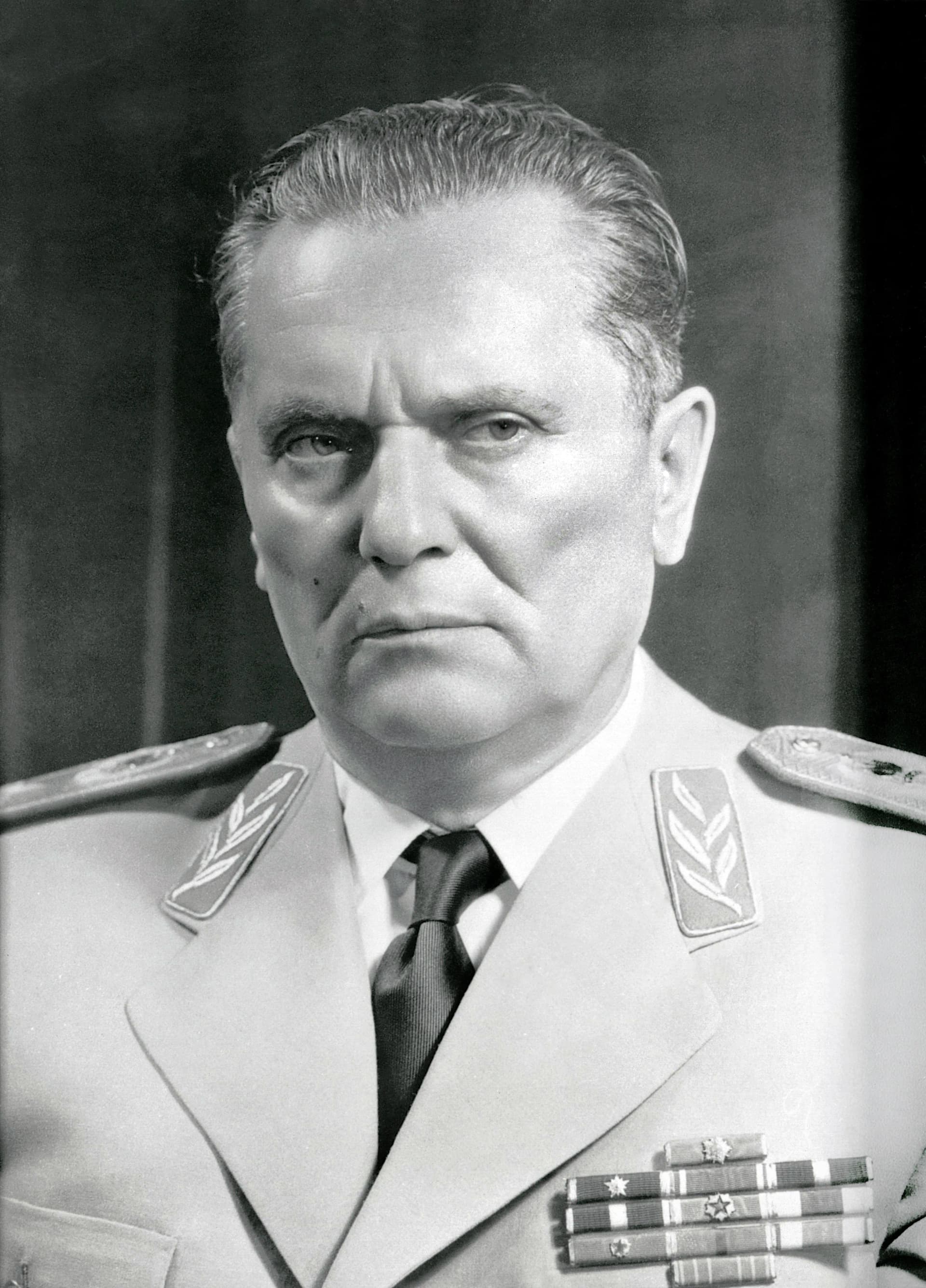
ເກີດ
May 7, 1892
Kumrovec, Croatia
ຈາກໄປ
May 4, 1980
Ljubljana, Slovenia
ເປັນທີ່ຮູ້ຈັກ
Yugoslav revolutionary and statesman (1892−1980)
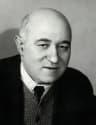
Josip Broz Tito (1892–1980) was a Yugoslav revolutionary and statesman who served as prime minister and president. He led the Partisans during World War II, defied Soviet control, and co-founded the Non-Aligned Movement, shaping Yugoslavia's unique socialist path.
ບົດທີ
ບົດຕອນຊີວິດ
ບົດທີ 1· ບົດທີ 1 ຈາກ 3
From Prisoner to Revolutionary
He was then transferred to a prisoner-of-war camp in the Ural Mountains, where his resourcefulness saw him put in charge of fellow prisoners. When he exposed camp staff for stealing Red Cross parcels, he was beaten and imprisoned. Escaping in the chaos of the February Revolution, Broz eventually made his way to Siberia, where he joined the International Red Guard. The machinist from Kumrovec, once an imperial soldier, was now a committed revolutionary.
ບົດທີ 2 · 1948· ບົດທີ 2 ຈາກ 3
Forging a New Nation
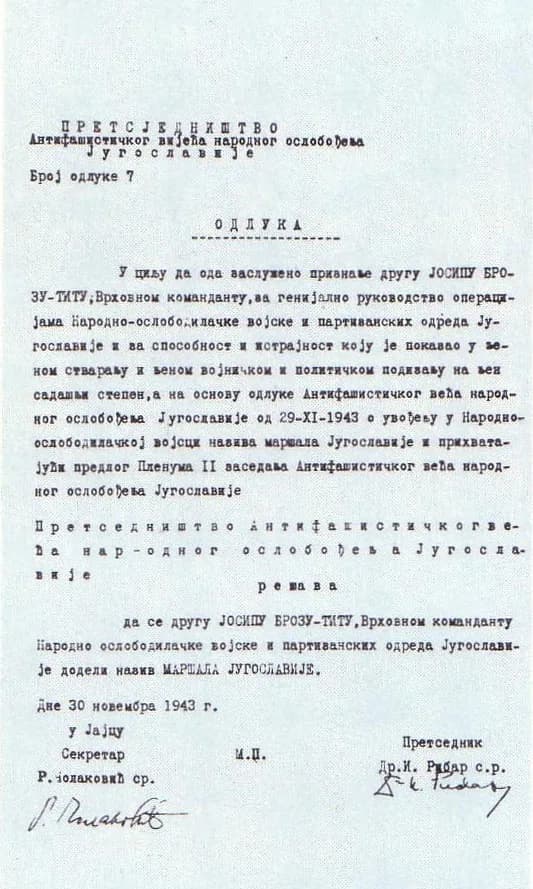
Returning to the newly formed Kingdom of Yugoslavia, Broz, now known as Tito, rose to lead the Communist Party. When Axis forces invaded in World War II, he became the supreme commander of the Yugoslav Partisans, forging what was widely considered the most effective resistance movement in German-occupied Europe. After the war, he established a communist state, but famously refused to bend to Soviet will, leading to the dramatic Tito–Stalin split in 1948. This bold defiance carved a unique path for Yugoslavia, marked by an idiosyncratic model of 'socialist self-management' and a determination to stand apart from both Cold War blocs.
ບົດທີ 3 · 1980· ບົດທີ 3 ຈາກ 3
A Global Diplomat
This independent spirit propelled Tito onto the global stage as a co-founder of the Non-Aligned Movement, a coalition of states seeking an alternative to superpower rivalry. At home, he navigated Yugoslavia's complex tapestry of nationalities, favoring a decentralized federation to keep ethnic tensions in check, though a powerful cult of personality grew around him. His passing in 1980 saw Yugoslavia transition to a rotating presidency, an attempt to prevent another authoritarian leader and honor its diverse peoples. For a time, it held, but ultimately, ethnic tensions and the collapse of communism saw the federation unravel, descending into bitter conflict twelve years later.
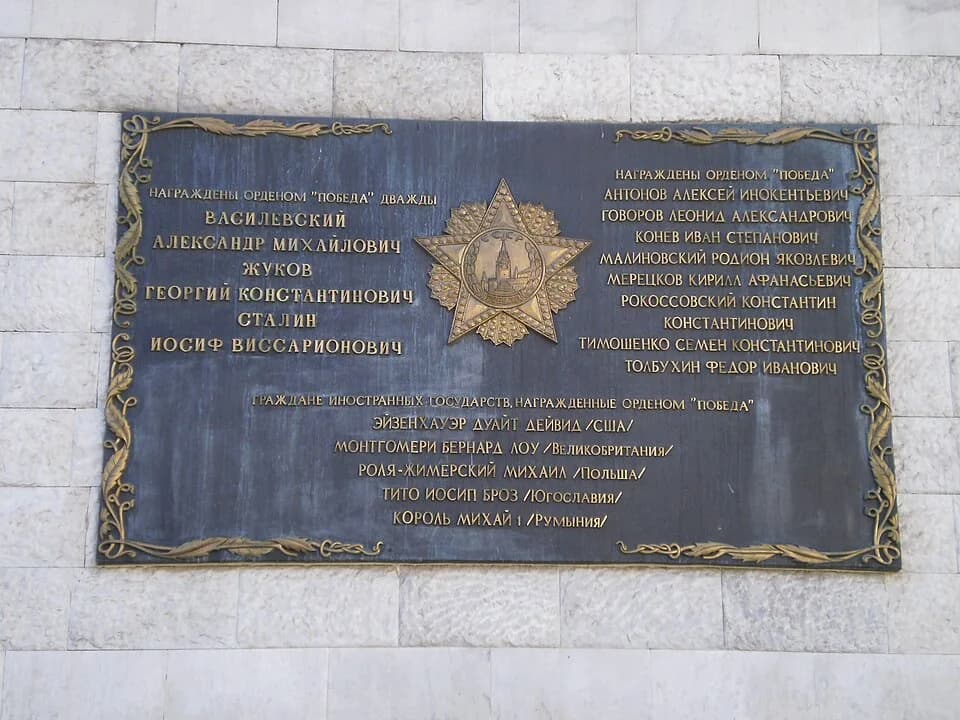
He was awarded an extraordinary 98 foreign decorations, among them France's Legion of Honour and the British Order of the Bath. This unprecedented collection reflected his unique ability to command respect and attention from leaders across the ideological divides of his era, a leader whose complex vision for a unified, independent Yugoslavia, for a time, held a nation together.
ຊີວິດໃນຊ່ວງເວລາ
ຊ່ວງເວລາທີ່ສ້າງຊີວິດ
ຄຳຖາມ
ຄຳຖາມທີ່ພົບເລື້ອຍ
Josip Broz Tito ເສຍຊີວິດເມື່ອໃດ?
Josip Broz Tito ເສຍຊີວິດໃນວັນທີ 4 ພຶດສະພາ 1980 ທີ່ Ljubljana, Slovenia, ໃນອາຍຸ 87 ປີ.
Josip Broz Tito ເກີດຢູ່ໃສ?
Josip Broz Tito ເກີດທີ່ Kumrovec, Croatia ໃນວັນທີ 7 ພຶດສະພາ 1892.
Josip Broz Tito ມີຊື່ສຽງທີ່ສຸດໃນເລື່ອງໃດ?
Josip Broz Tito ມີຊື່ສຽງທີ່ສຸດໃນເລື່ອງ Yugoslav revolutionary and statesman (1892−1980).
Josip Broz Tito ມີອາຍຸເທົ່າໃດເມື່ອເສຍຊີວິດ?
Josip Broz Tito ມີອາຍຸ 87 ປີ ເມື່ອເສຍຊີວິດ.
Josip Broz Tito ມີສັນຊາດໃດ?
Josip Broz Tito ມາຈາກ Croatia.
ເສັ້ນເວລາ
ຊີວິດໂດຍຫຍໍ້
ຫ້ອງສະແດງຮູບພາບ
ຊີວິດໃນຮູບພາບ
ຄລິກຮູບໃດກໍໄດ້ເພື່ອຂະຫຍາຍ · 42 ຮູບພາບ
ລະຫັດ QR
ແບ່ງປັນຊີວະປະຫວັດນີ້
ພິມ ແລະ ແບ່ງປັນ
ສະແກນເພື່ອກັບເຂົ້າເບິ່ງໜ້າຊີວະປະຫວັດນີ້. ພິມໄວ້ສຳລັບງານຕ່າງໆ, ງານວາງສະແດງ ຫຼື ອຸປະກອນການສຶກສາ.