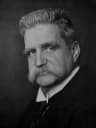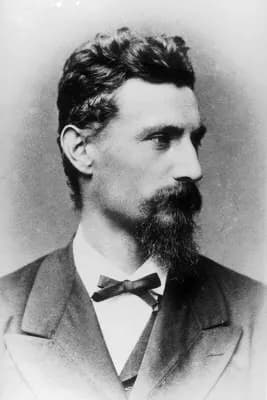
ເກີດ
December 6, 1848
Opava, Margraviate of Moravia
ຈາກໄປ
May 2, 1925
Vienna, Austria
ເປັນທີ່ຮູ້ຈັກ
Austrian astronomist
Johann Palisa (1848–1925) was Margraviate of Moravia best known for Austrian astronomist.
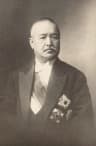
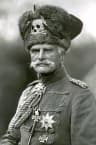
Johann Palisa (December 6, 1848 – May 2, 1925) was an Austrian astronomer from Opava. He famously discovered 122 asteroids, including 243 Ida and 719 Albert, all without photographic aid. Palisa remains the most successful visual asteroid discoverer of all time.
ບົດທີ
ບົດຕອນຊີວິດ
ບົດທີ 1 · 1848· ບົດທີ 1 ຈາກ 7
Early Life and Origins
Born on December 6, 1848, Johann Palisa originated from Opava, a significant town within the Margraviate of Moravia. This region, part of Austrian Silesia at the time, is now situated in the modern-day Czech Republic. His early life in this historical setting provided the foundation for his future scientific pursuits.
ບົດທີ 2· ບົດທີ 2 ຈາກ 7
Career Beginnings
Palisa pursued a distinguished career in astronomy, eventually holding positions as both an astronomer and a university teacher. His professional journey also included service as a military officer, demonstrating a breadth of expertise and discipline. These roles equipped him with the precision and methodical approach necessary for his scientific endeavors.
ບົດທີ 3 · 1874· ບົດທີ 3 ຈາກ 7
Major Achievements and Career Highlights
Johann Palisa achieved extraordinary recognition as a prolific discoverer of asteroids, with a remarkable count of 122 celestial bodies attributed to him. His first discovery, 136 Austria, was made in 1874, marking the beginning of a long and fruitful period of observation. Among his notable findings are 153 Hilda, 216 Kleopatra, 243 Ida, 253 Mathilde, 324 Bamberga, and the near-Earth asteroid 719 Albert.
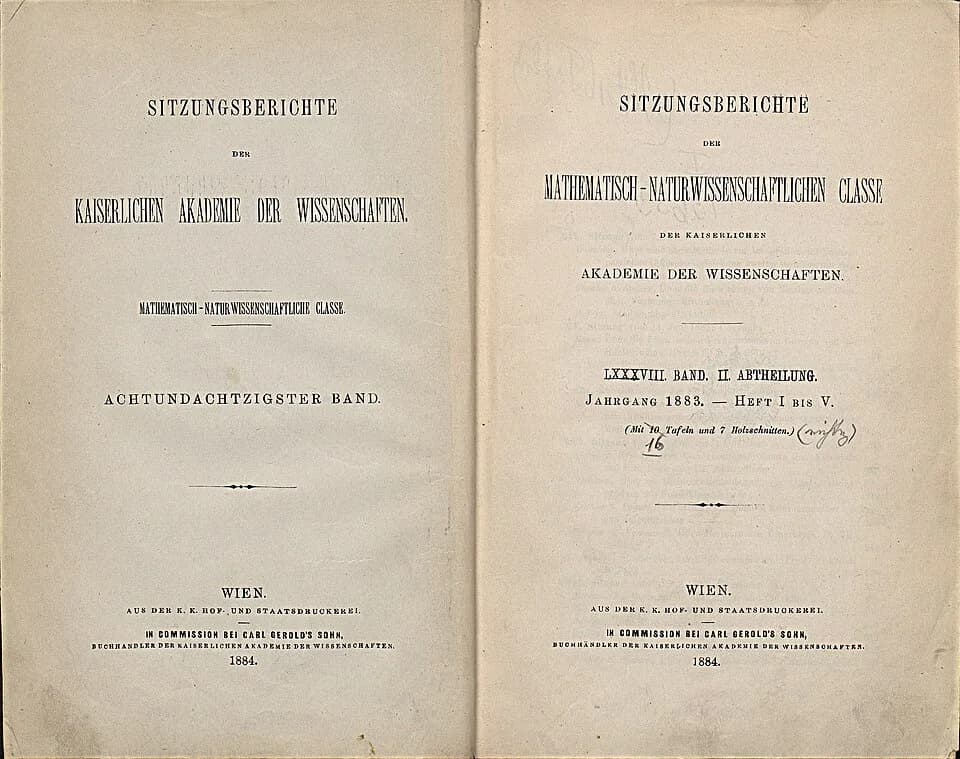
What makes Palisa's achievements particularly extraordinary is that he accomplished all of these discoveries without the aid of photography. He relied solely on visual observation, making him the most successful visual (non-photographic) asteroid discoverer of all time. For his scientific contributions, Palisa was awarded the prestigious Valz Prize from the French Academy of Sciences in 1906, acknowledging his significant work.
ບົດທີ 4· ບົດທີ 4 ຈາກ 7
Personal Life
While Johann Palisa's professional life was extensively documented through his astronomical discoveries and academic contributions, specific details regarding his personal life, family, and other interests beyond his scientific work are not widely recorded in the provided information.
ບົດທີ 5 · 1909· ບົດທີ 5 ຈາກ 7
Notable Works or Contributions
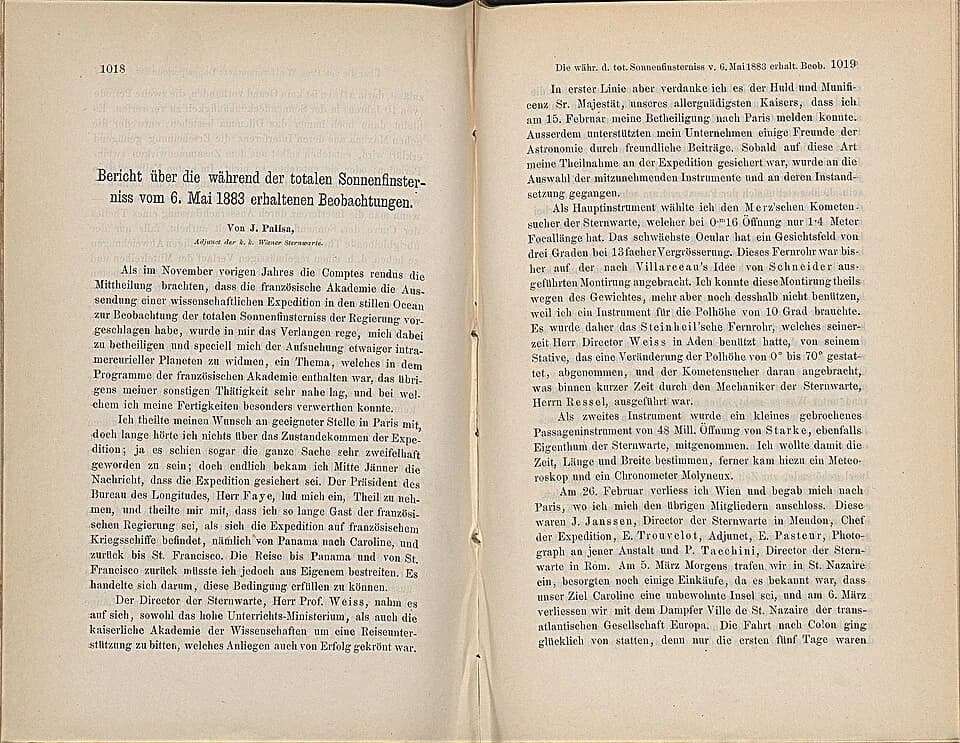
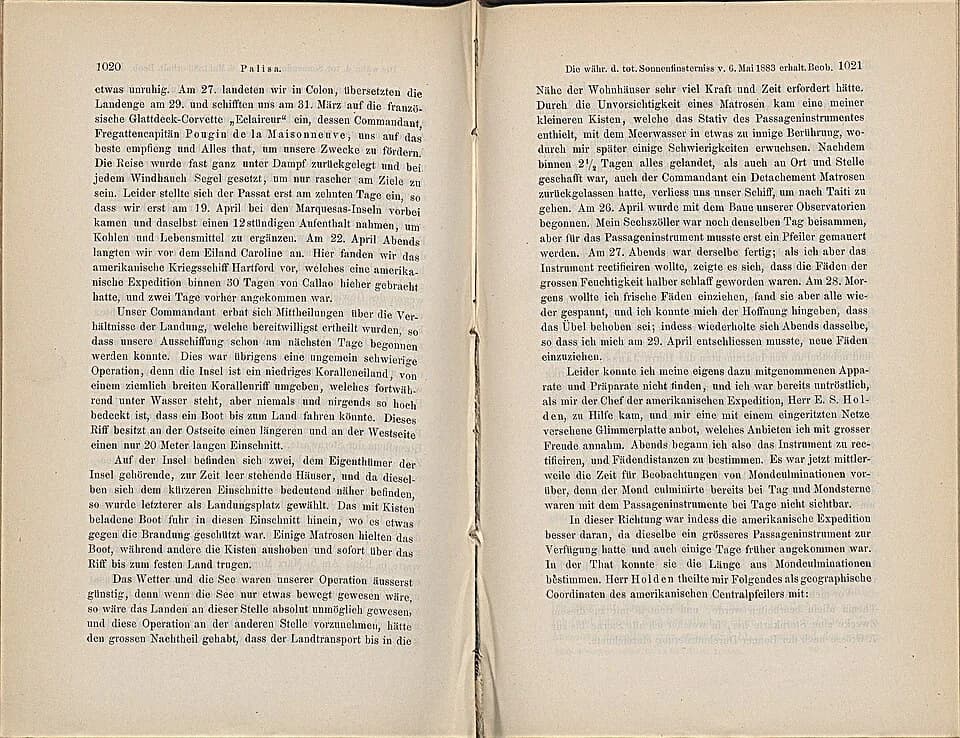
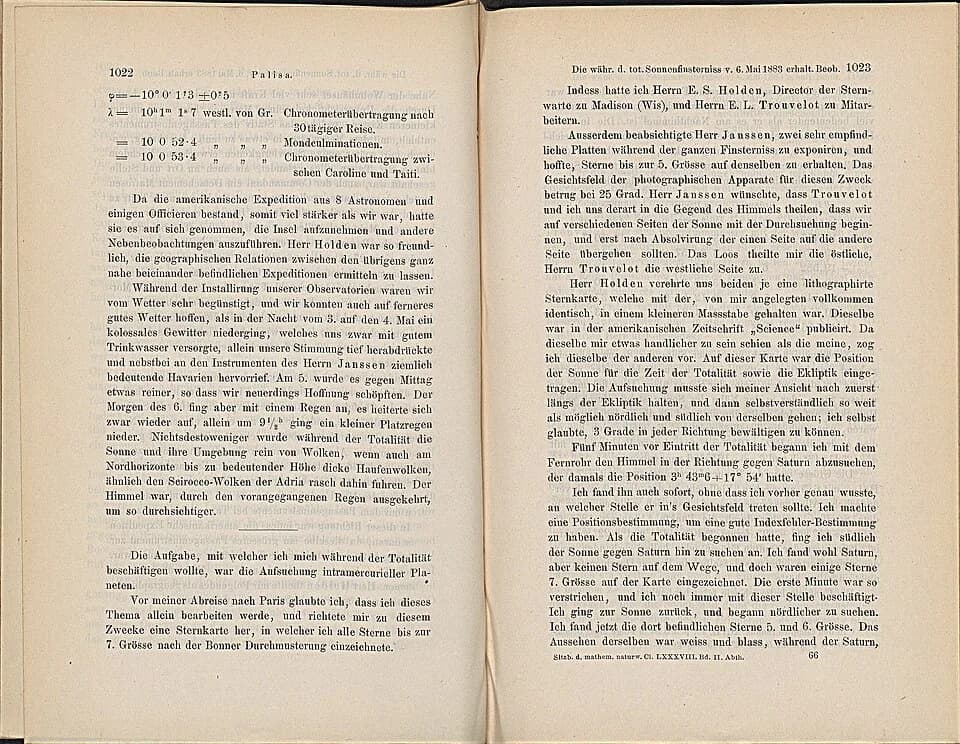
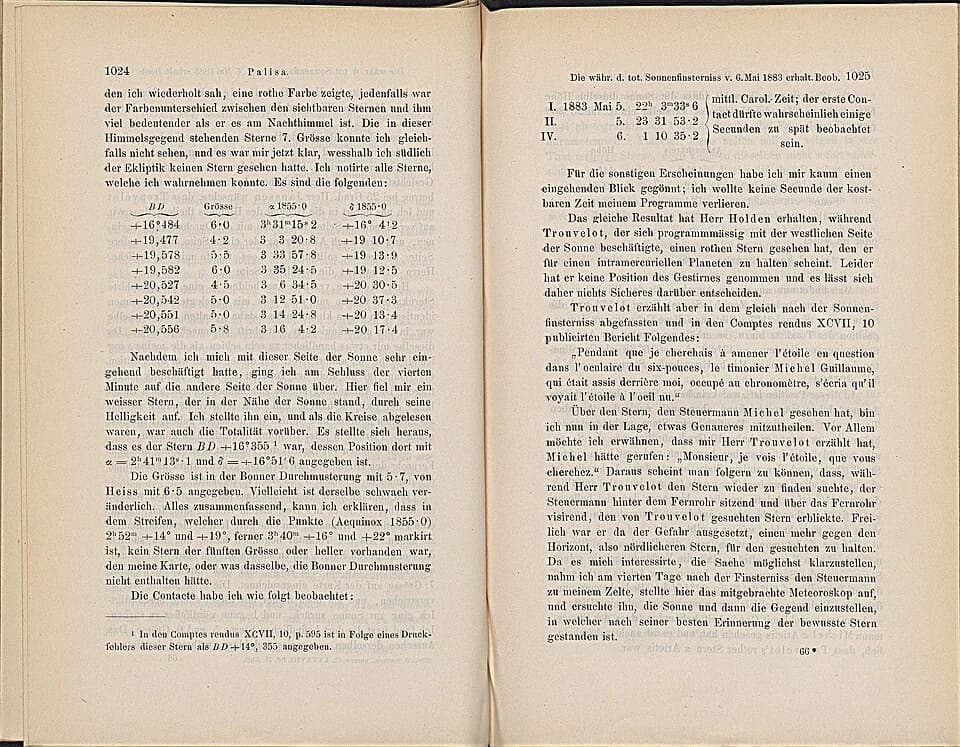
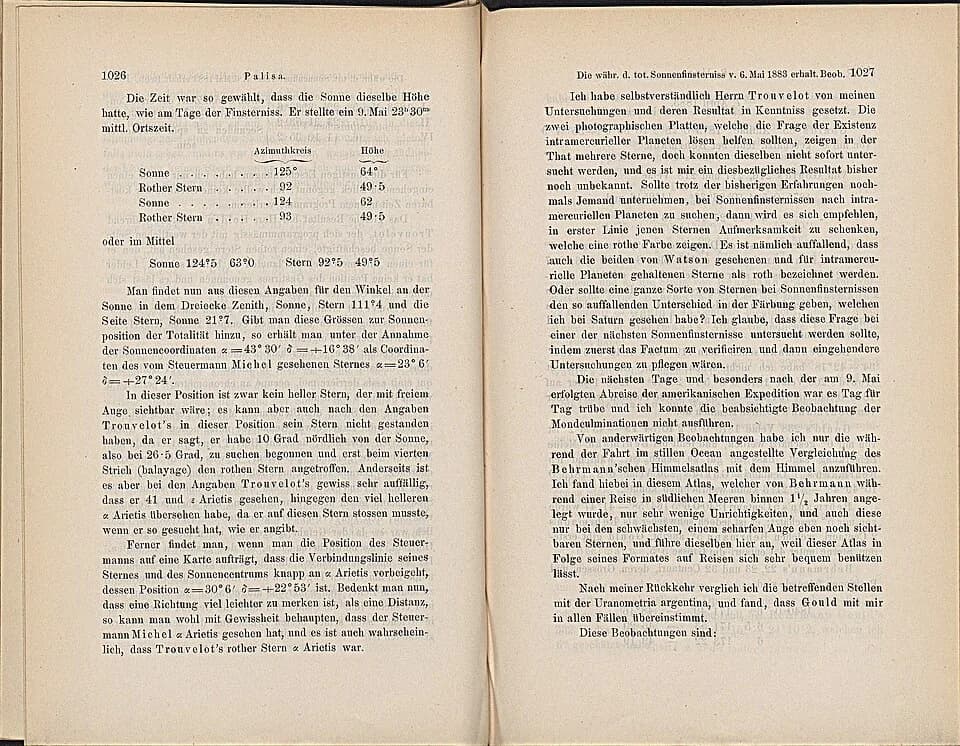
Palisa's academic output includes 14 papers, contributing to a diverse range of astronomical topics. His h-index stands at 1, reflecting the impact of his published research. Some of his documented works include "Celestial Charts by J. Palisa and M. Wolf" from 1909 and the "Invitation to subscribe for the photographic celestial charts of Johann Palisa and Max Wolf" in 1908. He also authored papers such as "Planet (111). Von Prof. J. Palisa" in 1873 and articles concerning specific celestial observations like "Komet 1905 IV (1906 b)".
ບົດທີ 6 · 1073· ບົດທີ 6 ຈາກ 7
Later Years
Johann Palisa continued his dedicated work as an astronomer well into his later years. His final recorded asteroid discovery, 1073 Gellivara, was made in 1923, just two years before his passing. He died on May 2, 1925, in Vienna, Austria, leaving behind a profound scientific legacy.
ບົດທີ 7 · 1919· ບົດທີ 7 ຈາກ 7
Legacy and Impact
Johann Palisa's contributions profoundly shaped the understanding of the asteroid belt and the methodology of astronomical discovery. His unparalleled record as a visual asteroid discoverer without photographic assistance remains a testament to his observational skill and perseverance. In recognition of his significant work, the asteroid 914 Palisana, discovered by Max Wolf in 1919, was named in his honor. Furthermore, a lunar crater bears the name Palisa, ensuring his memory is etched both in the scientific community and across the cosmos he so diligently explored.
ຊີວິດໃນຊ່ວງເວລາ
ຊ່ວງເວລາທີ່ສ້າງຊີວິດ
ຄຳຖາມ
ຄຳຖາມທີ່ພົບເລື້ອຍ
Johann Palisa ເສຍຊີວິດເມື່ອໃດ?
Johann Palisa ເສຍຊີວິດໃນວັນທີ 2 ພຶດສະພາ 1925 ທີ່ Vienna, Austria, ໃນອາຍຸ 76 ປີ.
Johann Palisa ເກີດຢູ່ໃສ?
Johann Palisa ເກີດທີ່ Opava, Margraviate of Moravia ໃນວັນທີ 6 ທັນວາ 1848.
Johann Palisa ມີຊື່ສຽງທີ່ສຸດໃນເລື່ອງໃດ?
Johann Palisa ມີຊື່ສຽງທີ່ສຸດໃນເລື່ອງ Austrian astronomist.
Johann Palisa ມີອາຍຸເທົ່າໃດເມື່ອເສຍຊີວິດ?
Johann Palisa ມີອາຍຸ 76 ປີ ເມື່ອເສຍຊີວິດ.
Johann Palisa ມີສັນຊາດໃດ?
Johann Palisa ມາຈາກ Margraviate of Moravia.
ເສັ້ນເວລາ
ຊີວິດໂດຍຫຍໍ້
ຫ້ອງສະແດງຮູບພາບ
ຊີວິດໃນຮູບພາບ
ຄລິກຮູບໃດກໍໄດ້ເພື່ອຂະຫຍາຍ · 23 ຮູບພາບ
ລະຫັດ QR
ແບ່ງປັນຊີວະປະຫວັດນີ້
ພິມ ແລະ ແບ່ງປັນ
ສະແກນເພື່ອກັບເຂົ້າເບິ່ງໜ້າຊີວະປະຫວັດນີ້. ພິມໄວ້ສຳລັບງານຕ່າງໆ, ງານວາງສະແດງ ຫຼື ອຸປະກອນການສຶກສາ.