ເກີດ
July 31, 1901
Le Havre, France
ຈາກໄປ
May 12, 1985
6th arrondissement of Paris, France
ເປັນທີ່ຮູ້ຈັກ
French artist
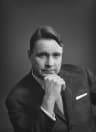
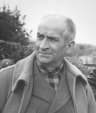
Jean Dubuffet (1901–1985) was France best known for French artist.
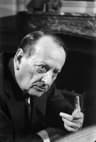
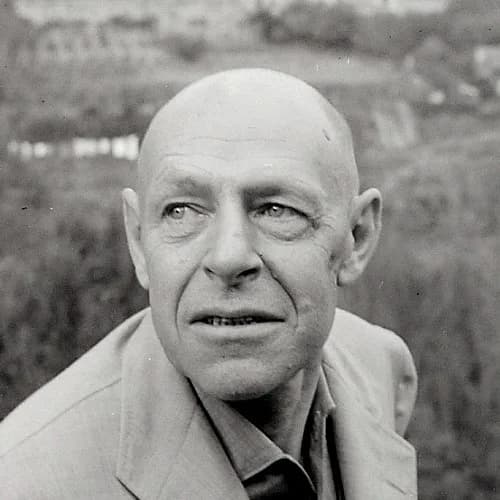
Jean Dubuffet (July 31, 1901 – May 12, 1985) was a French artist from Le Havre. He founded the art brut movement, advocating for a humanistic approach to image-making over traditional beauty. His influence shaped modern art, embracing what he called "low art."
ບົດທີ
ບົດຕອນຊີວິດ
ບົດທີ 1 · 1901· ບົດທີ 1 ຈາກ 7
Jean Philippe Arthur Dubuffet: An Enduring Artistic Vision
Jean Philippe Arthur Dubuffet (1901-1985) was a highly influential French artist, writer, and philosopher who consistently challenged established artistic norms. Born in Le Havre, France, he became a central figure in the 20th-century art world. Dubuffet is widely celebrated for founding the art brut movement, which advocated for a raw, authentic, and humanistic approach to image-making. His extensive career spanned multiple disciplines, including painting, sculpture, and graphic artistry, leaving an enduring mark on the global art scene.
ບົດທີ 2 · 1901· ບົດທີ 2 ຈາກ 7
Early Life and Origins
Jean Dubuffet was born on July 31, 1901, in the city of Le Havre, France. His early experiences in this significant French port undoubtedly shaped his distinctive perspective on art and culture. The environment of Le Havre fostered his initial contemplations on societal values and artistic expression. These formative years laid the groundwork for his later radical artistic philosophies.
ບົດທີ 3· ບົດທີ 3 ຈາກ 7
Career Beginnings
Dubuffet's artistic journey saw him emerge as a notable painter and sculptor associated with the École de Paris. He explored a variety of professions before fully committing to art, including roles as an architectural draftsperson and graphic artist. From these diverse experiences, he cultivated an idealistic approach to aesthetics, deliberately eschewing traditional standards of beauty and academic conventions. He was drawn to what he believed was "low art," championing its authenticity and humanistic qualities in image-making.
ບົດທີ 4· ບົດທີ 4 ຈາກ 7
Major Achievements and Career Highlights
Jean Dubuffet is perhaps best known for his key role in founding the art brut movement. This pioneering movement championed outsider art, which was typically created by individuals who were untrained and existed outside the mainstream art world. Beyond theorizing, Dubuffet also established the significant Collection de l'art brut, a comprehensive compilation of works that vividly embodied the movement's principles. Throughout his prolific lifetime, Dubuffet's work was frequently featured in numerous exhibitions, both in his native France and across America.
ບົດທີ 5 · 1943· ບົດທີ 5 ຈາກ 7
Notable Works or Contributions
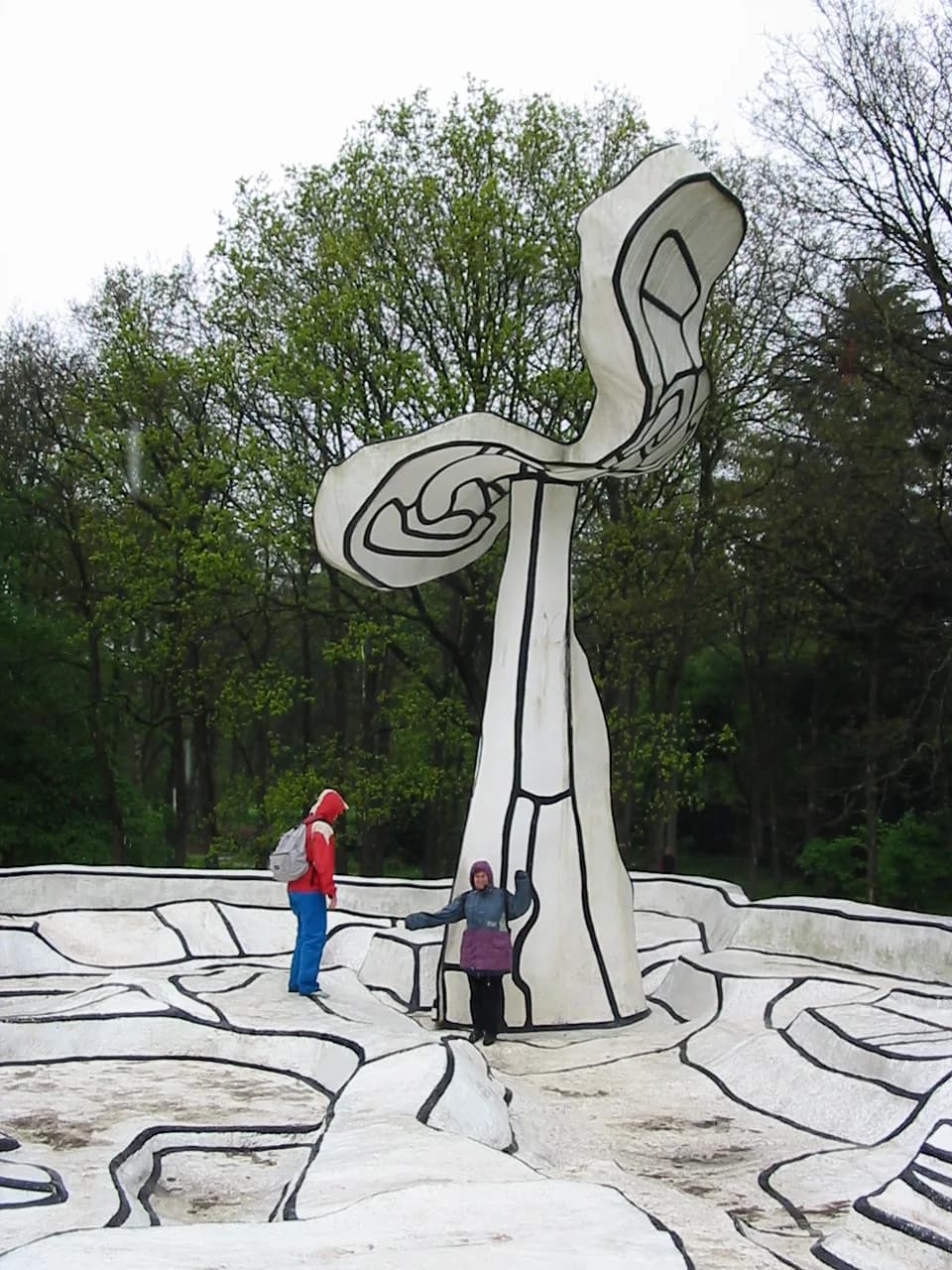
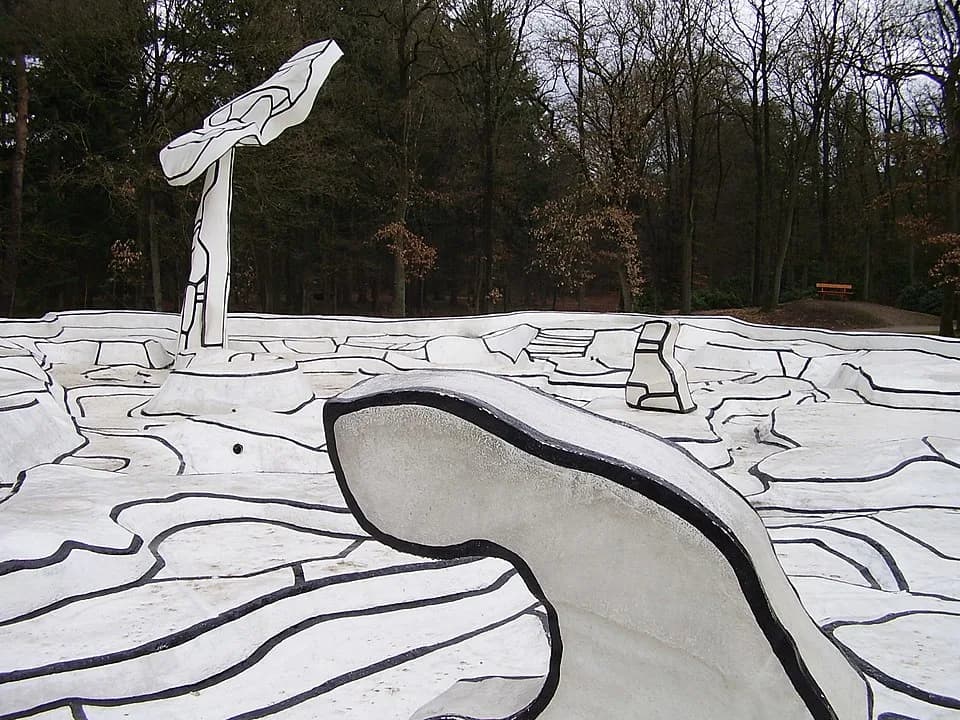
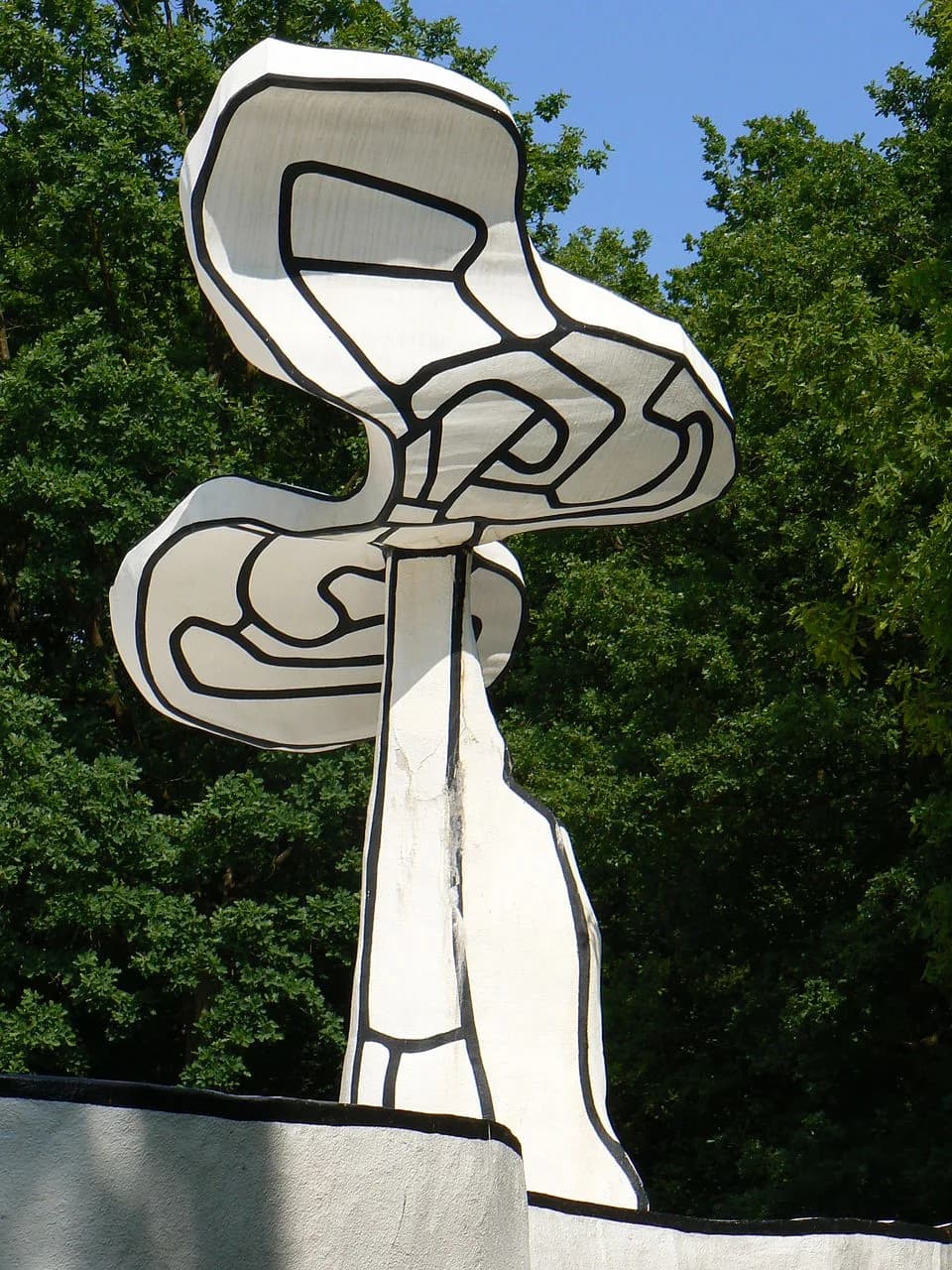
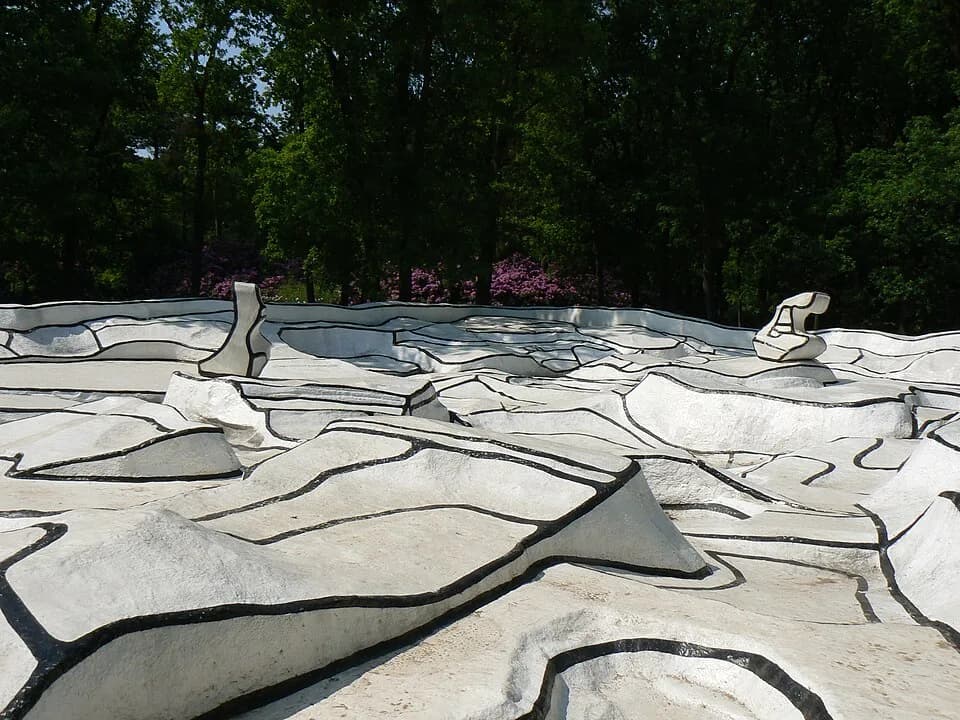
Dubuffet's artistic output was exceptionally vast and varied, encompassing painting, sculpture, and printmaking. Among his significant early artworks are "A Widow" (1943), "A Man with a Cat" (1943), "View of Paris with Furtive Pedestrians" (1944), and "Woman Grinding Coffee" (1945), all of which are held in the collection of the Met Museum. The Art Institute of Chicago also boasts a substantial collection of his work, including "Two Nude Women" (1942), "Little Sneerer" (March 1944), and "Supervielle, Large Banner Portrait" (1945). His later creations continued to explore textural and conceptual themes, exemplified by "Beard Garden" (1959) at the Met Museum, "Texturologie VIII" (December 1957), and "The Forest (La forêt)" (1969) at the AIC.
His extensive bibliography further highlights his philosophical depth and artistic explorations. Notable entries include "Couinque," "Voici qu'ici," "Mordicus," "Honneur aux valeurs sauvages," and "La fleur de barbe," which showcase his unique literary and graphic styles. He also organized significant exhibitions, such as "Exhibition of 'peintures d'assemblages, graffiti, sols, texturologie' and other recent works done in 1956 and 1957 by Jean Dubuffet," held from February 4 through 22, 1958, at the Pierre Matisse Gallery. Academic engagement with his theories and art is reflected in his h-index of 1, citing four papers, with "Mit dem Auge des Kindes : Kinderzeichnung und moderne Kunst" (1995) being a top work.
ບົດທີ 6 · 1963· ບົດທີ 6 ຈາກ 7
Later Years
Jean Dubuffet maintained an extraordinary artistic intensity and philosophical inquiry throughout his later years. He consistently continued to create a wide range of innovative works, including impactful sculptures like "Genuflection of the Bishop" (1963) and "Warrior" (1958), both held at the AIC. His unwavering commitment to his unique aesthetic vision ensured a steady stream of original art until his final days. Dubuffet passed away on May 12, 1985, in the 6th arrondissement of Paris, France, leaving behind an immense body of work.
ບົດທີ 7· ບົດທີ 7 ຈາກ 7
Legacy and Impact
Jean Dubuffet's enduring legacy is primarily defined by his fearless rejection of conventional beauty and his pioneering advocacy for art brut. He courageously challenged the established art world to look beyond academic training and embrace raw, unfiltered creativity found in outsider art. His revolutionary ideas, coupled with the permanent Collection de l'art brut, continue to greatly inspire artists and thinkers across the globe, significantly broadening the very definition of art itself. Dubuffet's influence extended internationally, impacting subsequent generations of artists and ensuring a lasting appreciation for the authentic, uninhibited expression he championed throughout his career.
ຊີວິດໃນຊ່ວງເວລາ
ຊ່ວງເວລາທີ່ສ້າງຊີວິດ
ຄຳຖາມ
ຄຳຖາມທີ່ພົບເລື້ອຍ
Jean Dubuffet ເສຍຊີວິດເມື່ອໃດ?
Jean Dubuffet ເສຍຊີວິດໃນວັນທີ 12 ພຶດສະພາ 1985 ທີ່ 6th arrondissement of Paris, France, ໃນອາຍຸ 83 ປີ.
Jean Dubuffet ເກີດຢູ່ໃສ?
Jean Dubuffet ເກີດທີ່ Le Havre, France ໃນວັນທີ 31 ກໍລະກົດ 1901.
Jean Dubuffet ມີຊື່ສຽງທີ່ສຸດໃນເລື່ອງໃດ?
Jean Dubuffet ມີຊື່ສຽງທີ່ສຸດໃນເລື່ອງ French artist.
Jean Dubuffet ມີອາຍຸເທົ່າໃດເມື່ອເສຍຊີວິດ?
Jean Dubuffet ມີອາຍຸ 83 ປີ ເມື່ອເສຍຊີວິດ.
Jean Dubuffet ມີສັນຊາດໃດ?
Jean Dubuffet ມາຈາກ France.
ເສັ້ນເວລາ
ຊີວິດໂດຍຫຍໍ້
ຫ້ອງສະແດງຮູບພາບ
ຊີວິດໃນຮູບພາບ
ຄລິກຮູບໃດກໍໄດ້ເພື່ອຂະຫຍາຍ · 46 ຮູບພາບ
ລະຫັດ QR
ແບ່ງປັນຊີວະປະຫວັດນີ້
ພິມ ແລະ ແບ່ງປັນ
ສະແກນເພື່ອກັບເຂົ້າເບິ່ງໜ້າຊີວະປະຫວັດນີ້. ພິມໄວ້ສຳລັບງານຕ່າງໆ, ງານວາງສະແດງ ຫຼື ອຸປະກອນການສຶກສາ.