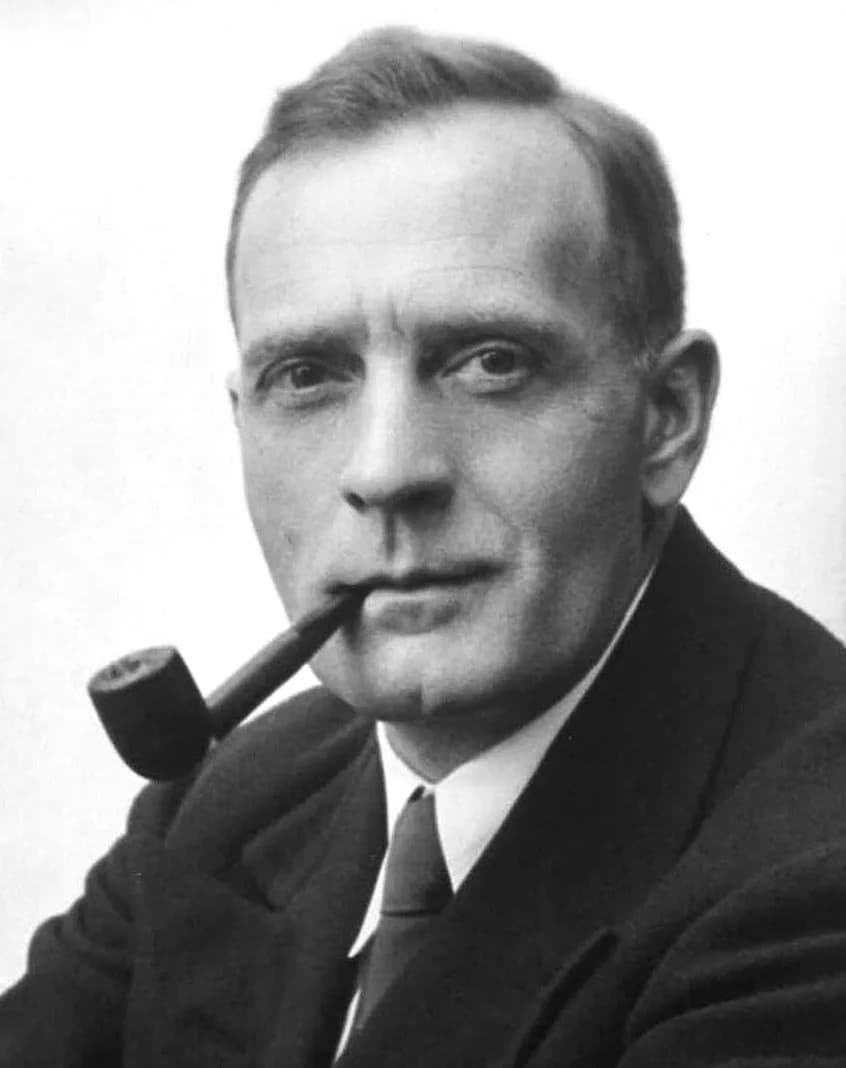
ເກີດ
November 20, 1889
Marshfield, United States
ຈາກໄປ
September 28, 1953
San Marino, United States
ເປັນທີ່ຮູ້ຈັກ
American astronomer
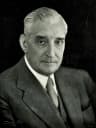
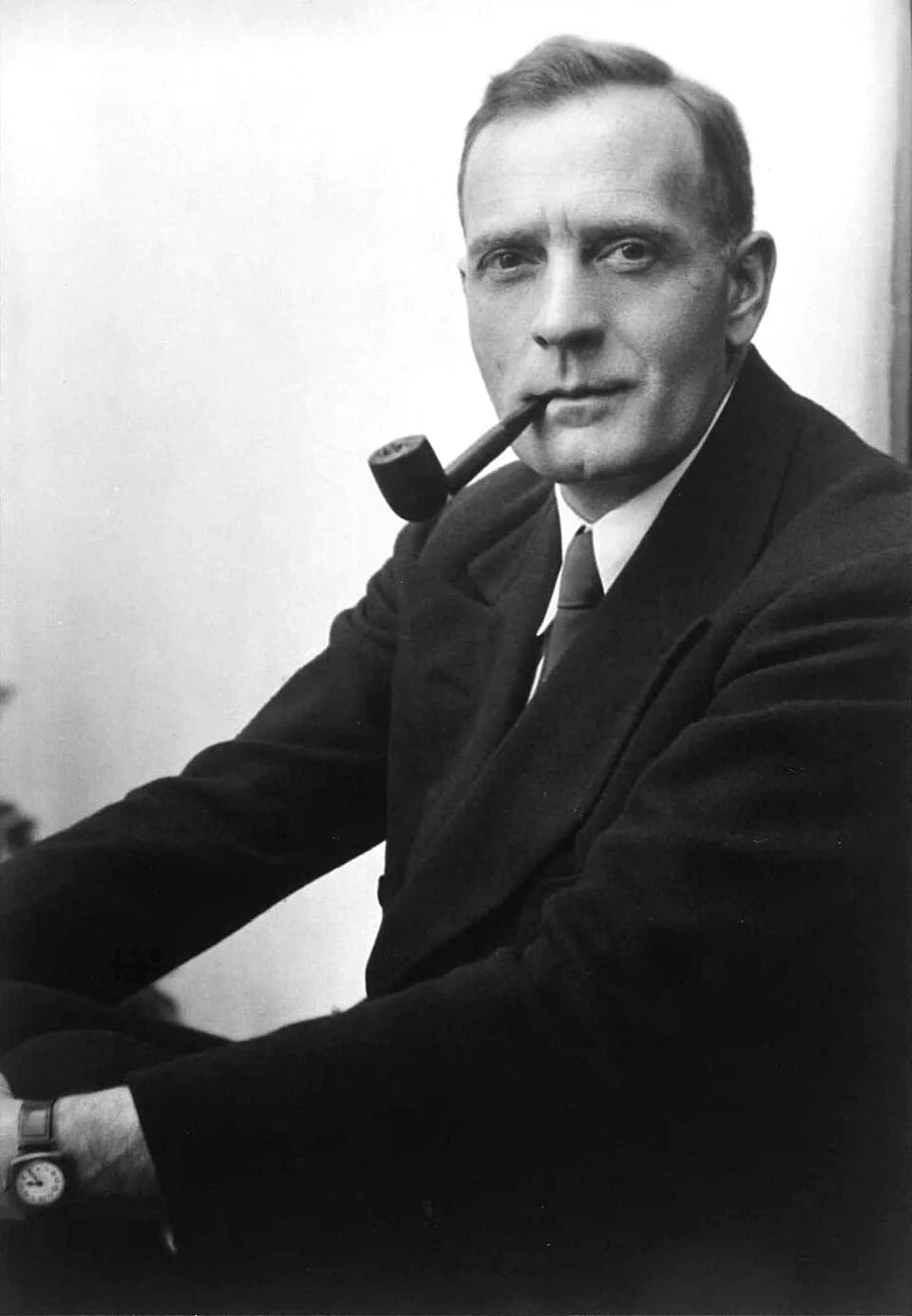
Edwin Hubble (1889–1953) was United States best known for American astronomer.
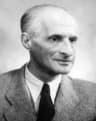
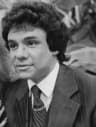
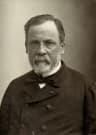
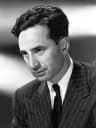
Edwin Hubble (November 20, 1889 – September 28, 1953) was an American astronomer. He fundamentally reshaped our understanding of the universe by proving the existence of galaxies beyond the Milky Way. His work laid the foundation for extragalactic astronomy and observational cosmology.
ບົດທີ
ບົດຕອນຊີວິດ
ບົດທີ 1 · 1889· ບົດທີ 1 ຈາກ 6
Early Life and Origins
Born on November 20, 1889, in Marshfield, United States, Edwin Hubble’s formative years laid the groundwork for a life dedicated to scientific exploration. While details of his upbringing are not extensively provided, his birthplace marks the geographical origin of a journey that would lead him to redefine the cosmos. His early education and natural curiosity undoubtedly fostered the intellectual rigor necessary for his later astronomical pursuits.
ບົດທີ 2· ບົດທີ 2 ຈາກ 6
Career Beginnings
Edwin Hubble embarked on his distinguished career in astronomy with a keen interest in the enigmatic celestial phenomena of his era. Although specific initial steps are not detailed, he quickly established himself as a dedicated observer and analyst of the night sky. His early professional efforts focused on understanding the composition and movement of objects then categorized ambiguously as "nebulae." These foundational investigations prepared him for the monumental discoveries that would follow.
ບົດທີ 3· ບົດທີ 3 ຈາກ 6
Major Achievements and Career Highlights
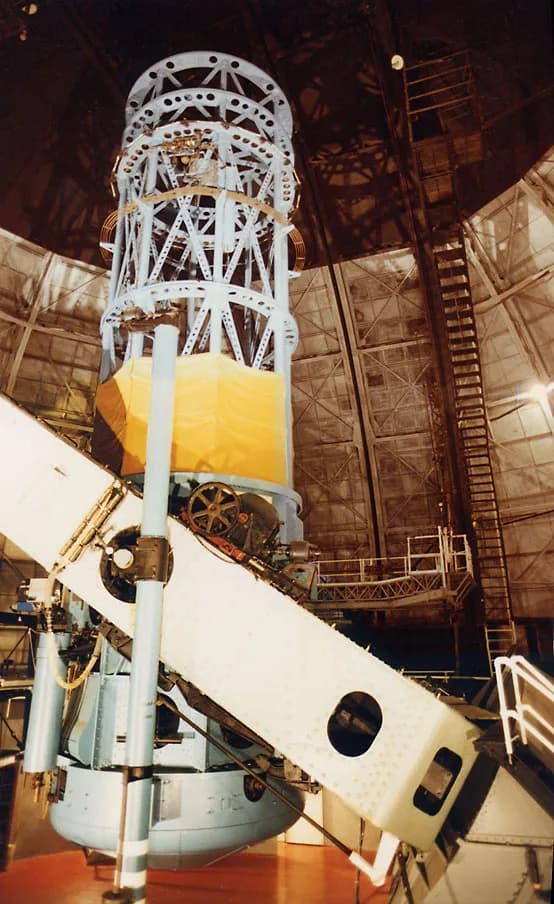
Edwin Hubble's career is defined by several monumental achievements that profoundly impacted scientific thought. He provided conclusive evidence that many celestial objects, previously classified as "nebulae" and thought to be gas clouds within our own galaxy, were in fact independent galaxies located far beyond the Milky Way. This paradigm shift dramatically increased the perceived scale of the universe, moving from a single-galaxy model to one teeming with countless island universes. Furthermore, he pioneered the use of classical Cepheid variable stars to accurately determine galactic and extragalactic distances, establishing a crucial method based on the direct relationship between their luminosity and pulsation period. These achievements cemented his role as a central figure in 20th-century science.
ບົດທີ 4 · 1979· ບົດທີ 4 ຈາກ 6
Notable Works or Contributions
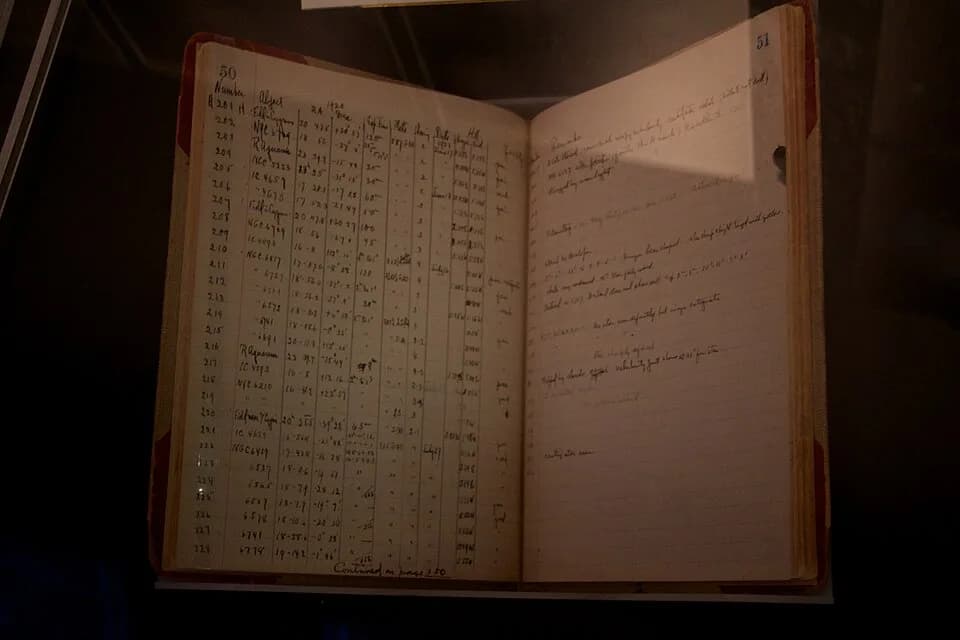
Throughout his productive career, Edwin Hubble made significant contributions to the academic literature, reflected in his h-index of 22 across 74 published papers. His intellectual legacy includes several influential works that have been studied by subsequent generations of astronomers. Among these, the paper "Extra-Galactic Nebulae," though listed with a 1979 publication year (suggesting posthumous compilation or reprinting), garnered 4 citations and highlights his core area of research. Another notable contribution, "Photographic Investigations of Faint Nebulae," listed with a 2012 publication year, further exemplifies his enduring influence on observational astronomy, accumulating 2 citations. These publications, regardless of their specific compilation dates, underscore the lasting relevance of his original research and ideas.
ບົດທີ 5 · 1953· ບົດທີ 5 ຈາກ 6
Later Years
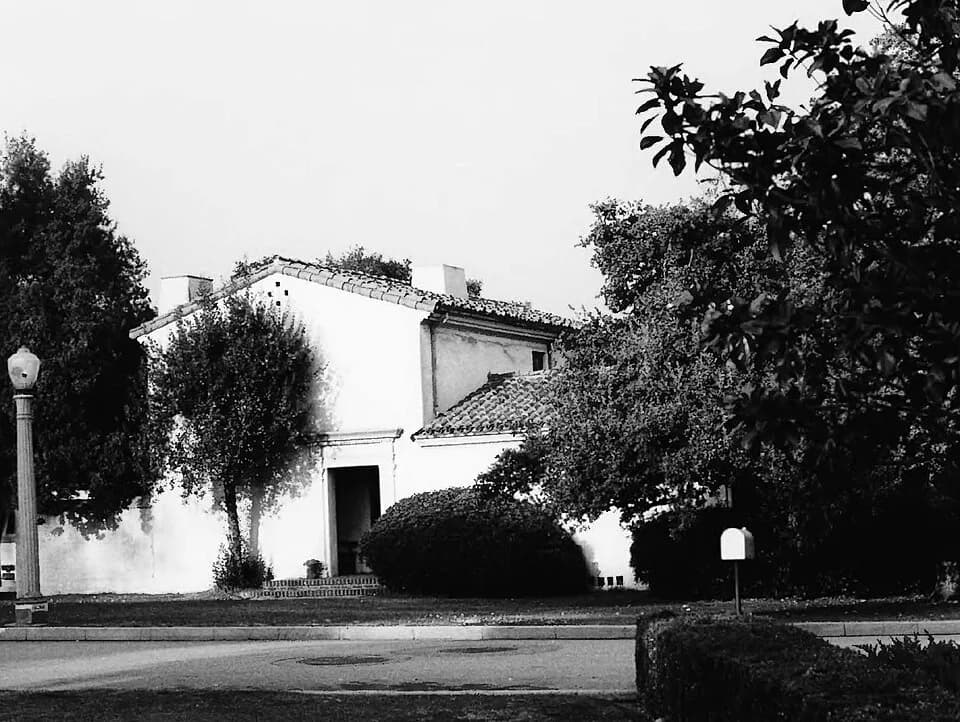
Edwin Hubble continued his dedicated scientific work until his passing on September 28, 1953, in San Marino, United States. His final years were spent building upon a foundation of knowledge that he himself had largely established. While the specific details of his late career projects or personal life during this period are not provided, his continued presence in the scientific community until his death underscores his lifelong commitment to unraveling the universe's secrets. He died having already secured a permanent place in the annals of science.
ບົດທີ 6· ບົດທີ 6 ຈາກ 6
Legacy and Impact
The legacy of Edwin Hubble is immense and continues to shape modern astronomy and cosmology. His definitive proof of an extragalactic universe fundamentally reshaped humanity's cosmic perspective, demonstrating that the Milky Way is merely one of billions of galaxies. He is credited with establishing the very fields of extragalactic astronomy and observational cosmology, providing the conceptual and methodological framework for all subsequent research into the universe's large-scale structure and expansion. The techniques he developed for measuring cosmic distances, particularly through Cepheid variables, remain indispensable tools for astronomers worldwide. His name is inextricably linked to our understanding of a vast and expanding universe, ensuring his lasting influence for generations to come.
ຊີວິດໃນຊ່ວງເວລາ
ຊ່ວງເວລາທີ່ສ້າງຊີວິດ
ຄຳຖາມ
ຄຳຖາມທີ່ພົບເລື້ອຍ
Edwin Hubble ເສຍຊີວິດເມື່ອໃດ?
Edwin Hubble ເສຍຊີວິດໃນວັນທີ 28 ກັນຍາ 1953 ທີ່ San Marino, United States, ໃນອາຍຸ 63 ປີ.
Edwin Hubble ເກີດຢູ່ໃສ?
Edwin Hubble ເກີດທີ່ Marshfield, United States ໃນວັນທີ 20 ພະຈິກ 1889.
Edwin Hubble ມີຊື່ສຽງທີ່ສຸດໃນເລື່ອງໃດ?
Edwin Hubble ມີຊື່ສຽງທີ່ສຸດໃນເລື່ອງ American astronomer.
Edwin Hubble ມີອາຍຸເທົ່າໃດເມື່ອເສຍຊີວິດ?
Edwin Hubble ມີອາຍຸ 63 ປີ ເມື່ອເສຍຊີວິດ.
Edwin Hubble ມີສັນຊາດໃດ?
Edwin Hubble ມາຈາກ United States.
ເສັ້ນເວລາ
ຊີວິດໂດຍຫຍໍ້
ຫ້ອງສະແດງຮູບພາບ
ຊີວິດໃນຮູບພາບ
ຄລິກຮູບໃດກໍໄດ້ເພື່ອຂະຫຍາຍ · 23 ຮູບພາບ
ລະຫັດ QR
ແບ່ງປັນຊີວະປະຫວັດນີ້
ພິມ ແລະ ແບ່ງປັນ
ສະແກນເພື່ອກັບເຂົ້າເບິ່ງໜ້າຊີວະປະຫວັດນີ້. ພິມໄວ້ສຳລັບງານຕ່າງໆ, ງານວາງສະແດງ ຫຼື ອຸປະກອນການສຶກສາ.