ເກີດ
April 6, 1920
Shanghai French Concession, Republic of China
ຈາກໄປ
August 27, 2021
Seattle, United States
ເປັນທີ່ຮູ້ຈັກ
American biochemist
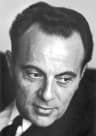
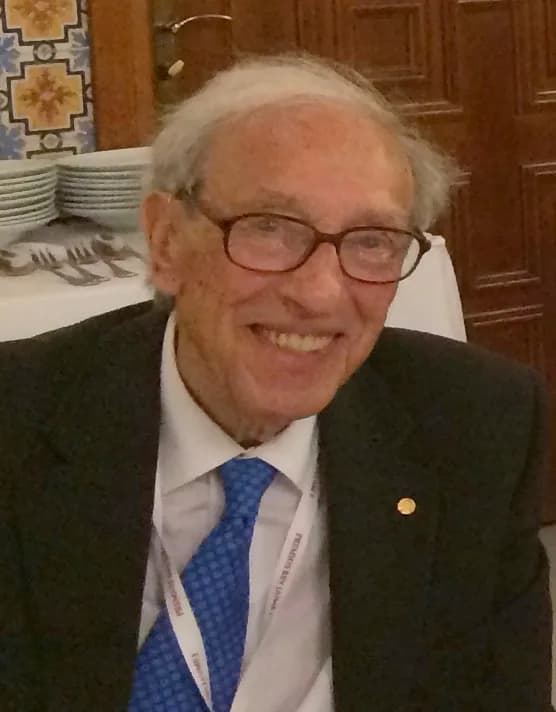
Edmond H. Fischer (1920–2021) was Republic of China best known for American biochemist.
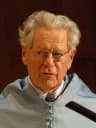
Edmond H. Fischer (April 6, 1920 – August 27, 2021) was a Swiss-American biochemist. He shared the 1992 Nobel Prize in Physiology or Medicine for his discoveries on reversible protein phosphorylation, a key cellular regulatory mechanism. His work fundamentally advanced our understanding of cellular processes.
ບົດທີ
ບົດຕອນຊີວິດ
ບົດທີ 1 · 1920· ບົດທີ 1 ຈາກ 8
Opening
Edmond H. Fischer (1920-2021) was a distinguished American biochemist whose pioneering research profoundly advanced our understanding of cellular regulation. Alongside his collaborator Edwin G. Krebs, he unveiled how reversible phosphorylation acts as a molecular switch, orchestrating essential cellular processes. This groundbreaking discovery earned them the Nobel Prize in Physiology or Medicine in 1992, forever changing the landscape of cell biology.
ບົດທີ 2 · 1920· ບົດທີ 2 ຈາກ 8
Early Life and Origins
Born on April 6, 1920, Edmond Henri Fischer began his life in the vibrant Shanghai French Concession, then part of the Republic of China. His formative years in this unique international setting likely contributed to his adaptable and inquisitive nature. He would later embrace a Swiss-American identity, reflecting a career and life that spanned diverse cultures and scientific communities.
ບົດທີ 3· ບົດທີ 3 ຈາກ 8
Career Beginnings
Fischer's professional journey commenced as a chemist, a field where his early passion for molecular science flourished. He soon transitioned into a respected role as a university teacher, eager to share his knowledge and inspire new generations of scientists. This period marked his growing specialization as a biochemist, the discipline in which he would make his most profound and lasting contributions.
ບົດທີ 4 · 1992· ບົດທີ 4 ຈາກ 8
Major Achievements and Career Highlights
The pinnacle of Fischer's illustrious career was his collaboration with Edwin G. Krebs, leading to their pivotal discovery of reversible protein phosphorylation. This elegant mechanism, involving the addition or removal of phosphate groups from proteins, governs a vast array of cellular activities. For this crucial insight into biological regulation, they were jointly awarded the Nobel Prize in Physiology or Medicine in 1992.
Beyond his Nobel recognition, Fischer served as the Honorary President of the World Cultural Council from 2007 until 2014, highlighting his broader engagement with the global scientific community. His commitment to science and education was unwavering. He stood as a towering figure in biochemistry for decades.
ບົດທີ 5· ບົດທີ 5 ຈາກ 8
Personal Life
While specific details about Edmond H. Fischer's personal life are not widely documented, his dedication to scientific advancement was a clear and consistent aspect of his existence. He maintained an unwavering commitment to research and education throughout his exceptionally long life. His colleagues and students knew him for his rigorous scientific approach and supportive mentorship.
ບົດທີ 6 · 2017· ບົດທີ 6 ຈາກ 8
Notable Works or Contributions
Fischer's academic contributions, though modest in number with an h-index of 1 for four papers, offered important insights and reflections. His top works include "Building Bridges through Science" (2017), which garnered 3 citations, and "Shmuel Shaltiel" (2003) with 1 citation. Other publications, such as "An interview by Dr. Ernesto Carafoli with Dr. Edmond H. Fischer" (2013) and "On the Origin of Life" (1973), reflect his diverse intellectual curiosity and engagement with scientific discourse.
ບົດທີ 7 · 2021· ບົດທີ 7 ຈາກ 8
Later Years
Edmond H. Fischer remained an active and revered presence in the scientific community well into his advanced age. He passed away peacefully on August 27, 2021, in Seattle, United States, reaching the remarkable age of 101. At the time of his death, he held the distinction of being the oldest living Nobel Prize laureate, a testament to his longevity and enduring intellectual vigor.
ບົດທີ 8· ບົດທີ 8 ຈາກ 8
Legacy and Impact
The legacy of Edmond H. Fischer is fundamental to the study of modern biochemistry and cellular biology. His and Krebs's elucidation of reversible phosphorylation fundamentally altered our understanding of how cells function and respond to their environment. This discovery provided a critical foundation for advancements in medicine, offering crucial insights into diseases where cellular regulation is disrupted. His contributions continue to inspire new generations of scientists worldwide.
ຊີວິດໃນຊ່ວງເວລາ
ຊ່ວງເວລາທີ່ສ້າງຊີວິດ

ຄຳຖາມ
ຄຳຖາມທີ່ພົບເລື້ອຍ
Edmond H. Fischer ເສຍຊີວິດເມື່ອໃດ?
Edmond H. Fischer ເສຍຊີວິດໃນວັນທີ 27 ສິງຫາ 2021 ທີ່ Seattle, United States, ໃນອາຍຸ 101 ປີ.
Edmond H. Fischer ເກີດຢູ່ໃສ?
Edmond H. Fischer ເກີດທີ່ Shanghai French Concession, Republic of China ໃນວັນທີ 6 ເມສາ 1920.
Edmond H. Fischer ມີຊື່ສຽງທີ່ສຸດໃນເລື່ອງໃດ?
Edmond H. Fischer ມີຊື່ສຽງທີ່ສຸດໃນເລື່ອງ American biochemist.
Edmond H. Fischer ມີອາຍຸເທົ່າໃດເມື່ອເສຍຊີວິດ?
Edmond H. Fischer ມີອາຍຸ 101 ປີ ເມື່ອເສຍຊີວິດ.
Edmond H. Fischer ມີສັນຊາດໃດ?
Edmond H. Fischer ມາຈາກ Republic of China.
ເສັ້ນເວລາ
ຊີວິດໂດຍຫຍໍ້
ຫ້ອງສະແດງຮູບພາບ
ຊີວິດໃນຮູບພາບ
ຄລິກຮູບໃດກໍໄດ້ເພື່ອຂະຫຍາຍ · 20 ຮູບພາບ
ລະຫັດ QR
ແບ່ງປັນຊີວະປະຫວັດນີ້
ພິມ ແລະ ແບ່ງປັນ
ສະແກນເພື່ອກັບເຂົ້າເບິ່ງໜ້າຊີວະປະຫວັດນີ້. ພິມໄວ້ສຳລັບງານຕ່າງໆ, ງານວາງສະແດງ ຫຼື ອຸປະກອນການສຶກສາ.