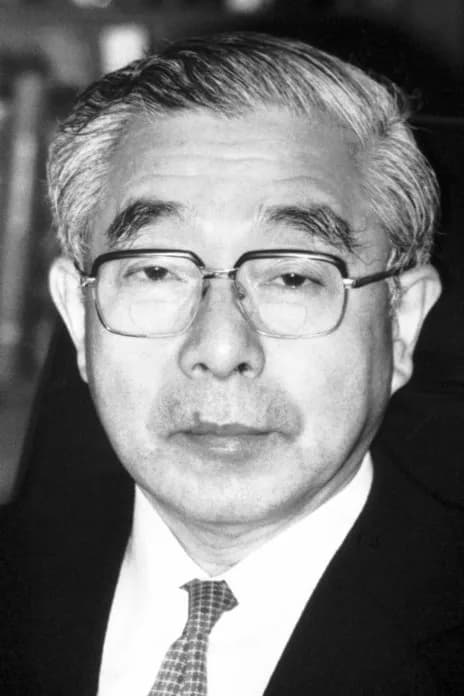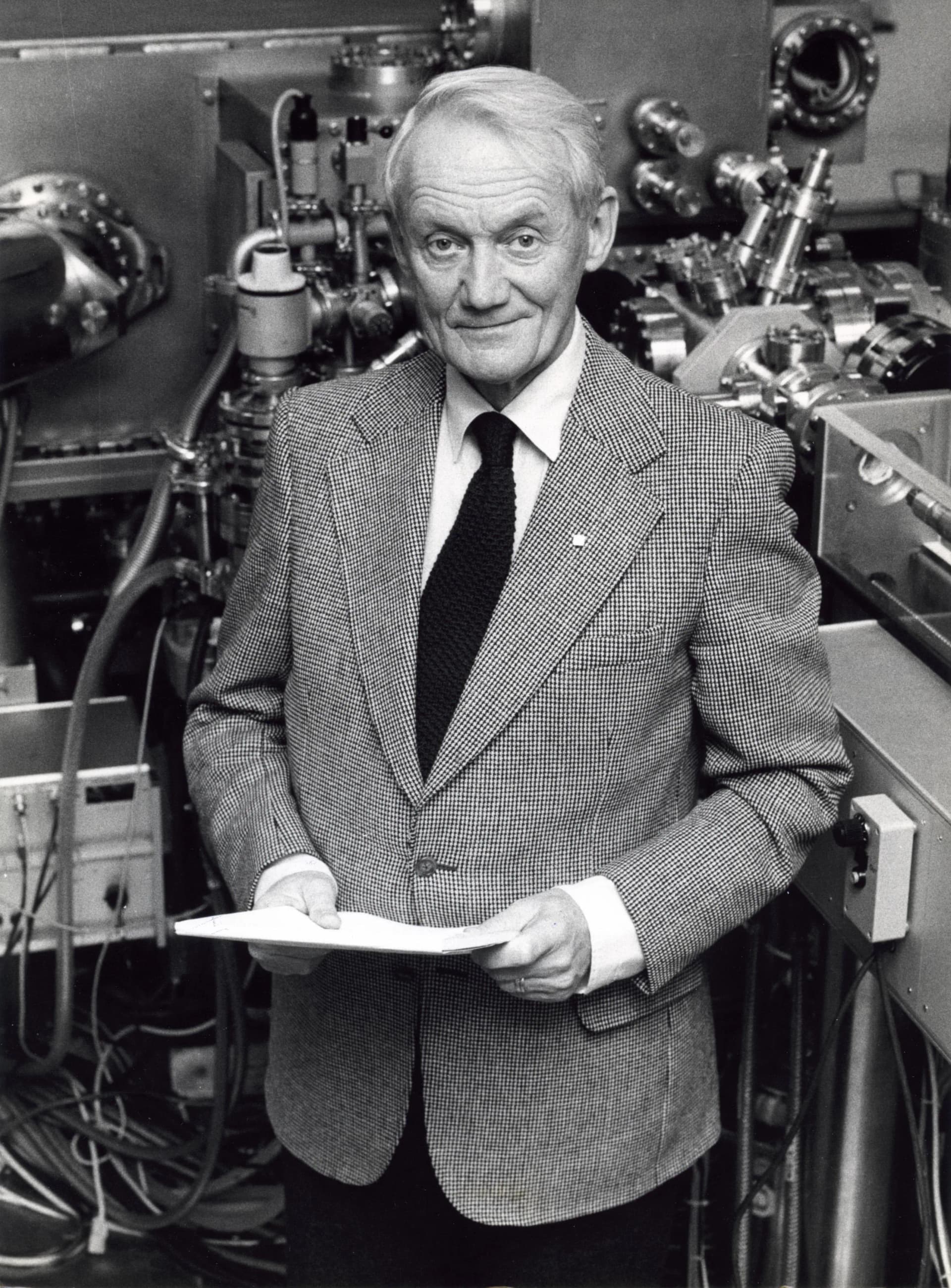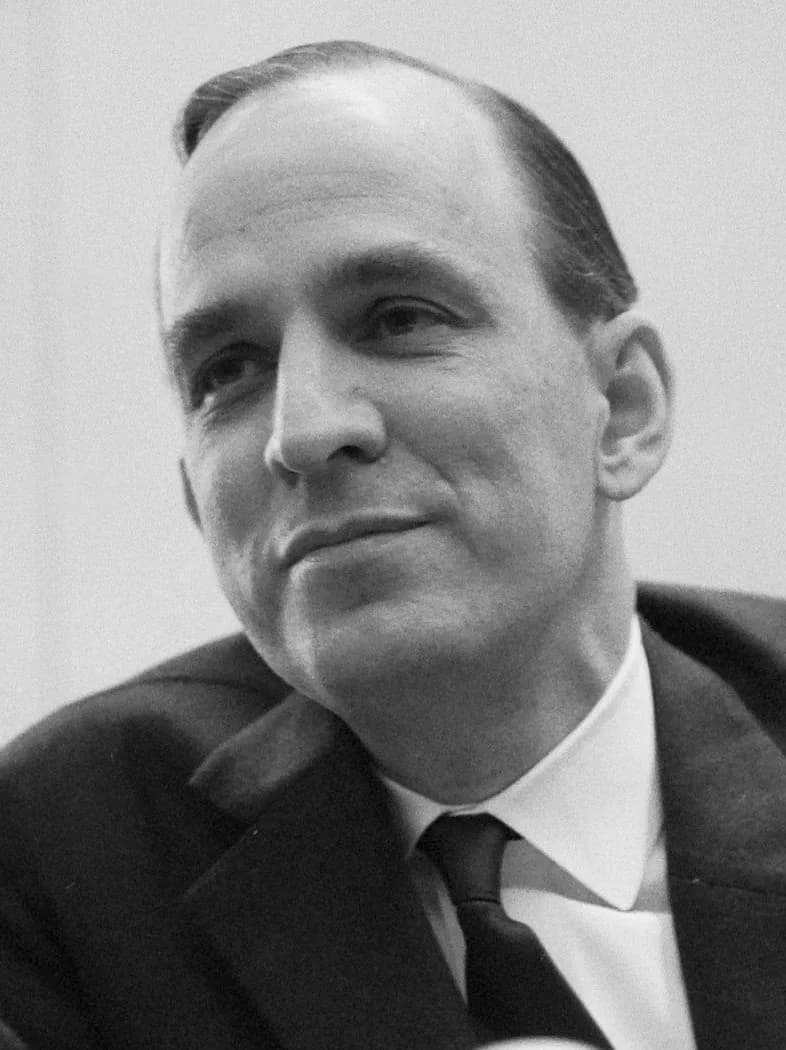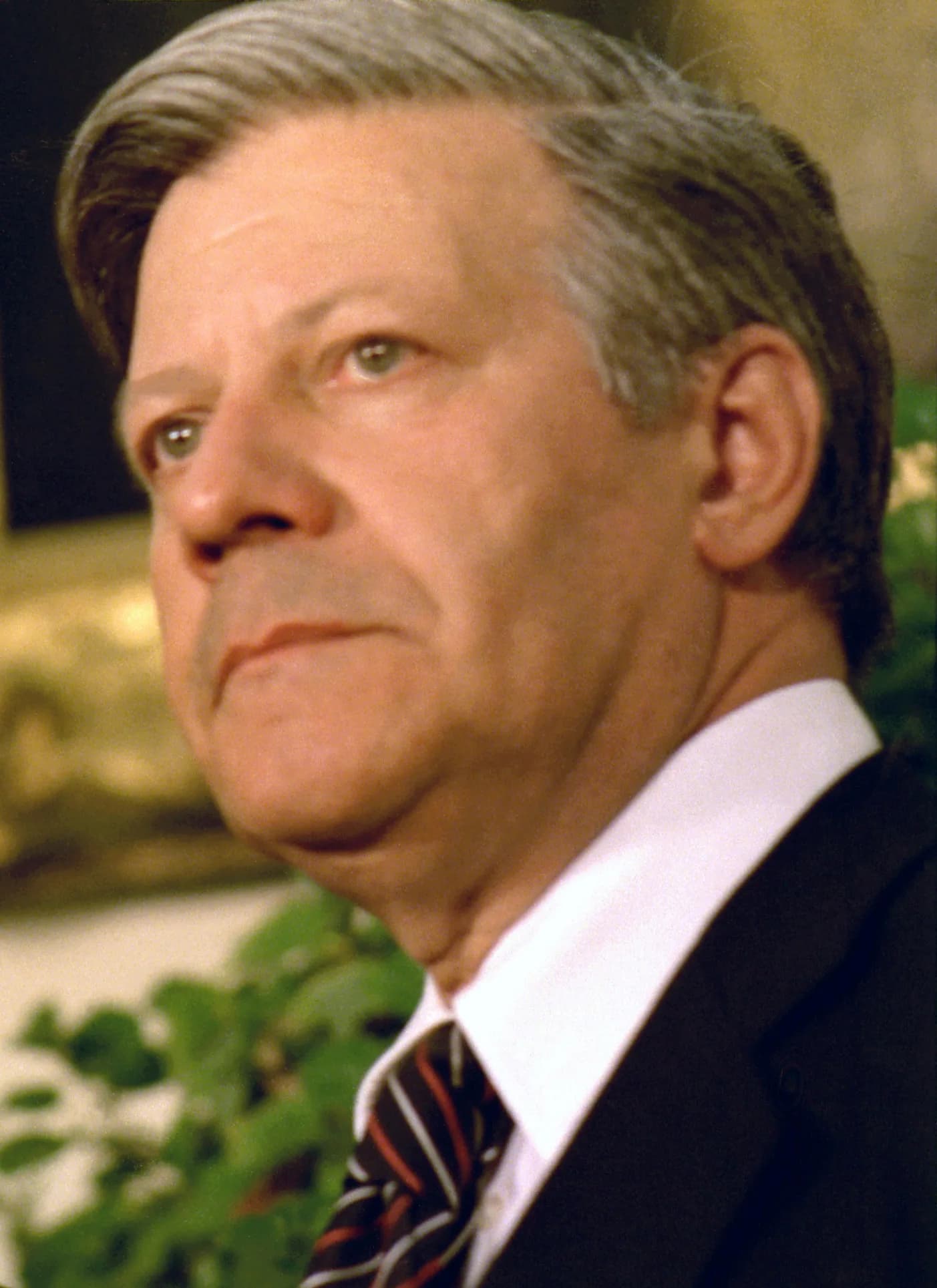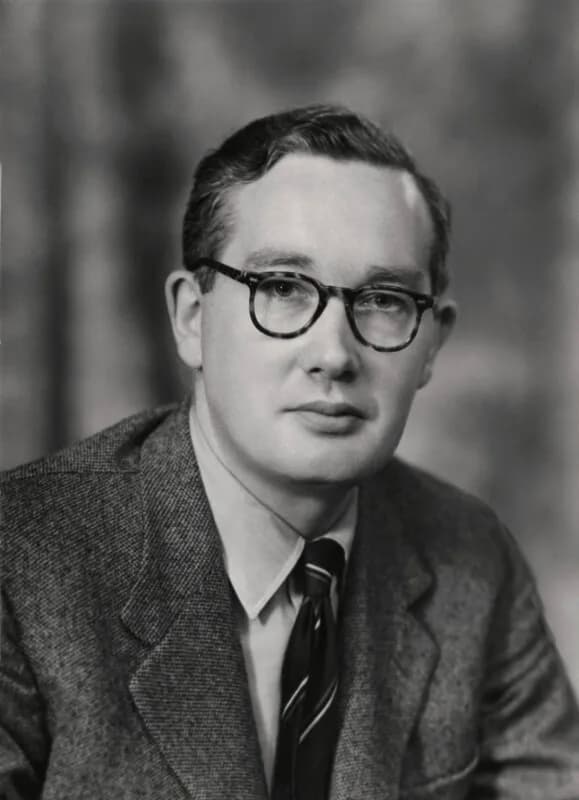
ເກີດ
September 8, 1918
Gravesend, United Kingdom
ຈາກໄປ
March 16, 1998
College Station, United States
ເປັນທີ່ຮູ້ຈັກ
English organic chemist
Derek Barton (1918–1998) was United Kingdom best known for English organic chemist.
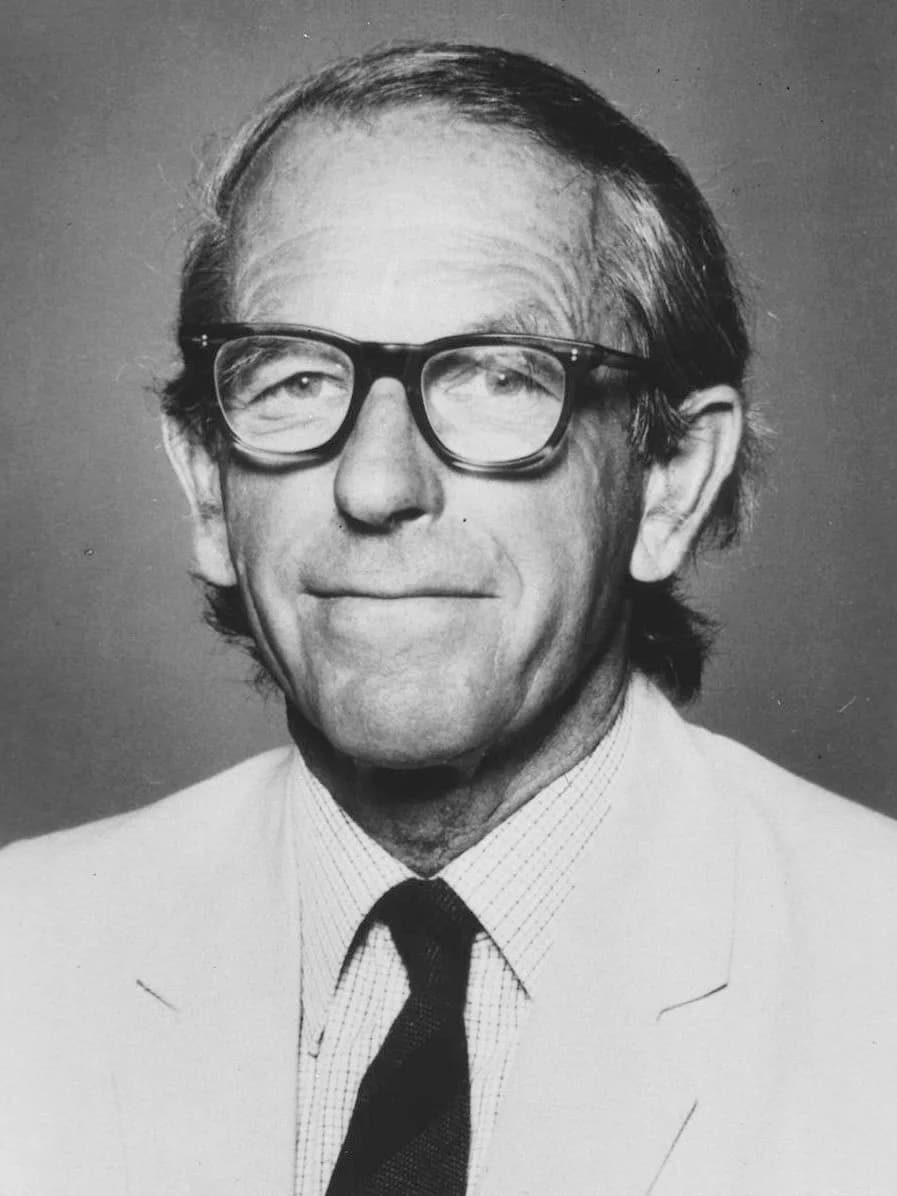
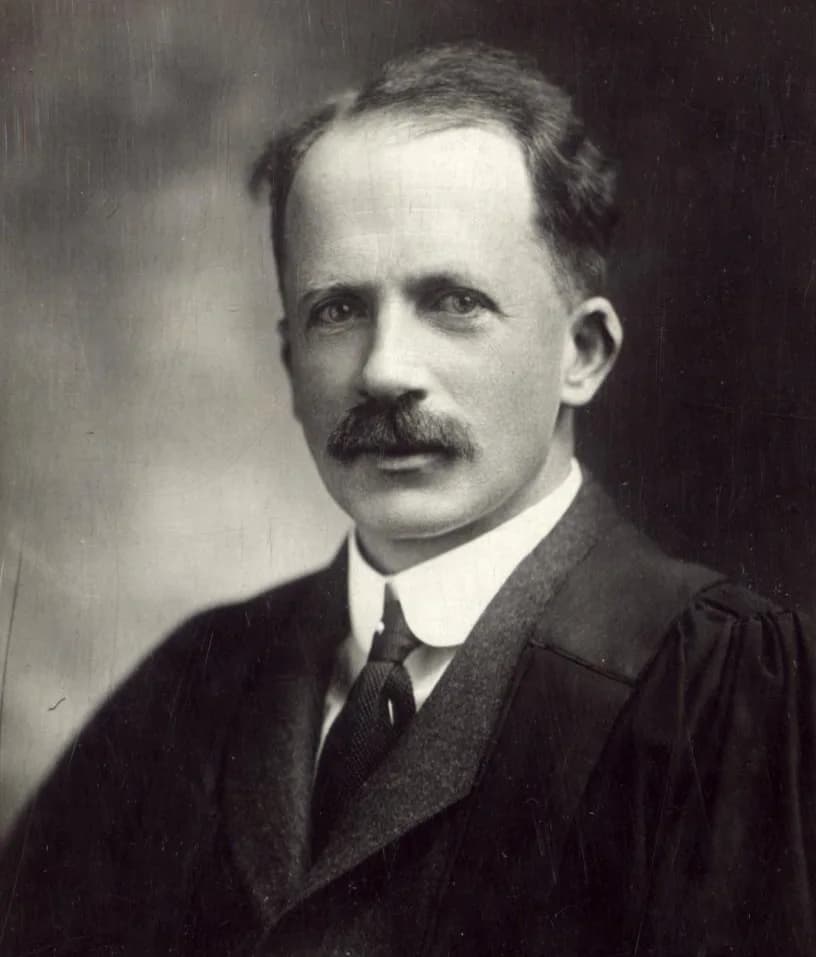
Sir Derek Harold Richard Barton (September 8, 1918 – March 16, 1998) was an English organic chemist and Nobel laureate. He received the 1969 Nobel Prize in Chemistry for his contributions to the development of the concept of conformation and its application in chemistry. His work profoundly impacted the understanding of molecular structure and reactivity.
ຊີວິດໃນຊ່ວງເວລາ
ຊ່ວງເວລາທີ່ສ້າງຊີວິດ
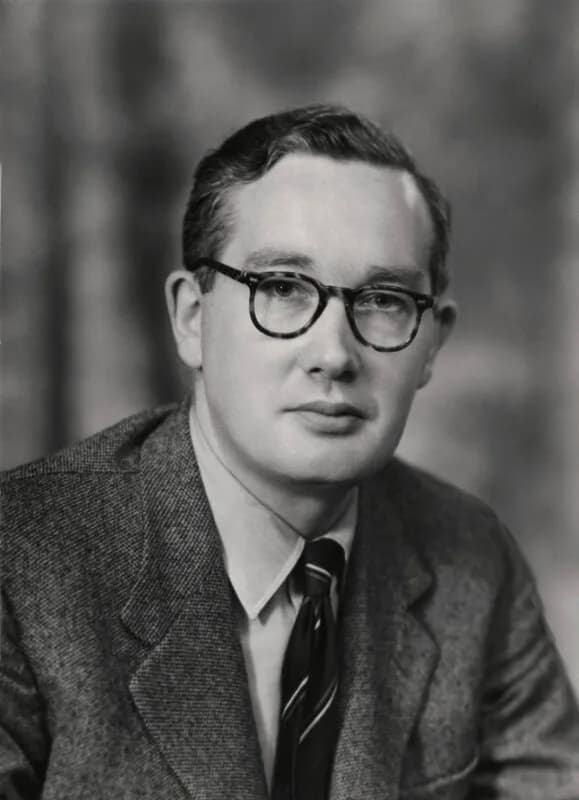
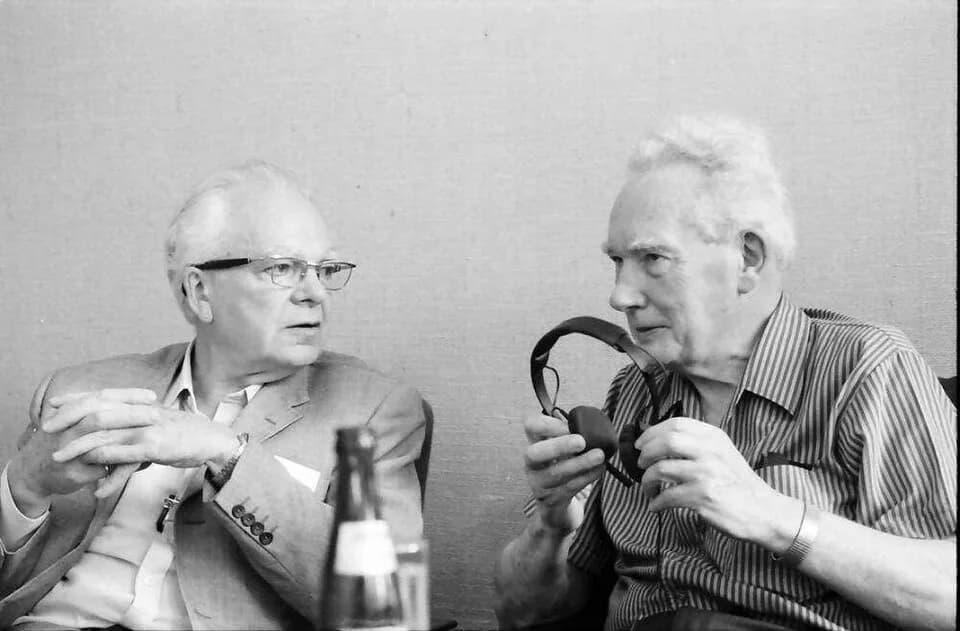
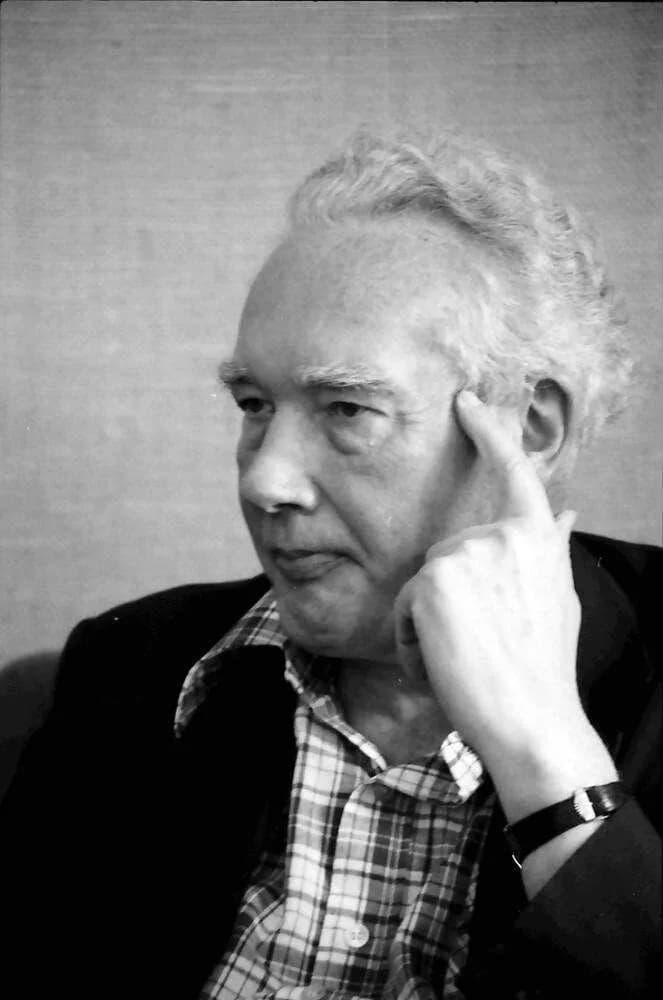
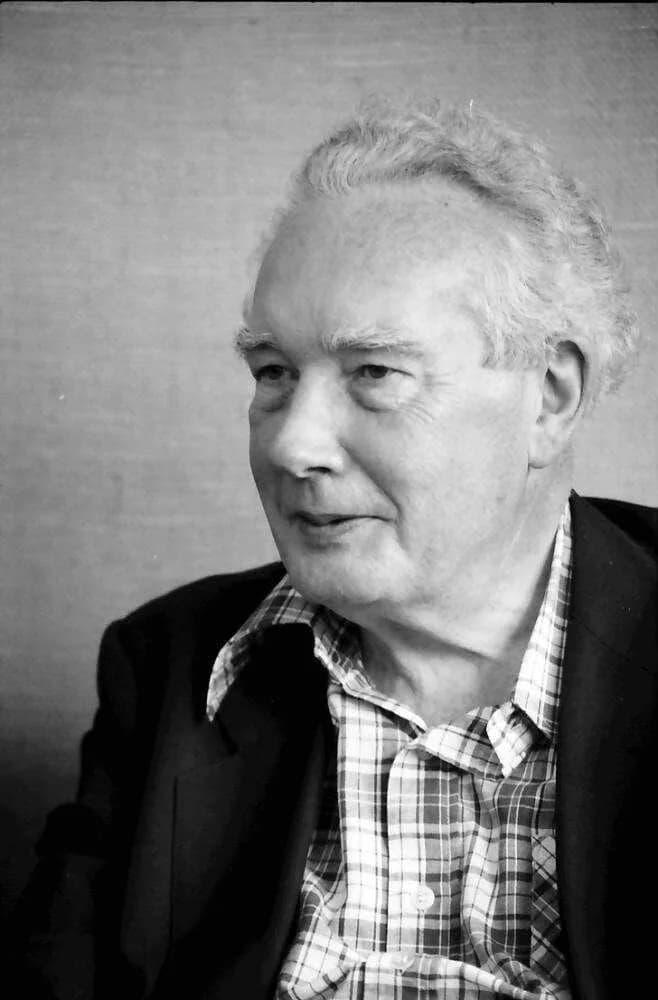
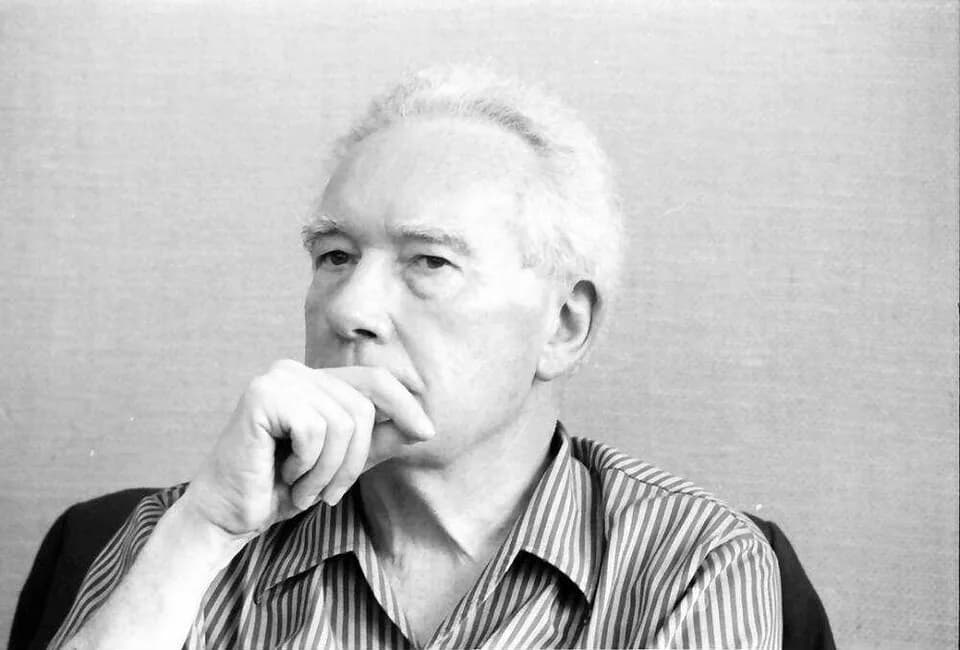
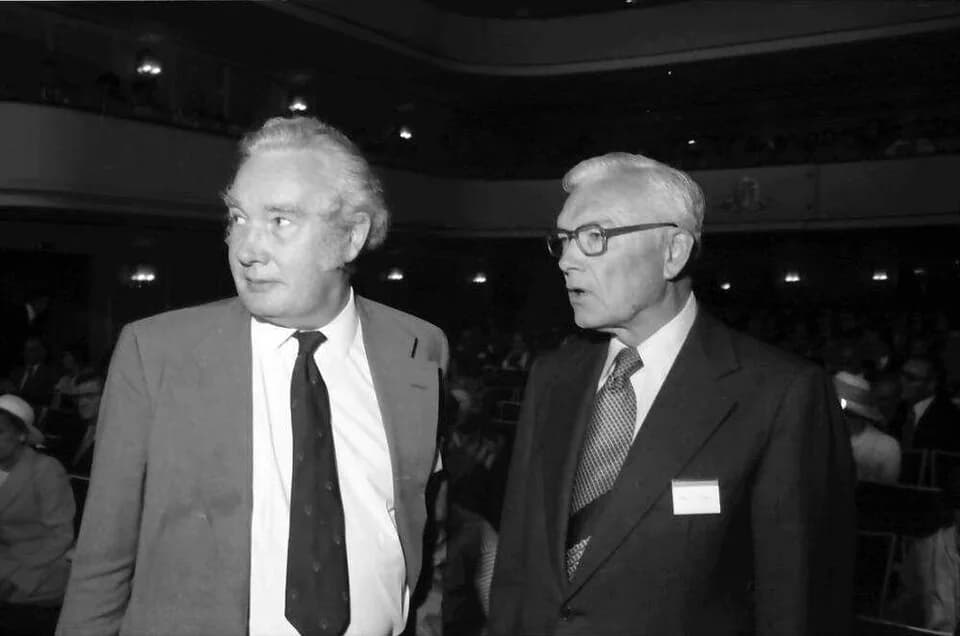
ບົດທີ
ບົດຕອນຊີວິດ
ບົດທີ 1 · 1918· ບົດທີ 1 ຈາກ 7
Early Life and Origins
Derek Barton was born on September 8, 1918, in Gravesend, United Kingdom. His formative years in this British town contributed to the intellectual curiosity that would later define his scientific pursuits. While specific details about his family background or early educational experiences are not provided, his eventual trajectory to a Nobel laureate indicates a strong foundation in academic rigor and scientific inquiry. This early environment fostered the intellect required for his complex contributions to the field of chemistry.
ບົດທີ 2· ບົດທີ 2 ຈາກ 7
Career Beginnings
His professional journey began as a chemist, a role that saw him deeply involved in the intricacies of chemical research. Concurrently, he dedicated himself to the role of a university teacher, imparting his knowledge and passion to countless students. This dual commitment allowed Sir Derek Barton to not only advance the frontiers of science through his own investigations but also to cultivate and inspire the next generation of chemical innovators. His early career laid the essential groundwork for the monumental discoveries that would follow.
ບົດທີ 3 · 1969· ບົດທີ 3 ຈາກ 7
Major Achievements and Career Highlights
The pinnacle of Sir Derek Barton's illustrious career came in 1969 when he was awarded the Nobel Prize in Chemistry, an honor he shared with Odd Hassel. The Royal Swedish Academy of Sciences recognized their individual and collective "contributions to the development of the concept of conformation and its application in chemistry." This award acknowledged the profound impact of understanding molecular geometry on the entire discipline.
Barton's work fundamentally clarified how the three-dimensional arrangement of atoms within a molecule—its conformation—directly influences its chemical and physical properties. He demonstrated that molecules are not rigid structures but can adopt different shapes by rotating around single bonds. This dynamic view was a paradigm shift, moving beyond two-dimensional representations to consider the true spatial reality of chemical entities.
His detailed analysis, particularly of cyclohexane derivatives, provided powerful new tools for rationalizing chemical reactivity and selectivity. By understanding the preferred conformations of molecules, chemists could predict reaction pathways more accurately, design more efficient syntheses, and even understand biological interactions at a molecular level. This conceptual breakthrough allowed for a more predictive and sophisticated approach to organic synthesis and drug design, greatly enhancing the utility and precision of chemical science.
ບົດທີ 4· ບົດທີ 4 ຈາກ 7
Personal Life
Details regarding Sir Derek Barton's personal life, including specifics about his family, relationships, or recreational interests outside of his extensive professional work, are not detailed in the available information. The record primarily emphasizes his exceptional scientific achievements and his unwavering dedication to the fields of chemistry and education. His focus was clearly directed towards advancing scientific understanding and sharing this knowledge.
ບົດທີ 5 · 2015· ບົດທີ 5 ຈາກ 7
Notable Works or Contributions
Beyond his Nobel-winning insights, Sir Derek Barton was also associated with a variety of academic publications, as indicated by the provided data. These works span topics that appear diverse, suggesting a broad intellectual curiosity or potentially a connection to another individual sharing the same name. Among these, "The new political voice of young Americans: Online engagement and civic development among first-year college students," published in 2015, garnered 19 citations. This work delves into contemporary social dynamics.
Another listed publication is "A PC user's guide to data acquisition," from 1991, which received 5 citations. This title suggests an engagement with technological aspects of data handling, reflecting the evolving tools in scientific research. Other contributions listed are "The Extinction Project: Scientific and Ethnographic Research through Playwriting" (2016), "Everything à la Giraffe" (2012), and "Staging Nature: Ecology, Performance, and Environments" (2012). These later works, with no citations noted in the provided data, further highlight a varied publication record. This collection of works results in an h-index of 2 across 8 papers, as indicated in the summary.
ບົດທີ 6 · 1998· ບົດທີ 6 ຈາກ 7
Later Years
Sir Derek Barton concluded a life rich in scientific discovery and teaching when he passed away on March 16, 1998, in College Station, United States. He was 79 years old at the time of his passing, leaving behind a profound legacy that continues to influence the scientific community. His final years were spent in the United States, after a distinguished career that began in the United Kingdom.
ບົດທີ 7· ບົດທີ 7 ຈາກ 7
Legacy and Impact
The enduring legacy of Sir Derek Barton is profoundly marked by his elucidation of conformational analysis. His pioneering work transformed how chemists visualize and interact with molecules, providing a foundational concept for countless subsequent discoveries. The principles of conformational analysis are now indispensable tools in diverse scientific disciplines, ranging from pharmaceutical development to materials science. His intellectual contributions provided a critical framework for understanding molecular behavior.
His insights continue to be taught and applied globally, inspiring new generations of chemists to explore the intricate three-dimensional world of molecular structures. Sir Derek Barton's impact extends far beyond his lifetime, cementing his place as one of the most significant organic chemists of the 20th century. The clarity he brought to molecular conformation remains a cornerstone of modern chemical education and research, ensuring his enduring influence on scientific thought.
ຄຳຖາມ
ຄຳຖາມທີ່ພົບເລື້ອຍ
Derek Barton ເສຍຊີວິດເມື່ອໃດ?
Derek Barton ເສຍຊີວິດໃນວັນທີ 16 ມີນາ 1998 ທີ່ College Station, United States, ໃນອາຍຸ 79 ປີ.
Derek Barton ເກີດຢູ່ໃສ?
Derek Barton ເກີດທີ່ Gravesend, United Kingdom ໃນວັນທີ 8 ກັນຍາ 1918.
Derek Barton ມີຊື່ສຽງທີ່ສຸດໃນເລື່ອງໃດ?
Derek Barton ມີຊື່ສຽງທີ່ສຸດໃນເລື່ອງ English organic chemist.
Derek Barton ມີອາຍຸເທົ່າໃດເມື່ອເສຍຊີວິດ?
Derek Barton ມີອາຍຸ 79 ປີ ເມື່ອເສຍຊີວິດ.
Derek Barton ມີສັນຊາດໃດ?
Derek Barton ມາຈາກ United Kingdom.
ເສັ້ນເວລາ
ຊີວິດໂດຍຫຍໍ້
ຫ້ອງສະແດງຮູບພາບ
ຊີວິດໃນຮູບພາບ
ຄລິກຮູບໃດກໍໄດ້ເພື່ອຂະຫຍາຍ · 25 ຮູບພາບ
ລະຫັດ QR
ແບ່ງປັນຊີວະປະຫວັດນີ້
ພິມ ແລະ ແບ່ງປັນ
ສະແກນເພື່ອກັບເຂົ້າເບິ່ງໜ້າຊີວະປະຫວັດນີ້. ພິມໄວ້ສຳລັບງານຕ່າງໆ, ງານວາງສະແດງ ຫຼື ອຸປະກອນການສຶກສາ.