ເກີດ
June 26, 1730
Badonviller, France
ຈາກໄປ
April 12, 1817
Paris, France
ເປັນທີ່ຮູ້ຈັກ
18th- and 19th-century French astronomer
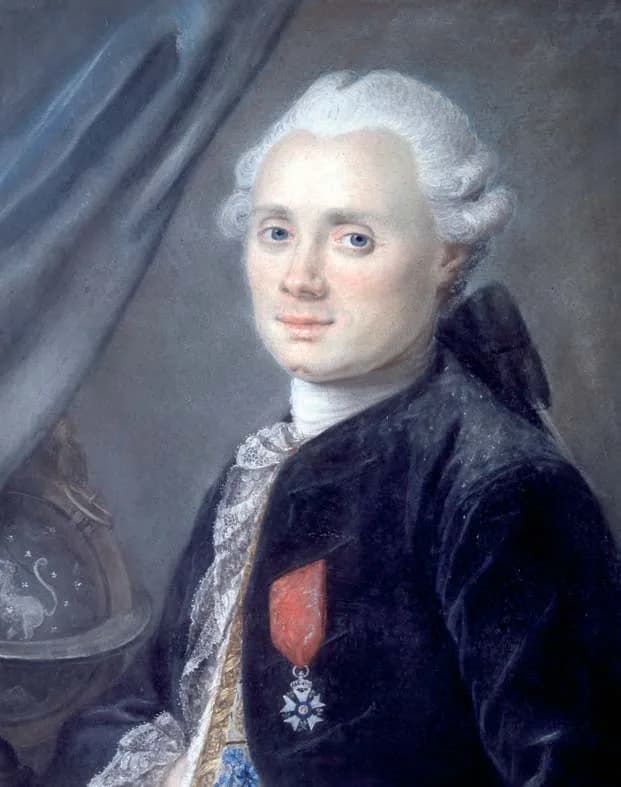
Charles Messier (1730-1817) was a French astronomer from Badonviller who created the famous Messier catalogue of 110 nebulae and star clusters. His systematic approach to cataloging celestial objects helped astronomers distinguish between permanent and transient sky objects. The Messier objects remain essential references for astronomers today.
ຊີວິດໃນຊ່ວງເວລາ
ຊ່ວງເວລາທີ່ສ້າງຊີວິດ
ບົດທີ
ບົດຕອນຊີວິດ
ບົດທີ 1 · 1730· ບົດທີ 1 ຈາກ 6
Early Life and Origins
Charles Messier was born on June 26, 1730, in Badonviller, a small town in the Lorraine region of France. Growing up in this rural French community, young Messier would have experienced clear, dark skies perfect for astronomical observation. The 18th century was a time of great scientific advancement in France, and Messier came of age during an era when astronomy was becoming increasingly systematic and precise.
His early years in Badonviller shaped his meticulous nature and attention to detail, qualities that would later prove essential in his astronomical work. The quiet countryside of Lorraine provided an ideal environment for developing the patience and observational skills necessary for a career spent studying the heavens.
ບົດທີ 2· ບົດທີ 2 ຈາກ 6
Career Beginnings
Messier's entry into professional astronomy marked the beginning of what would become a lifelong dedication to celestial observation. He moved from his rural birthplace to Paris, where the intellectual and scientific opportunities were far greater. In Paris, he found himself at the center of French astronomical activity, working alongside other observers and gaining access to better telescopes and observational tools.
His early work focused on systematic observation of the night sky, developing the skills that would later make him famous. The transition from rural Badonviller to cosmopolitan Paris represented a crucial step in his development as a serious astronomer, allowing him to pursue his passion with proper instruments and institutional support.
ບົດທີ 3· ບົດທີ 3 ຈາກ 6
Major Achievements and Career Highlights
Messier's greatest achievement was the creation of his astronomical catalogue, consisting of 110 nebulae and star clusters now known as the Messier objects. Each object in his catalogue is designated with the letter M followed by a number from 1 to 110, a system still used by astronomers worldwide. His purpose for creating this catalogue was practical and innovative: to help astronomical observers distinguish between permanent and transient visually diffuse objects in the sky.
The Messier catalogue solved a significant problem for 18th-century astronomers who were often confused by fuzzy objects that appeared similar to comets but never moved. By systematically cataloging these permanent objects, Messier provided fellow astronomers with an essential reference tool. His work demonstrated remarkable consistency and accuracy, qualities that made his catalogue invaluable for generations of observers.
Among his documented observations, Messier recorded significant astronomical events including the solar eclipse of August 5, 1766, which he observed from Colombes at the observatory of the Marquis of Courtenvaux. He also documented a remarkable aurora borealis from the Observatory of the Marine at Paris, showing his interest in various celestial phenomena beyond his famous catalogue work.
ບົດທີ 4· ບົດທີ 4 ຈາກ 6
Notable Works and Contributions
The Messier catalogue remains Messier's most enduring contribution to astronomy, but his work extended beyond this single achievement. His systematic approach to observation and documentation set new standards for astronomical record-keeping. The catalogue included detailed descriptions and positions of nebulae and star clusters, many of which are now known to be galaxies, star-forming regions, and other important celestial objects.
His observational work on comets complemented his catalogue efforts, as his original motivation was to avoid confusing permanent sky objects with the transient comets he was tracking. Messier's correspondence with other astronomers of his time, including letters about comet discoveries, demonstrates his active participation in the international astronomical community. These communications helped spread knowledge of new celestial discoveries across Europe's scientific networks.
ບົດທີ 5· ບົດທີ 5 ຈາກ 6
Later Years
Messier continued his astronomical work well into the 19th century, maintaining his dedication to observation and cataloging. His later years were spent in Paris, where he had access to the city's astronomical facilities and could continue his systematic sky surveys. The consistency of his work over decades speaks to his unwavering commitment to astronomical precision and accuracy.
As he aged, Messier's reputation grew throughout the European astronomical community. His catalogue had become an essential tool for astronomers, and his methodical approach influenced how other observers approached their work. He remained active in astronomical circles until his death on April 12, 1817, in Paris, having spent nearly his entire adult life dedicated to understanding and cataloging the night sky.
ບົດທີ 6· ບົດທີ 6 ຈາກ 6
Legacy and Impact
The Messier catalogue continues to be used by astronomers today, making Charles Messier's work among the most enduring contributions to observational astronomy. Modern amateur astronomers often begin their deep-sky exploration by observing Messier objects, following the same systematic approach that Messier pioneered over two centuries ago. Professional astronomers still reference Messier designations when discussing nebulae and star clusters, testament to the lasting value of his careful observations.
Messier's influence extends beyond his catalogue to his demonstration of how systematic, methodical observation could advance scientific understanding. His approach helped establish standards for astronomical documentation that influenced generations of observers. The fact that his catalogue remained useful through the transition from visual observation to photography and modern electronic detection shows the fundamental accuracy of his work and the timeless value of careful, systematic scientific observation.
ເສັ້ນເວລາ
ຊີວິດໂດຍຫຍໍ້
ຫ້ອງສະແດງຮູບພາບ
ຊີວິດໃນຮູບພາບ
ຄລິກຮູບໃດກໍໄດ້ເພື່ອຂະຫຍາຍ · 49 ຮູບພາບ
ລະຫັດ QR
ແບ່ງປັນຊີວະປະຫວັດນີ້
ພິມ ແລະ ແບ່ງປັນ
ສະແກນເພື່ອກັບເຂົ້າເບິ່ງໜ້າຊີວະປະຫວັດນີ້. ພິມໄວ້ສຳລັບງານຕ່າງໆ, ງານວາງສະແດງ ຫຼື ອຸປະກອນການສຶກສາ.