ເກີດ
October 4, 1895
Piqua, United States
ຈາກໄປ
February 1, 1966
Woodland Hills, United States
ເປັນທີ່ຮູ້ຈັກ
American actor, comedian, and director
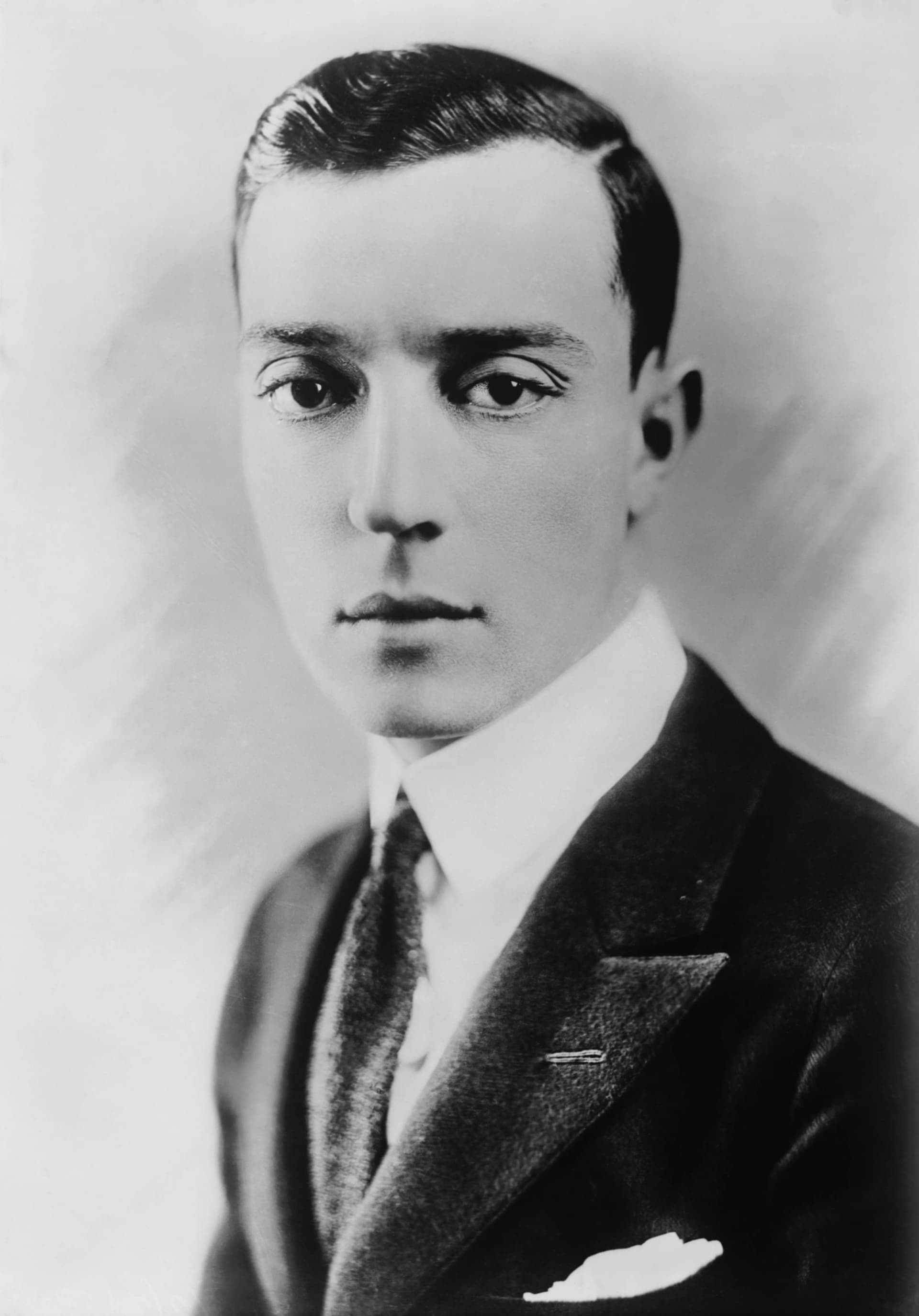
Buster Keaton (1895–1966) was United States best known for American actor, comedian, and director.
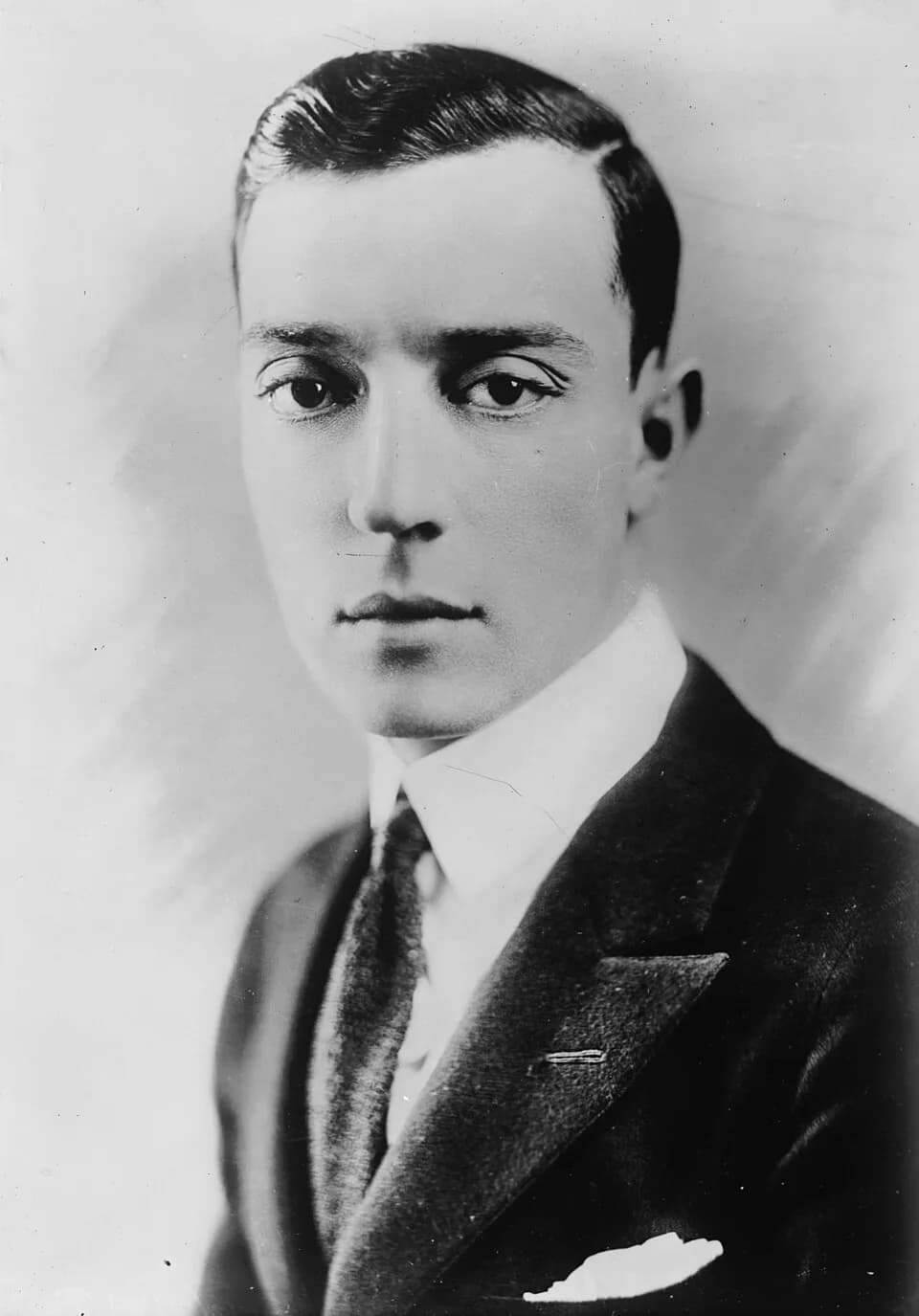
Joseph Frank "Buster" Keaton (October 4, 1895 – February 1, 1966) was an American actor, comedian, and director. He was renowned for his silent films, where he performed inventive physical comedy with a stoic, deadpan expression, earning him the nickname "The Great Stone Face". His pioneering work continues to influence filmmakers and comedians.
ບົດທີ
ບົດຕອນຊີວິດ
ບົດທີ 1 · 1895· ບົດທີ 1 ຈາກ 7
Remembering Buster Keaton: A Pioneer of Physical Comedy
Joseph Frank "Buster" Keaton (1895–1966) was an American actor, comedian, and director, celebrated for his innovative contributions to silent film. He captivated audiences worldwide with his unique brand of physical comedy and a perpetually stoic facial expression. Keaton's enduring legacy firmly established him as one of the most significant figures in the history of cinema.
ບົດທີ 2 · 1895· ບົດທີ 2 ຈາກ 7
Early Life and Origins
Buster Keaton was born on October 4, 1895, in Piqua, United States, into a family deeply immersed in vaudeville. His parents, Joe and Myra Keaton, were traveling performers, and Buster joined their act at a remarkably young age. This early exposure to the stage honed his exceptional physical abilities and comedic timing, laying the groundwork for his future career.
His upbringing was unconventional, spent performing across the country rather than attending traditional schooling. This hands-on education in live performance instilled in him a profound understanding of comedic structure and the demands of an audience. Keaton's early life on the road was instrumental in developing the fearless stunt work and precise physical control that would become his hallmark.
ບົດທີ 3 · 1917· ບົດທີ 3 ຈາກ 7
Career Beginnings
Keaton transitioned from the stage to film in 1917, initially working with Roscoe "Fatty" Arbuckle. This apprenticeship allowed him to learn the craft of filmmaking, from acting to directing, and explore the unique possibilities of the new medium. He quickly distinguished himself with his natural on-screen presence and willingness to perform daring stunts.
By the early 1920s, Keaton had established his own production unit, giving him creative control over his films. During this period, he developed his distinctive persona: a character who, despite facing extraordinary challenges and chaotic situations, maintained an unflappable, deadpan expression. This iconic stoicism earned him the enduring nickname "The Great Stone Face," a moniker that perfectly encapsulated his comedic genius.
ບົດທີ 4· ບົດທີ 4 ຈາກ 7
Major Achievements and Career Highlights
Buster Keaton's career was defined by his silent films, where he pioneered sophisticated physical comedy and executed increasingly complex and inventive stunts. He was not only an actor and comedian but also a director, screenwriter, film producer, stunt performer, and film editor. His multi-faceted talents allowed him to meticulously craft his cinematic visions, ensuring every gag and every shot contributed to the overall comedic effect.
His creative control during the silent era enabled him to push the boundaries of filmmaking, blending intricate narratives with spectacular visual gags. Keaton's commitment to performing his own often dangerous stunts set a high standard for physical comedy in film. His work showcased a remarkable blend of athletic prowess, precise timing, and ingenious mechanical effects, all delivered with his signature impassive demeanor.
ບົດທີ 5 · 1926· ບົດທີ 5 ຈາກ 7
Notable Works and Contributions
Keaton's filmography includes a remarkable array of works that continue to be studied and admired today. Among his most celebrated silent films is "The General," a 1926 masterpiece that features spectacular train sequences and breathtaking stunts. This film, sometimes referred to as "Le mécano de la \"General\"" in European markets, stands as a testament to his directorial and performing brilliance.
In his later years, Keaton continued to appear in films and television, demonstrating his enduring comedic talent. His notable post-silent era appearances include "A Funny Thing Happened on the Way to the Forum" (1966), a musical comedy, and "Beach Blanket Bingo" (1965), a popular teen film. His influence extended to documentary appearances like "That's Entertainment, Part II" (1976) and "4 Clowns" (1970), which celebrated the golden age of comedy. He also authored his autobiography, "My Wonderful World of Slapstick," providing personal insights into his career.
ບົດທີ 6· ບົດທີ 6 ຈາກ 7
Later Years
Though the advent of sound film presented new challenges for Keaton, he continued to work steadily in Hollywood, albeit often in smaller roles. He transitioned from leading man in his own productions to a respected character actor and gag writer for other studios. Keaton's later career saw him making memorable appearances in various films and television shows, showcasing his adaptability and love for performing.
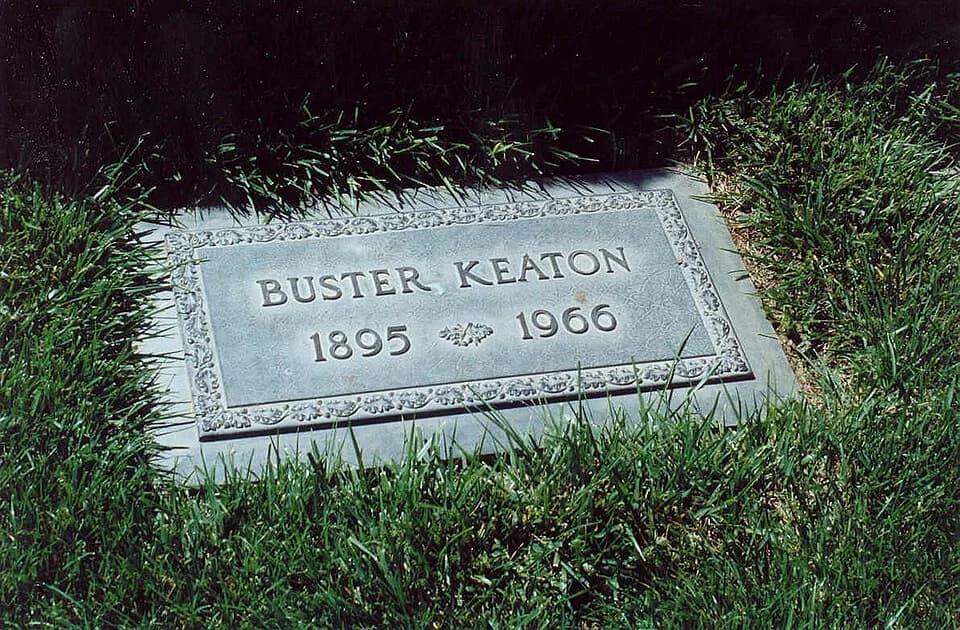
He found renewed recognition in the 1950s and 60s, appearing in films like "How to Stuff a Wild Bikini" (1965), "Sergeant Deadhead" (1965), and "War Italian Style" (1965). These roles, while different from his silent era stardom, allowed new generations to appreciate his comedic genius. Joseph Frank "Buster" Keaton passed away on February 1, 1966, in Woodland Hills, United States, leaving behind a profound artistic legacy.
ບົດທີ 7· ບົດທີ 7 ຈາກ 7
Legacy and Impact
Buster Keaton's influence on comedy and filmmaking is immense and everlasting. His innovative use of physical comedy, meticulous stunt work, and deadpan delivery revolutionized the genre and inspired countless performers and directors. Keaton demonstrated the power of visual storytelling, conveying complex emotions and narratives without relying on dialogue.
His films are considered timeless classics, lauded for their technical mastery, narrative ingenuity, and enduring humor. Keaton's work continues to be studied in film schools and enjoyed by audiences worldwide, cementing his status as a foundational figure in cinematic history. "The Great Stone Face" remains a beloved icon, whose silent laughter continues to echo through the ages.
ຊີວິດໃນຊ່ວງເວລາ
ຊ່ວງເວລາທີ່ສ້າງຊີວິດ
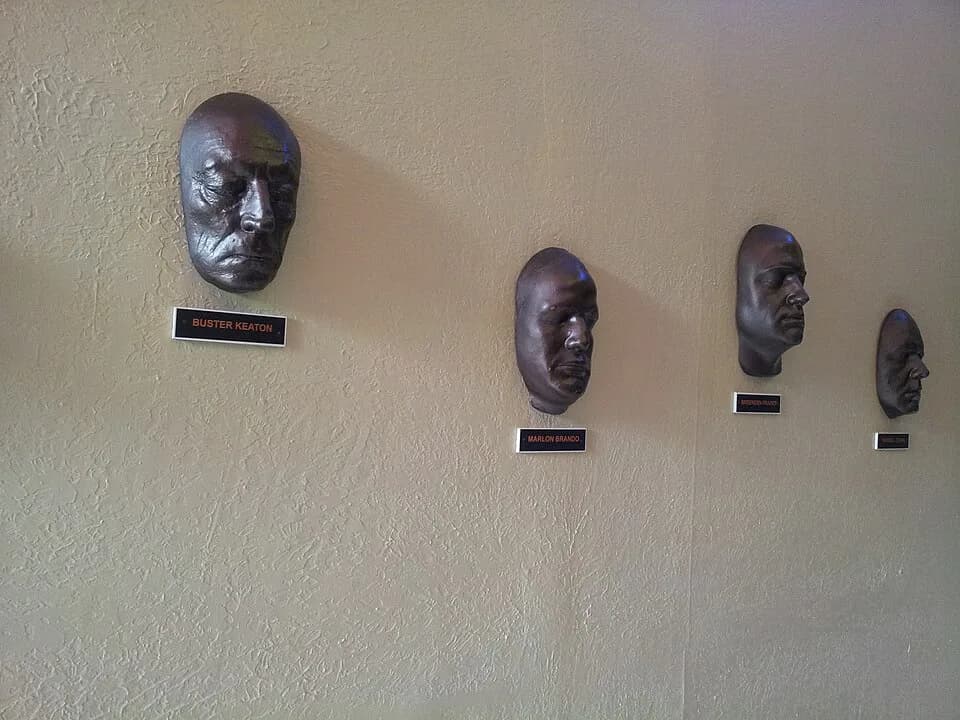
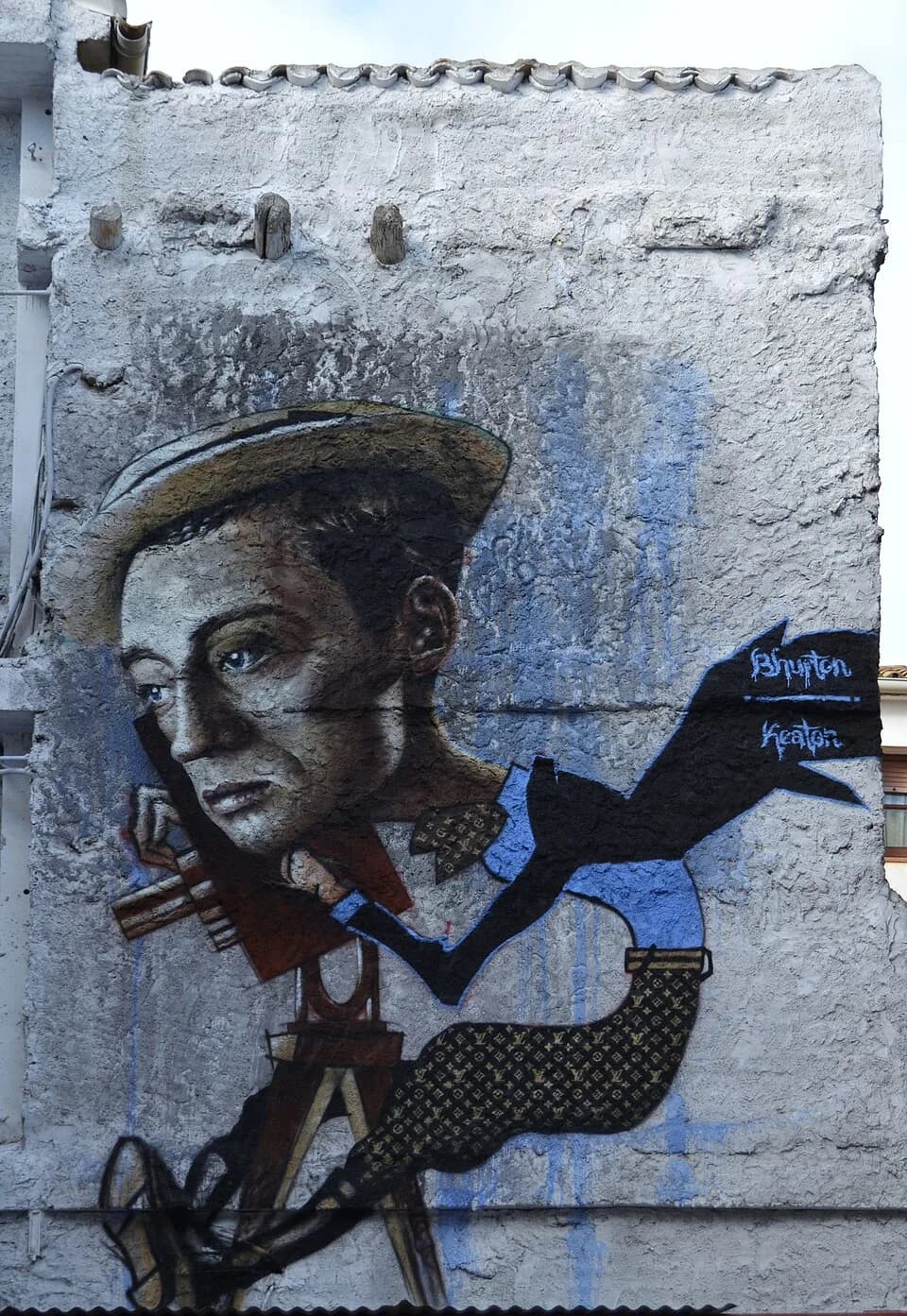
ຄຳຖາມ
ຄຳຖາມທີ່ພົບເລື້ອຍ
Buster Keaton ເສຍຊີວິດເມື່ອໃດ?
Buster Keaton ເສຍຊີວິດໃນວັນທີ 1 ກຸມພາ 1966 ທີ່ Woodland Hills, United States, ໃນອາຍຸ 70 ປີ.
Buster Keaton ເກີດຢູ່ໃສ?
Buster Keaton ເກີດທີ່ Piqua, United States ໃນວັນທີ 4 ຕຸລາ 1895.
Buster Keaton ມີຊື່ສຽງທີ່ສຸດໃນເລື່ອງໃດ?
Buster Keaton ມີຊື່ສຽງທີ່ສຸດໃນເລື່ອງ American actor, comedian, and director.
Buster Keaton ມີອາຍຸເທົ່າໃດເມື່ອເສຍຊີວິດ?
Buster Keaton ມີອາຍຸ 70 ປີ ເມື່ອເສຍຊີວິດ.
Buster Keaton ມີສັນຊາດໃດ?
Buster Keaton ມາຈາກ United States.
ເສັ້ນເວລາ
ຊີວິດໂດຍຫຍໍ້
ຫ້ອງສະແດງຮູບພາບ
ຊີວິດໃນຮູບພາບ
ຄລິກຮູບໃດກໍໄດ້ເພື່ອຂະຫຍາຍ · 24 ຮູບພາບ
ລະຫັດ QR
ແບ່ງປັນຊີວະປະຫວັດນີ້
ພິມ ແລະ ແບ່ງປັນ
ສະແກນເພື່ອກັບເຂົ້າເບິ່ງໜ້າຊີວະປະຫວັດນີ້. ພິມໄວ້ສຳລັບງານຕ່າງໆ, ງານວາງສະແດງ ຫຼື ອຸປະກອນການສຶກສາ.