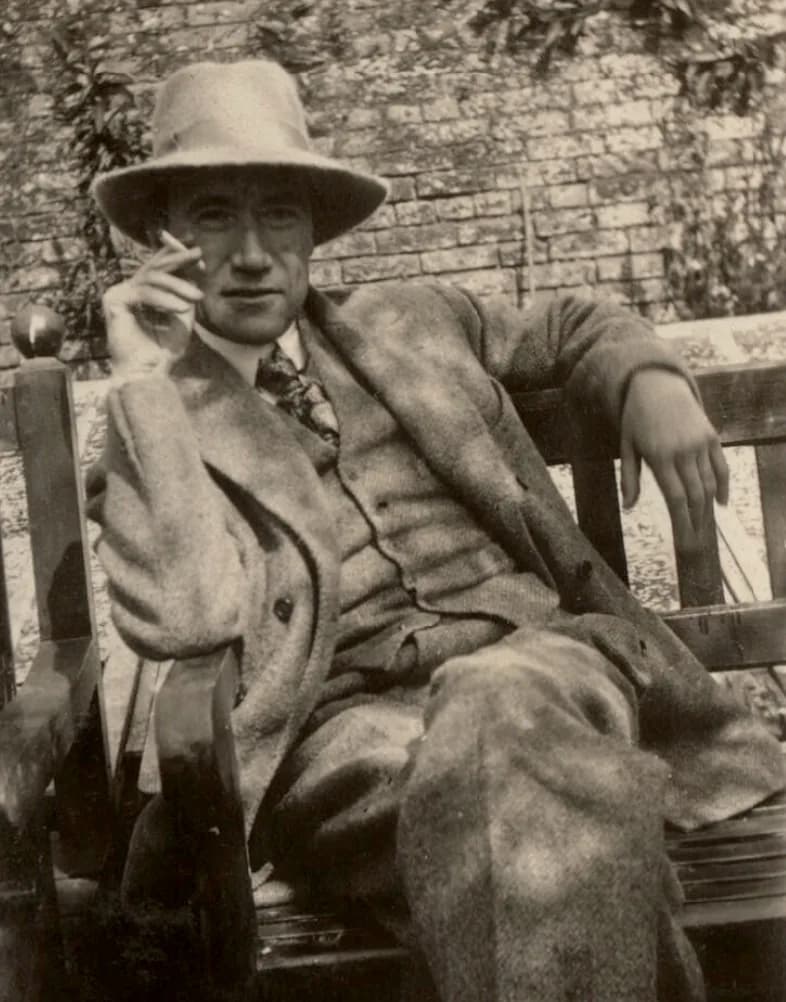
ເກີດ
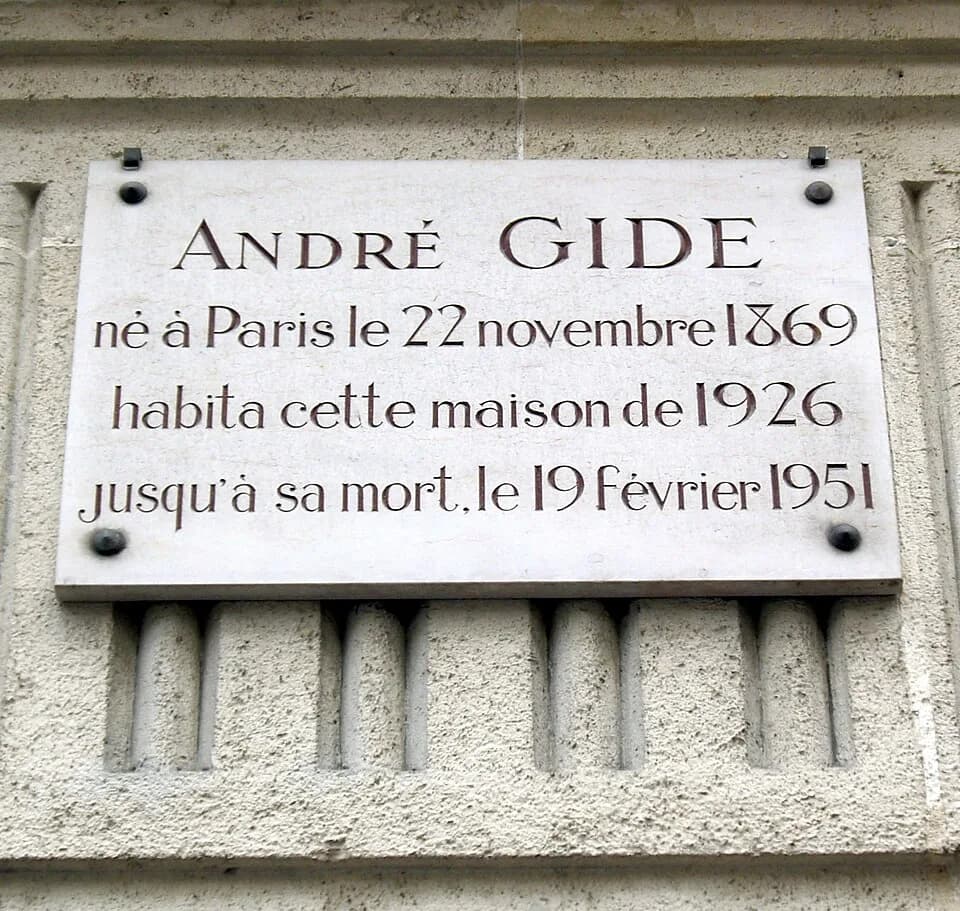
November 22, 1869
Paris, France
ຈາກໄປ
February 19, 1951
Paris, France
ເປັນທີ່ຮູ້ຈັກ
French author and Nobel laureate
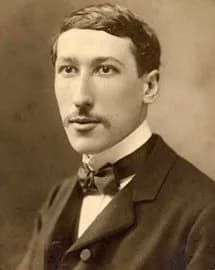
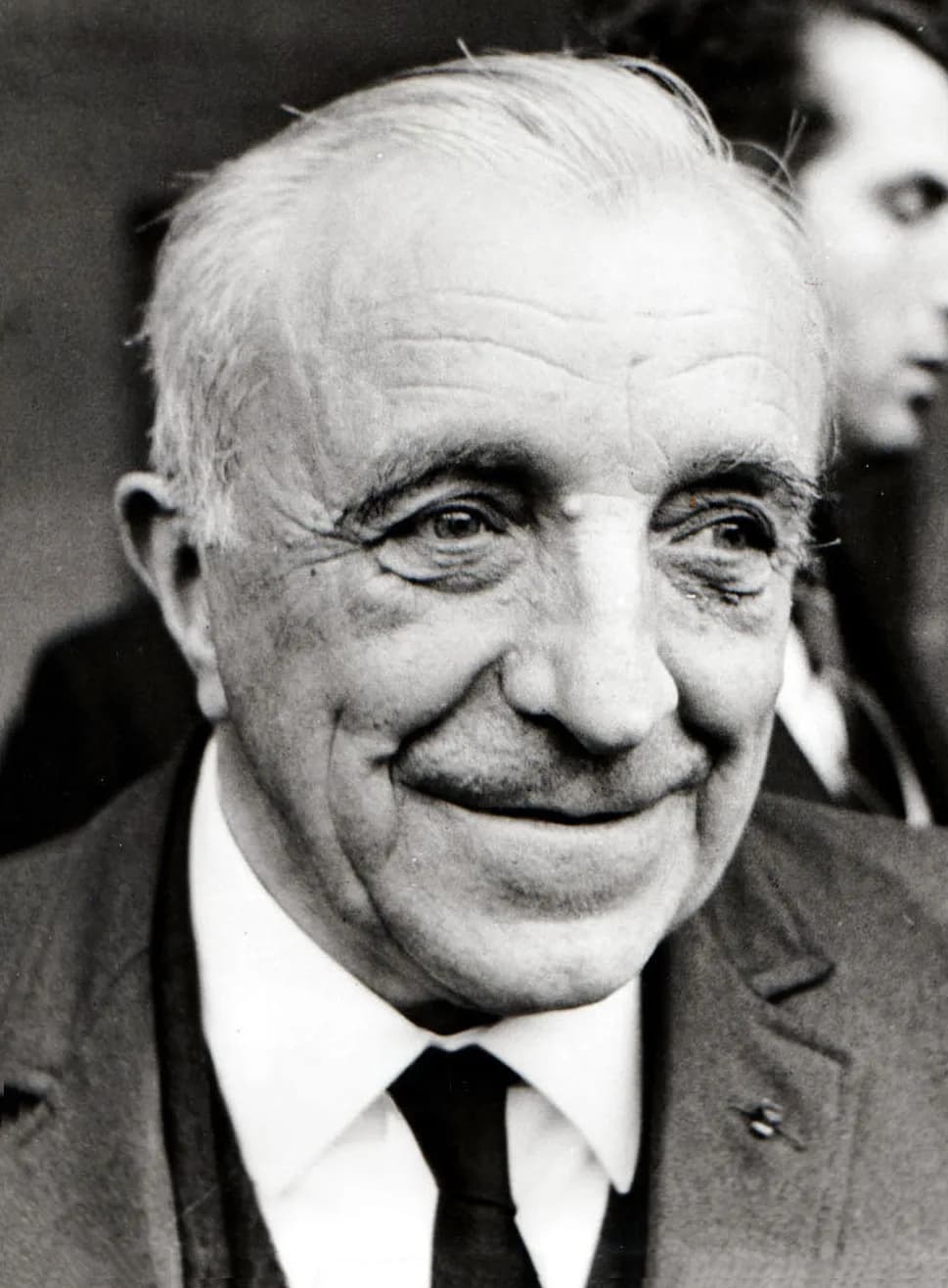
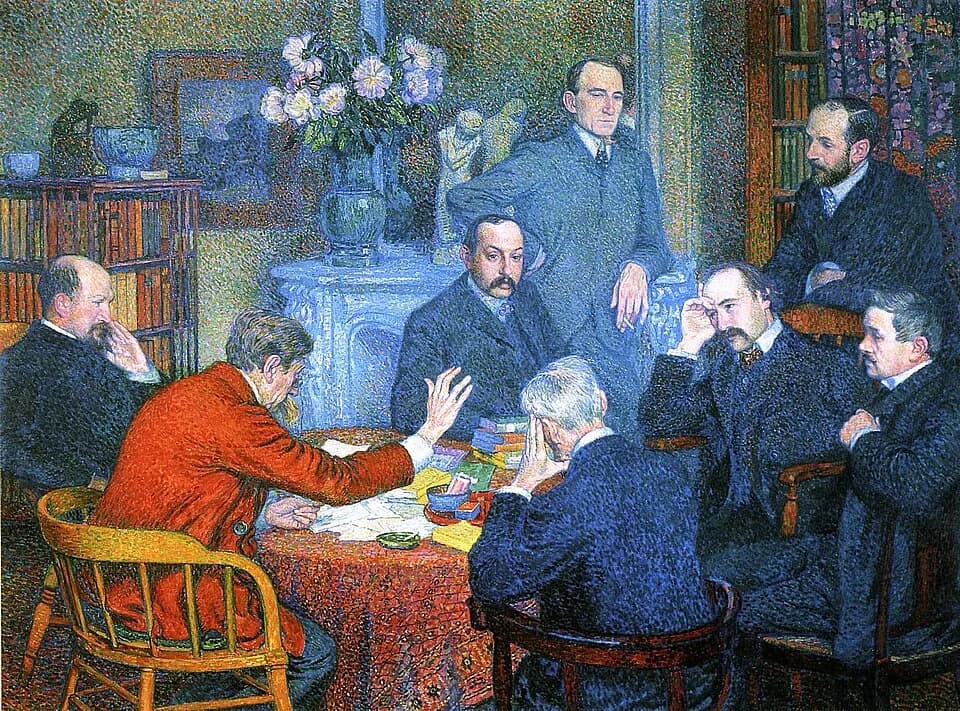
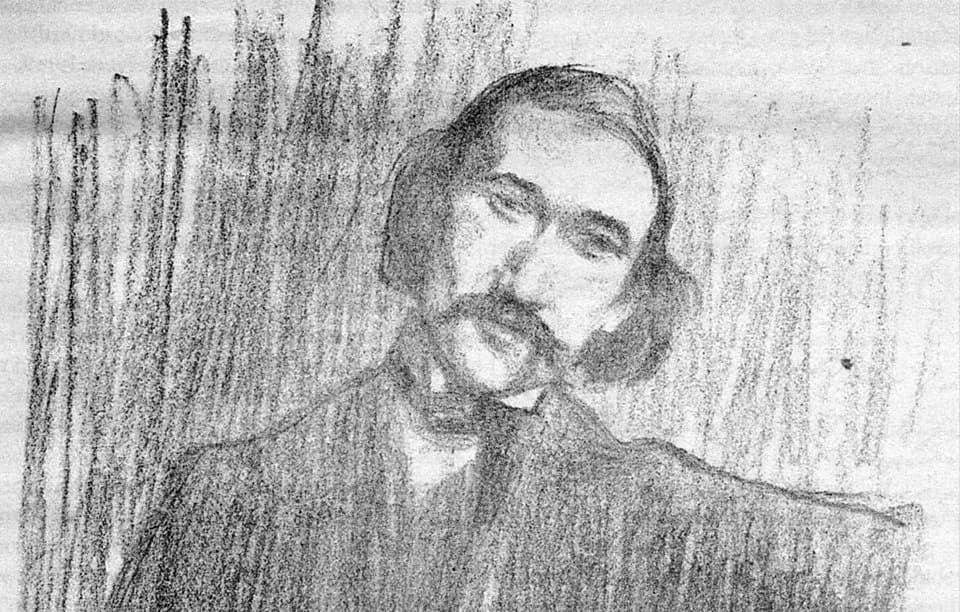
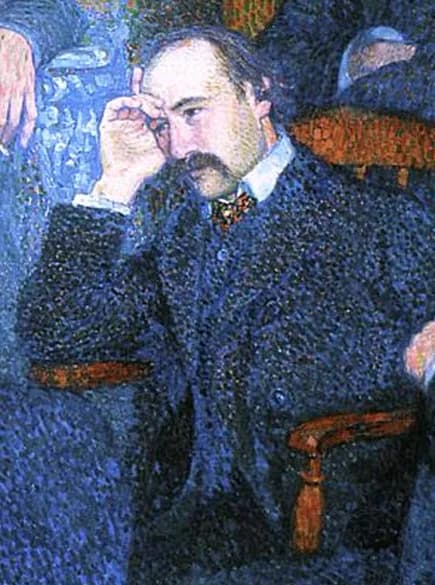
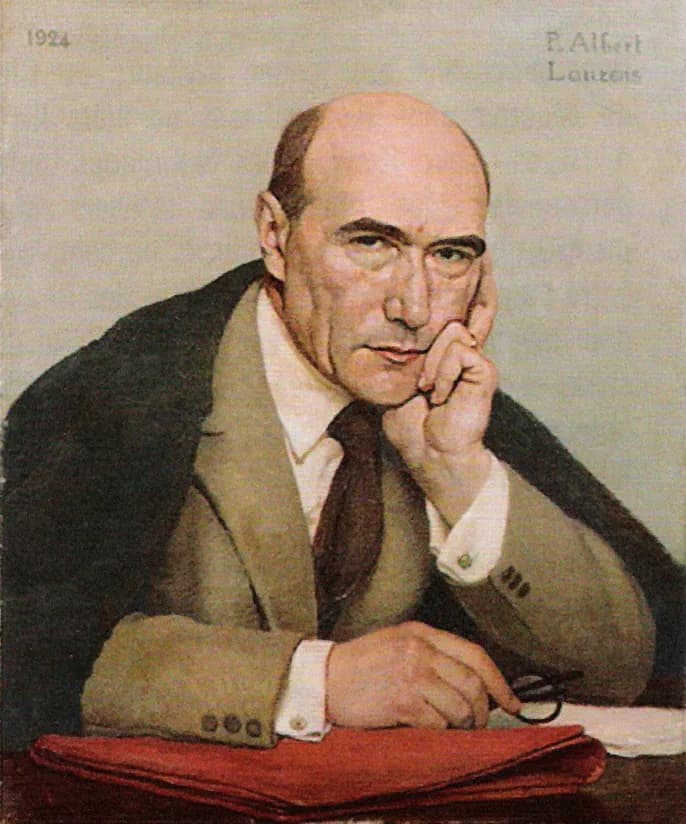
André Gide (1869–1951) was France best known for French author and Nobel laureate.
André Paul Guillaume Gide (1869–1951) was a French author whose diverse literary works spanned multiple genres and styles. He received the 1947 Nobel Prize in Literature for his psychologically insightful writings. His 50+ books established him as France's greatest contemporary man of letters.
ຊີວິດໃນຊ່ວງເວລາ
ຊ່ວງເວລາທີ່ສ້າງຊີວິດ

ບົດທີ
ບົດຕອນຊີວິດ
ບົດທີ 1 · 1869· ບົດທີ 1 ຈາກ 6
Early Life and Origins
André Gide was born into a bourgeois Protestant family in Paris on November 22, 1869. His upbringing in this strict religious environment would later influence much of his literary work, as he grappled with questions of morality, faith, and individual freedom throughout his career. The tension between his conservative background and his desire for personal liberation became a recurring theme in his writing.
ບົດທີ 2· ບົດທີ 2 ຈາກ 6
Career Beginnings
Gide's literary journey began in the symbolist movement of the late 19th century. His early works reflected the aesthetic and philosophical concerns of this artistic movement, which emphasized the symbolic representation of ideas and emotions rather than direct description. These formative years established his reputation as a serious literary voice and set the foundation for his later experimental approaches to writing.
ບົດທີ 3 · 1947· ບົດທີ 3 ຈາກ 6
Major Achievements and Career Highlights
The pinnacle of Gide's career came in 1947 when he was awarded the Nobel Prize in Literature. The Swedish Academy recognized him "for his wide-ranging and artistically significant writings, in which human problems and conditions have been presented with a fearless love of truth and keen psychological insight." His New York Times obituary described him as "France's greatest contemporary man of letters" and noted that literary experts "judged the greatest French writer of this century."
Throughout his career, Gide worked across multiple genres and mediums. He served as a screenwriter, playwright, translator, journalist, film producer, travel writer, novelist, essayist, prose writer, diarist, and autobiographer. This versatility allowed him to explore different aspects of human experience and reach diverse audiences through various forms of expression.
ບົດທີ 4· ບົດທີ 4 ຈາກ 6
Notable Works and Contributions
Gide authored more than 50 books during his prolific career, spanning a wide variety of styles and topics. His writing evolved significantly over the decades, moving from his early symbolist works to later pieces that criticized imperialism between the two World Wars. This evolution demonstrated his willingness to engage with the political and social issues of his time while maintaining his focus on psychological and moral questions.
Beyond literature, Gide also contributed to cinema. His filmography includes "Avec André Gide" (1952) and "Fanny" (1932), showing his interest in exploring storytelling through different artistic mediums. These works allowed him to reach audiences beyond the literary world and experiment with visual narrative techniques.
ບົດທີ 5· ບົດທີ 5 ຈາກ 6
Later Years
In his later years, Gide continued to write and engage with contemporary issues. His criticism of imperialism during the interwar period demonstrated his commitment to social justice and his willingness to use his literary platform to address political concerns. He remained active in French intellectual circles until his death, maintaining his status as a leading voice in European literature.
ບົດທີ 6· ບົດທີ 6 ຈາກ 6
Legacy and Impact
André Gide's influence on French literature and international writing cannot be overstated. His fearless exploration of controversial topics, including questions of sexuality, religion, and political authority, opened new possibilities for literary expression. His psychological insights and willingness to examine the contradictions of human nature inspired countless writers who followed.
His diverse body of work continues to be studied and celebrated today. From his early symbolist pieces to his later social criticism, Gide demonstrated that literature could serve as both art and social commentary. His Nobel Prize recognition cemented his place among the giants of world literature, and his influence extends far beyond French literary circles to writers and thinkers around the globe.
ຄຳຖາມ
ຄຳຖາມທີ່ພົບເລື້ອຍ
André Gide ເສຍຊີວິດເມື່ອໃດ?
André Gide ເສຍຊີວິດໃນວັນທີ 19 ກຸມພາ 1951 ທີ່ Paris, France, ໃນອາຍຸ 81 ປີ.
André Gide ເກີດຢູ່ໃສ?
André Gide ເກີດທີ່ Paris, France ໃນວັນທີ 22 ພະຈິກ 1869.
André Gide ມີຊື່ສຽງທີ່ສຸດໃນເລື່ອງໃດ?
André Gide ມີຊື່ສຽງທີ່ສຸດໃນເລື່ອງ French author and Nobel laureate.
André Gide ມີອາຍຸເທົ່າໃດເມື່ອເສຍຊີວິດ?
André Gide ມີອາຍຸ 81 ປີ ເມື່ອເສຍຊີວິດ.
André Gide ມີສັນຊາດໃດ?
André Gide ມາຈາກ France.
ເສັ້ນເວລາ
ຊີວິດໂດຍຫຍໍ້
ຫ້ອງສະແດງຮູບພາບ
ຊີວິດໃນຮູບພາບ
ຄລິກຮູບໃດກໍໄດ້ເພື່ອຂະຫຍາຍ · 50 ຮູບພາບ
ລະຫັດ QR
ແບ່ງປັນຊີວະປະຫວັດນີ້
ພິມ ແລະ ແບ່ງປັນ
ສະແກນເພື່ອກັບເຂົ້າເບິ່ງໜ້າຊີວະປະຫວັດນີ້. ພິມໄວ້ສຳລັບງານຕ່າງໆ, ງານວາງສະແດງ ຫຼື ອຸປະກອນການສຶກສາ.