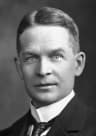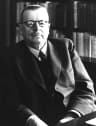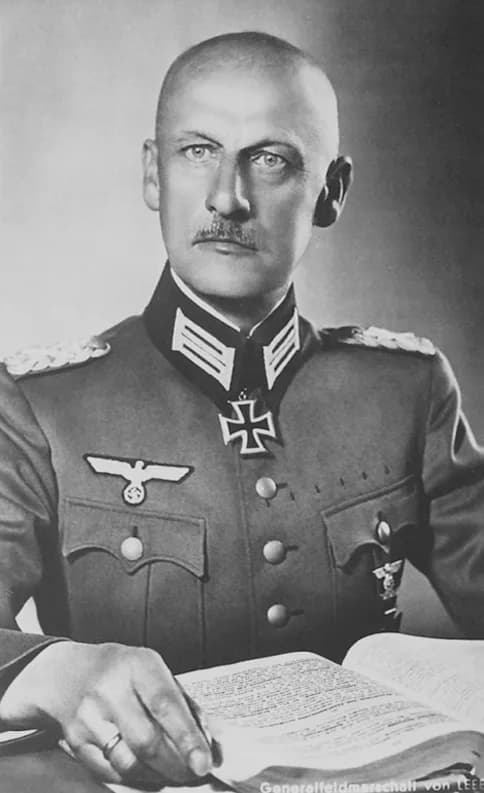
출생
September 5, 1876
Landsberg am Lech, Germany
별세
April 29, 1956
Füssen, Germany
알려진 업적
German field marshal and war criminal
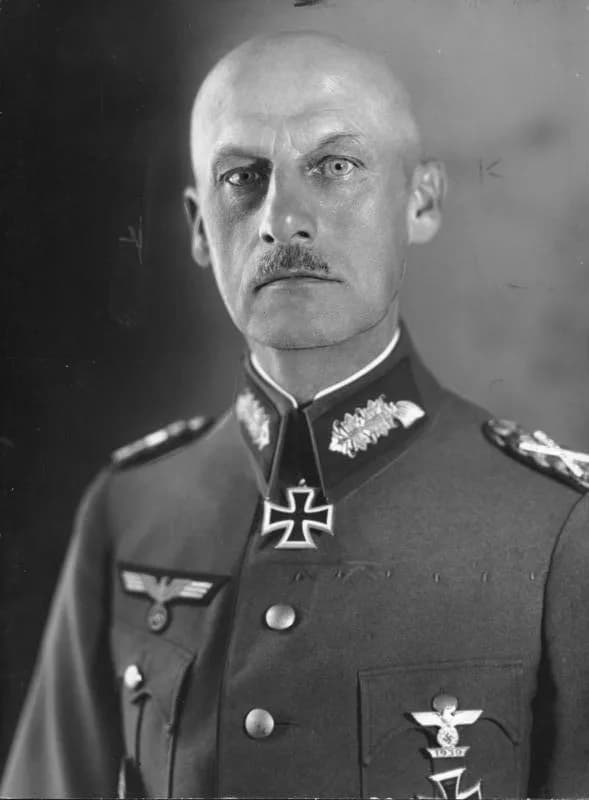
Wilhelm Ritter von Leeb (1876–1956) was Germany best known for German field marshal and war criminal.
Wilhelm Josef Franz Ritter von Leeb (September 5, 1876 – April 29, 1956) was a German military personnel. A decorated World War I officer, he commanded Army Group C during the Battle of France, responsible for breaching the Maginot Line. His legacy encompasses significant military leadership and a subsequent conviction for war crimes.
챕터
삶의 챕터
챕터 1 · 1876· 8장 중 1장
Opening
Wilhelm Josef Franz Ritter von Leeb (1876-1956) was a German military personnel who achieved the rank of Generalfeldmarschall within the Wehrmacht during the Second World War. Born in Landsberg am Lech, Germany, he became a prominent figure in German military history across several decades. His career spanned significant historical periods, from his early service in the late 19th century through World War I and into the tumultuous years of World War II. He is remembered for his leadership in major campaigns and, notably, for his subsequent conviction for war crimes.
챕터 2 · 1876· 8장 중 2장
Early Life and Origins
Wilhelm Ritter von Leeb entered the world on September 5, 1876, in Landsberg am Lech, Germany. This period was characterized by the consolidation and growth of the German Empire, a time when military service was a highly respected path. While specific details about his family background are not provided, his early life clearly set him on a trajectory towards a distinguished military profession. The structured environment of Imperial Germany offered a robust framework for an ambitious young man pursuing a career in uniform.
챕터 3· 8장 중 3장
Career Beginnings
Leeb commenced his military journey in an era steeped in German martial tradition and discipline. He quickly demonstrated an aptitude for leadership and strategy, allowing him to advance steadily through the ranks. His formative professional years were dedicated to service within the German army, gaining practical experience and theoretical knowledge. This foundational period prepared him meticulously for the monumental conflicts that would shape the 20th century.
챕터 4· 8장 중 4장
Major Achievements and Career Highlights
Leeb distinguished himself significantly during World War I, earning multiple high decorations for his service and bravery. He was notably awarded the prestigious Military Order of Max Joseph, an honor which also bestowed upon him a personal title of nobility, 'Ritter.' During the Second World War, he assumed a critical command role as the leader of Army Group C. In this capacity, he was directly responsible for the strategic breakthrough of the heavily fortified Maginot Line during the intense Battle of France, a testament to his operational planning and leadership.
챕터 5· 8장 중 5장
Personal Life
The available information primarily focuses on Wilhelm Ritter von Leeb's extensive military career, offering limited insight into his personal life. Details regarding his family, relationships, or non-military interests are not specified in the provided records. Like many high-ranking military figures of his time, his public life was largely defined by his professional dedication and the demands of his service.
챕터 6· 8장 중 6장
Notable Works or Contributions
Wilhelm Ritter von Leeb's principal contributions were in the domain of military strategy and effective field command. His most recognized operational command involved leading Army Group C during the crucial Battle of France in World War II. The successful penetration of the Maginot Line by the forces under his direction underscores his strategic acumen and tactical execution. Although he did not author published works, his command decisions and military actions shaped significant wartime events, becoming subjects of historical study and analysis.
챕터 7 · 1956· 8장 중 7장
Later Years
Following the conclusion of his illustrious military service, Wilhelm Ritter von Leeb faced legal proceedings concerning his conduct during the war. He was subsequently convicted of war crimes during the post-war trials, a significant and somber chapter in his life. His final years were undoubtedly shaped by these legal implications and the broader reckoning with wartime accountability. He passed away on April 29, 1956, in Füssen, Germany, concluding a life that spanned pivotal moments in modern German and world history.
챕터 8· 8장 중 8장
Legacy and Impact
The legacy of Wilhelm Ritter von Leeb remains a complex and often debated subject, marked by both his military distinctions and later legal judgments. He is recognized as a German Generalfeldmarschall and a decorated officer from World War I, particularly for his command during the Battle of France. However, his post-war conviction for war crimes forms an undeniable and integral part of his historical narrative. His life offers a crucial lens through which to examine the intricate intersections of military leadership, ethical decision-making in conflict, and the enduring questions of historical accountability under international law.
순간 속의 삶
한 삶을 빚어낸 순간들
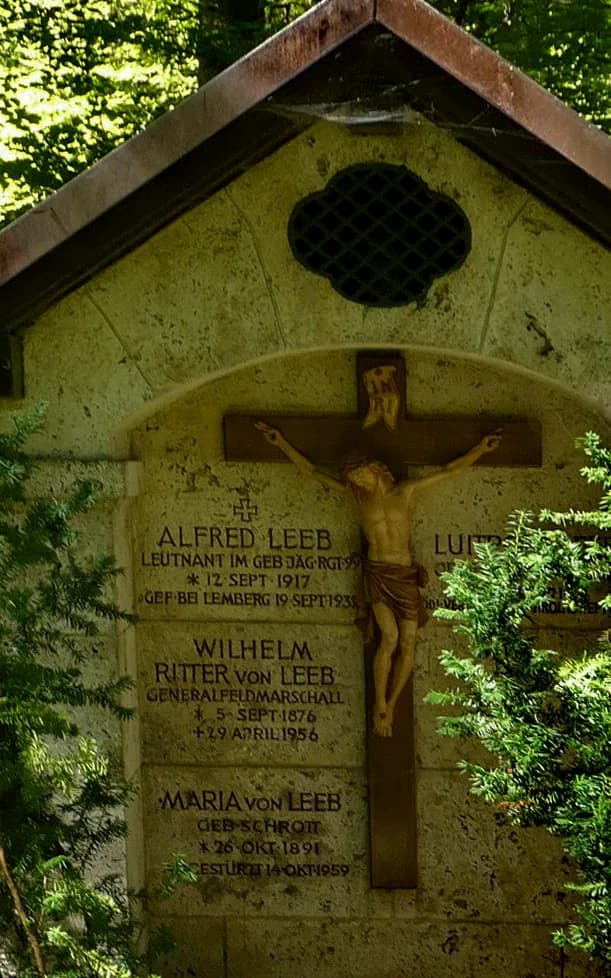
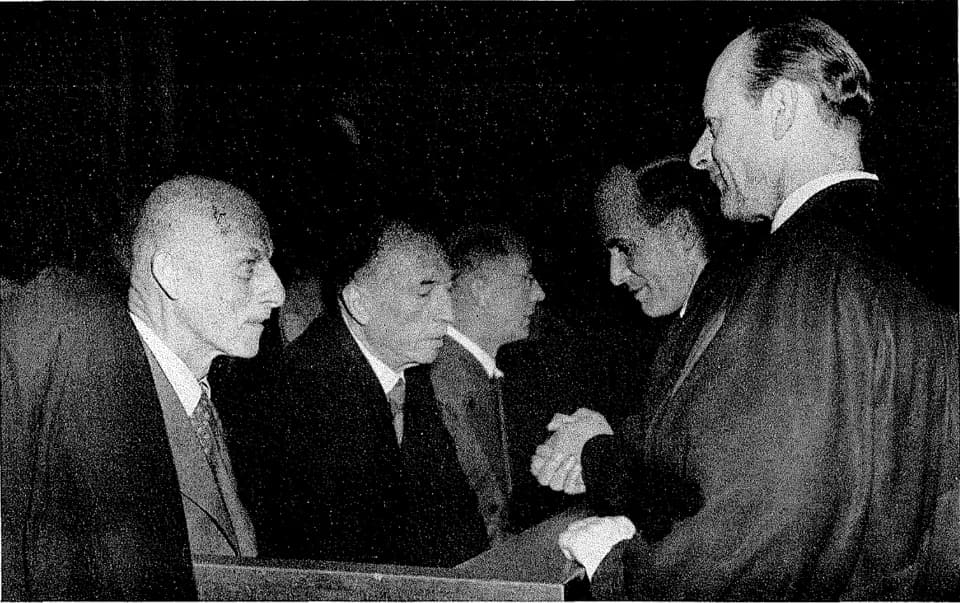
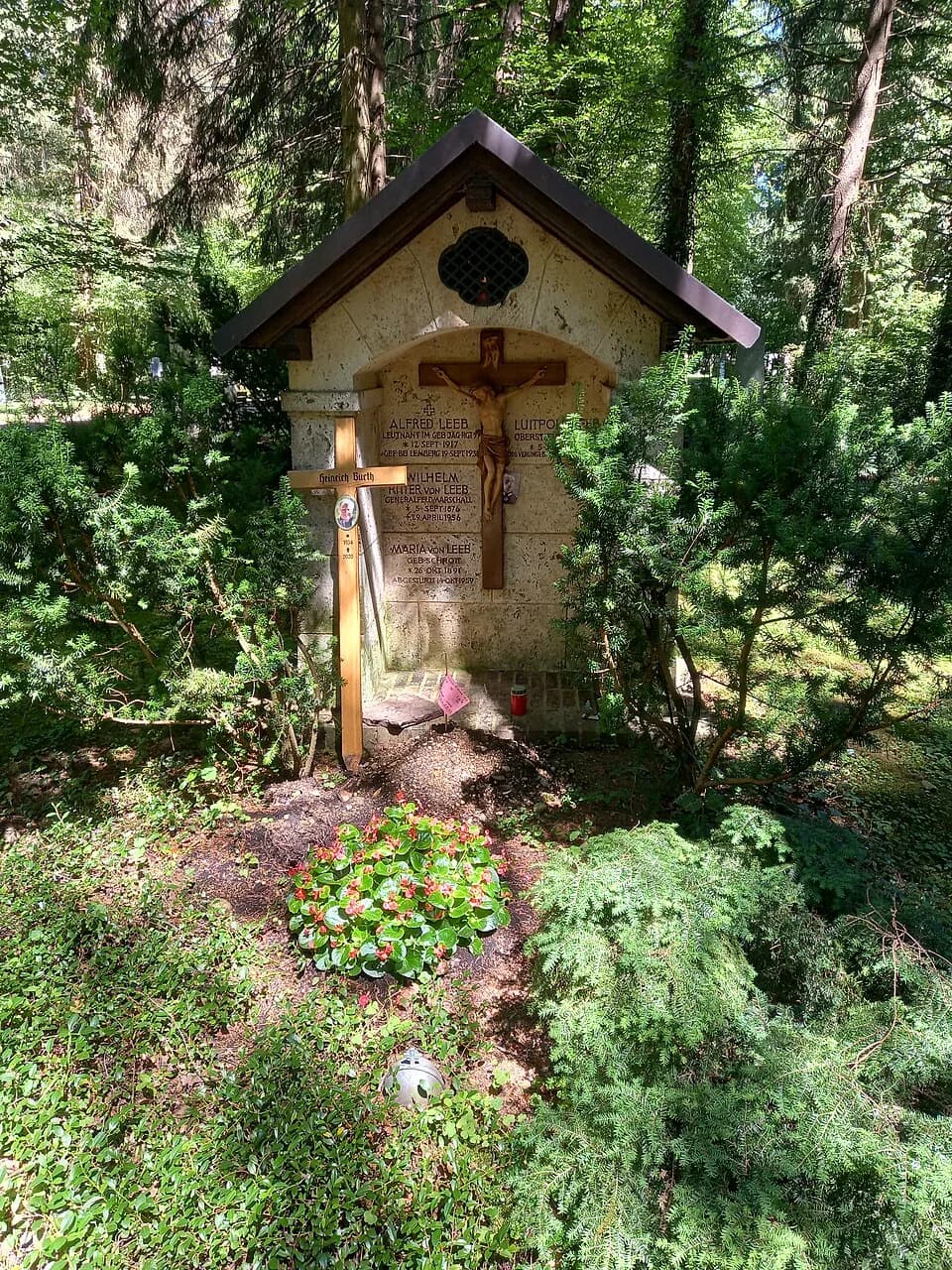
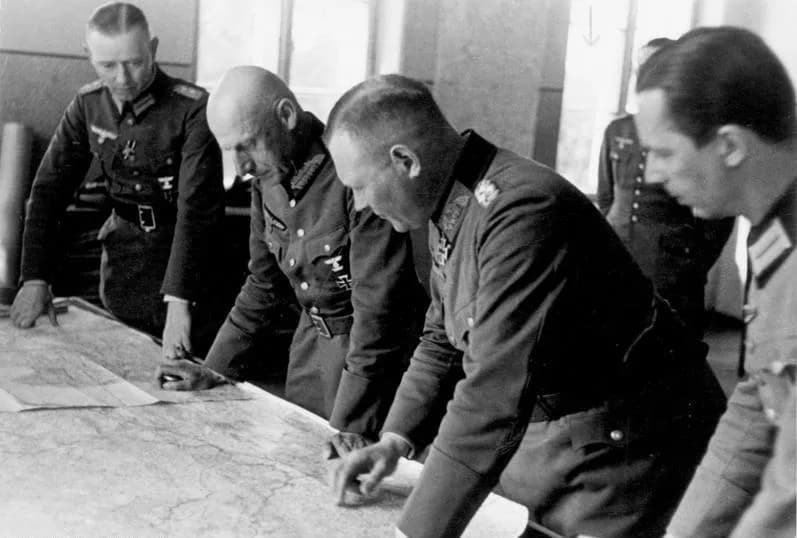
![Wilhelm Ritter von Leeb - [Translation of German original] Original caption: At a forward observation post.
The Commander-in-Chief of Army Group North, Field Marshal Wilhelm Ritter von Leeb [in profi](/_next/image?url=https%3A%2F%2Fcdn.whowasthisguy.com%2Fgallery_wikipedia_article_1781453657444_2_e00b44d2df.webp&w=1920&q=75)
FAQ
자주 묻는 질문
Wilhelm Ritter von Leeb은(는) 언제 사망했습니까?
Wilhelm Ritter von Leeb은(는) 1956년 4월 29일 Füssen, Germany에서 사망했습니다 (향년 79세).
Wilhelm Ritter von Leeb은(는) 어디에서 태어났습니까?
Wilhelm Ritter von Leeb은(는) Landsberg am Lech, Germany에서 1876년 9월 5일에 태어났습니다.
Wilhelm Ritter von Leeb은(는) 무엇으로 가장 잘 알려져 있습니까?
Wilhelm Ritter von Leeb은(는) German field marshal and war criminal(으)로 가장 잘 알려져 있습니다.
Wilhelm Ritter von Leeb은(는) 사망 당시 몇 살이었습니까?
Wilhelm Ritter von Leeb은(는) 사망 당시 79세였습니다.
Wilhelm Ritter von Leeb의 국적은 무엇이었습니까?
Wilhelm Ritter von Leeb은(는) Germany 출신이었습니다.
연표
한눈에 보는 삶
- 1876
Opening
- 1876
Early Life and Origins
- 1956
Later Years
사진 갤러리
사진으로 보는 삶
폴라로이드를 클릭하여 확대 · 사진 8장
QR 코드
이 전기 공유
인쇄 및 공유
스캔하여 이 전기 페이지를 방문하세요. 행사, 전시회, 교육 자료에 인쇄해 사용하실 수 있습니다.