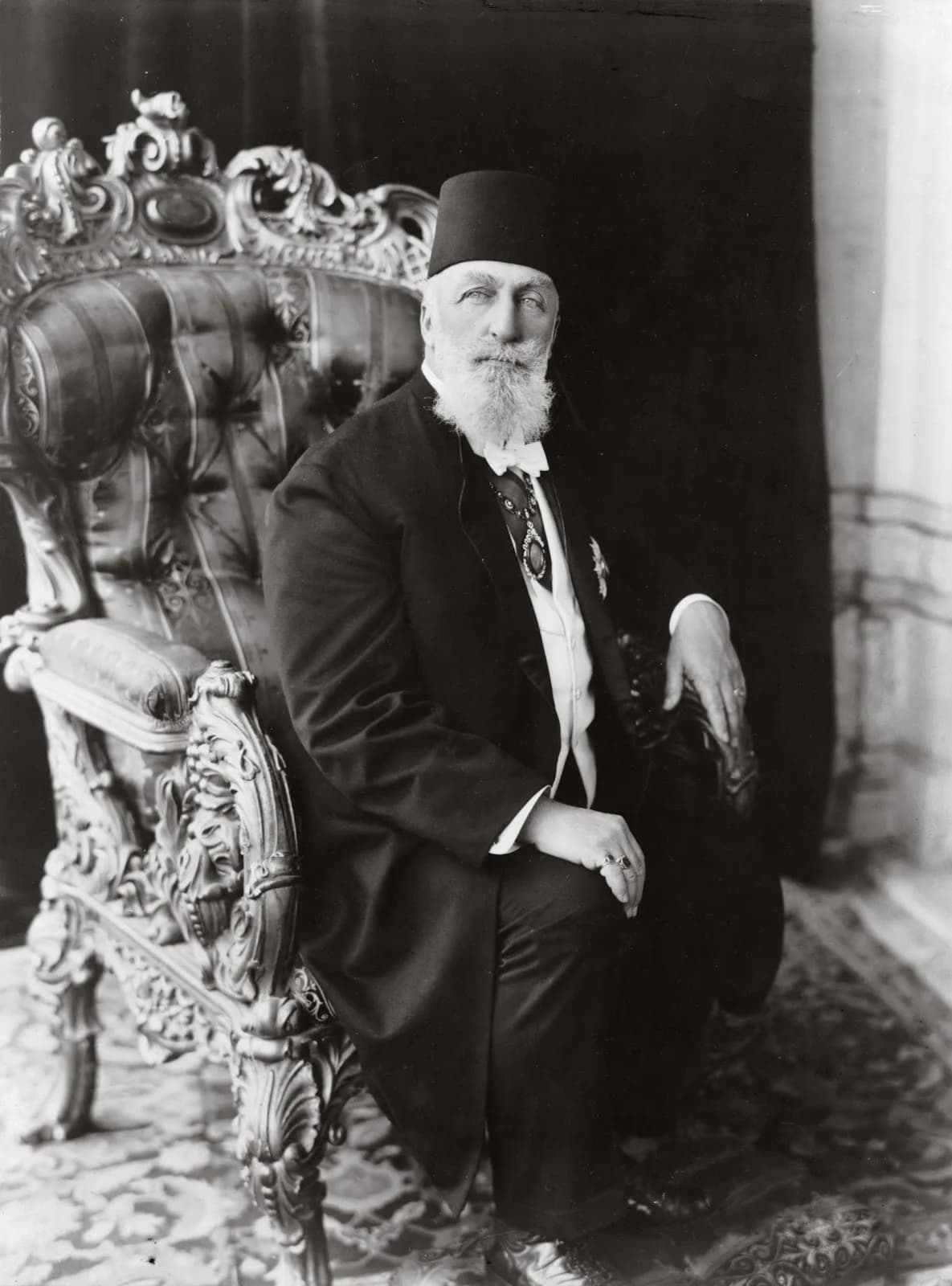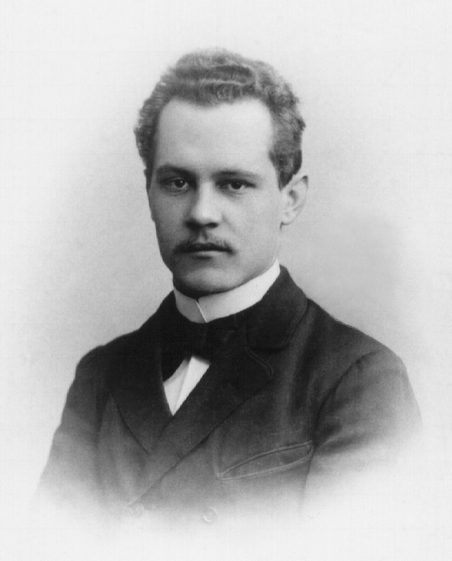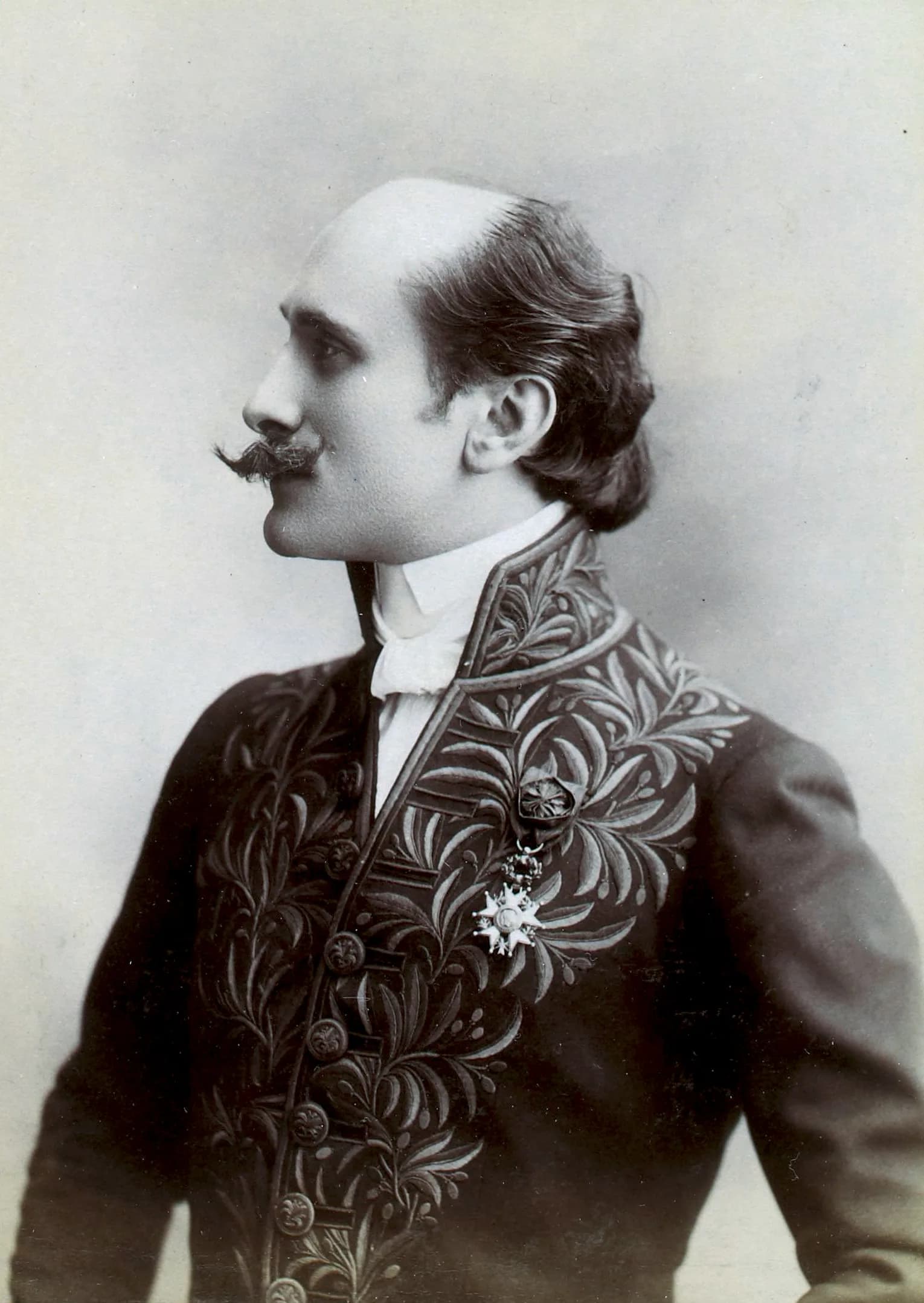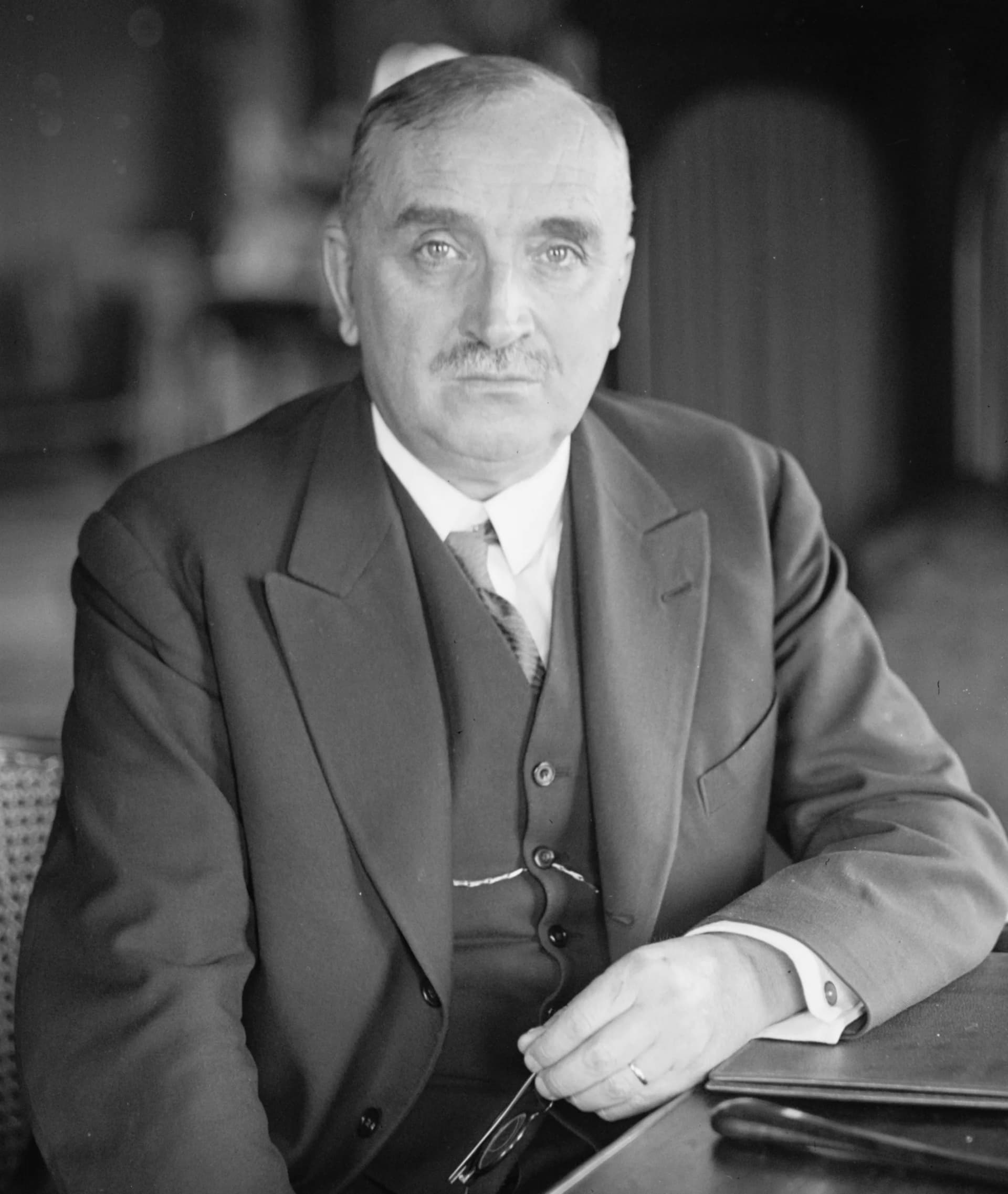
출생
July 12, 1868
Büdesheim, Germany
별세
December 4, 1933
Minusio, Switzerland
알려진 업적
German poet, editor, and translator
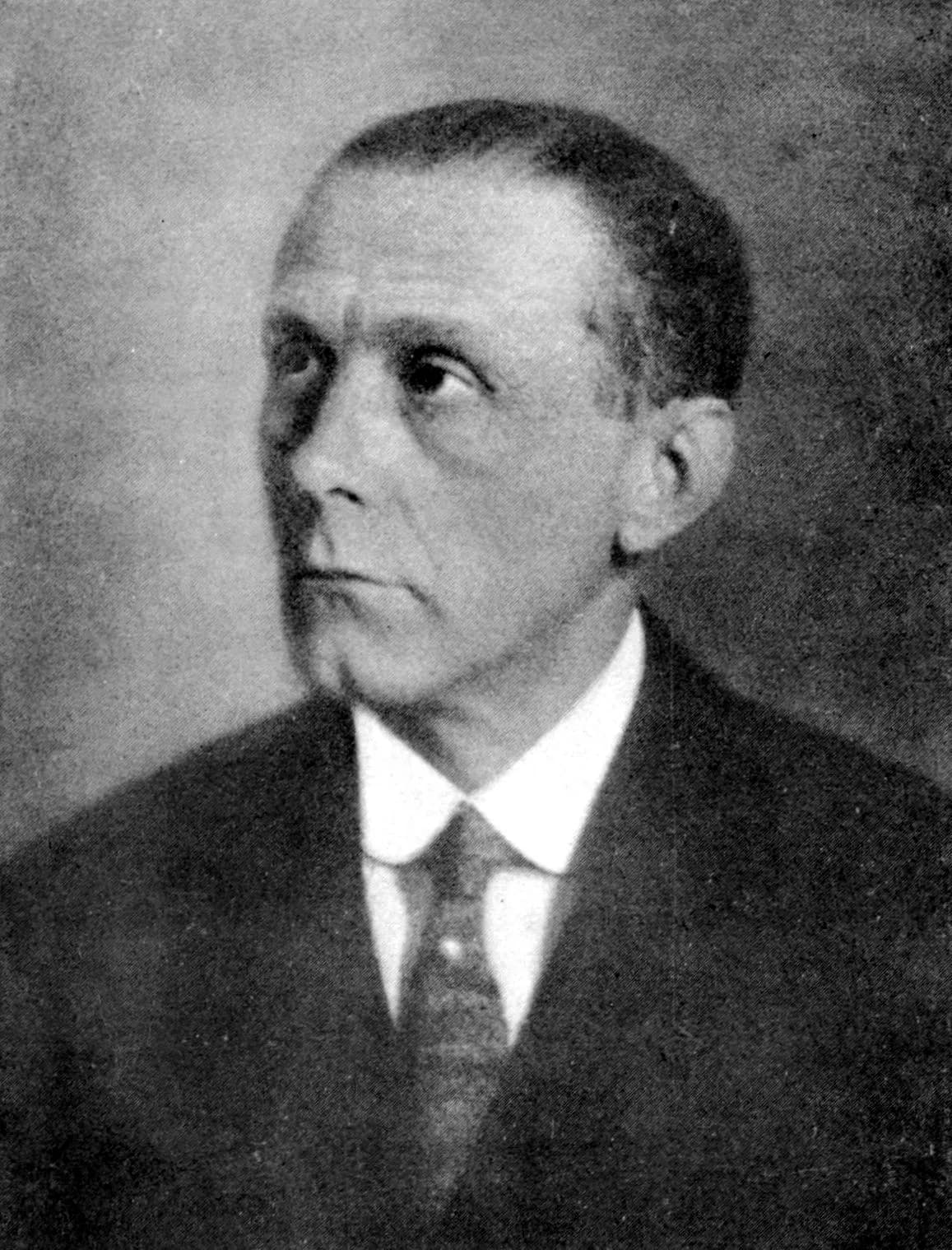
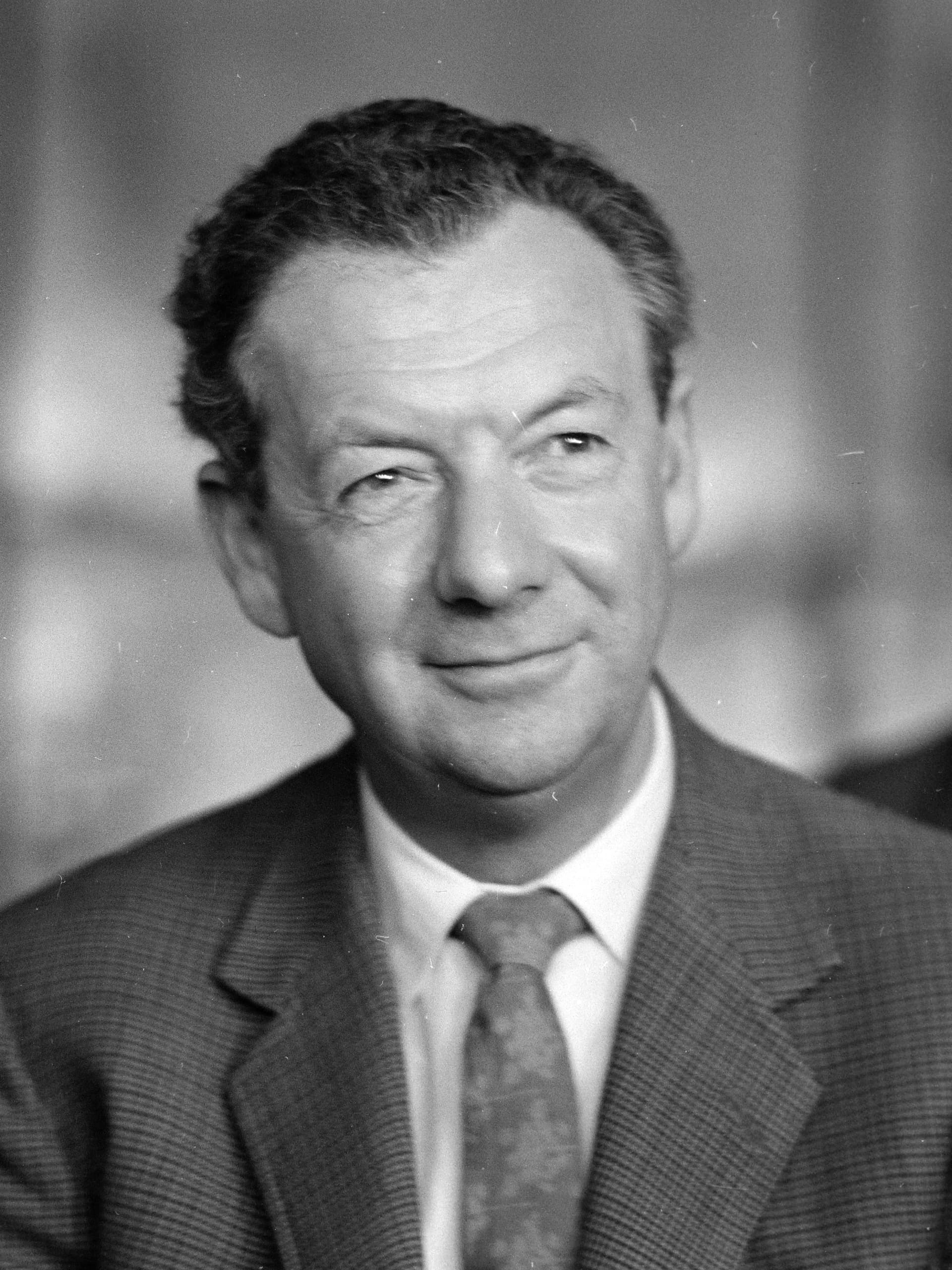
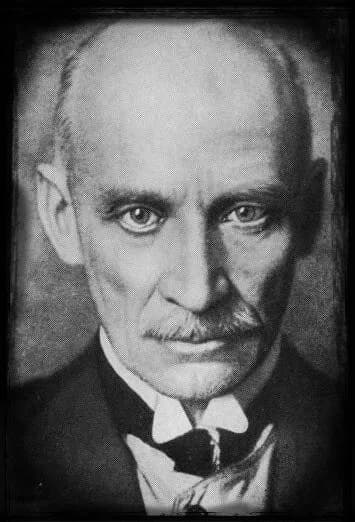
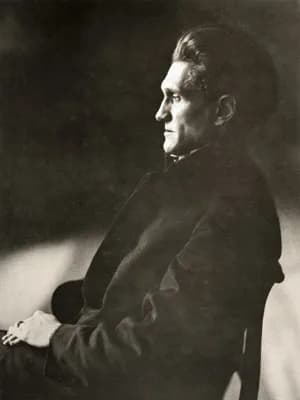
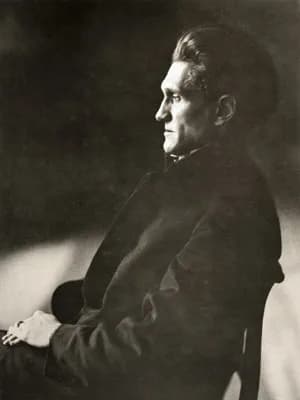
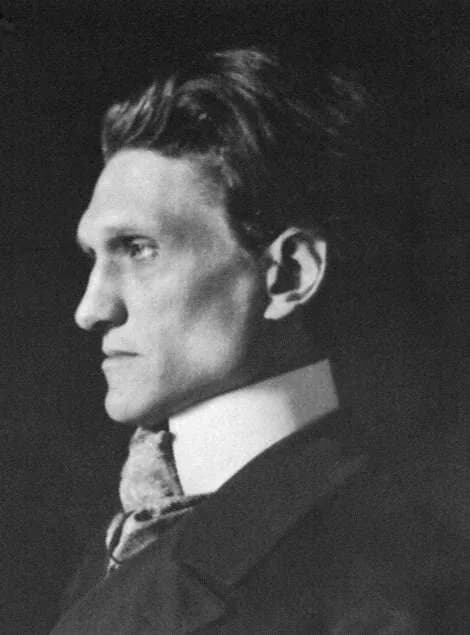
Stefan George (1868–1933) was Germany best known for German poet, editor, and translator.
Stefan George (July 12, 1868 – December 4, 1933) was a German symbolist poet and translator. He led the influential George-Kreis literary circle and founded Blätter für die Kunst, shaping German literature. His varied work as a writer, editor, and linguist left a lasting mark.
순간 속의 삶
한 삶을 빚어낸 순간들



챕터
삶의 챕터
챕터 1· 6장 중 1장
Early Life and Origins
Stefan George entered the world in Büdesheim, Germany, beginning a life that would soon be devoted to the written word. Details of his early family life and specific upbringing are not extensively documented in the provided information. However, his birthplace set the stage for a mind destined to explore the depths of language and art.
챕터 2· 6장 중 2장
Career Beginnings
George's career as a writer and poet began with a strong inclination towards symbolism, a movement emphasizing suggestion and indirect expression over direct statement. He was not only a creative force but also an organizing one, founding the literary magazine Blätter für die Kunst. This publication served as a vital platform for new literary voices and artistic ideals.
Through Blätter für die Kunst, Stefan George cultivated a specific aesthetic and intellectual environment. He used his position as an editor to guide and influence contemporary German poetry. This early work laid the groundwork for his later prominence as a literary leader and arbiter of taste.
챕터 3· 6장 중 3장
Major Achievements and Career Highlights
One of Stefan George's most significant achievements was the formation and leadership of the George-Kreis, an exceptionally influential literary circle. This group attracted some of the most gifted minds of his era, all dedicated to an artistic vision centered around George's poetic principles. The George-Kreis became a powerful force in German intellectual life.
As a German linguist and English–German translator, George dedicated himself to bridging cultural and linguistic divides. His work as a translator brought masterpieces of world literature to German readers, enriching their understanding. These efforts cemented his reputation as a polymath and a guardian of literary quality.
챕터 4· 6장 중 4장
Notable Works or Contributions
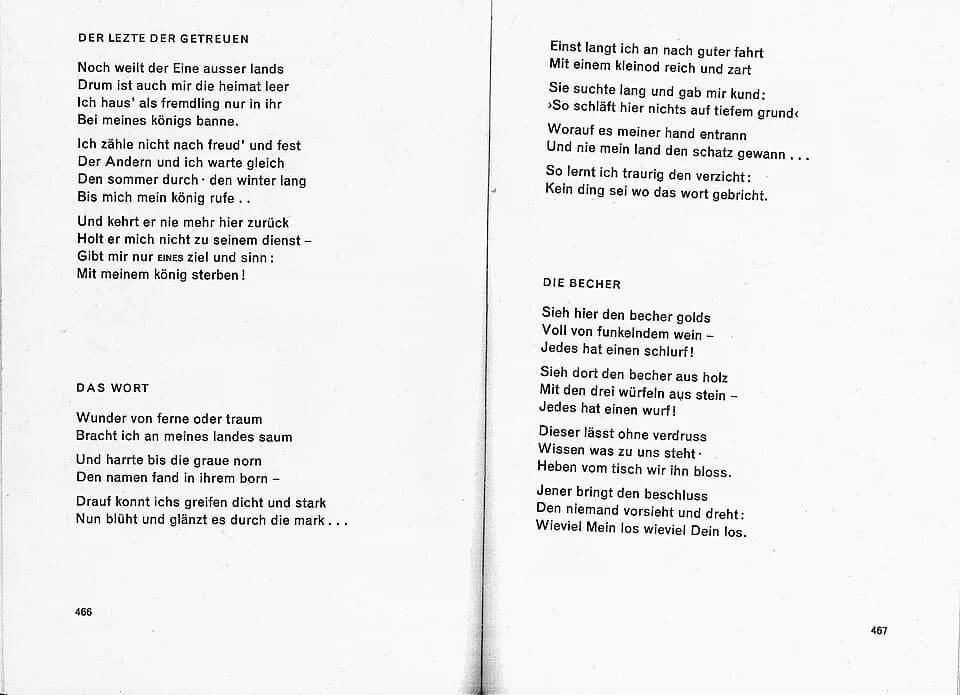
Stefan George's poetic output included several collections that are highly regarded for their formal beauty and thematic depth. Der Teppich des Lebens und Die Lieder von Traum und Tod Mit Einem Vorspiel stands out as a collection that exemplifies his symbolist style. Another key work, Der siebente ring, further showcased his mastery of verse and his distinctive voice.
His contributions extended beyond original poetry to include extensive and meticulous translations. He translated the challenging works of Dante Alighieri, making Dante Göttliche Komödie accessible to a new audience. Similarly, his work on Shakespeare. Sonnette offered German speakers a fresh perspective on the English bard's lyrical genius, alongside translations of Hesiod and Charles Baudelaire.
Other notable collections like Das Jahr Der Seele and Die bucher der hirten und preisgedichte enriched his bibliography, demonstrating a continuous output of high-quality literary work. His "Gesamtausgabe" and "Poems, Briefwechsel Und Übertragungen" also document the breadth of his creative and critical endeavors. His dedication to language made him an English–German translator of considerable skill.
챕터 5 · 1933· 6장 중 5장
Later Years
Stefan George continued his work as a poet, writer, and editor throughout his life, maintaining his influence in literary circles. His final years saw him residing in Minusio, Switzerland. He passed away there on December 4, 1933, leaving behind a body of work that would continue to inspire and provoke thought.
챕터 6· 6장 중 6장
Legacy and Impact
The legacy of Stefan George is deeply embedded in the history of German literature and symbolism. As a German symbolist poet, he offered a distinct aesthetic characterized by formality, mysticism, and an emphasis on art for art's sake. His precise and evocative language continues to draw readers.
His role as the leader of the George-Kreis and the founder of Blätter für die Kunst illustrates his significant organizational and editorial talents. These platforms allowed him to cultivate an entire generation of writers and thinkers. Stefan George's influence as a translator of figures such as Dante, Shakespeare, Hesiod, and Baudelaire also secured his place as a key cultural intermediary, expanding the literary horizons of his contemporaries and future generations.
FAQ
자주 묻는 질문
Stefan George은(는) 언제 사망했습니까?
Stefan George은(는) 1933년 12월 4일 Minusio, Switzerland에서 사망했습니다 (향년 65세).
Stefan George은(는) 어디에서 태어났습니까?
Stefan George은(는) Büdesheim, Germany에서 1868년 7월 12일에 태어났습니다.
Stefan George은(는) 무엇으로 가장 잘 알려져 있습니까?
Stefan George은(는) German poet, editor, and translator(으)로 가장 잘 알려져 있습니다.
Stefan George은(는) 사망 당시 몇 살이었습니까?
Stefan George은(는) 사망 당시 65세였습니다.
Stefan George의 국적은 무엇이었습니까?
Stefan George은(는) Germany 출신이었습니다.
연표
한눈에 보는 삶
- 1933
Later Years
사진 갤러리
사진으로 보는 삶
폴라로이드를 클릭하여 확대 · 사진 22장
QR 코드
이 전기 공유
인쇄 및 공유
스캔하여 이 전기 페이지를 방문하세요. 행사, 전시회, 교육 자료에 인쇄해 사용하실 수 있습니다.