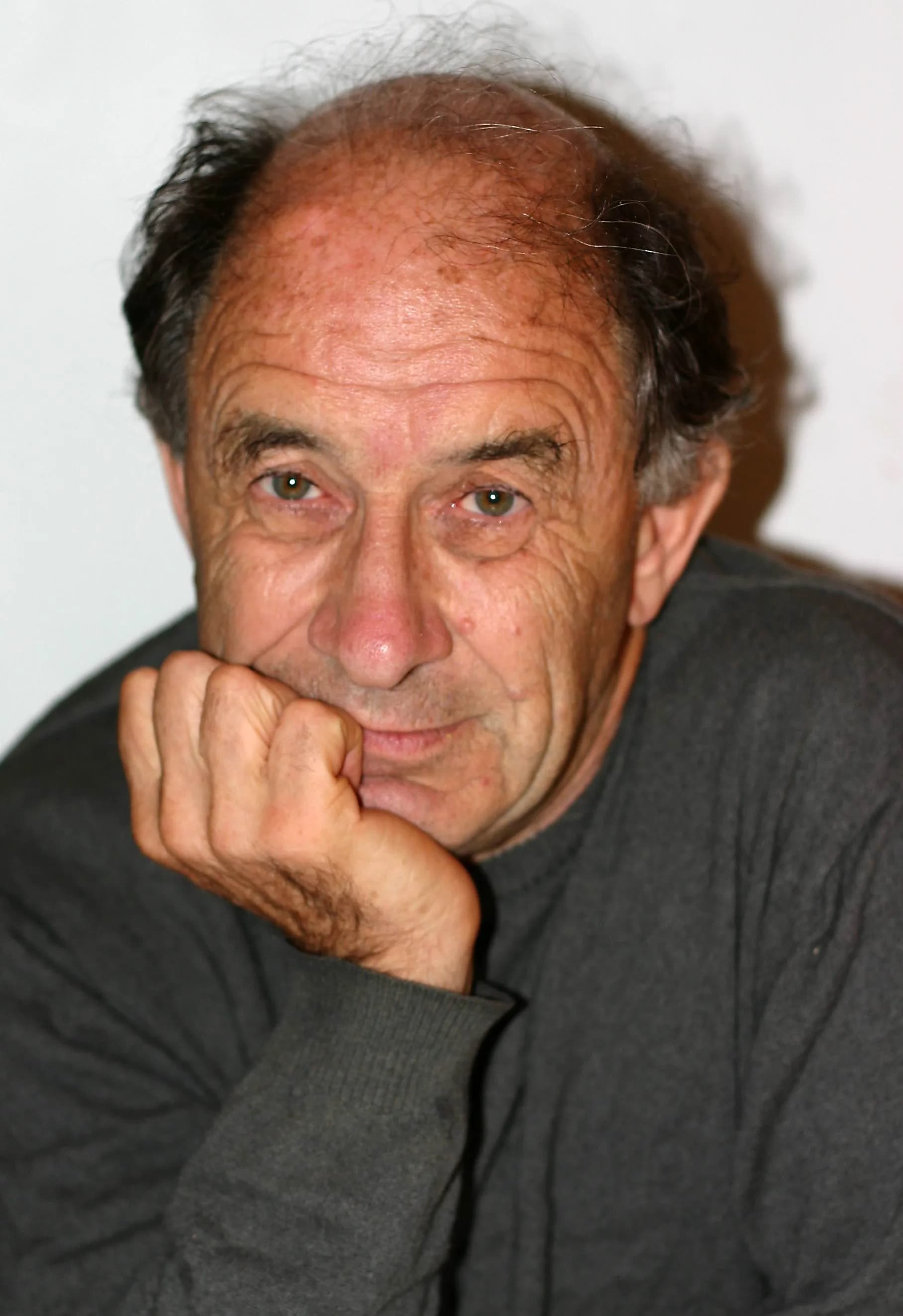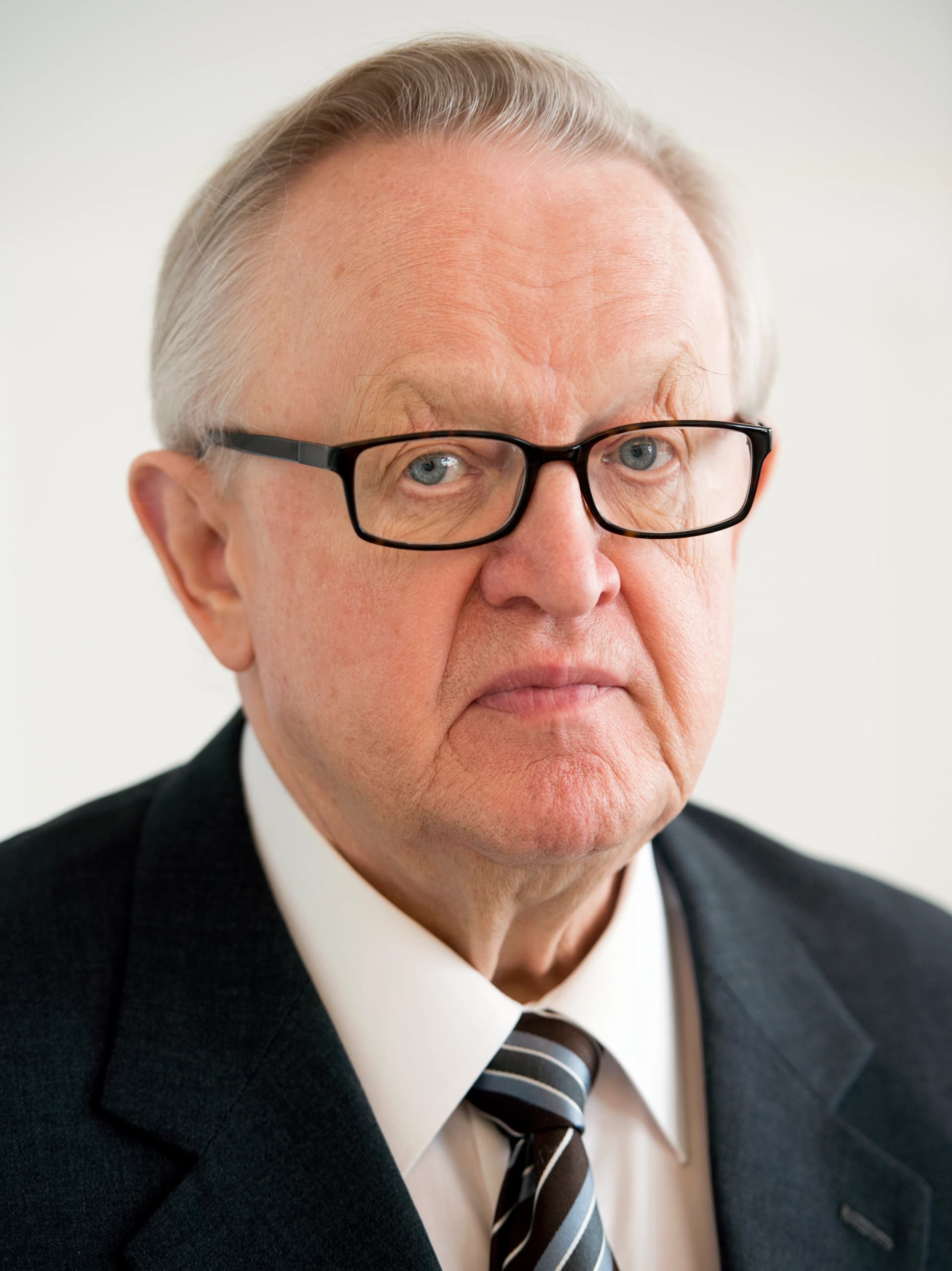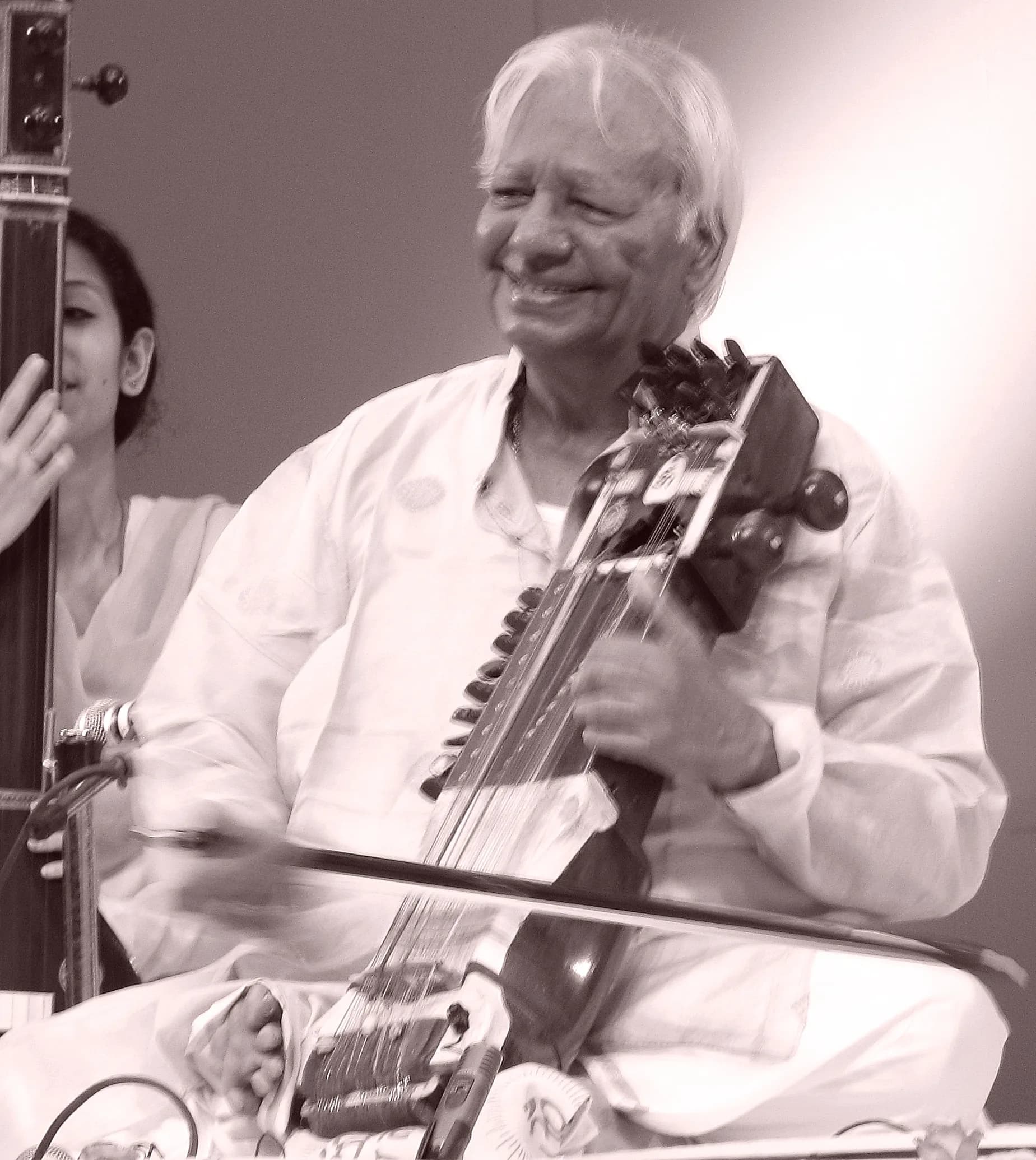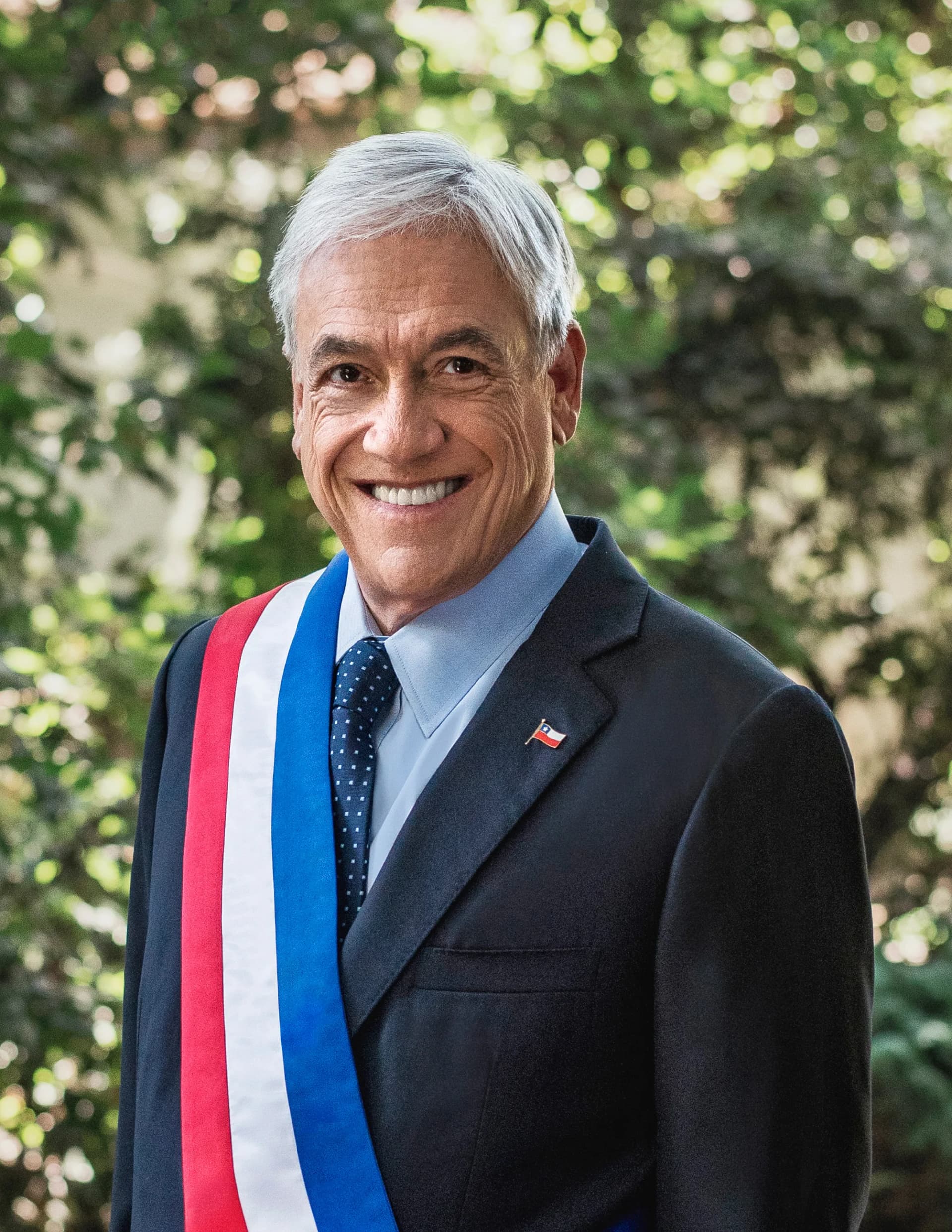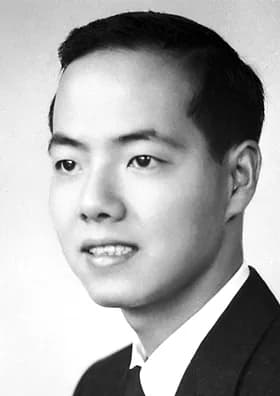
출생
June 11, 1937
Adelaide, Australia
별세
July 23, 2024
Perth, Australia
알려진 업적
Australian microbiologist and Nobel Laureate
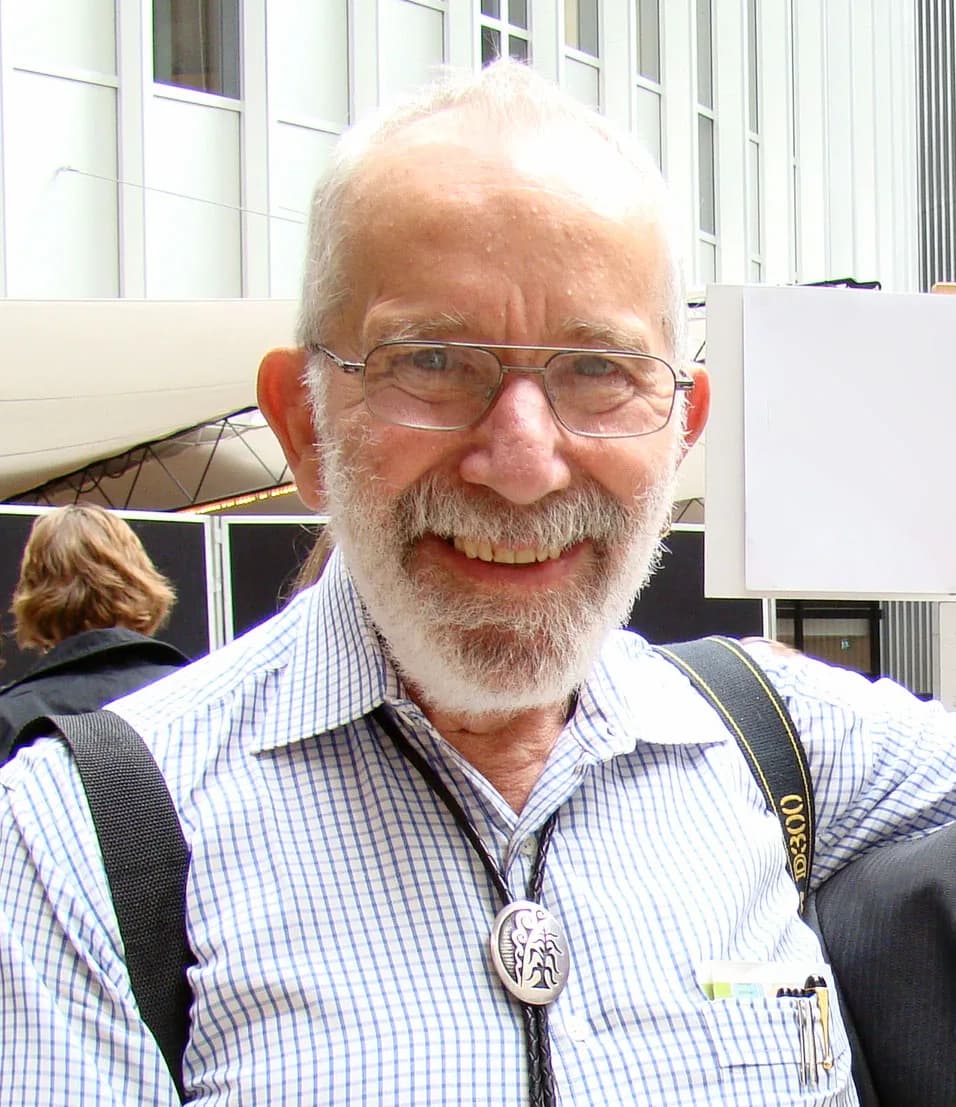
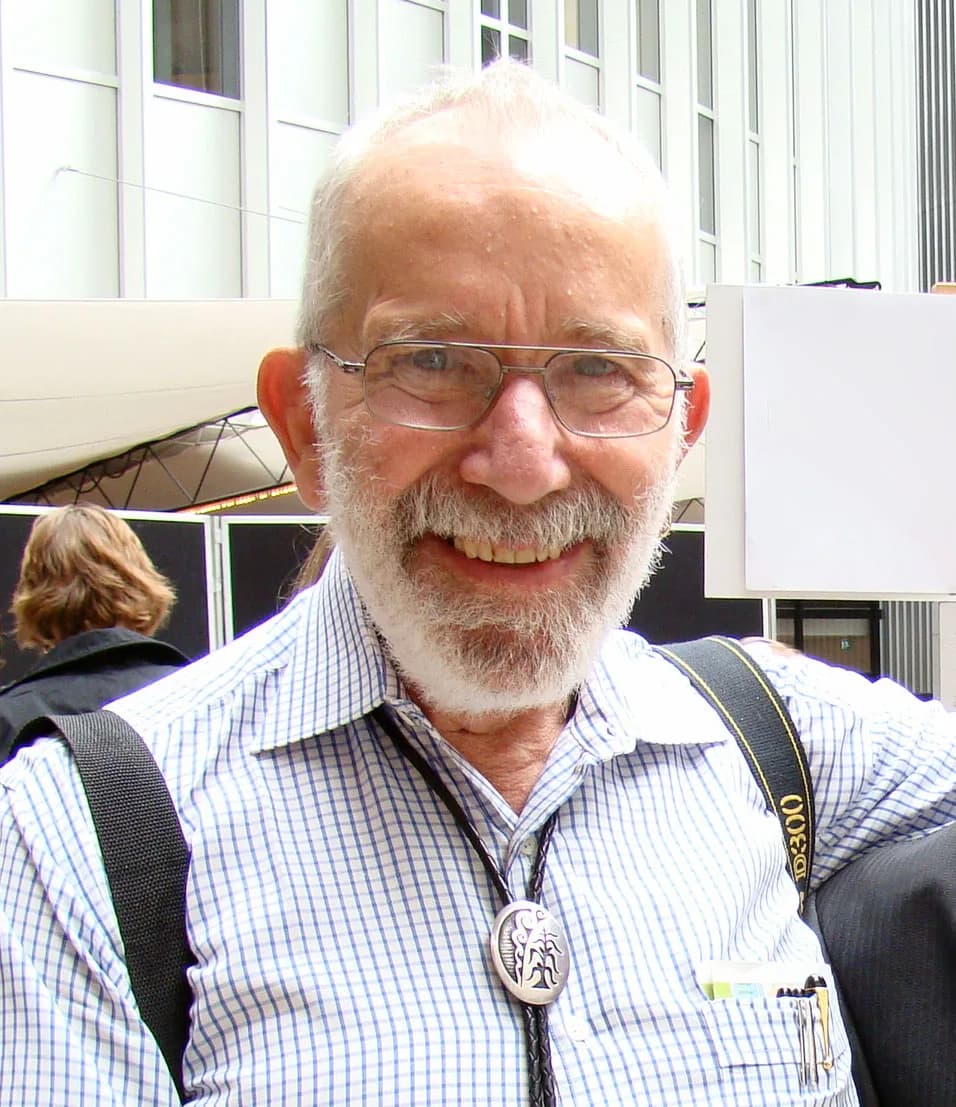
Robin Warren (1937–2024) was Australia best known for Australian microbiologist and Nobel Laureate.
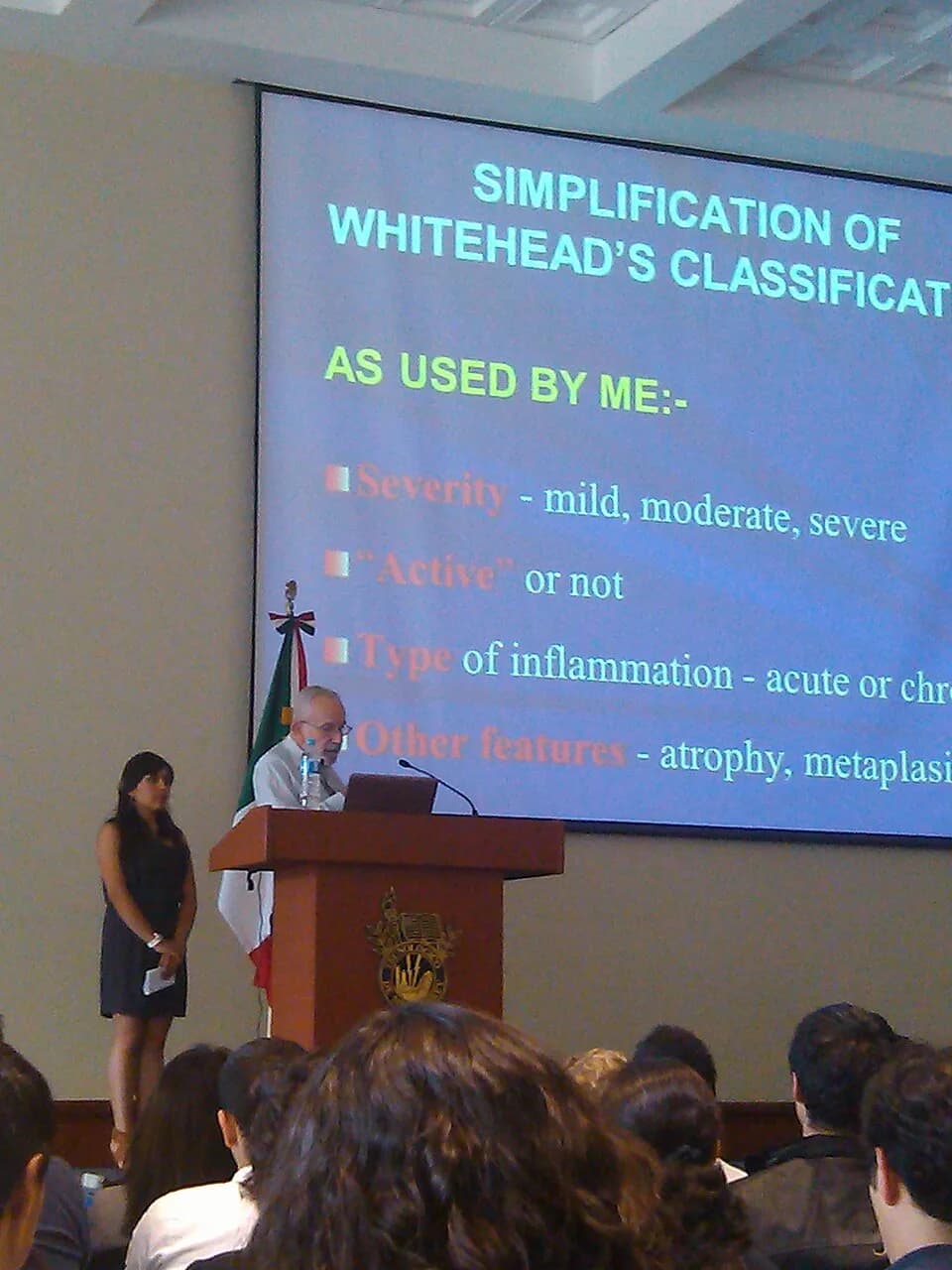
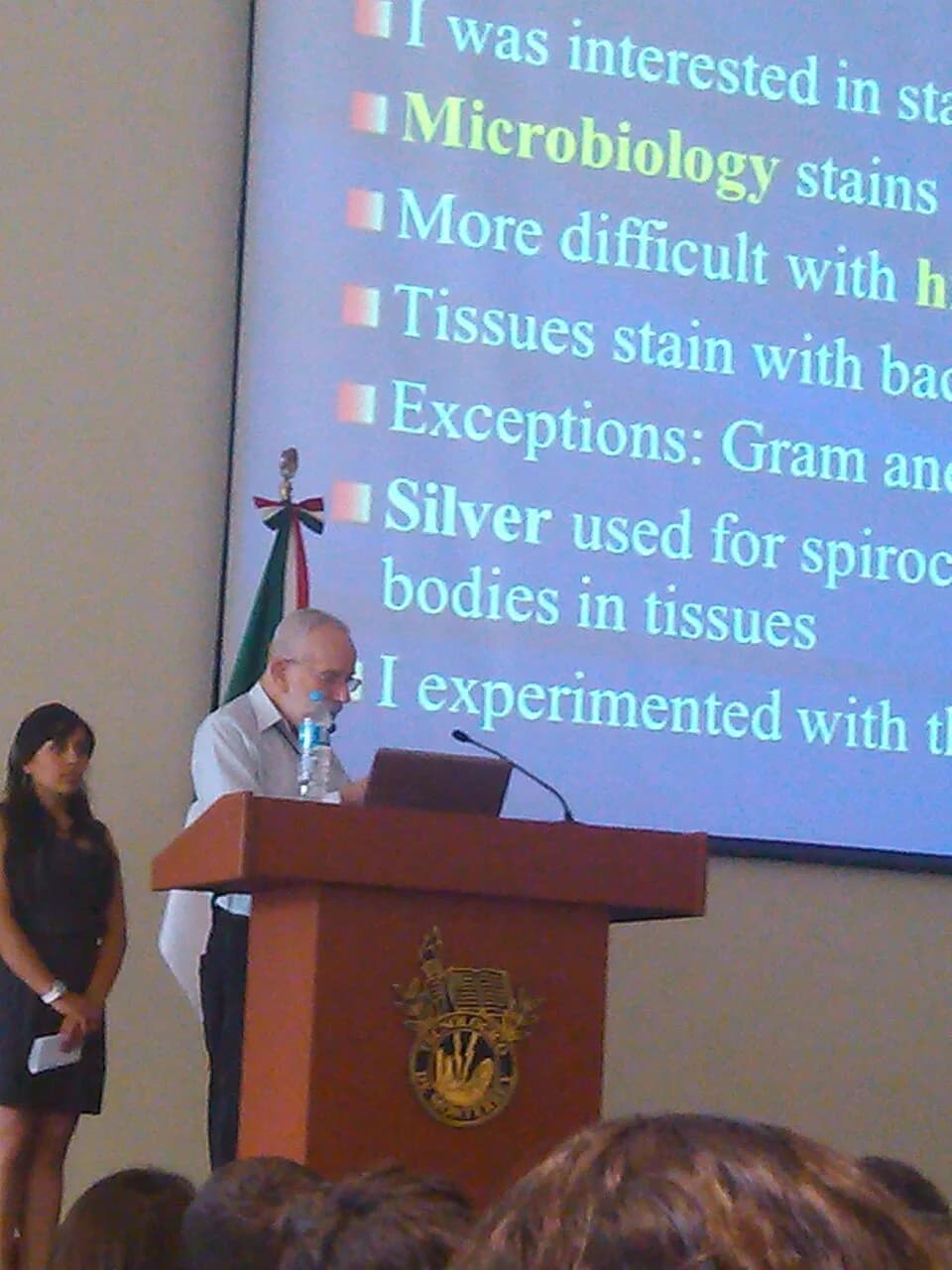
John Robin Warren (June 11, 1937 – July 23, 2024) was an Australian pathologist and microbiologist from Adelaide. He re-discovered *Helicobacter pylori* in 1979, proving with Barry Marshall that it causes peptic ulcers. His Nobel-winning work revolutionized gastrointestinal medicine.
순간 속의 삶
한 삶을 빚어낸 순간들

챕터
삶의 챕터
챕터 1 · 1937· 7장 중 1장
An Enduring Legacy in Medicine
John Robin Warren (June 11, 1937 – July 23, 2024) was an esteemed Australian pathologist, microbiologist, and Nobel laureate whose pioneering work fundamentally reshaped the understanding and treatment of gastrointestinal diseases. His dedication as a physician, university teacher, and researcher led to a discovery that alleviated suffering for millions worldwide. Robin Warren's life was marked by a relentless pursuit of scientific truth, culminating in one of the most significant medical advancements of the late 20th century.
He is most prominently remembered for his groundbreaking re-discovery of the bacterium *Helicobacter pylori* and, in collaboration with Barry Marshall, definitively proving its causative role in peptic ulcers. This profound insight challenged decades of medical dogma, demonstrating that a chronic, debilitating condition previously attributed to stress and diet was, in fact, an infectious disease. For this revolutionary work, Robin Warren was jointly awarded the Nobel Prize in Physiology or Medicine in 2005.
챕터 2 · 1937· 7장 중 2장
Early Life and Origins
John Robin Warren was born on June 11, 1937, in Adelaide, Australia, a city that provided the foundation for his distinguished scientific career. His upbringing in Australia instilled in him a curiosity for the natural world and a commitment to meticulous observation. From an early age, Robin Warren demonstrated an intellect suited for complex scientific inquiry, which would later define his professional path.
His early education prepared him for a life in medicine and research, laying the groundwork for his future contributions. The precise details of his early family life are not provided, but his birthplace, Adelaide, firmly links him to his Australian roots. This background undoubtedly fostered the environment in which his remarkable talents could flourish and lead to significant discoveries.
챕터 3· 7장 중 3장
Career Beginnings
Robin Warren embarked on a diverse and impactful career path, initially serving as a physician dedicated to patient care. His professional journey saw him transition into roles as a university teacher, sharing his knowledge and inspiring future generations of medical professionals. This early experience in academia and clinical practice provided a comprehensive understanding of both theoretical medicine and its practical application.
He further specialized as a researcher, pathologist, and microbiologist, delving into the microscopic world to uncover the origins of disease. It was during these foundational years, in the field of pathology, that Robin Warren began to cultivate the keen observational skills essential for his later, world-changing discovery. His dedication to understanding disease mechanisms characterized these formative stages of his career.
챕터 4 · 1979· 7장 중 4장
Major Achievements and Career Highlights
The zenith of Robin Warren's career arrived with his 1979 re-discovery of the bacterium *Helicobacter pylori* in the gastric mucosa of patients. This crucial observation, initially met with skepticism, marked a turning point in medical history. He meticulously documented the presence of these spiral-shaped bacteria, setting the stage for further investigation into their significance in human health.
Working alongside Barry Marshall, Robin Warren rigorously pursued the hypothesis that *Helicobacter pylori* was responsible for gastritis and peptic ulcer disease. Their groundbreaking collaborative research provided irrefutable evidence, demonstrating that this bacterium was indeed the primary cause of most peptic ulcers. This paradigm-shifting discovery challenged prevailing medical theories that attributed ulcers primarily to stress and diet, forever altering diagnosis and treatment protocols.
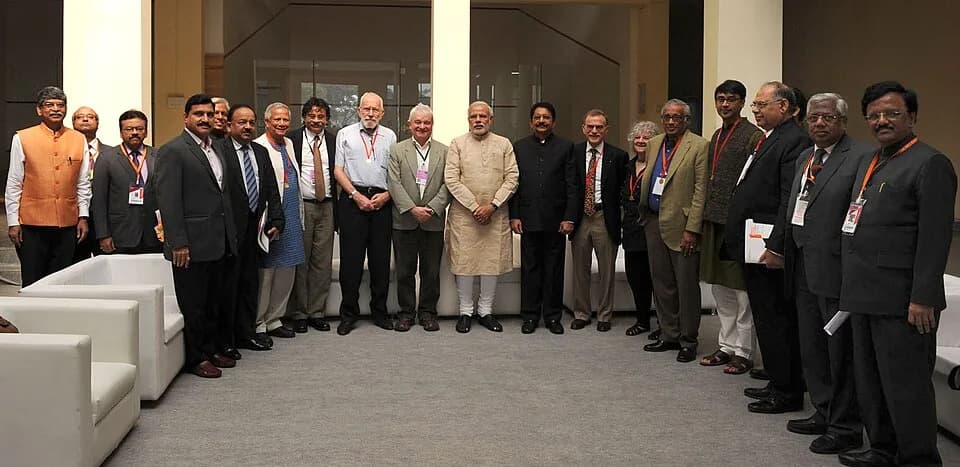
The global recognition for their work culminated in 2005 when John Robin Warren and Barry Marshall were jointly awarded the Nobel Prize in Physiology or Medicine. The Nobel Committee specifically cited their discovery of *Helicobacter pylori* and its pivotal role in gastritis and peptic ulcer disease. This prestigious award acknowledged the profound impact their findings had on millions of lives worldwide, transforming a chronic ailment into a curable condition through antibiotic therapy.
챕터 5· 7장 중 5장
Notable Works or Contributions
Robin Warren's most significant contribution lies in his identification of *Helicobacter pylori* as a pathogen and his subsequent collaborative work proving its causal link to gastric diseases. Before his findings, peptic ulcers were largely managed through diet, antacids, and sometimes surgery, often resulting in recurrence and prolonged suffering. His work offered a definitive biological explanation, leading to a targeted and effective cure.
The evidence presented by Warren and Marshall established a new understanding of an extremely common and debilitating condition. Their efforts effectively transformed the treatment landscape for gastritis and peptic ulcers, shifting it from symptomatic management to curative antibiotic regimens. This intellectual leap saved countless individuals from recurrent pain, hemorrhage, and the potential for gastric cancer, directly impacting public health on a global scale.
챕터 6 · 2005· 7장 중 6장
Later Years
Even after receiving the Nobel Prize in 2005, Robin Warren's legacy continued to resonate throughout the medical community. His contributions remained a cornerstone of gastroenterology and microbiology, influencing research and clinical practice worldwide. He observed the widespread adoption of *Helicobacter pylori* eradication therapies, witnessing the direct positive impact of his life's work on patient outcomes.
John Robin Warren passed away on July 23, 2024, in Perth, Australia, leaving behind a profound scientific heritage. His final years likely saw him reflect on a career that redefined an entire field of medicine, providing hope and healing where there was once only chronic illness. His enduring presence in the scientific community cemented his status as a true pioneer.
챕터 7· 7장 중 7장
Legacy and Impact
The legacy of John Robin Warren is one of scientific rigor, perseverance, and profound humanitarian impact. His identification of *Helicobacter pylori* transformed a once-mysterious and debilitating condition into a treatable bacterial infection. This shift not only revolutionized treatment for gastritis and peptic ulcers but also opened new avenues for understanding other gastrointestinal disorders and even some forms of stomach cancer.
Robin Warren's work with Barry Marshall stands as a powerful testament to the importance of challenging established dogmas through careful observation and empirical evidence. Their discovery is a cornerstone of modern medicine, influencing diagnostic protocols and therapeutic guidelines globally. He leaves behind an enduring legacy as a visionary microbiologist whose insights continue to save lives and improve the quality of life for millions.
FAQ
자주 묻는 질문
Robin Warren은(는) 언제 사망했습니까?
Robin Warren은(는) 2024년 7월 23일 Perth, Australia에서 사망했습니다 (향년 87세).
Robin Warren은(는) 어디에서 태어났습니까?
Robin Warren은(는) Adelaide, Australia에서 1937년 6월 11일에 태어났습니다.
Robin Warren은(는) 무엇으로 가장 잘 알려져 있습니까?
Robin Warren은(는) Australian microbiologist and Nobel Laureate(으)로 가장 잘 알려져 있습니다.
Robin Warren은(는) 사망 당시 몇 살이었습니까?
Robin Warren은(는) 사망 당시 87세였습니다.
Robin Warren의 국적은 무엇이었습니까?
Robin Warren은(는) Australia 출신이었습니다.
연표
한눈에 보는 삶
사진 갤러리
사진으로 보는 삶
폴라로이드를 클릭하여 확대 · 사진 22장
QR 코드
이 전기 공유
인쇄 및 공유
스캔하여 이 전기 페이지를 방문하세요. 행사, 전시회, 교육 자료에 인쇄해 사용하실 수 있습니다.