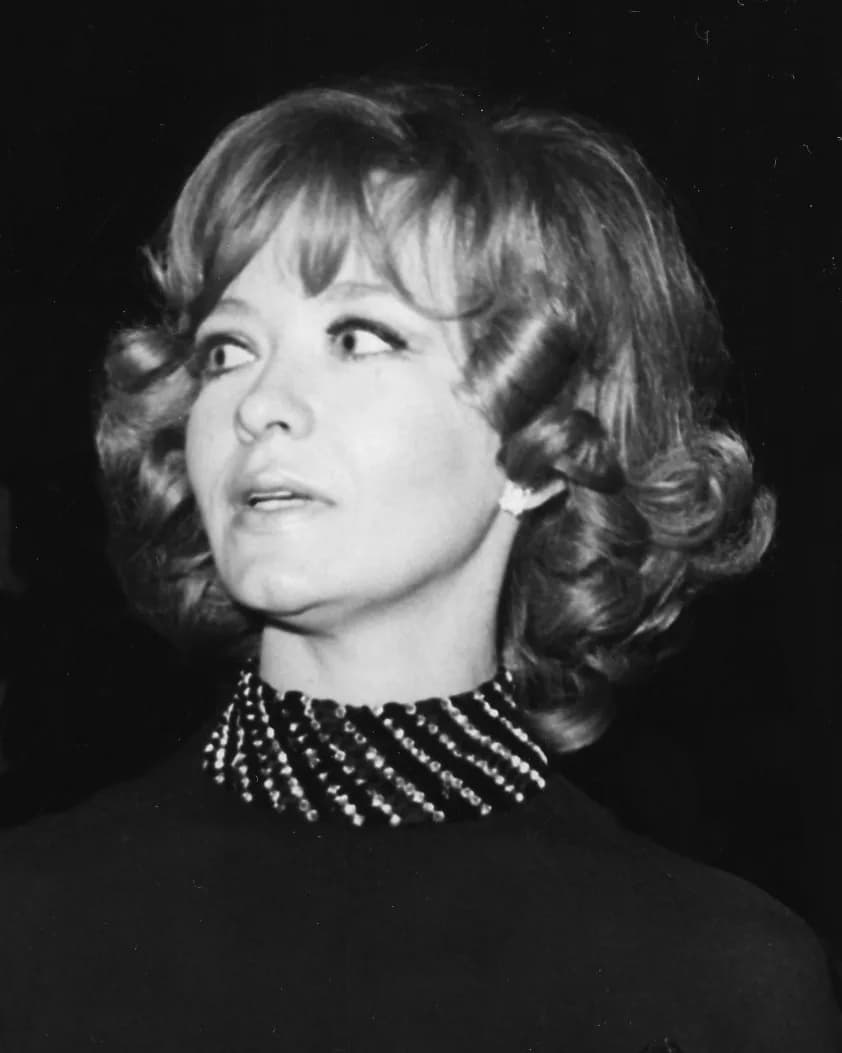
출생
July 27, 1940
Solingen, Germany
별세
June 30, 2009
Wuppertal, Germany
알려진 업적
German dancer, choreographer, dance teacher and ballet director
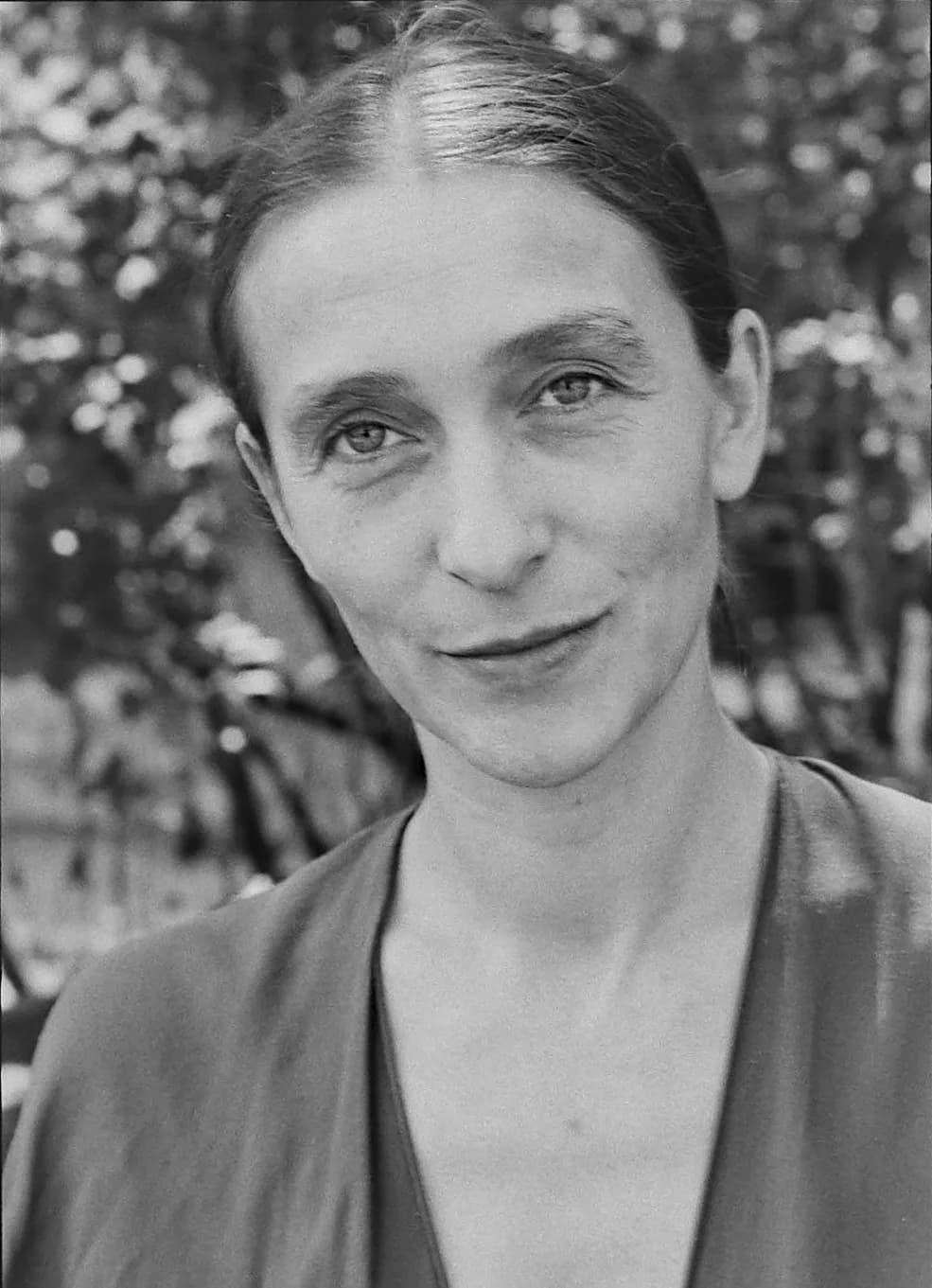
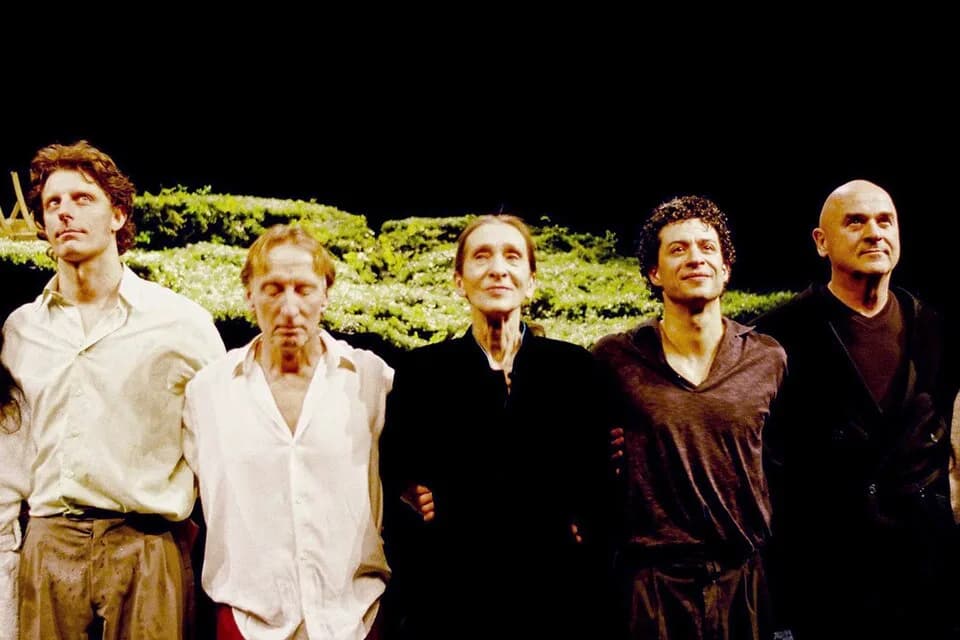
Pina Bausch (1940–2009) was Germany best known for German dancer, choreographer, dance teacher and ballet director.
Pina Bausch (July 27, 1940 – June 30, 2009) was a German dancer, choreographer, and ballet director from Solingen, Germany. She was a key contributor to Tanztheater, a neo-expressionist dance tradition. Her innovative work blended dance, sound, and stage design, influencing modern dance for decades.
순간 속의 삶
한 삶을 빚어낸 순간들




챕터
삶의 챕터
챕터 1 · 1940· 7장 중 1장
Early Life and Origins
Philippine Bausch entered the world in Solingen, Germany, in 1940, a period of global upheaval. While specific details of her early family life are not extensively provided in public summaries, her German origins undoubtedly influenced her artistic perspective. Her formative years in Solingen likely provided the initial environment for her budding interest in movement and performance, laying the groundwork for a distinguished career.
챕터 2· 7장 중 2장
Career Beginnings
Pina Bausch’s professional journey in dance began with rigorous training that cultivated her into a skilled ballet dancer. This foundational work in classical ballet was instrumental, providing her with the technical discipline to later innovate and deconstruct traditional forms. Her early experiences as a ballet dancer were crucial for developing the precise yet expressive choreographic voice that would define her later artistic endeavors.
She steadily transitioned from dancer to choreographer, exploring new ways to convey narratives and emotions through movement. This evolution marked the genesis of her unique approach, moving beyond the confines of classical technique. Her early work laid the groundwork for the radical changes she would bring to the dance world.
챕터 3· 7장 중 3장
Major Achievements and Career Highlights
Pina Bausch rose to international prominence as a choreographer and ballet director, ultimately establishing her own immensely influential company, the Tanztheater Wuppertal. This ensemble became the primary vehicle for her artistic vision, performing her groundbreaking works on stages around the globe. The company’s international tours solidified her reputation as a formidable force in contemporary dance.
Her distinctive approach was noted for a stylized blend of vigorous dance movement, prominent and often experimental sound design, and intricately involved stage sets. Bausch's methodology also innovatively engaged the dancers themselves, involving them deeply in the development of each piece through collaborative exploration. This collaborative process fostered a unique connection between the performers and the artistic material, contributing to the authenticity and depth of her productions.
Bausch’s pioneering work in Tanztheater created a new genre, drawing widespread critical acclaim and significantly influencing modern dance from the 1970s onward. She skillfully integrated elements of theatre, dance, and everyday gesture, forging a compelling and emotionally resonant artistic language. Beyond her roles as a dancer and choreographer, her diverse professions also included screenwriter, ballet master, university teacher, and film director, showcasing her multifaceted talents.
챕터 4· 7장 중 4장
Personal Life
While Pina Bausch's public persona was intrinsically linked to her groundbreaking artistic work, details about her personal life and relationships are not extensively shared in public records. Her profound artistic creations often explored universal human experiences, such as love, loss, and vulnerability, reflecting a deep engagement with the human condition. Despite the intensely personal nature of her art, she maintained a relatively private personal life, allowing her work to speak for itself.
챕터 5· 7장 중 5장
Notable Works or Contributions
Pina Bausch’s creative output included a vast repertory of acclaimed stage productions that pushed the boundaries of contemporary dance. Iconic works such as "Café Müller" and "Kontakthof" became celebrated hallmarks of her company’s performances, embodying her distinctive blend of theatricality and raw emotion. These productions often explored intricate human interactions and societal structures through sequences that were both highly stylized and deeply moving.
Her artistic vision extended beyond the proscenium stage, making a significant impact in the realm of cinema. Bausch’s choreography and unique presence were featured in Federico Fellini's "And the Ship Sails On" in 1984, bringing her avant-garde aesthetic to a broader film audience. She also made a notable appearance in Pedro Almodóvar's acclaimed film "Talk to Her" in 2002, where her "Café Müller" was prominently featured, further cementing her influence across different artistic mediums.
Beyond her celebrated stage and film appearances, Pina Bausch's work and thoughts were documented in various publications. These included "O-Ton Pina Bausch," likely a collection of her spoken words or interviews, and "Elef teshaʻ meʼot u-shemonim," which signifies another specific period or work. Her innovative approach to casting was highlighted in works like "Kontakthof, avec des dames et messieurs au-dessus de 65 ans + DVD (quadri-langues) (Danse) (French Edition)," which famously involved dancers over 65 years of age, demonstrating her commitment to exploring universal themes through diverse perspectives.
Her enduring artistic legacy was further honored and preserved through cinematic tributes after her death. The documentary "Dancing Dreams" (2010) captured her artistic process and influence, while Wim Wenders’ critically acclaimed 3D documentary "Pina" (2011) offered a stunning visual homage to her work and vision. These films provided invaluable insight into her creative world for audiences worldwide.
챕터 6 · 2009· 7장 중 6장
Later Years
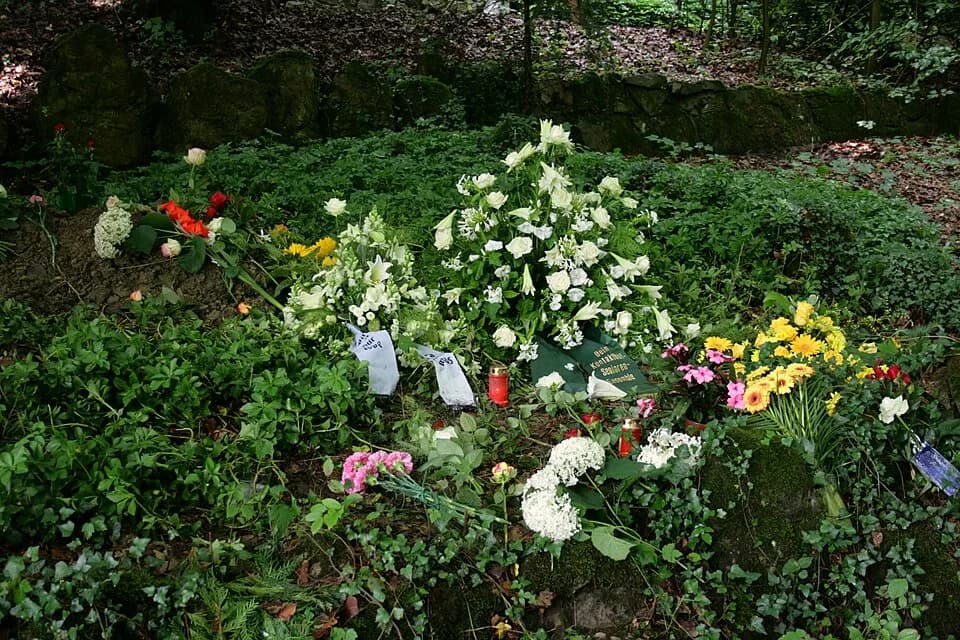
Pina Bausch remained an active and vibrant force in the dance world throughout her later years, continuously creating and leading the Tanztheater Wuppertal. Her dedication to her artistic vision never wavered, as she consistently produced challenging and emotionally resonant works until the end of her life. Her sudden passing on June 30, 2009, in Wuppertal, Germany, marked a profound loss for the international arts community.
챕터 7· 7장 중 7장
Legacy and Impact
The legacy of Pina Bausch is truly expansive, as she fundamentally reshaped the course of modern dance and theater. Her pioneering Tanztheater redefined the relationship between movement, emotion, and theatrical presentation, making significant demands on both performers and audiences. She firmly established dance as a powerful vehicle for deep psychological exploration and incisive social commentary, transcending purely aesthetic considerations.
Bausch’s revolutionary method of engaging dancers as co-creators in the development of a piece fostered a profoundly collaborative and personal approach to choreography. This practice, coupled with her distinctively innovative use of evocative sound design and elaborate, often surreal stage settings, created an incredibly rich and immersive experience for viewers. Her influence continues to resonate across generations of dancers, choreographers, and theater makers globally, ensuring that her innovative spirit and artistic principles endure as cornerstones of contemporary performance.
FAQ
자주 묻는 질문
Pina Bausch은(는) 언제 사망했습니까?
Pina Bausch은(는) 2009년 6월 30일 Wuppertal, Germany에서 사망했습니다 (향년 68세).
Pina Bausch은(는) 어디에서 태어났습니까?
Pina Bausch은(는) Solingen, Germany에서 1940년 7월 27일에 태어났습니다.
Pina Bausch은(는) 무엇으로 가장 잘 알려져 있습니까?
Pina Bausch은(는) German dancer, choreographer, dance teacher and ballet director(으)로 가장 잘 알려져 있습니다.
Pina Bausch은(는) 사망 당시 몇 살이었습니까?
Pina Bausch은(는) 사망 당시 68세였습니다.
Pina Bausch의 국적은 무엇이었습니까?
Pina Bausch은(는) Germany 출신이었습니다.
연표
한눈에 보는 삶
사진 갤러리
사진으로 보는 삶
폴라로이드를 클릭하여 확대 · 사진 25장
QR 코드
이 전기 공유
인쇄 및 공유
스캔하여 이 전기 페이지를 방문하세요. 행사, 전시회, 교육 자료에 인쇄해 사용하실 수 있습니다.