출생
May 3, 1919
New York City, United States
별세
January 27, 2014
Manhattan, United States
알려진 업적
American folk singer
Pete Seeger (1919–2014) was United States best known for American folk singer.
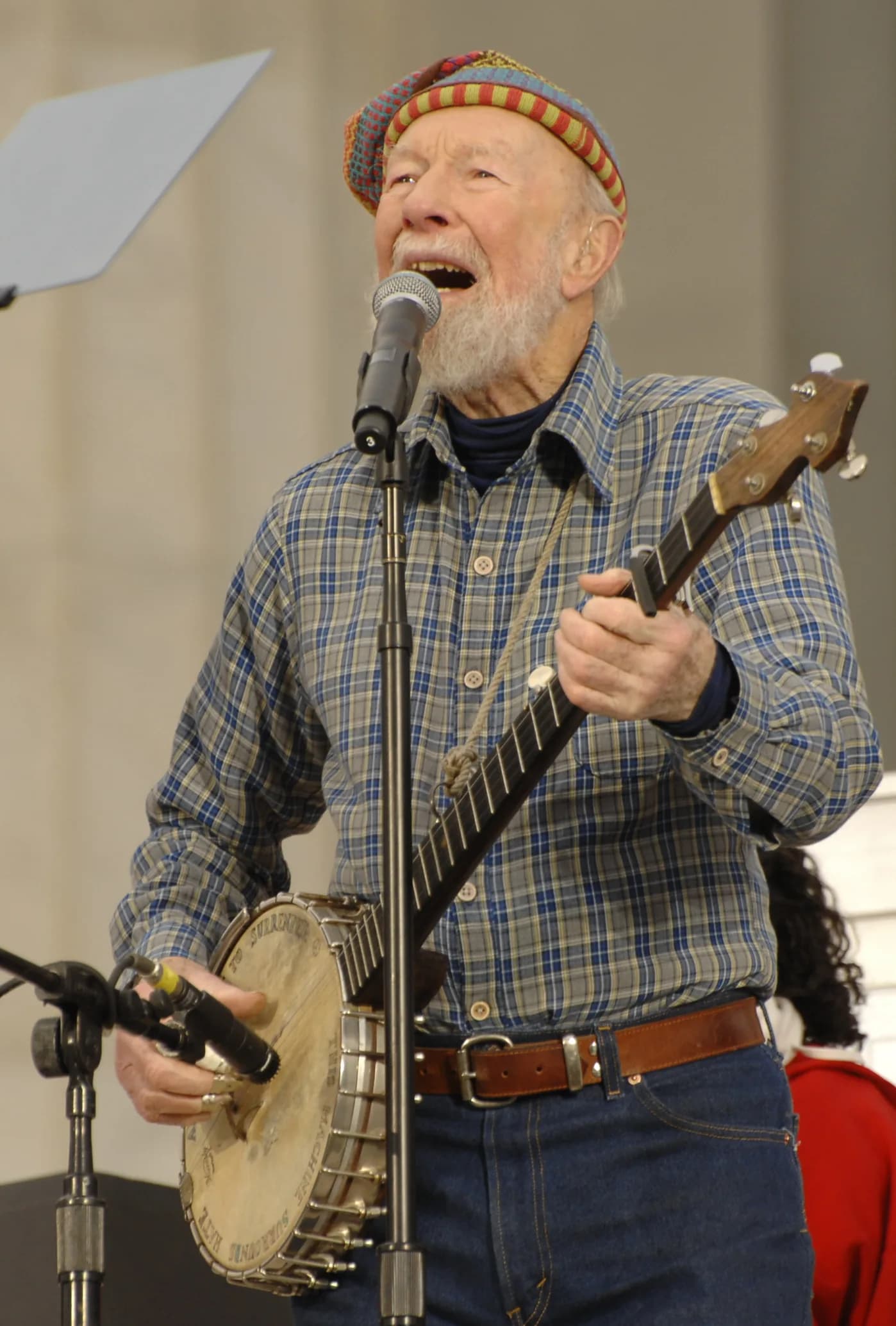
Pete Seeger (May 3, 1919 – January 27, 2014) was an American folk singer and social activist from New York City. He was a fixture on radio in the 1940s and a member of The Weavers, whose "Goodnight, Irene" topped charts. Seeger's music empowered movements for civil rights, peace, and environmental causes.
챕터
삶의 챕터
챕터 1 · 1919· 7장 중 1장
Opening
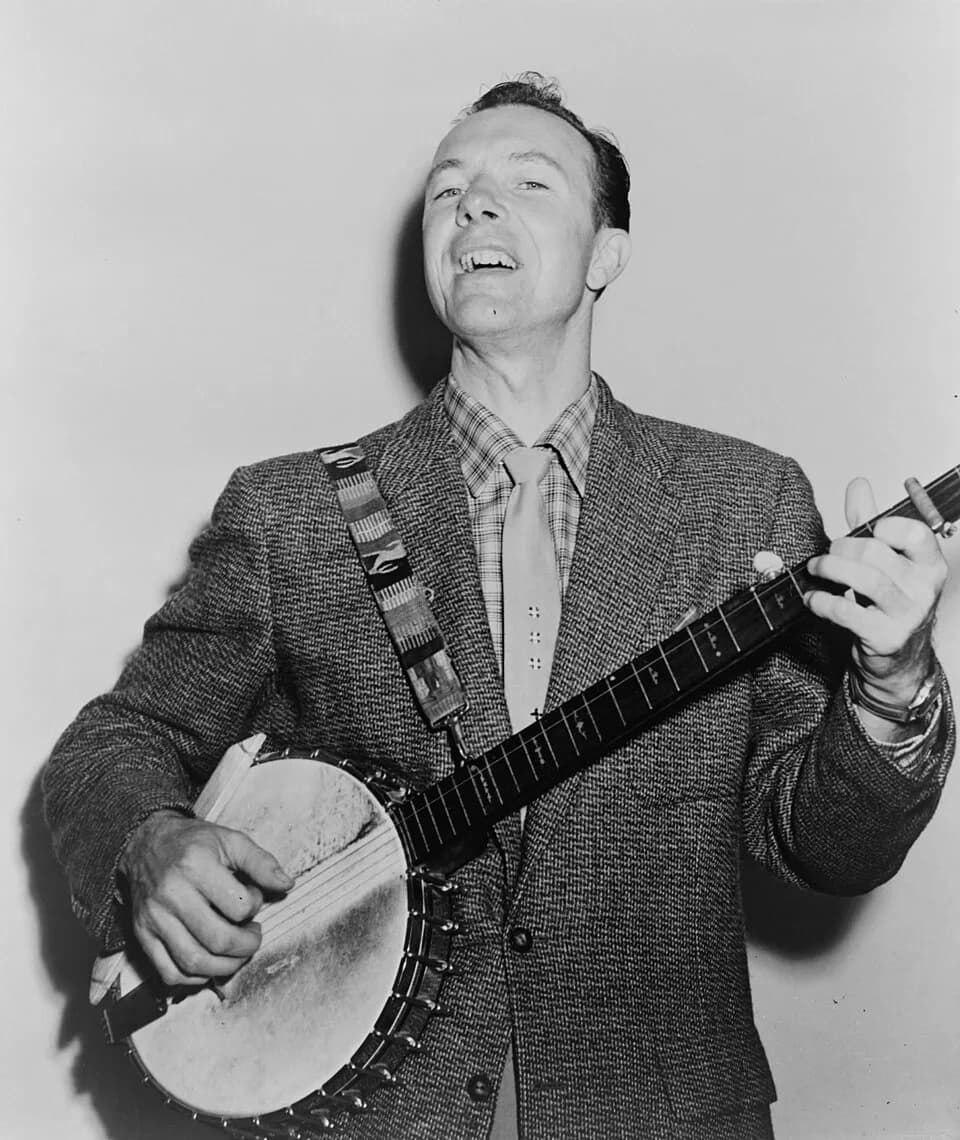
Pete Seeger, a celebrated American folk singer, songwriter, and social activist, was born on May 3, 1919, and passed away on January 27, 2014. Throughout his remarkable life, which spanned nearly a century, he dedicated himself to using music as a powerful instrument for social justice and cultural education. As a skilled guitarist, composer, singer-songwriter, banjoist, and recording artist, Seeger not only entertained but also inspired movements for peace, civil rights, and environmental protection.
챕터 2 · 1919· 7장 중 2장
Early Life and Origins
Peter Seeger came into the world on May 3, 1919, in New York City, United States. His formative years were spent immersed in an environment rich with musical and intellectual pursuits, thanks to his family's deep roots in education and folk traditions. This upbringing significantly shaped his early perspective, instilling in him a lifelong appreciation for the power of song and community engagement.
챕터 3· 7장 중 3장
Career Beginnings
Seeger’s passion for music manifested early as he began mastering various instruments, including the guitar, banjo, and mandolin. He was also a street artist and developed into a dedicated musicologist, actively involved in researching, preserving, and performing traditional American folk songs. These early endeavors solidified his reputation as a committed folk musician and set the stage for his impactful career.
Before achieving wider fame, Seeger's commitment to workers' rights saw him contribute to the early labor movement's musical landscape. His album "The Original Talking Union & Other Union Songs," released in 1941, stands as a testament to his early dedication to social commentary through music. This initial phase of his career clearly demonstrated his intent to use his artistic talents for causes larger than himself.
챕터 4· 7장 중 4장
Major Achievements and Career Highlights
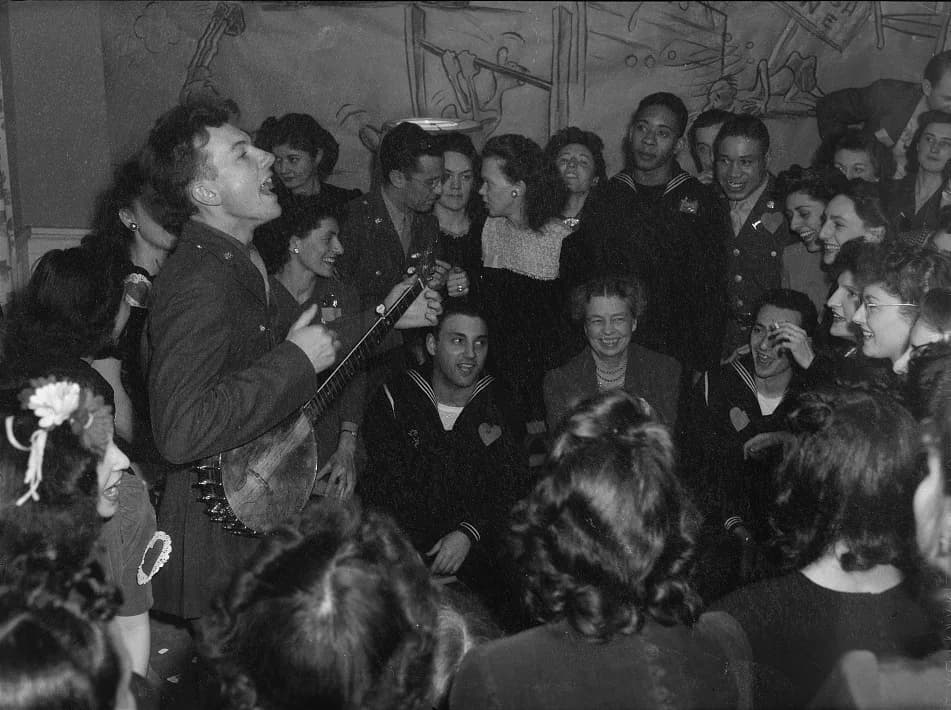
During the 1940s, Pete Seeger became a prominent voice on nationwide radio, effectively bringing the authentic sounds of American folk music to millions of listeners across the country. This exposure played a crucial role in popularizing the genre and establishing Seeger as a recognizable figure in the American musical scene. His unique style and engaging performances captivated audiences and set the stage for future successes.
In the early 1950s, Seeger achieved widespread commercial success as a pivotal member of The Weavers, a groundbreaking folk quartet. Their rendition of Lead Belly's timeless tune, "Goodnight, Irene," became an unprecedented hit, dominating the music charts for an impressive 13 weeks in 1950. This achievement cemented The Weavers' status as a major force in popular music, blending traditional folk with mainstream appeal.
Despite their popularity, The Weavers, including Seeger, endured significant hardship during the McCarthy Era, finding themselves unfairly blacklisted. This period of political persecution severely impacted their careers, leading to cancelled performances and reduced media exposure. However, Seeger's resilience and unyielding commitment to his principles allowed him to eventually re-emerge, becoming an even stronger voice for protest and social justice in the decades that followed.
챕터 5 · 1950· 7장 중 5장
Notable Works and Contributions
Pete Seeger's vast discography reflects his lifelong dedication to music and storytelling through song. Notable recordings from his early career include "Darling Corey" (1950), "The Pete Seeger Sampler" (1954), and "American Folk Songs for Children" (1954). He also published instructional albums such as "How To Play The 5-String Banjo" (1954) and "The Folksinger's Guitar Guide" (1955), which became invaluable resources for aspiring musicians.
His artistic output continued with albums like "Frontier Ballads" (1954), "Goofing-Off Suite" (1955), and "American Industrial Ballads" (1956), all showcasing his deep engagement with American history and working-class narratives. Beyond his studio recordings, Seeger was instrumental in compiling collections such as "Hard hitting songs for hard-hit people" and "South African freedom songs." These efforts underscored his commitment to documenting and sharing music that articulated social and political struggles across diverse communities.
Seeger was a tireless peace activist, using his music and platform to champion international disarmament, civil rights, and workers' rights. He passionately supported environmental causes, most notably his work in cleaning up the Hudson River, which became a personal mission. His powerful protest songs became synonymous with the counterculture movement and were critical in expressing opposition to the Vietnam War, making him a powerful moral voice for his generation.
챕터 6· 7장 중 6장
Later Years
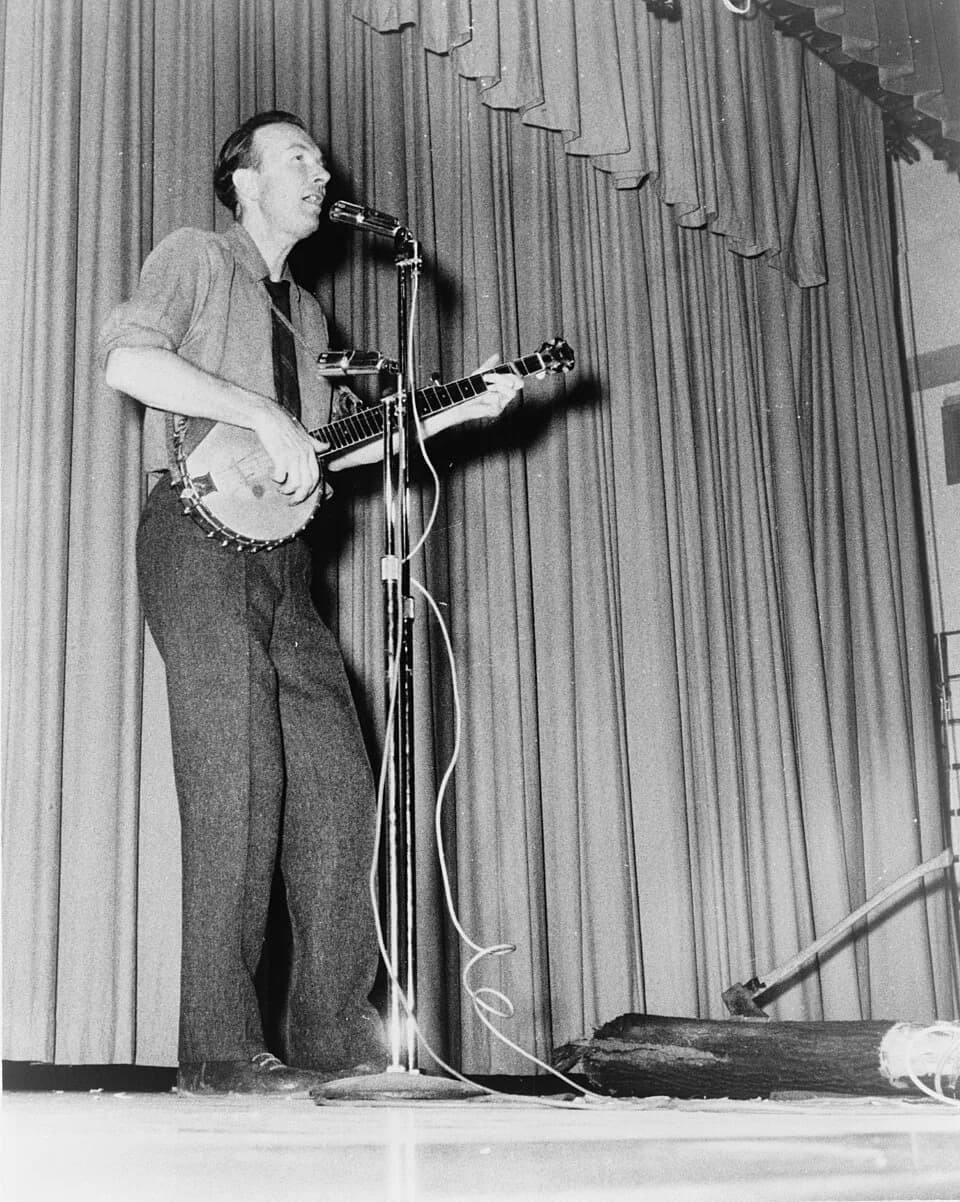
In the 1960s, Pete Seeger's public presence saw a powerful resurgence, aligning him closely with the burgeoning protest movements of the era. He became an iconic figure in the civil rights movement, often performing at rallies and marches, lending his voice and banjo to the call for equality. His activism extended to advocating for an end to the Vietnam War, where his songs provided a soundtrack of dissent and hope.
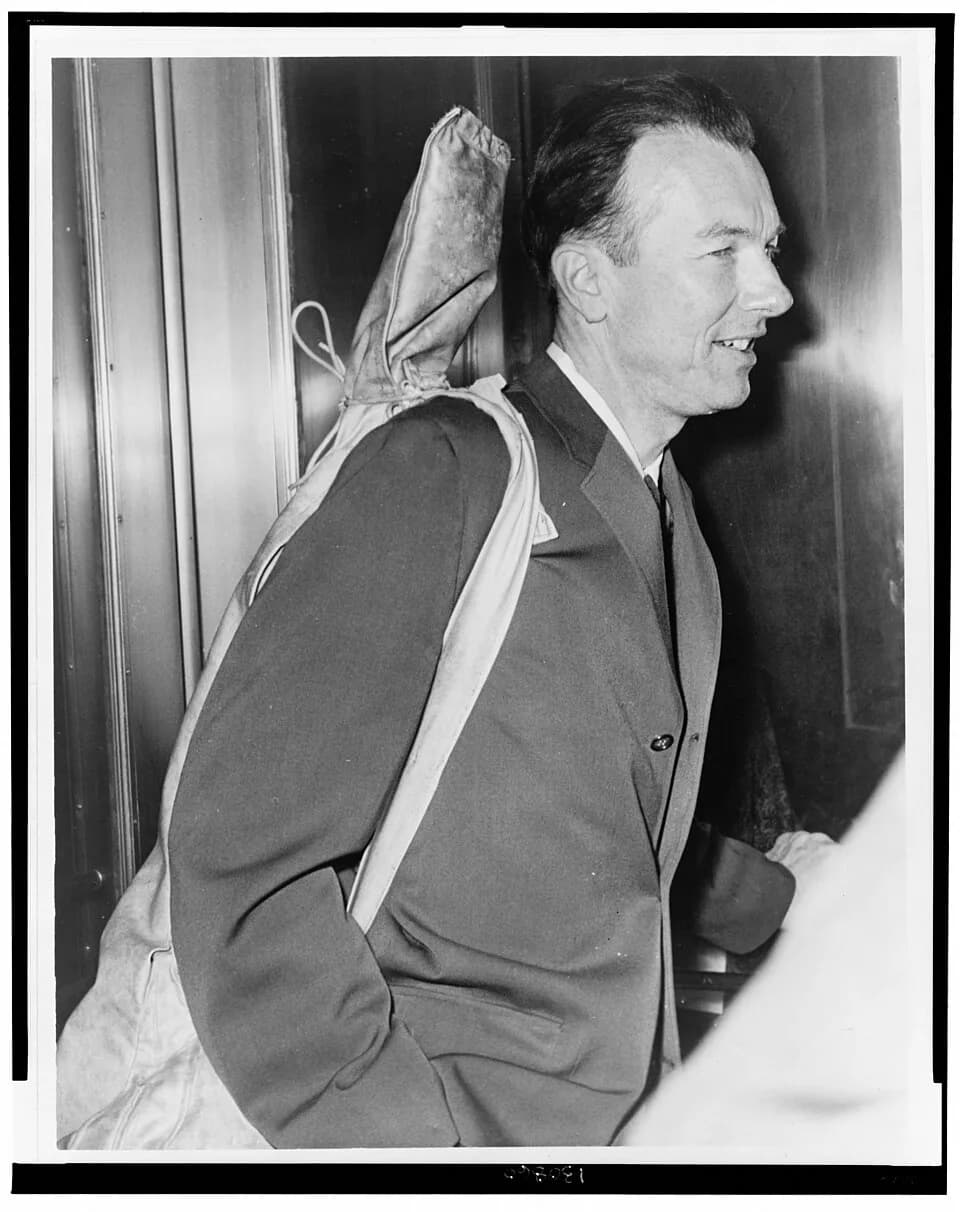
Even in his later years, Seeger maintained an active performance schedule and continued his environmental advocacy, notably his efforts with the Hudson River Sloop Clearwater. He remained a source of inspiration, performing and speaking out on issues of peace, justice, and environmental stewardship right up until his passing. His unwavering commitment exemplified a life lived in service of a better world.
챕터 7· 7장 중 7장
Legacy and Impact
Pete Seeger's enduring legacy as an American folk singer, composer, and social activist is immeasurable. He single-handedly popularized folk music for millions, transforming it from a niche genre into a powerful medium for social commentary and community building. His songs became anthems for countless movements, from labor rights to civil rights and environmentalism, embedding themselves deeply into the fabric of American social consciousness.
His unwavering dedication to peace, justice, and human dignity, consistently expressed through his authentic artistry, continues to resonate globally. Seeger's profound influence on contemporary folk music and his role as a relentless advocate for a better world ensures that his spirit and message live on, inspiring new generations of artists and activists alike. He passed away in Manhattan, United States, on January 27, 2014, leaving behind a monumental body of work and a powerful example of engaged citizenship.
순간 속의 삶
한 삶을 빚어낸 순간들


FAQ
자주 묻는 질문
Pete Seeger은(는) 언제 사망했습니까?
Pete Seeger은(는) 2014년 1월 27일 Manhattan, United States에서 사망했습니다 (향년 94세).
Pete Seeger은(는) 어디에서 태어났습니까?
Pete Seeger은(는) New York City, United States에서 1919년 5월 3일에 태어났습니다.
Pete Seeger은(는) 무엇으로 가장 잘 알려져 있습니까?
Pete Seeger은(는) American folk singer(으)로 가장 잘 알려져 있습니다.
Pete Seeger은(는) 사망 당시 몇 살이었습니까?
Pete Seeger은(는) 사망 당시 94세였습니다.
Pete Seeger의 국적은 무엇이었습니까?
Pete Seeger은(는) United States 출신이었습니다.
연표
한눈에 보는 삶
사진 갤러리
사진으로 보는 삶
폴라로이드를 클릭하여 확대 · 사진 23장
QR 코드
이 전기 공유
인쇄 및 공유
스캔하여 이 전기 페이지를 방문하세요. 행사, 전시회, 교육 자료에 인쇄해 사용하실 수 있습니다.