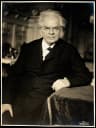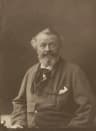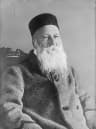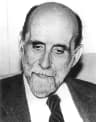
출생
January 2, 1837
Nizhny Novgorod, Russia
별세
May 29, 1910
Saint Petersburg, Russia
알려진 업적
Russian composer, pianist, and conductor
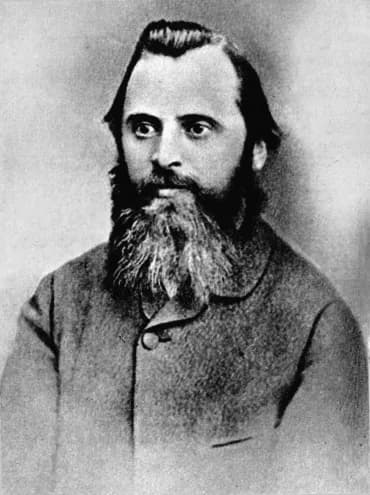
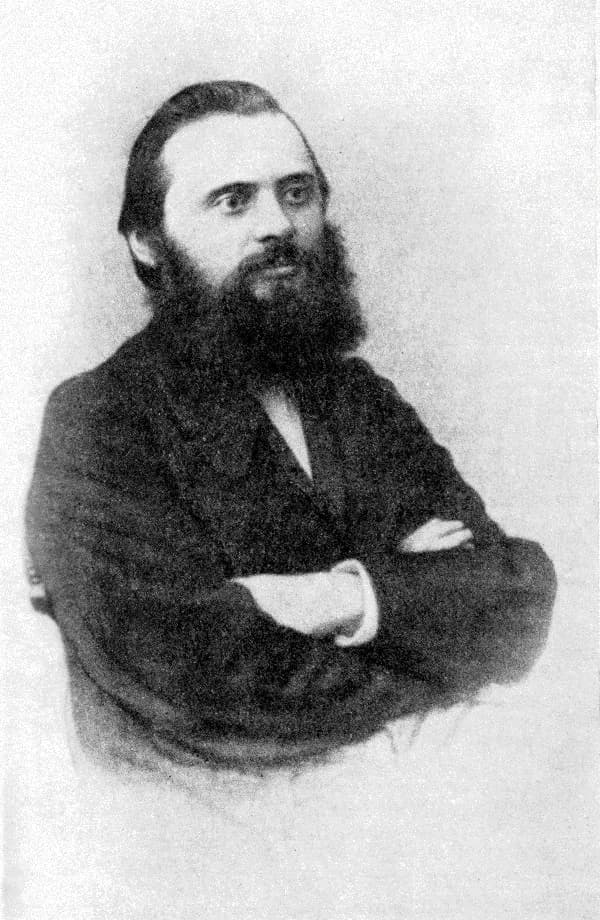
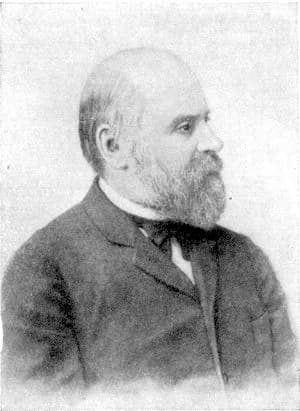
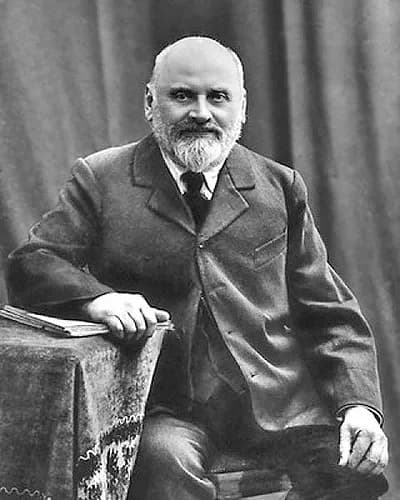
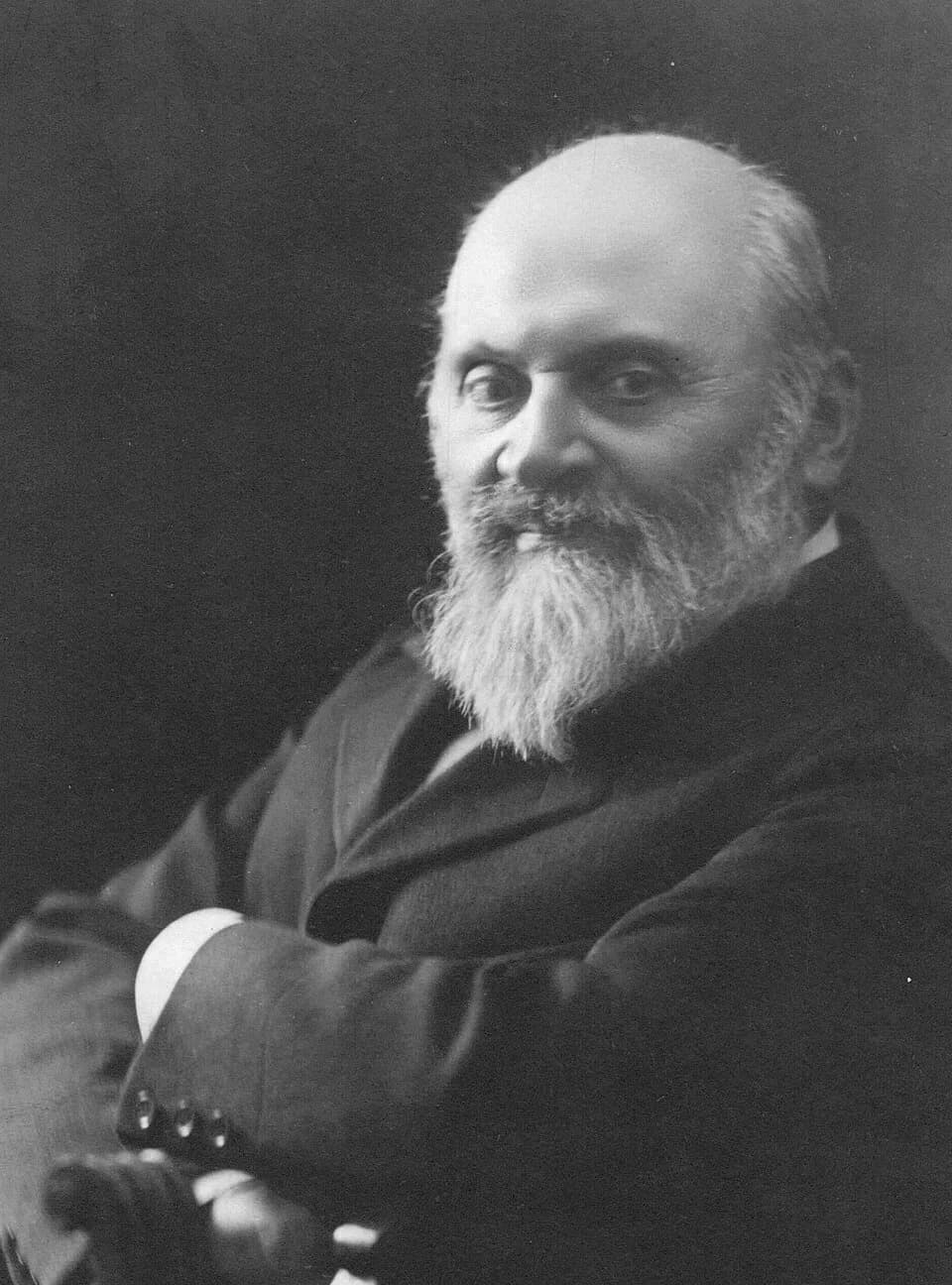
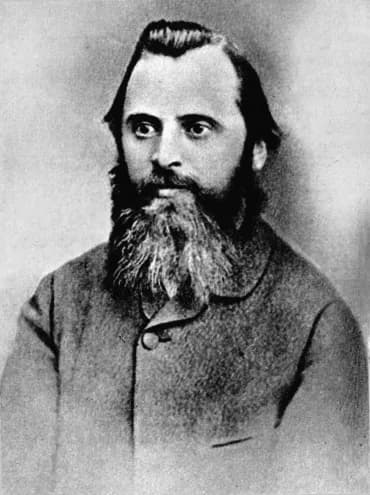
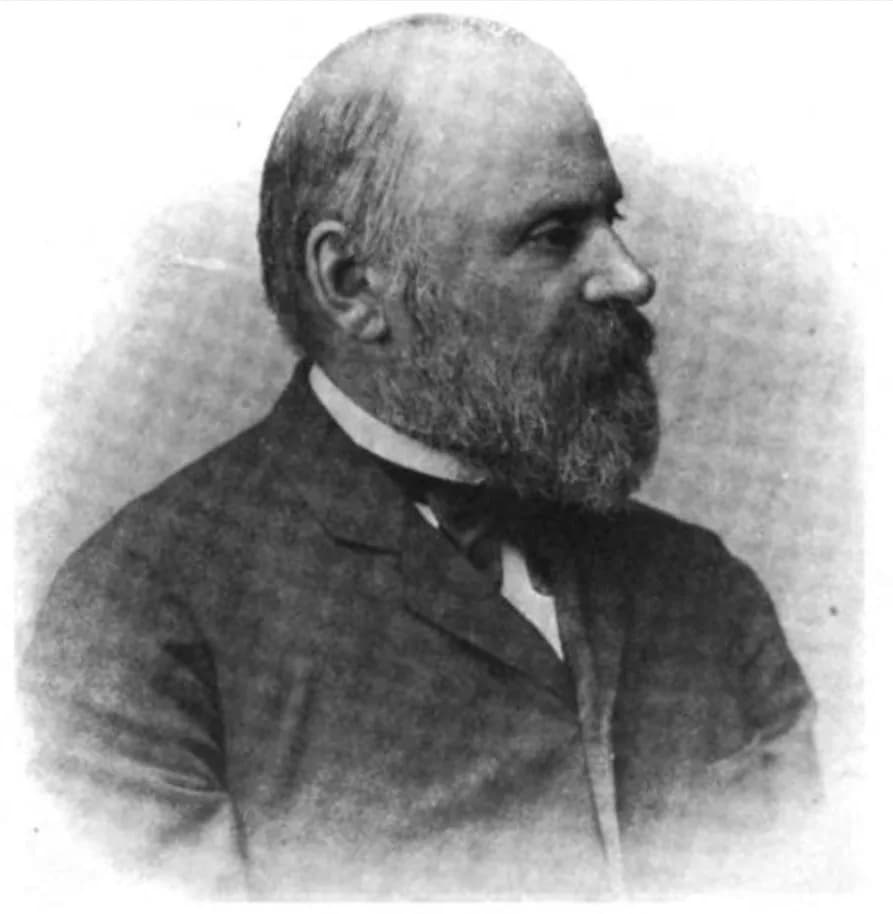
Mily Balakirev (1837–1910) was Russia best known for Russian composer, pianist, and conductor.
Mily Balakirev (January 2, 1837 – May 29, 1910) was a Russian composer, pianist, and conductor from Nizhny Novgorod. He significantly promoted musical nationalism, fusing folk traditions with classical music and encouraging other Russian composers. His influence shaped the development of a distinct Russian musical identity.
챕터
삶의 챕터
챕터 1 · 1837· 6장 중 1장
Early Life and Origins
Mily Balakirev entered the world in Nizhny Novgorod, Russia, on January 2, 1837. This vibrant city provided the initial backdrop for his formative years. While specific details about his family and early education are not extensively documented, his birthplace undoubtedly contributed to his deep connection to Russian culture and its folk traditions.
Growing up in Russia, Balakirev was exposed to the rich sounds of local melodies and stories. This early immersion in Russian cultural heritage would later become a cornerstone of his compositional style. His eventual artistic path was deeply rooted in the musical traditions of his homeland.
챕터 2· 6장 중 2장
Career Beginnings
Balakirev embarked on his career as a significant figure in Russian music, building upon the foundations laid by Mikhail Glinka. Glinka had previously begun fusing traditional folk music with experimental classical music practices. Balakirev took this fusion further, developing innovative musical patterns that could explicitly express nationalistic sentiment.
Initially, he was a driving force in a circle of musicians dedicated to this nationalist agenda. His early work as a composer, conductor, and pianist quickly established him as a creative and influential voice. He was committed to forging a new path for Russian music, distinct from Western European influences.
챕터 3· 6장 중 3장
Major Achievements and Career Highlights
One of Balakirev's most enduring achievements was his dedicated promotion of musical nationalism within Russia. He actively encouraged other, more famous Russian composers, including Pyotr Ilyich Tchaikovsky, to explore and incorporate nationalistic elements in their own works. Balakirev served as a mentor and guide to many emerging talents during this period.
He was recognized as a central figure, extending the innovative blend of folk and classical music. Through his efforts, Balakirev contributed to the creation of a distinct Russian school of composition. His early career phase marked a period of intense creativity and significant influence on the broader musical community.
챕터 4 · 1952· 6장 중 4장
Notable Works and Contributions
Mily Balakirev's discography showcases his range and commitment to Russian musical expression. His major compositions include "Symphony no. 1 in C," which saw its first recording in 1952, and the symphonic poem "Thamar," recorded as orchestral music in 1954. These works reflect his ability to weave complex orchestral narratives.
Further recordings like "Balakirev: Tamar Symphonic Poem / Liadov: Orchestral Music" (1968) and "Balakirev: Symphony no. 1 in C / Liadov: Polonaise" (1984) highlight his continued presence in the classical repertoire. Other notable albums such as "Chopin Suite / In Bohemia / King Lear Overture / Overtures on a Spanish March Theme" (1985) and "Russian Piano Music" (1986) demonstrate his versatility across various forms and instruments. His contributions also extended beyond performance, as he was also a respected pedagogue, musicologist, and music educator, shaping future generations of musicians.
챕터 5· 6장 중 5장
Later Years
Following a period of intense activity and influence, Mily Balakirev experienced a nervous breakdown. This event led to a sabbatical from his musical engagements. Upon his eventual return to the world of classical music, he found that his level of influence was not the same as it had been earlier in his career.
Despite this shift, he continued to compose and contribute to the musical community in Saint Petersburg, Russia, where he passed away on May 29, 1910. His later years were characterized by sustained, if less public, dedication to his art. His impact on Russian music, even in these quieter times, remained undeniable.
챕터 6· 6장 중 6장
Legacy and Impact
Mily Balakirev's legacy is firmly rooted in his passionate advocacy for Russian musical nationalism. He laid essential groundwork for expressing overt nationalistic feeling through music. His encouragement and mentorship were vital to the careers of composers like Pyotr Ilyich Tchaikovsky, helping to shape their artistic paths.
Balakirev's pioneering efforts in extending the fusion of traditional folk music and experimental classical music practices left a lasting imprint. He helped establish a distinct identity for Russian classical music that continues to be celebrated today. His compositions and his work as a music educator ensured his influence would persist long after his passing.
순간 속의 삶
한 삶을 빚어낸 순간들
FAQ
자주 묻는 질문
Mily Balakirev은(는) 언제 사망했습니까?
Mily Balakirev은(는) 1910년 5월 29일 Saint Petersburg, Russia에서 사망했습니다 (향년 73세).
Mily Balakirev은(는) 어디에서 태어났습니까?
Mily Balakirev은(는) Nizhny Novgorod, Russia에서 1837년 1월 2일에 태어났습니다.
Mily Balakirev은(는) 무엇으로 가장 잘 알려져 있습니까?
Mily Balakirev은(는) Russian composer, pianist, and conductor(으)로 가장 잘 알려져 있습니다.
Mily Balakirev은(는) 사망 당시 몇 살이었습니까?
Mily Balakirev은(는) 사망 당시 73세였습니다.
Mily Balakirev의 국적은 무엇이었습니까?
Mily Balakirev은(는) Russia 출신이었습니다.
연표
한눈에 보는 삶
사진 갤러리
사진으로 보는 삶
폴라로이드를 클릭하여 확대 · 사진 24장
QR 코드
이 전기 공유
인쇄 및 공유
스캔하여 이 전기 페이지를 방문하세요. 행사, 전시회, 교육 자료에 인쇄해 사용하실 수 있습니다.