출생
May 16, 1917
Sayula Municipality, Mexico
별세
January 7, 1986
Mexico City, Mexico
알려진 업적
Mexican writer
Juan Rulfo (1917–1986) was Mexico best known for Mexican writer.
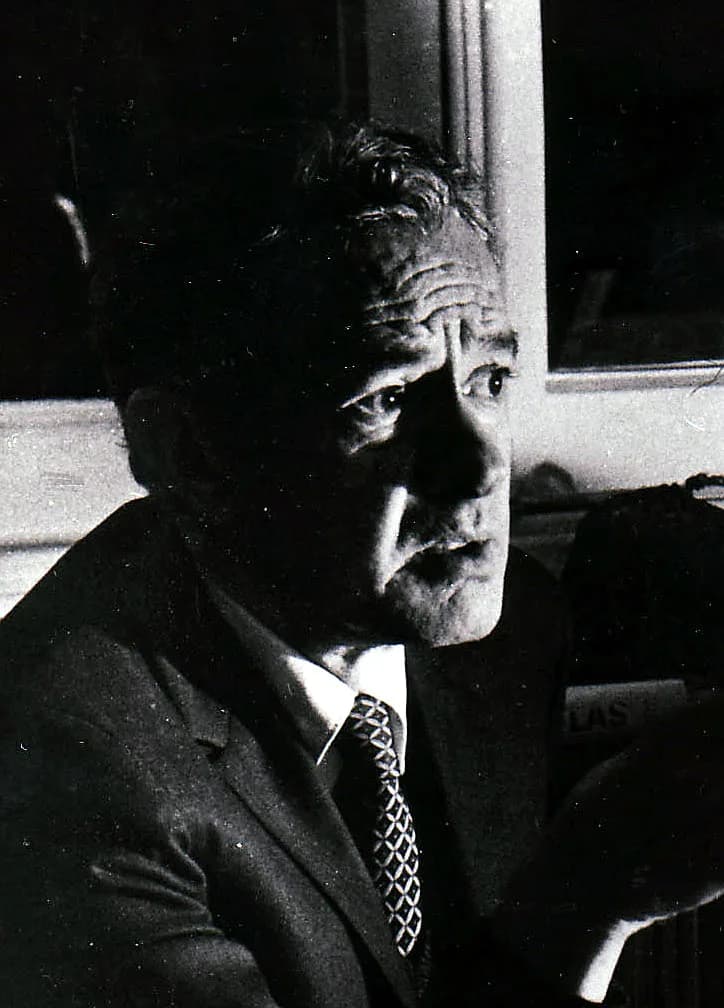
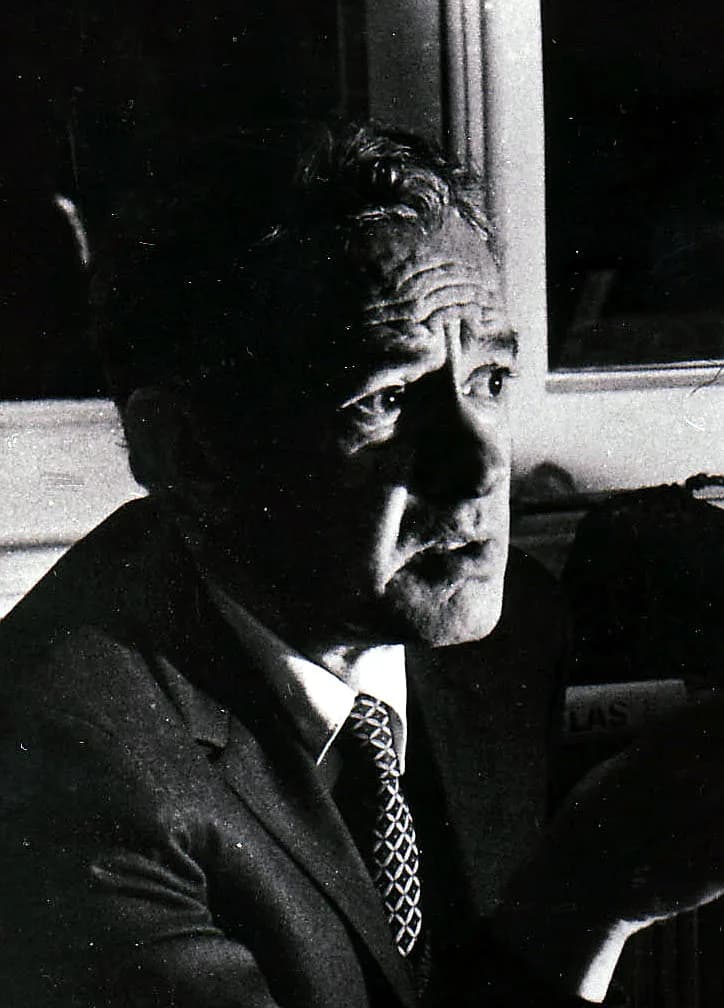
Juan Nepomuceno Carlos Pérez Rulfo Vizcaíno (May 16, 1917 – January 7, 1986) was a celebrated Mexican writer, screenwriter, and photographer. He is renowned for his novel Pedro Páramo and the short story collection El Llano en llamas. Rulfo's work deeply influenced many subsequent Latin American writers.
챕터
삶의 챕터
챕터 1 · 1917· 8장 중 1장
Opening Paragraph
Juan Nepomuceno Carlos Pérez Rulfo Vizcaíno, known simply as Juan Rulfo, was a revered Mexican writer whose life spanned from May 16, 1917, to January 7, 1986. He was a distinguished novelist, screenwriter, photographer, and singer, celebrated for his profound contributions to literature. Rulfo is universally acknowledged as one of the greatest Mexican and Latin American writers of the twentieth century, leaving an enduring mark on countless authors who followed.
챕터 2 · 1917· 8장 중 2장
Early Life and Origins
Born on May 16, 1917, Juan Rulfo began his journey in the Sayula Municipality of Mexico. This rural upbringing in Jalisco profoundly influenced his literary work, often characterized by its evocative portrayal of the Mexican countryside and its people. While specific details of his early family life and education are not extensively documented, his roots in this region are often cited as a source of his unique voice and thematic concerns.
챕터 3· 8장 중 3장
Career Beginnings
Juan Rulfo cultivated a versatile career, embracing various professional roles throughout his life. He distinguished himself as a writer, screenwriter, photographer, and even a singer, demonstrating a broad array of artistic talents. Though the precise timeline of his career beginnings is not detailed, his immersion in these creative fields laid the groundwork for his eventual literary fame.
챕터 4· 8장 중 4장
Major Achievements and Career Highlights
Despite a relatively modest output in terms of volume, Juan Rulfo's literary quality earned him immense acclaim and respect. He is widely considered one of the preeminent Mexican and Latin American writers of the twentieth century. His unique narrative style and thematic depth garnered him significant recognition, impacting a generation of writers.
One of his most notable achievements was his profound influence on subsequent literary figures, including the Nobel laureate Gabriel García Márquez. Márquez himself acknowledged Rulfo's impact, underscoring the universal appeal and significance of Rulfo's storytelling. This influence cemented Rulfo's place not just in Mexican literature, but in the broader global literary canon.
챕터 5· 8장 중 5장
Personal Life
While Juan Rulfo's professional achievements are well-documented, details regarding his personal life, family relationships, or specific interests beyond his artistic pursuits are not widely available in biographical summaries. He largely allowed his powerful literary works to speak for themselves, maintaining a certain privacy around his personal affairs.
챕터 6 · 1955· 8장 중 6장
Notable Works or Contributions
Juan Rulfo is primarily known for two seminal literary works that have captivated readers worldwide. His 1955 novel, Pedro Páramo, stands as a masterpiece of magical realism and modernist literature, exploring themes of revolution, death, and memory in a haunting, dreamlike landscape. This novel is frequently cited as one of the most important works of 20th-century Latin American literature.
Equally celebrated is his collection of short stories, El Llano en llamas, first published in 1953. These stories vividly depict the harsh realities and quiet dignity of rural Mexican life, showcasing Rulfo's unparalleled ability to create complex characters and atmospheric settings with sparse, powerful prose. Beyond his literary output, Rulfo's notable filmography includes the 1965 film There Are No Thieves in This Village, reflecting his work as a screenwriter.
챕터 7 · 1986· 8장 중 7장
Later Years
Juan Rulfo passed away on January 7, 1986, in Mexico City, Mexico, bringing to a close a life dedicated to artistic creation. His death marked the loss of a literary giant whose distinctive voice had reshaped the landscape of Mexican letters. Even in his later years, the power and resonance of his earlier works continued to grow, securing his legacy for future generations.
챕터 8· 8장 중 8장
Legacy and Impact
The legacy of Juan Rulfo is one of immense and lasting influence, far outweighing his relatively small body of published work. He redefined Latin American narrative, introducing a style that blended realism with myth and dream. His ability to evoke profound human emotions and societal critiques through concise storytelling set a new standard for literary craft.
Rulfo's work continues to be studied, celebrated, and translated globally, inspiring new generations of writers and readers. His unique perspective on the human condition, rooted in the landscapes and struggles of Mexico, remains a powerful testament to the enduring strength of his literary vision. He is remembered as a quiet revolutionary whose words echoed far beyond the pages, forever altering the course of modern literature.
순간 속의 삶
한 삶을 빚어낸 순간들
FAQ
자주 묻는 질문
Juan Rulfo은(는) 언제 사망했습니까?
Juan Rulfo은(는) 1986년 1월 7일 Mexico City, Mexico에서 사망했습니다 (향년 68세).
Juan Rulfo은(는) 어디에서 태어났습니까?
Juan Rulfo은(는) Sayula Municipality, Mexico에서 1917년 5월 16일에 태어났습니다.
Juan Rulfo은(는) 무엇으로 가장 잘 알려져 있습니까?
Juan Rulfo은(는) Mexican writer(으)로 가장 잘 알려져 있습니다.
Juan Rulfo은(는) 사망 당시 몇 살이었습니까?
Juan Rulfo은(는) 사망 당시 68세였습니다.
Juan Rulfo의 국적은 무엇이었습니까?
Juan Rulfo은(는) Mexico 출신이었습니다.
연표
한눈에 보는 삶
사진 갤러리
사진으로 보는 삶
폴라로이드를 클릭하여 확대 · 사진 12장
QR 코드
이 전기 공유
인쇄 및 공유
스캔하여 이 전기 페이지를 방문하세요. 행사, 전시회, 교육 자료에 인쇄해 사용하실 수 있습니다.