출생
March 5, 1887
Rio de Janeiro, Brazil
별세
November 17, 1959
Rio de Janeiro, Brazil
알려진 업적
Brazilian composer
Heitor Villa-Lobos (1887–1959) was Brazil best known for Brazilian composer.
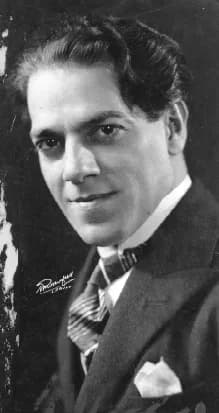
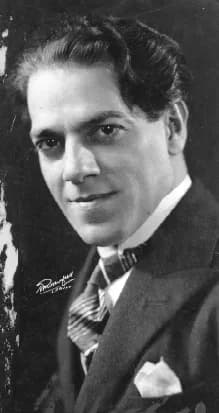
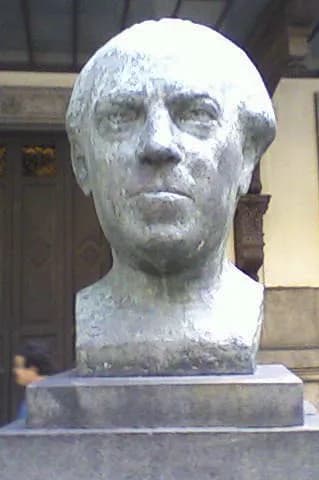
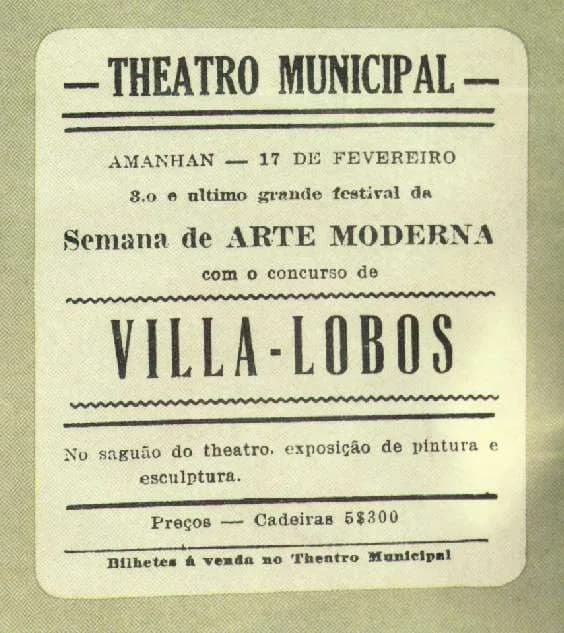
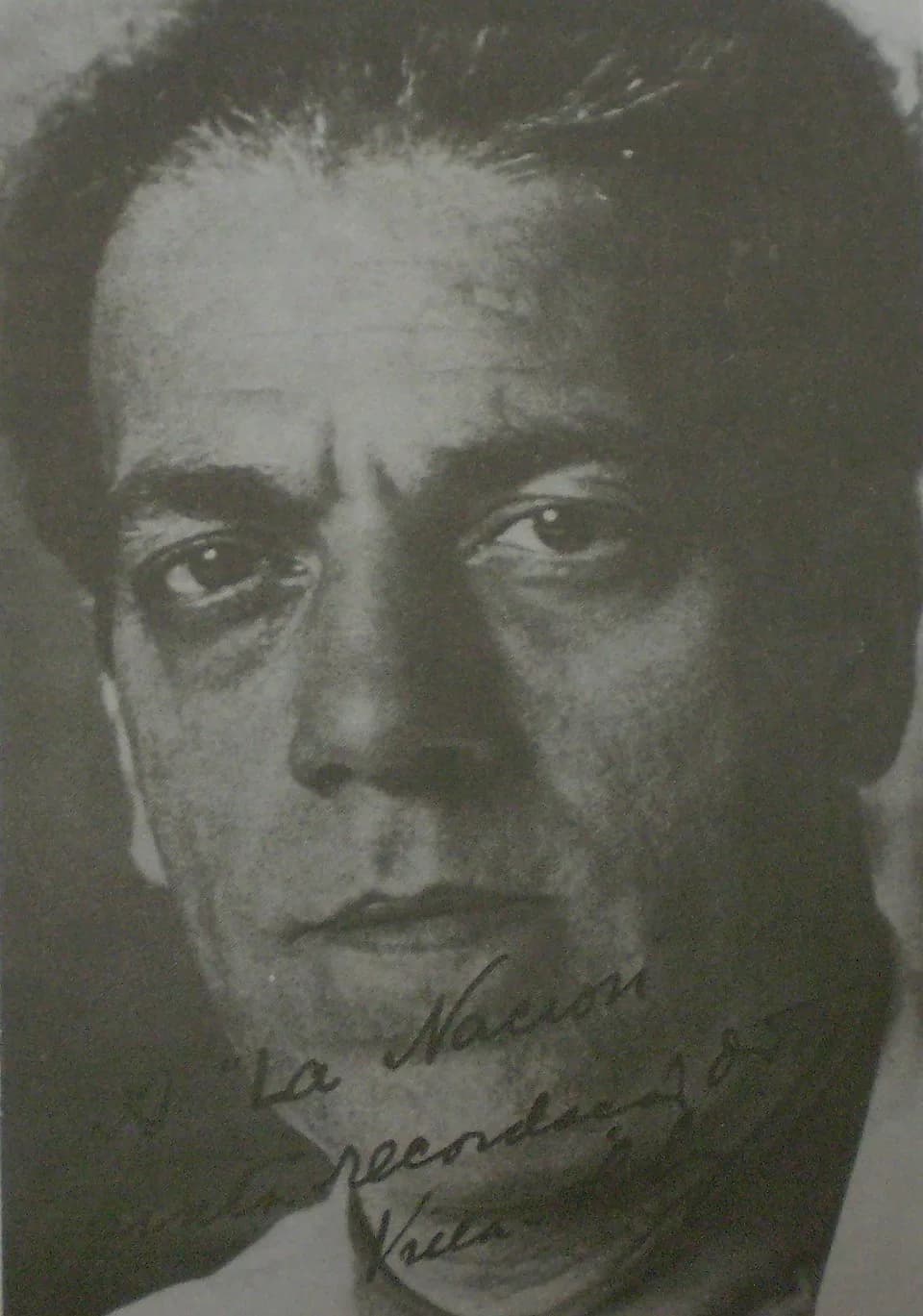
Heitor Villa-Lobos (March 5, 1887 – November 17, 1959) was a Brazilian composer, conductor, and multi-instrumentalist from Rio de Janeiro. He became known as the single most significant creative figure in 20th-century Brazilian art music, blending folk influences with classical tradition. His vast output and unique voice made him a globally recognizable South American composer.
챕터
삶의 챕터
챕터 1 · 1887· 7장 중 1장
Early Life and Origins
Heitor Villa-Lobos entered the world on March 5, 1887, in the culturally rich city of Rio de Janeiro, Brazil. This early environment profoundly shaped his musical development and artistic vision. Growing up, he was exposed to the diverse sounds and rhythms of Brazilian folk music, which would later become a cornerstone of his compositional style. He also developed skills as a cellist during these formative years.
챕터 2· 7장 중 2장
Career Beginnings
His career began with a broad range of professional activities, establishing him not only as a composer but also as a conductor and a classical guitarist. Villa-Lobos also excelled as a pianist and secondary school teacher, demonstrating his versatility and dedication to music education. These early experiences across various roles laid the foundation for his expansive future contributions to music.
챕터 3· 7장 중 3장
Major Achievements and Career Highlights
Villa-Lobos swiftly distinguished himself as a singular force, earning the description of "the single most significant creative figure in 20th-century Brazilian art music." His artistic genius lay in his ability to seamlessly merge the intricate structures of European classical music with the rich, expressive elements of Brazilian folk traditions. This innovative synthesis resulted in a truly unique musical voice that resonated far beyond his native country.
His prolificacy was legendary, with his life's work encompassing over 2,000 compositions by the time of his death in 1959. This immense catalog includes numerous orchestral, chamber, instrumental, and vocal works, each bearing his distinctive stamp. Such a vast output established him as one of the most important and globally recognized South American composers in history.
챕터 4 · 1929· 7장 중 4장
Personal Life
For his professional circle, Villa-Lobos dedicated his Etudes for classical guitar, composed in 1929, to the renowned Spanish guitarist Andrés Segovia, highlighting a significant artistic collaboration. Later, in his personal life, he composed his 5 Preludes in 1940, dedicating them to his beloved spouse, Arminda Neves d'Almeida, affectionately known as "Mindinha." These personal dedications offer a glimpse into the important relationships that shaped his artistic journey.
챕터 5· 7장 중 5장
Notable Works or Contributions
The Bachianas Brasileiras series represents a crowning achievement in Villa-Lobos's exploration of musical fusion. In these pieces, he ingeniously combined the contrapuntal mastery of Johann Sebastian Bach with the vibrant melodic and rhythmic characteristics of Brazilian folk music. This collection became a powerful symbol of his compositional philosophy and continues to be among his most beloved works, recognized worldwide.
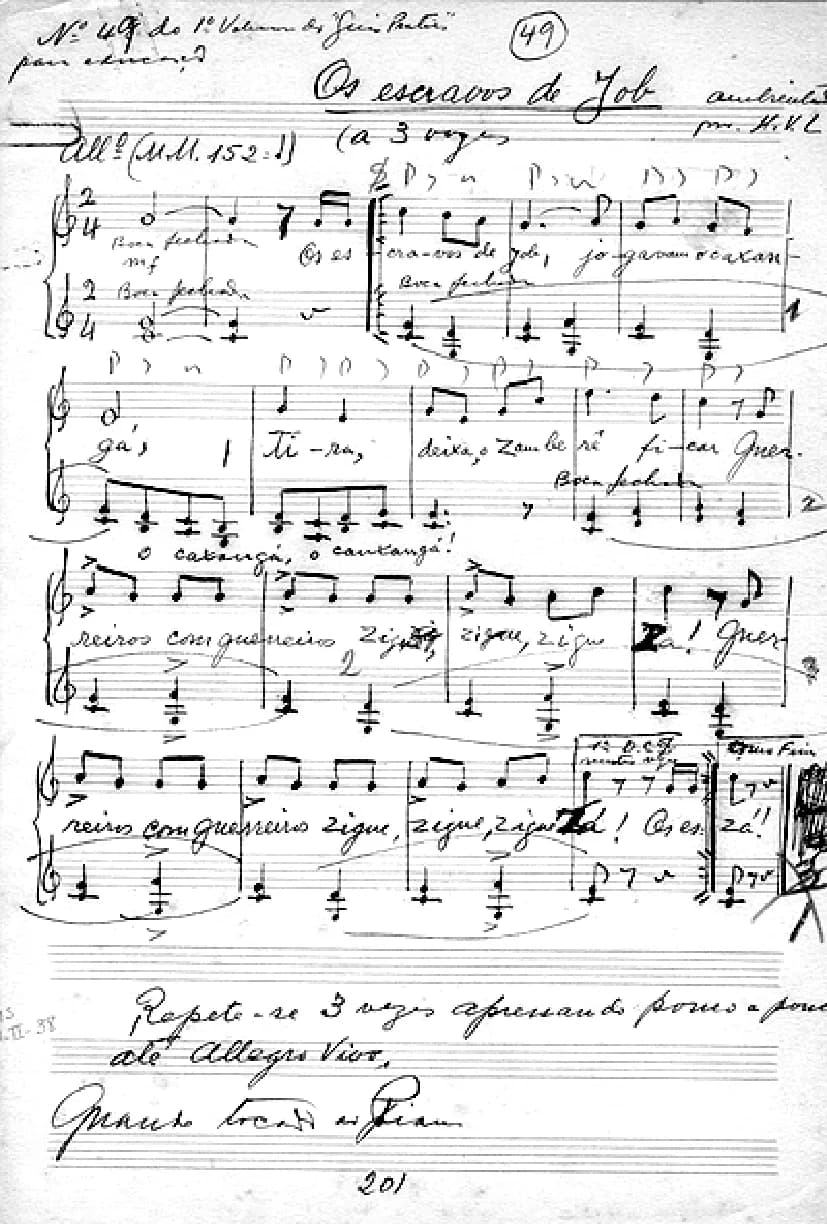
Another significant body of work is his Chôros, which further exemplifies his deep engagement with Brazilian musical forms. These compositions are often described as a musical synthesis of various Brazilian folk and popular styles, reflecting the diverse cultural tapestry of his homeland. Through the Chôros, Villa-Lobos captured the spirit and essence of Brazil in a profound way, offering a distinctive musical narrative.
For classical guitarists, Heitor Villa-Lobos left an invaluable legacy, creating works that are central to the instrument's repertory. His Etudes for classical guitar (1929) and his 5 Preludes (1940) remain essential pieces, showcasing his lyrical and evocative writing for the instrument. These works are performed globally, cementing his position as a crucial figure in the classical guitar repertoire.
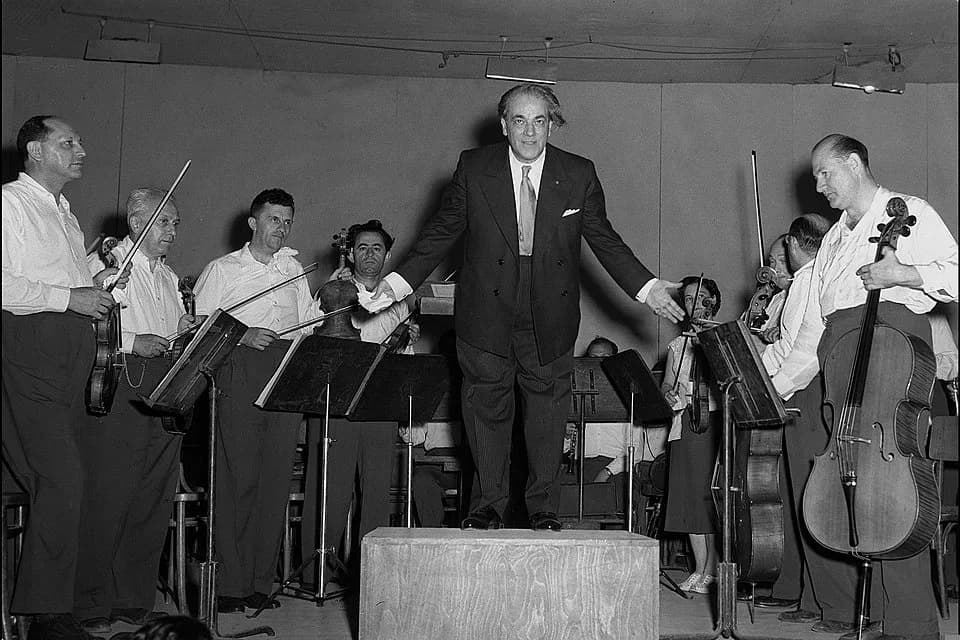
Beyond composing and performing, Villa-Lobos also explored musicology and even choreography, demonstrating his wide-ranging intellectual and artistic curiosities. His expansive interests ensured that his influence extended across multiple facets of the arts, solidifying his role as a true cultural polymath. He embraced roles as a secondary school teacher, composer, conductor, pianist, classical guitarist, cellist, and musicologist throughout his distinguished career.
챕터 6 · 1959· 7장 중 6장
Later Years
Villa-Lobos remained active as a composer and conductor throughout his later years, consistently pushing the boundaries of musical expression. He passed away on November 17, 1959, in his cherished birthplace of Rio de Janeiro, Brazil, at the age of 72. His passing marked the end of an era for Brazilian music, but his works continued to resonate globally, ensuring his lasting presence.
챕터 7· 7장 중 7장
Legacy and Impact
The legacy of Heitor Villa-Lobos is immense and enduring, positioning him as a defining figure in 20th-century music. He succeeded in elevating Brazilian folk music to the international concert stage, integrating its spirit into sophisticated classical forms. His innovative compositions continue to inspire and captivate audiences and musicians alike, cementing his place as a pioneer who gave a distinctive voice to Brazilian art music on a global scale.
순간 속의 삶
한 삶을 빚어낸 순간들
FAQ
자주 묻는 질문
Heitor Villa-Lobos은(는) 언제 사망했습니까?
Heitor Villa-Lobos은(는) 1959년 11월 17일 Rio de Janeiro, Brazil에서 사망했습니다 (향년 72세).
Heitor Villa-Lobos은(는) 어디에서 태어났습니까?
Heitor Villa-Lobos은(는) Rio de Janeiro, Brazil에서 1887년 3월 5일에 태어났습니다.
Heitor Villa-Lobos은(는) 무엇으로 가장 잘 알려져 있습니까?
Heitor Villa-Lobos은(는) Brazilian composer(으)로 가장 잘 알려져 있습니다.
Heitor Villa-Lobos은(는) 사망 당시 몇 살이었습니까?
Heitor Villa-Lobos은(는) 사망 당시 72세였습니다.
Heitor Villa-Lobos의 국적은 무엇이었습니까?
Heitor Villa-Lobos은(는) Brazil 출신이었습니다.
연표
한눈에 보는 삶
- 1887
Early Life and Origins
- 1929
Personal Life
- 1959
Later Years
사진 갤러리
사진으로 보는 삶
폴라로이드를 클릭하여 확대 · 사진 22장
QR 코드
이 전기 공유
인쇄 및 공유
스캔하여 이 전기 페이지를 방문하세요. 행사, 전시회, 교육 자료에 인쇄해 사용하실 수 있습니다.