출생
May 8, 1884
Lamar, United States
별세
December 26, 1972
Kansas City, United States
알려진 업적
president of the United States from 1945 to 1953; politician
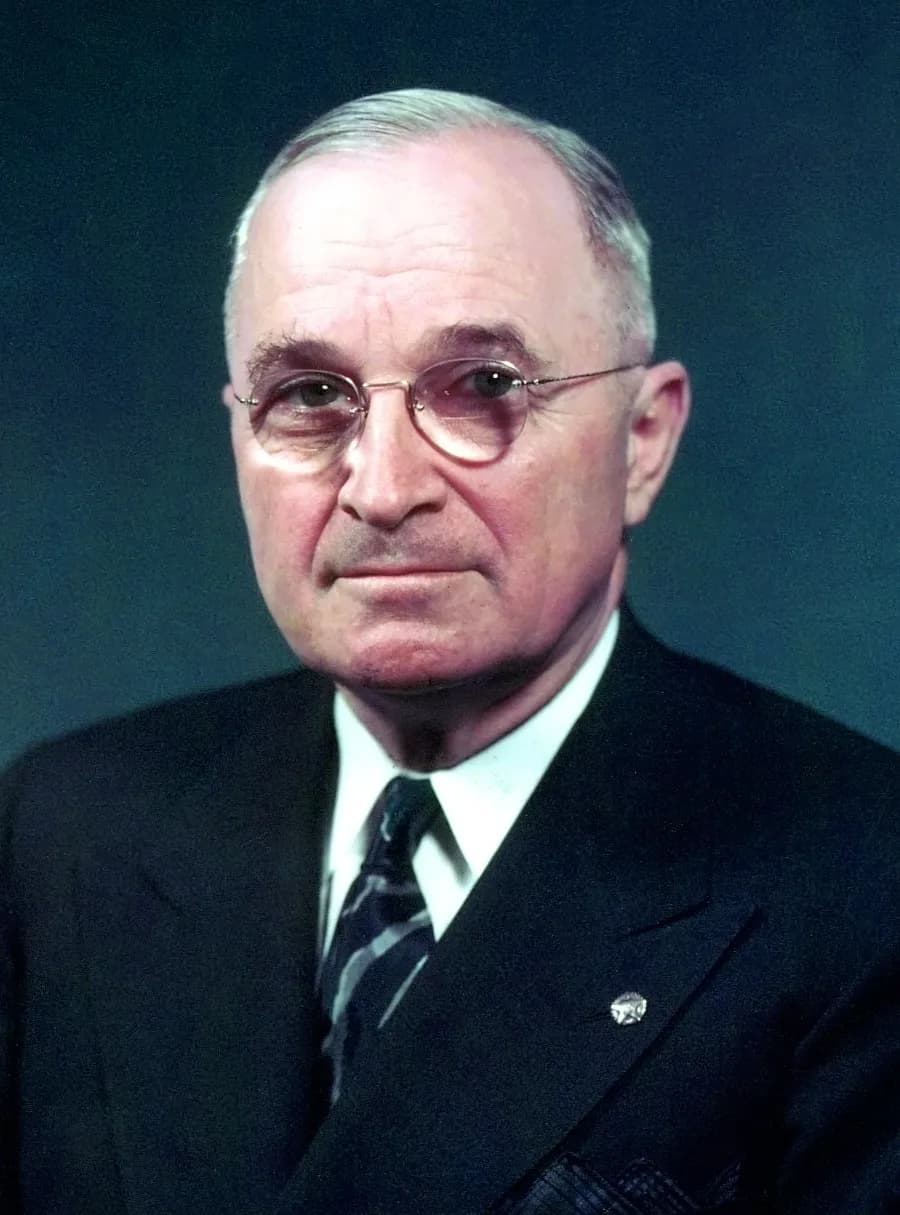
Harry S. Truman (1884–1972) was United States best known for president of the United States from 1945 to 1953; politician.
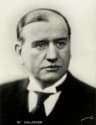
Harry S. Truman (May 8, 1884 – December 26, 1972) was a politician, military officer, and the 33rd president of the United States from Lamar. He led the nation through the end of World War II, initiated the Marshall Plan, and established NATO to contain Soviet communism, profoundly shaping the post-war world.
챕터
삶의 챕터
챕터 1 · 1884· 6장 중 1장
Early Life and Origins
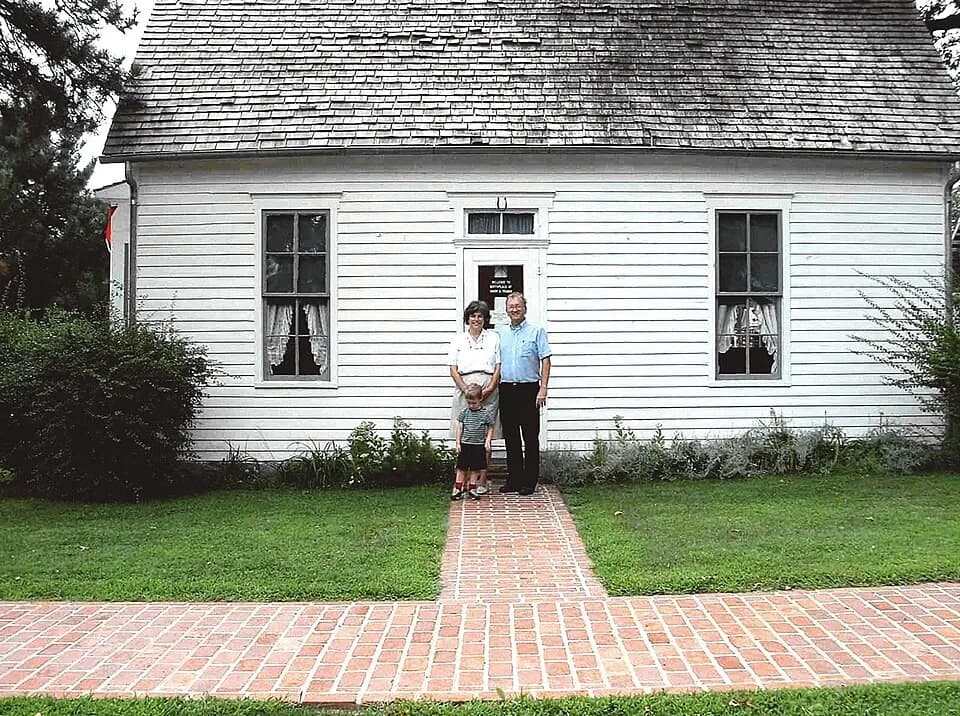
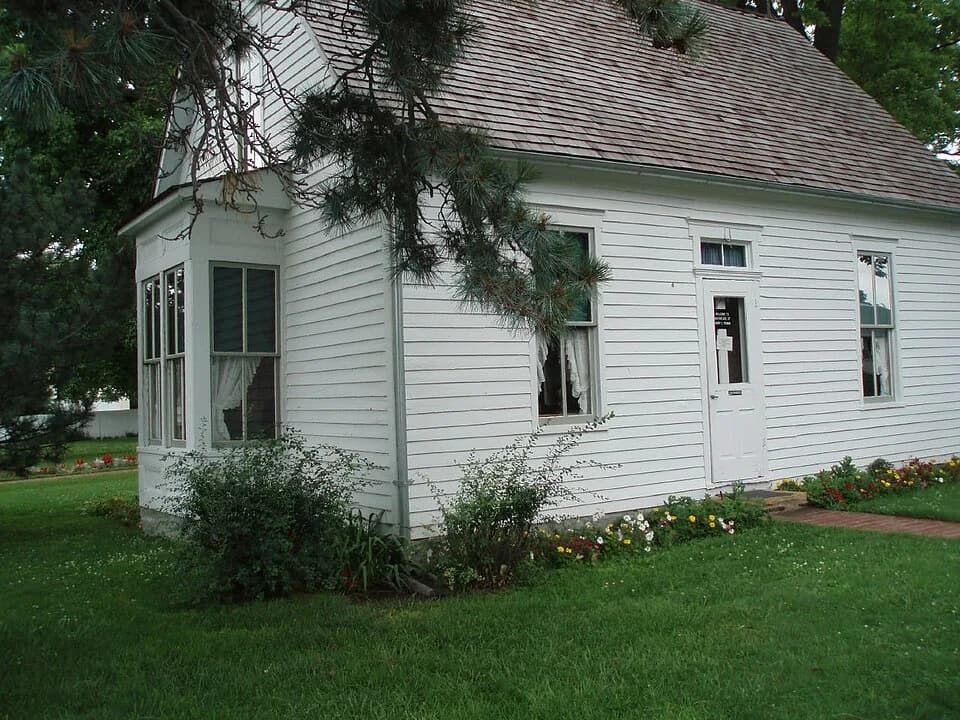
Born on May 8, 1884, in Lamar, United States, Harry S. Truman’s early life was rooted in rural Missouri. His parents were John Anderson Truman and Martha Ellen Young Truman. The family later moved to Independence, Missouri, where Harry spent most of his childhood.
Truman attended public schools in Independence, graduating from high school in 1901. He briefly worked as a timekeeper for a railroad construction company and as a clerk at two different Kansas City banks before returning to the family farm in Grandview, Missouri, in 1906, where he worked for a decade.
챕터 2· 6장 중 2장
Career Beginnings
Truman’s career took a significant turn during World War I when he served as a captain in the United States Army. He commanded a field artillery battery in France, demonstrating strong leadership qualities under pressure. His military service proved to be a defining experience, shaping his discipline and approach to public service.
After the war, Truman ventured into business, opening a haberdashery in Kansas City that eventually failed. However, his military connections and local political involvement soon led him into politics. He began his political journey by becoming a judge of the Jackson County Court in Missouri, a role that was administrative rather than judicial, in 1922.
챕터 3 · 1934· 6장 중 3장
Major Achievements and Career Highlights
Harry S. Truman's political career ascended steadily, leading him to the United States Senate in 1934. As a senator, he gained national recognition for chairing the Truman Committee, which investigated waste and inefficiency in wartime defense contracts, saving the U.S. government billions of dollars during World War II.
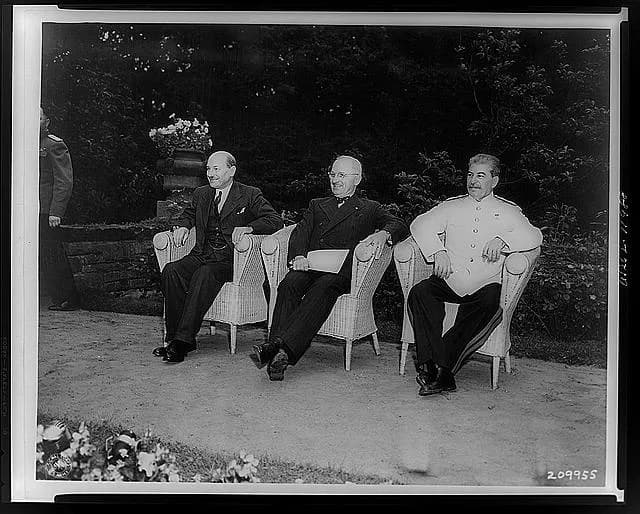
In 1945, Truman was elected the 34th vice president of the United States under Franklin D. Roosevelt. He assumed the presidency on April 12, 1945, following President Roosevelt's unexpected death. This sudden transition placed him at the helm during one of the most tumultuous periods in modern history, compelling him to make immediate and far-reaching decisions regarding the ongoing war.
As president, Truman made the momentous decision to use atomic bombs on Hiroshima and Nagasaki in August 1945, bringing World War II to a swift end. He then focused on post-war recovery and global stability. His administration initiated the Marshall Plan, a significant economic aid program designed to rebuild the war-damaged economies of Western Europe, effectively preventing widespread famine and political instability.
챕터 4 · 1947· 6장 중 4장
Notable Works or Contributions
President Truman was instrumental in establishing key doctrines and alliances that defined the Cold War era. In 1947, he articulated the Truman Doctrine, committing the United States to support free peoples resisting attempted subjugation by armed minorities or by outside pressures, primarily aimed at containing Soviet communism. This doctrine represented a fundamental shift in American foreign policy from isolationism to active international engagement.
Another monumental achievement was the creation of the North Atlantic Treaty Organization (NATO) in 1949. NATO was a collective security alliance designed to deter Soviet aggression in Europe, establishing a framework for military cooperation among Western nations. Domestically, Truman, a member of the Democratic Party, proposed numerous New Deal coalition liberal reforms, though many faced opposition from a conservative coalition in Congress.
Truman also took significant steps towards civil rights during his presidency. He issued Executive Order 9981 in 1948, which desegregated the United States Armed Forces. This groundbreaking order demonstrated his commitment to equality and laid important groundwork for future civil rights advancements within the nation.
챕터 5 · 1953· 6장 중 5장
Later Years
After leaving office in 1953, Harry S. Truman returned to Independence, Missouri, maintaining an active public life through speaking engagements and the establishment of his presidential library. He was a prolific diarist throughout his life, offering unique insights into his experiences and decisions. His later years were dedicated to preserving his legacy and ensuring access to historical records for future generations.
Truman often expressed pride in his decisions, even those that were controversial, standing firm on his principles. He continued to comment on political affairs and offered advice to subsequent presidents, remaining a respected voice in American politics. His post-presidency was characterized by a commitment to public service and historical preservation.
챕터 6 · 1972· 6장 중 6장
Legacy and Impact
Harry S. Truman passed away on December 26, 1972, in Kansas City, United States, leaving a profound and enduring mark on American and world history. His legacy is characterized by his decisive leadership during a period of immense global change and challenge. He is remembered for his courage in making difficult decisions, often against considerable public and political opposition.
Truman fundamentally reshaped American foreign policy, moving the nation into a role of global leadership and responsibility. The institutions and doctrines he established, such as the Marshall Plan, the Truman Doctrine, and NATO, became cornerstones of the post-World War II international order and were instrumental in shaping the Cold War. His commitment to civil rights also paved the way for future advancements in equality within the United States.
순간 속의 삶
한 삶을 빚어낸 순간들
FAQ
자주 묻는 질문
Harry S. Truman은(는) 언제 사망했습니까?
Harry S. Truman은(는) 1972년 12월 26일 Kansas City, United States에서 사망했습니다 (향년 88세).
Harry S. Truman은(는) 어디에서 태어났습니까?
Harry S. Truman은(는) Lamar, United States에서 1884년 5월 8일에 태어났습니다.
Harry S. Truman은(는) 무엇으로 가장 잘 알려져 있습니까?
Harry S. Truman은(는) president of the United States from 1945 to 1953; politician(으)로 가장 잘 알려져 있습니다.
Harry S. Truman은(는) 사망 당시 몇 살이었습니까?
Harry S. Truman은(는) 사망 당시 88세였습니다.
Harry S. Truman의 국적은 무엇이었습니까?
Harry S. Truman은(는) United States 출신이었습니다.
연표
한눈에 보는 삶
사진 갤러리
사진으로 보는 삶
폴라로이드를 클릭하여 확대 · 사진 23장
QR 코드
이 전기 공유
인쇄 및 공유
스캔하여 이 전기 페이지를 방문하세요. 행사, 전시회, 교육 자료에 인쇄해 사용하실 수 있습니다.