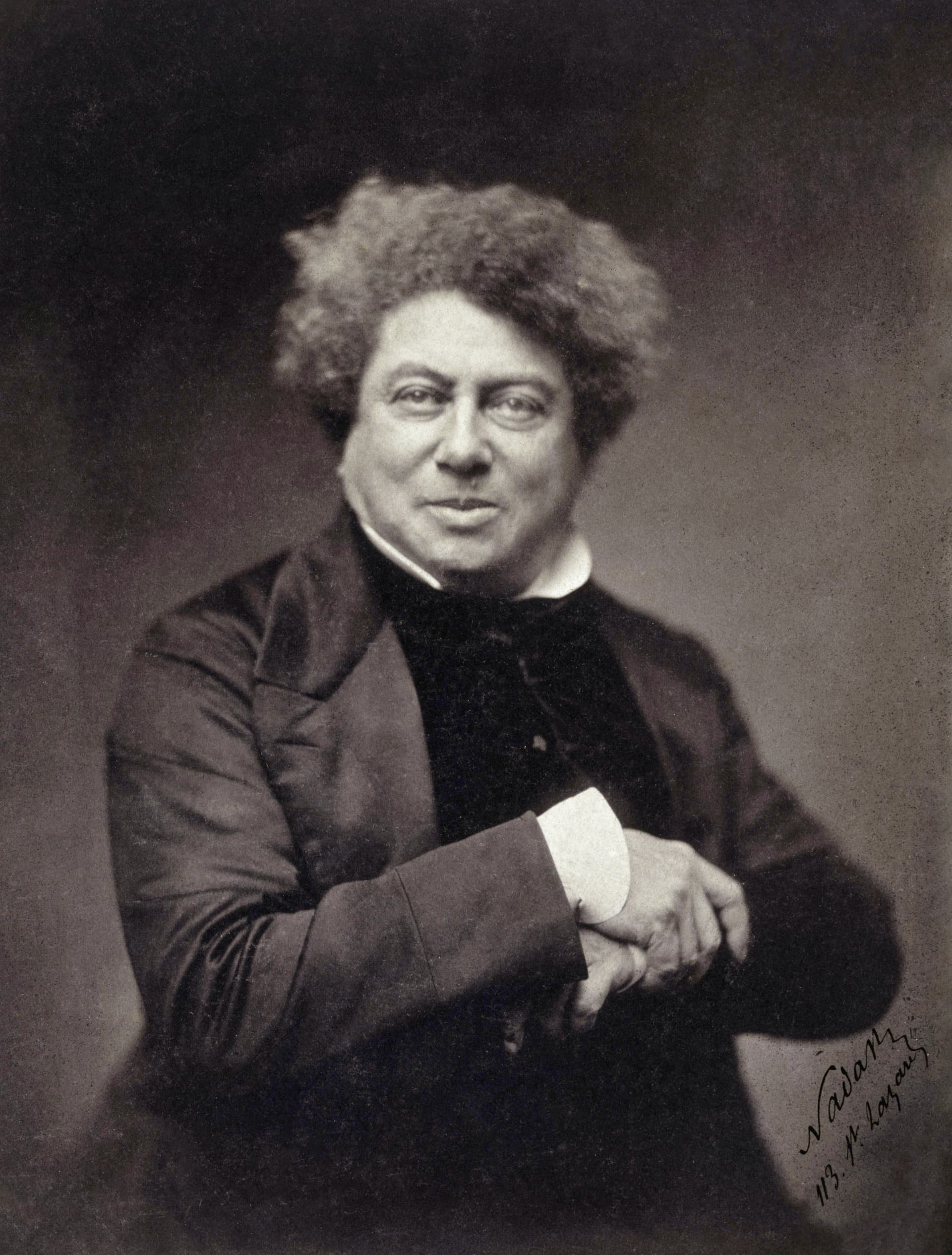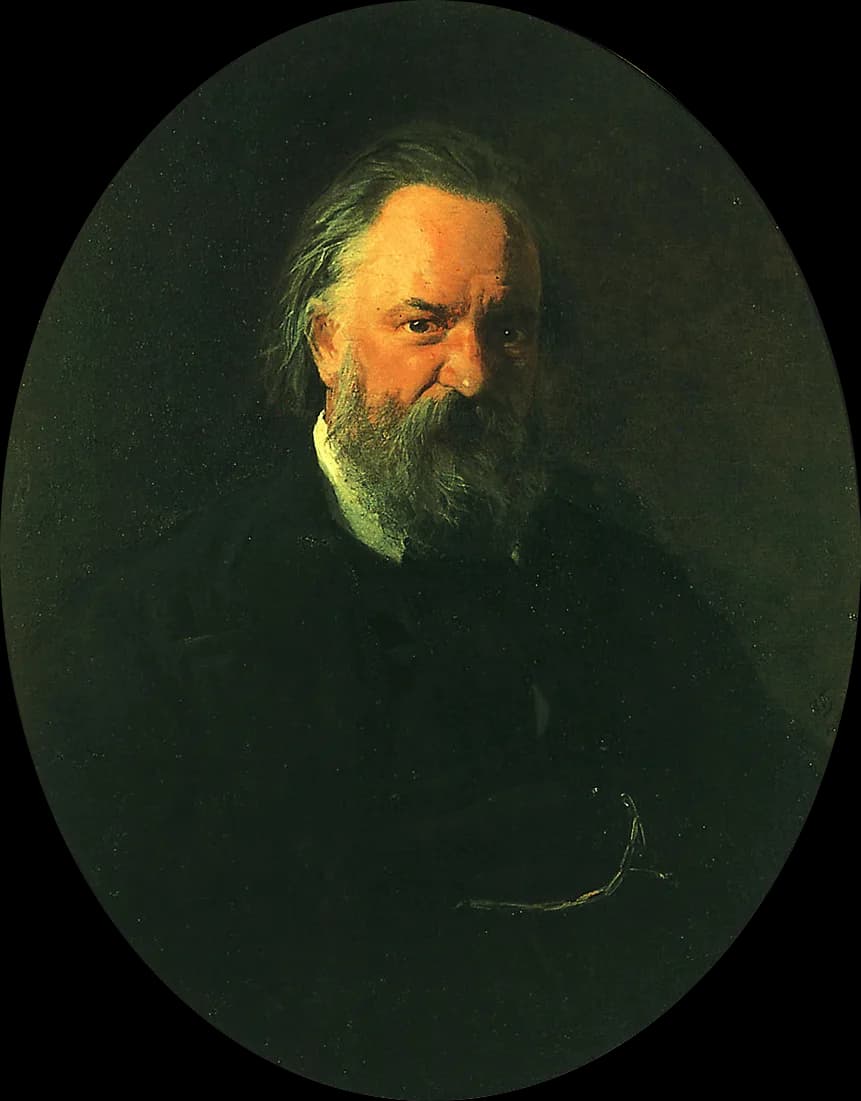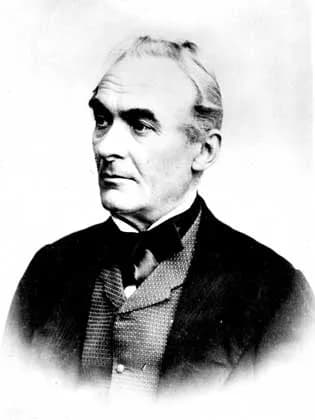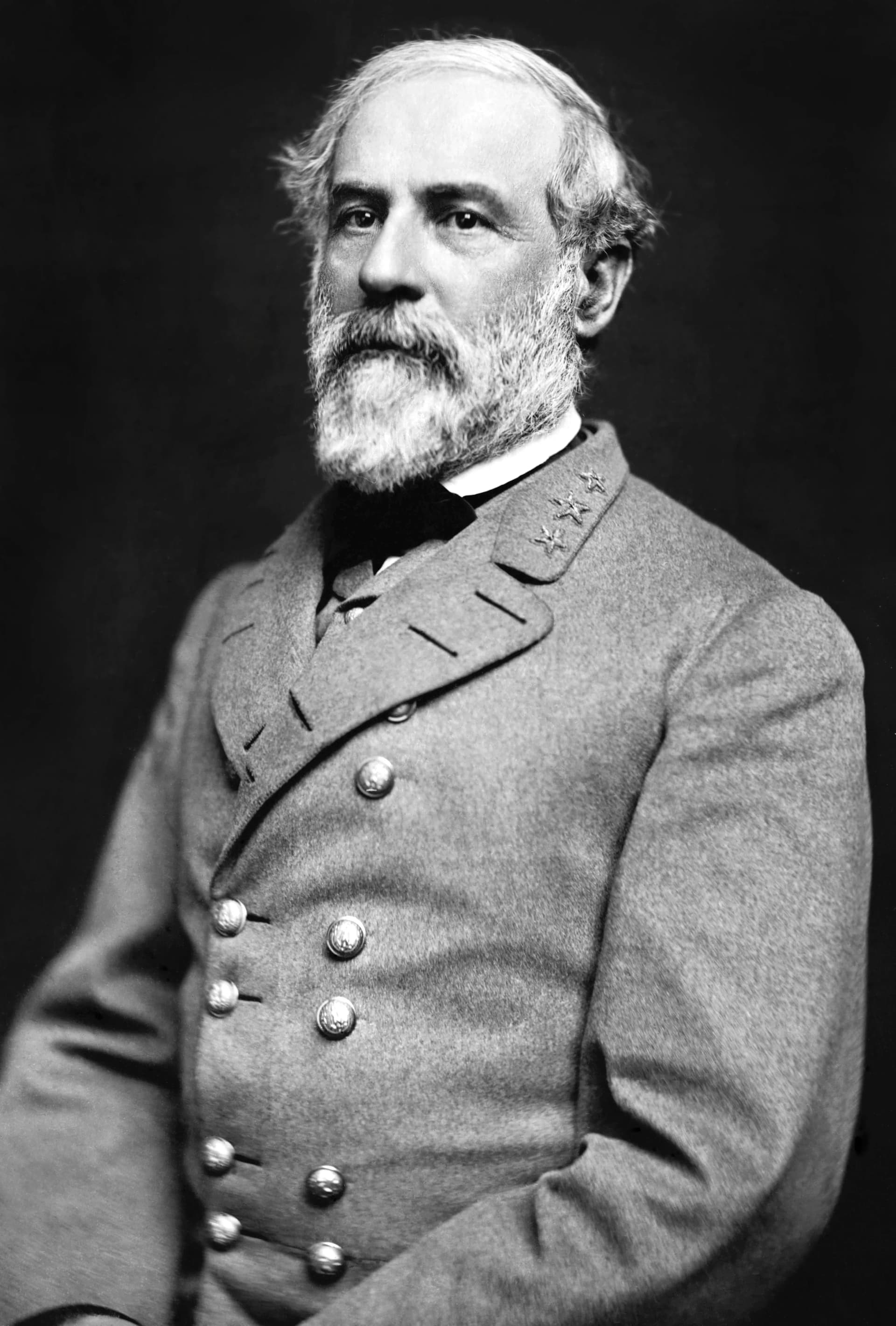
출생
February 17, 1836
Seville, Spain
별세
December 22, 1870
Madrid, Spain
알려진 업적
Spanish poet
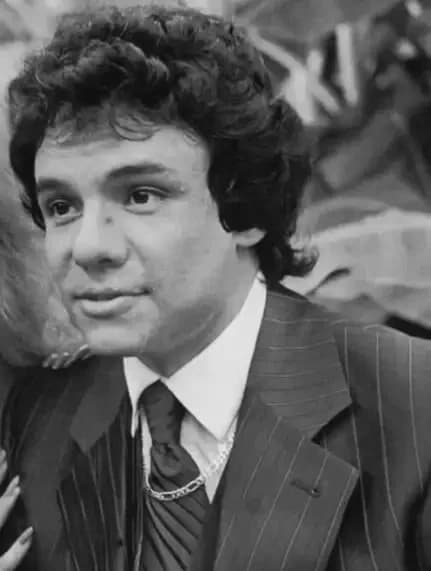
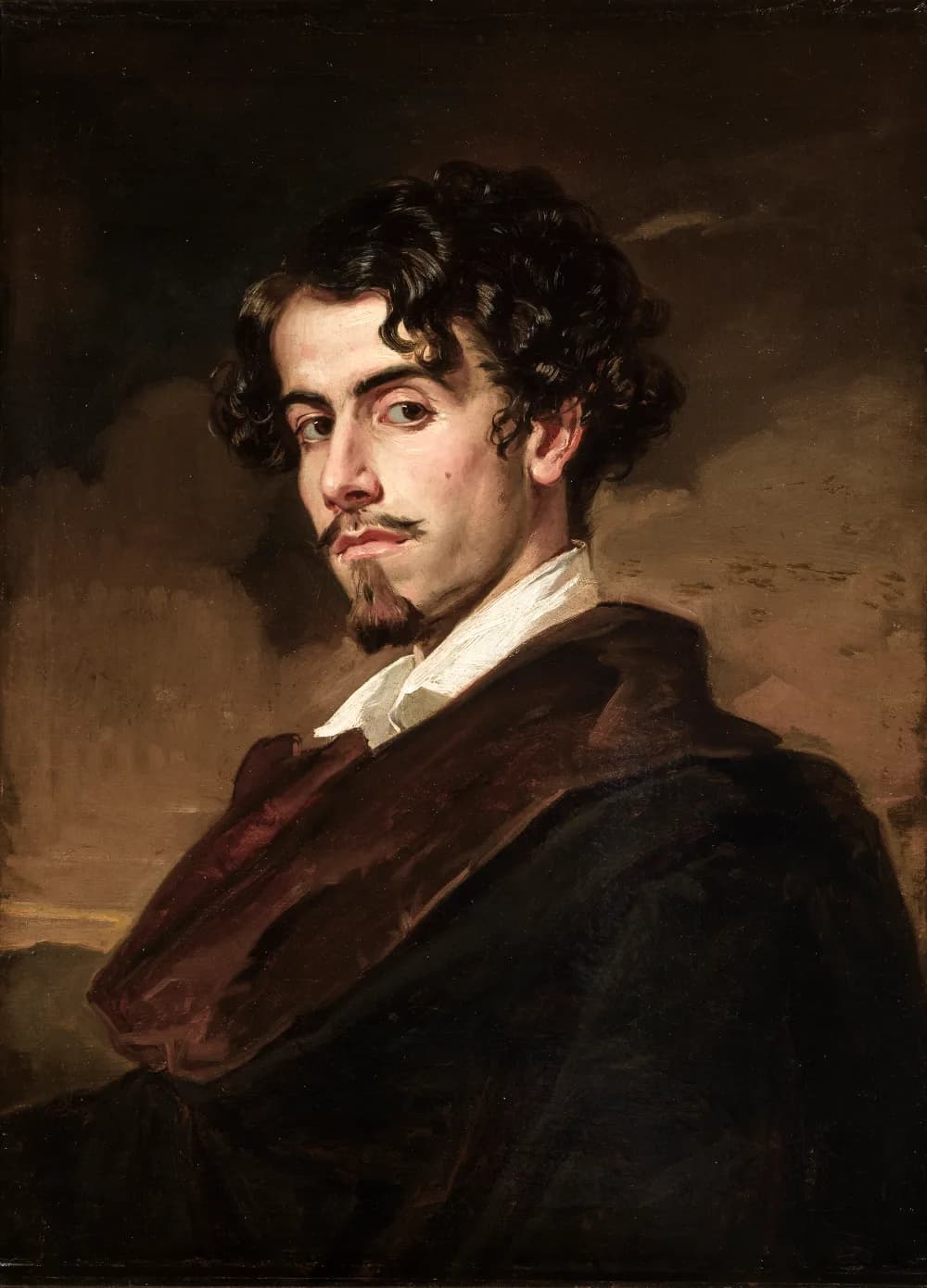
Gustavo Adolfo Bécquer (1836-1870) was a Spanish Romantic poet and writer from Seville. He created the beloved collection "Rimas y leyendas," becoming one of Spain's most important literary figures. His work is considered essential reading throughout the Spanish-speaking world.
순간 속의 삶
한 삶을 빚어낸 순간들
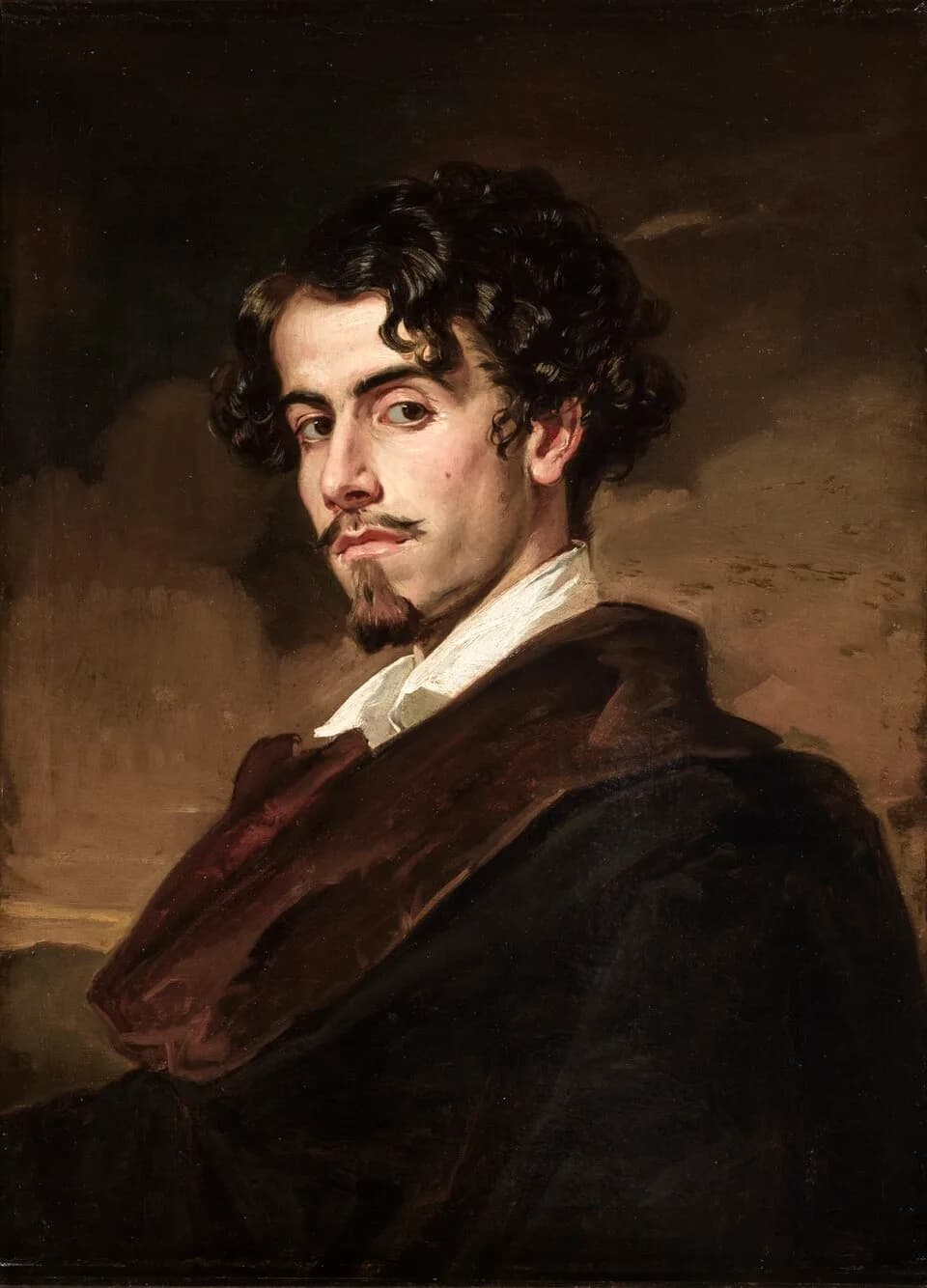
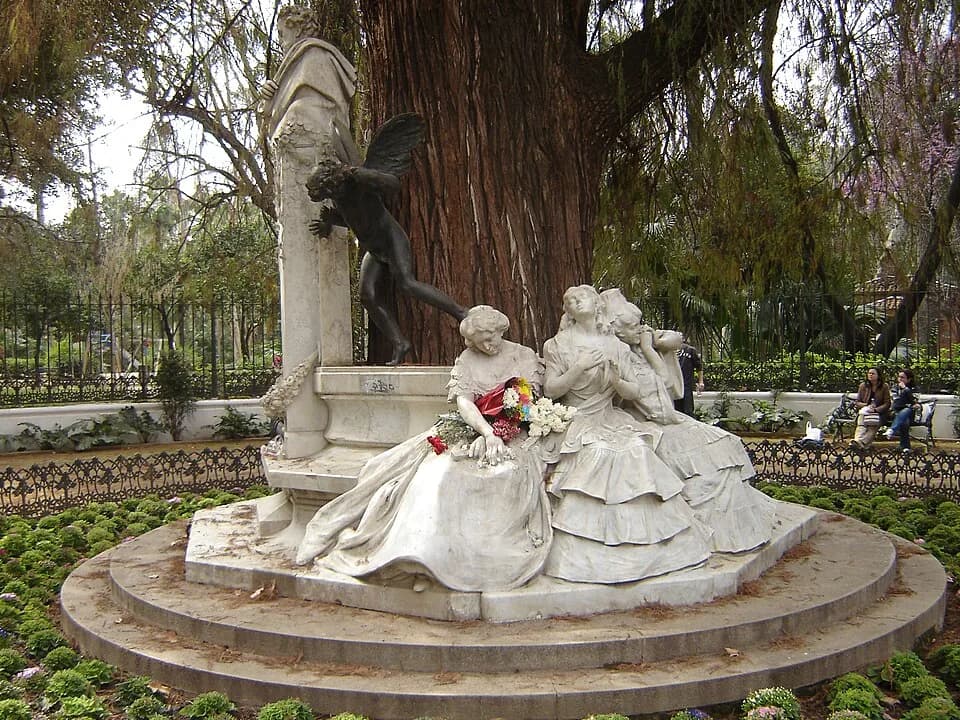
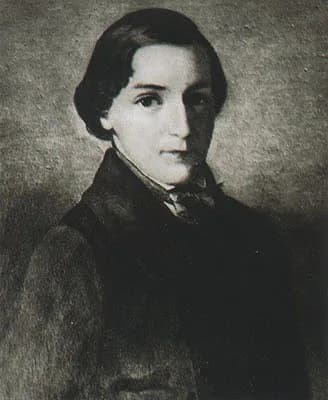
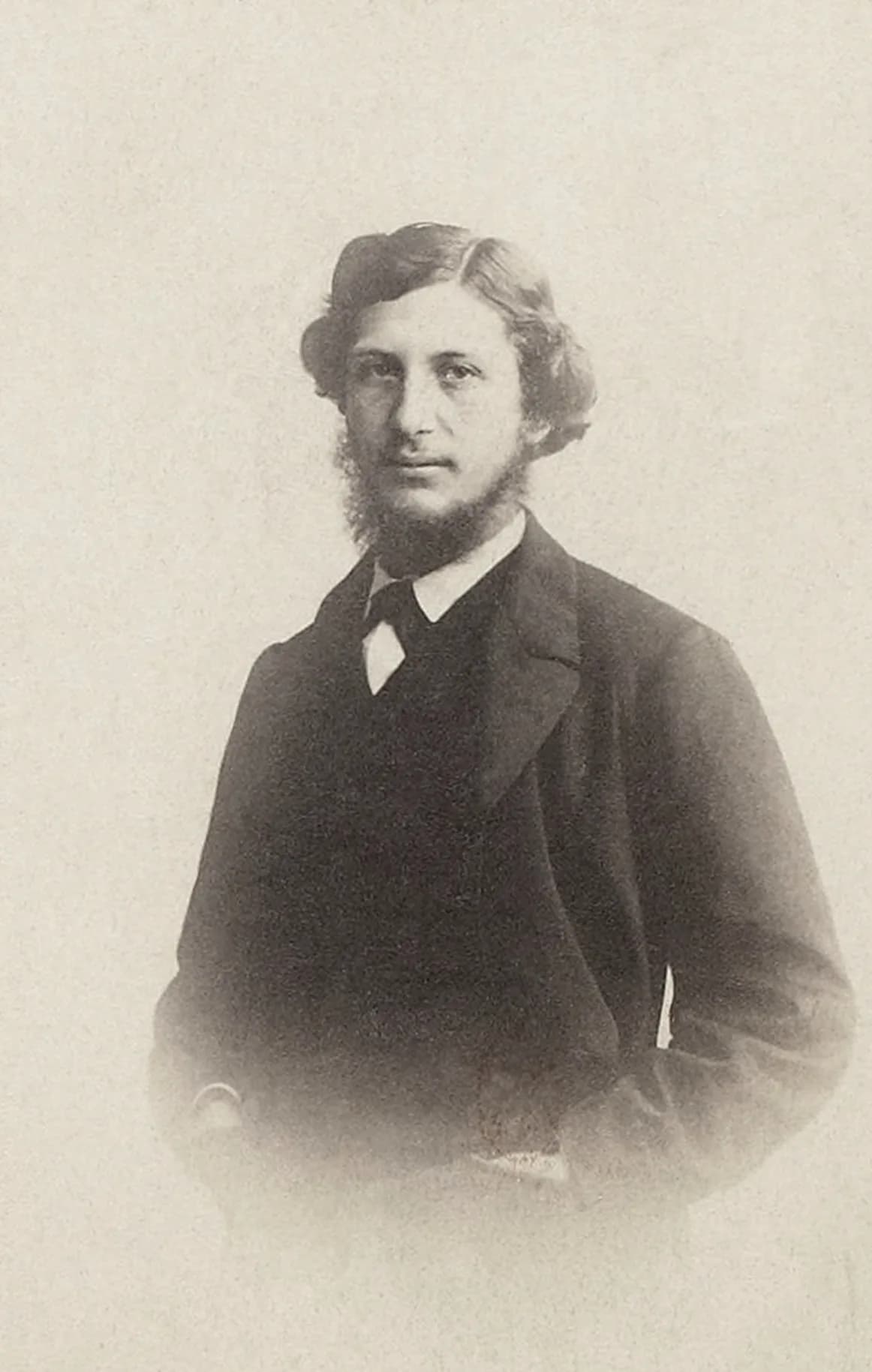
![Gustavo Adolfo Bécquer - [Retrato de Gustavo Adolfo Bécquer] [Material gráfico no proyectable]](/_next/image?url=https%3A%2F%2Fcdn.whowasthisguy.com%2Fgallery_europeana_1777982325165_0_be119f058a.webp&w=1920&q=75)
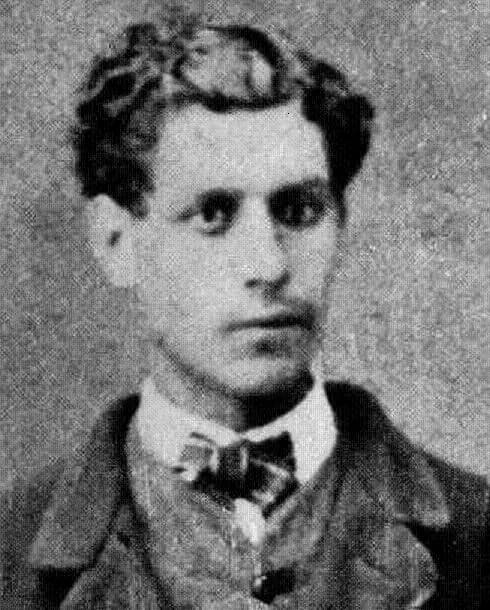
![Gustavo Adolfo Bécquer - Escuela de Adultos [Material gráfico]: Centro de educación de adultos Gustavo Adolfo Bécquer : Asociación de vecinos "El Tajo", curso 1989/90 : [programación].](/_next/image?url=https%3A%2F%2Fcdn.whowasthisguy.com%2Fgallery_europeana_1777982362985_1_d3246f1448.webp&w=1920&q=75)
![Gustavo Adolfo Bécquer - Cursos de Informática (iniciación), Corte y Confección, Manualidades [Material gráfico]: Asociación de Padres y Alumnos "Ataujía" del Centro de Educación de Adultos "Gustavo A](/_next/image?url=https%3A%2F%2Fcdn.whowasthisguy.com%2Fgallery_europeana_1777982394778_2_683e579aa0.webp&w=1920&q=75)
챕터
삶의 챕터
챕터 1 · 1836· 7장 중 1장
Early Life and Origins
Born on February 17, 1836, in Seville, Spain, Gustavo Adolfo came from a family that would embrace artistic pursuits. His brother Valeriano Bécquer pursued painting and had already adopted the Bécquer surname, which Gustavo Adolfo would later take as well. The choice to use Bécquer rather than his birth name of Domínguez Bastida would become part of his literary identity.
Growing up in Seville provided young Gustavo with exposure to the rich cultural traditions of Andalusia. This southern Spanish city, with its blend of Moorish and Christian influences, would later inspire much of the atmospheric quality found in his poetry and prose.
챕터 2· 7장 중 2장
Career Beginnings
Bécquer's entry into the literary world came during a time when realism was gaining popularity in Spain. However, he chose to follow his own artistic vision, staying true to the romantic traditions that spoke to his creative spirit. His early work showed promise, though recognition would come slowly during his lifetime.
Madrid became his adopted home as he pursued his writing career. The capital city offered opportunities for a young writer, though Bécquer faced the typical struggles of an artist trying to make his mark in a competitive literary scene.
챕터 3· 7장 중 3장
Major Achievements and Career Highlights
Bécquer's greatest achievement lies in his collection known as "Rimas y leyendas" (Rhymes and Legends). These works showcase his mastery of both poetry and narrative prose. The Rhymes demonstrate his ability to capture deep emotion in concise, musical verse, while the Legends reveal his talent for atmospheric storytelling.
As a playwright, literary columnist, and narrator, Bécquer showed versatility across multiple forms of writing. His talent extended beyond words to drawing, revealing an artistic sensibility that enriched all his creative endeavors. Though moderately well-known during his lifetime, his true recognition would come posthumously.
챕터 4· 7장 중 4장
Personal Life
Bécquer's personal life was marked by his close relationship with his brother Valeriano, the painter who had first adopted the family's artistic surname. The brothers shared an artistic bond that influenced both their careers. Gustavo's romantic temperament, so evident in his poetry, also characterized his approach to life and relationships.
His sensitive nature and artistic soul made him particularly attuned to beauty, love, and the mysteries of human emotion. These qualities shine through in his most beloved verses and tales.
챕터 5· 7장 중 5장
Notable Works and Contributions
"Rimas y leyendas" remains Bécquer's masterpiece and most enduring contribution to Spanish literature. The collection includes his "Rimas y declaraciones poéticas" and various other works that have become essential reading in Spanish-speaking countries. High school students across the Spanish-speaking world encounter his poetry as part of their literary education.
His other notable works include "Il monte delle anime," "Jealousy," and "Unida a la muerte." Each piece demonstrates his ability to weave together romantic themes with deeper philosophical questions. His "Stories by foreign authors" shows his engagement with international literary trends, while maintaining his distinctive Spanish voice.
챕터 6· 7장 중 6장
Later Years
Bécquer's later years were spent continuing his literary work in Madrid, though he never achieved the level of fame during his lifetime that his talent merited. He continued writing poetry, short stories, and working as a literary columnist until his death. His dedication to his craft never wavered, even when popular literary tastes moved toward realism.
The poet's life was cut short when he died on December 22, 1870, in Madrid at just 34 years old. His death marked the end of a brief but highly productive literary career that would gain its full recognition only after his passing.
챕터 7· 7장 중 7장
Legacy and Impact
Bécquer's influence on Spanish literature cannot be overstated. His posthumous fame far exceeded his recognition during his lifetime, with most of his major works being published after his death. Today, he ranks among Spain's most important literary figures, with his "Rimas y leyendas" considered essential reading for understanding Spanish romanticism.
His poetry continues to resonate with readers across generations, speaking to universal themes of love, beauty, and human longing. The musical quality of his verse and the atmospheric power of his prose have inspired countless writers and poets throughout the Spanish-speaking world. His work serves as a bridge between the romantic movement and later literary developments, showing how traditional forms can carry timeless emotional truths.
FAQ
자주 묻는 질문
Gustavo Adolfo Bécquer은(는) 언제 사망했습니까?
Gustavo Adolfo Bécquer은(는) 1870년 12월 22일 Madrid, Spain에서 사망했습니다 (향년 34세).
Gustavo Adolfo Bécquer은(는) 어디에서 태어났습니까?
Gustavo Adolfo Bécquer은(는) Seville, Spain에서 1836년 2월 17일에 태어났습니다.
Gustavo Adolfo Bécquer은(는) 무엇으로 가장 잘 알려져 있습니까?
Gustavo Adolfo Bécquer은(는) Spanish poet(으)로 가장 잘 알려져 있습니다.
Gustavo Adolfo Bécquer은(는) 사망 당시 몇 살이었습니까?
Gustavo Adolfo Bécquer은(는) 사망 당시 34세였습니다.
Gustavo Adolfo Bécquer의 국적은 무엇이었습니까?
Gustavo Adolfo Bécquer은(는) Spain 출신이었습니다.
연표
한눈에 보는 삶
사진 갤러리
사진으로 보는 삶
폴라로이드를 클릭하여 확대 · 사진 30장
QR 코드
이 전기 공유
인쇄 및 공유
스캔하여 이 전기 페이지를 방문하세요. 행사, 전시회, 교육 자료에 인쇄해 사용하실 수 있습니다.