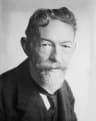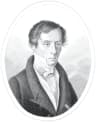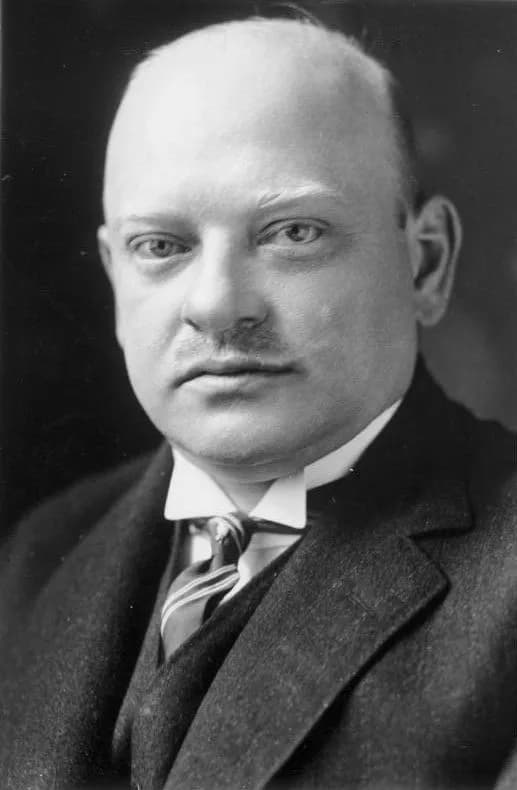
출생
May 10, 1878
Berlin, Margraviate of Brandenburg
별세
October 3, 1929
Berlin, Margraviate of Brandenburg
알려진 업적
German politician, statesman, and Nobel Peace Prize laureate
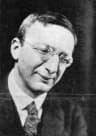
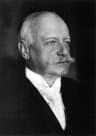
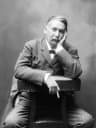
Gustav Stresemann (1878–1929) was Margraviate of Brandenburg best known for German politician, statesman, and Nobel Peace Prize laureate.
Gustav Stresemann (May 10, 1878 – October 3, 1929) was a German politician and diplomat from Berlin. He served as Chancellor and Foreign Minister during the Weimar Republic, notably achieving reconciliation with France. Awarded the Nobel Peace Prize in 1926, he is remembered for fostering stability.
챕터
삶의 챕터
챕터 1 · 1878· 5장 중 1장
Early Life and Political Path
Gustav Stresemann was born on May 10, 1878, in Berlin, a city then within the Margraviate of Brandenburg. Though specific details of his early family life are not provided, his origins in the German capital set the stage for his future in national politics. He pursued an education that prepared him for a career in public service.
Stresemann entered the political arena during a period of significant upheaval in Germany, following the collapse of the Second German Empire and the establishment of the Weimar Republic. His early political engagement laid the foundation for his rapid ascent within German governance. He quickly distinguished himself as a politician with a clear vision for Germany's future.
챕터 2 · 1923· 5장 중 2장
Chancellorship and Foreign Ministry
Stresemann rose to national prominence, serving as Chancellor of Germany from August to November 1923. This brief but impactful tenure occurred during a particularly challenging phase for the young Weimar Republic, characterized by economic crisis and political unrest. His leadership was instrumental in navigating these immediate difficulties.
Immediately after his chancellorship, Stresemann accepted the crucial role of Foreign Minister, a position he held consistently from 1923 until his death in 1929. Over these six years, he became the architect of Germany's foreign policy, working tirelessly to restore the nation's standing on the international stage. He aimed to integrate Germany back into the European community through diplomatic means.
챕터 3· 5장 중 3장
The Pursuit of Reconciliation and Peace
As Foreign Minister, Stresemann's primary focus was the reconciliation between Germany and France, understanding this as essential for wider European stability. He diligently worked towards overcoming the deep-seated animosities stemming from World War I. His approach emphasized dialogue and mutual understanding over confrontation.
A key outcome of these efforts was the negotiation and signing of the Locarno Treaty in 1925. This treaty, a series of agreements, aimed to guarantee peace in Western Europe by normalizing relations between the former wartime adversaries. Stresemann's diplomatic skill was evident in securing these important international accords.
챕터 4 · 1926· 5장 중 4장
Nobel Recognition and Diplomatic Success
In recognition of his significant contributions to bringing about the Locarno Treaty and fostering Franco-German reconciliation, Gustav Stresemann was jointly awarded the Nobel Peace Prize in 1926. He shared this prestigious honor with French Prime Minister Aristide Briand. This award highlighted the profound positive impact of their collaborative diplomatic work.
The Nobel Prize underscored the international community's acknowledgement of Stresemann's dedicated pursuit of peace. It validated his strategy of reintegrating Germany into the European framework through diplomacy rather than isolation. This period marked a peak in his international influence and success.
챕터 5 · 1929· 5장 중 5장
Later Years and Enduring Legacy
Gustav Stresemann continued to serve as Foreign Minister until his untimely death on October 3, 1929. He passed away in his birth city of Berlin, Margraviate of Brandenburg, while still actively shaping Germany's foreign policy. His commitment to public service remained unwavering throughout his life.
At the time of his passing, Stresemann was widely recognized as the individual primarily responsible for maintaining the delicate balance of Germany's political system. During a period defined by political instability and fragile, short-lived governments, his steady leadership provided a necessary anchor. He was seen as a calming force amidst the turmoil.
Stresemann's legacy is defined by his vision for a peaceful and stable Europe, achieved through active dialogue and reconciliation. His diplomatic achievements, particularly the Locarno Treaty and the Franco-German rapprochement, laid foundations for future European cooperation. He left an enduring mark on international relations and Germany's path in the interwar period.
순간 속의 삶
한 삶을 빚어낸 순간들
FAQ
자주 묻는 질문
Gustav Stresemann은(는) 언제 사망했습니까?
Gustav Stresemann은(는) 1929년 10월 3일 Berlin, Margraviate of Brandenburg에서 사망했습니다 (향년 51세).
Gustav Stresemann은(는) 어디에서 태어났습니까?
Gustav Stresemann은(는) Berlin, Margraviate of Brandenburg에서 1878년 5월 10일에 태어났습니다.
Gustav Stresemann은(는) 무엇으로 가장 잘 알려져 있습니까?
Gustav Stresemann은(는) German politician, statesman, and Nobel Peace Prize laureate(으)로 가장 잘 알려져 있습니다.
Gustav Stresemann은(는) 사망 당시 몇 살이었습니까?
Gustav Stresemann은(는) 사망 당시 51세였습니다.
Gustav Stresemann의 국적은 무엇이었습니까?
Gustav Stresemann은(는) Margraviate of Brandenburg 출신이었습니다.
사진 갤러리
사진으로 보는 삶
폴라로이드를 클릭하여 확대 · 사진 49장
QR 코드
이 전기 공유
인쇄 및 공유
스캔하여 이 전기 페이지를 방문하세요. 행사, 전시회, 교육 자료에 인쇄해 사용하실 수 있습니다.