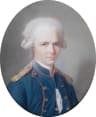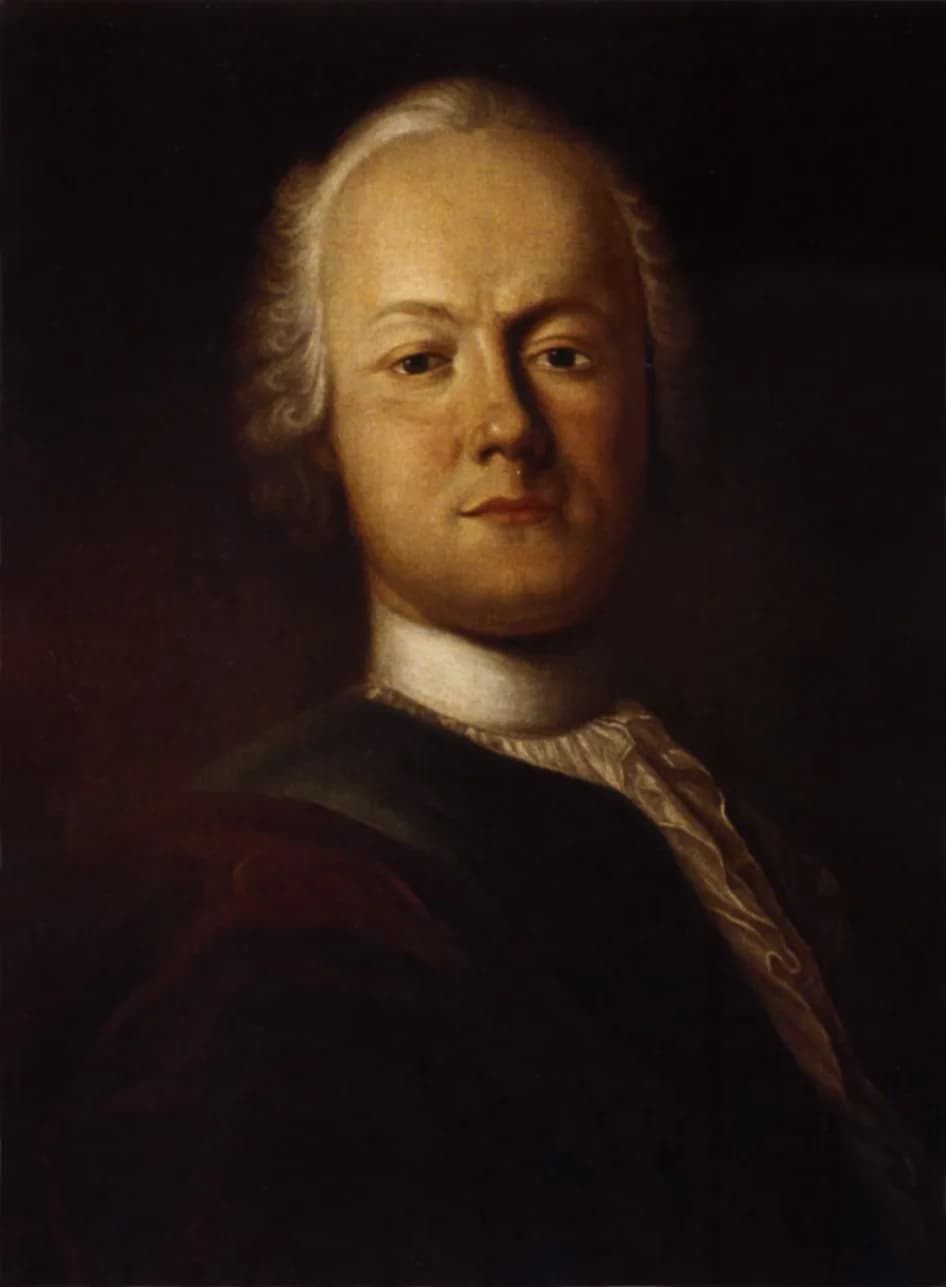
출생
July 2, 1724
Quedlinburg, Germany
별세
March 14, 1803
Hamburg, Holy Roman Empire
알려진 업적
German poet, writer and linguist
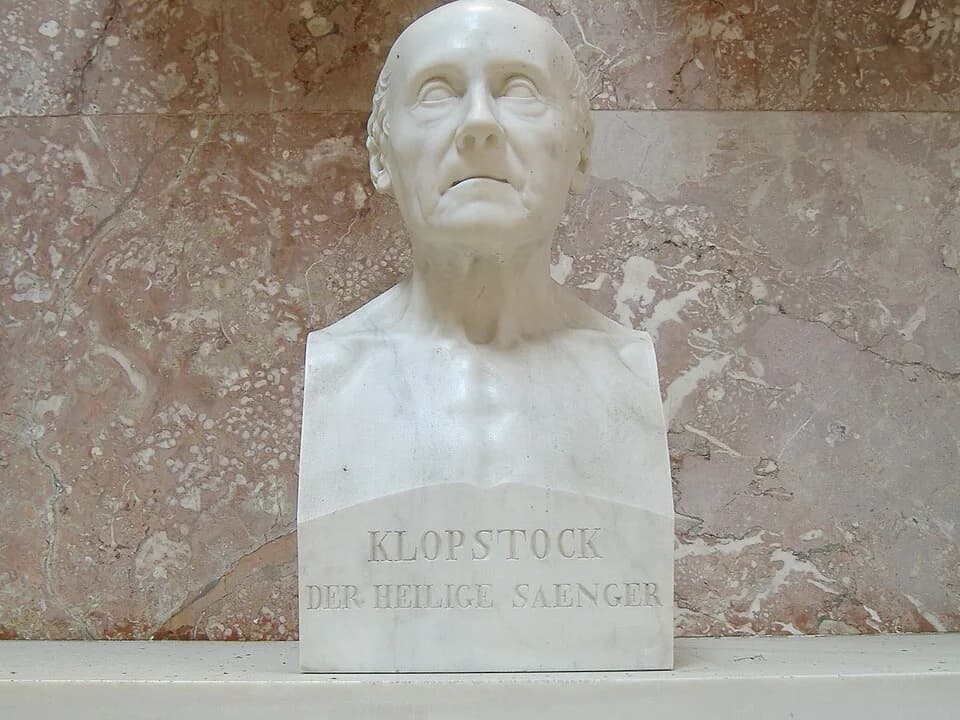
Friedrich Gottlieb Klopstock (1724–1803) was Germany best known for German poet, writer and linguist.
Friedrich Gottlieb Klopstock (July 2, 1724 – March 14, 1803) was a German poet, writer, and linguist from Quedlinburg, Germany. He is renowned for his epic poem *Der Messias* and for opening German literature to exploration beyond French models. His work continues to influence literary study and appreciation.
챕터
삶의 챕터
챕터 1 · 1724· 7장 중 1장
Early Life and Origins
Friedrich Gottlieb Klopstock was born on July 2, 1724, in the historic town of Quedlinburg, Germany. His upbringing in this region undoubtedly informed his early sensibilities and literary inclinations. Details regarding his specific family background and early education are not extensively provided, yet his eventual path clearly indicates a profound commitment to intellectual and creative pursuits from a young age.
챕터 2· 7장 중 2장
Career Beginnings
Klopstock embarked on his literary career with a fervent dedication to poetry and writing. While specific initial ventures are not detailed, his early efforts quickly established him as a distinctive voice. Beyond his burgeoning work as a poet and writer, he also gained experience as an in-home tutor, a profession that often supported intellectual endeavors during his time. These foundational experiences laid the groundwork for his later, more ambitious projects.
챕터 3· 7장 중 3장
Major Achievements and Career Highlights
Among Klopstock's most significant accomplishments is the epic poem *Der Messias*, a work that captivated readers across Germany and beyond. This ambitious poem cemented his reputation as a leading literary figure of the 18th century. Another of his revered poems, *Die Auferstehung*, achieved lasting fame through its incorporation into Gustav Mahler's Symphony No. 2, showcasing its enduring artistic power.
A major contribution that distinguished Klopstock was his courageous effort to open German literature to new forms of exploration, consciously moving away from French literary models. He championed a more authentic German poetic voice, characterized by deep emotion, sublime themes, and innovative metrical forms. This shift was instrumental in shaping the course of German literary development for decades to come.
챕터 4· 7장 중 4장
Personal Life
While Friedrich Gottlieb Klopstock's literary achievements are well-documented, specific details regarding his personal life, including family relationships or intimate interests outside of his professional pursuits, are not extensively recorded in available historical accounts. His public persona was largely defined by his intellectual and artistic contributions.
챕터 5· 7장 중 5장
Notable Works or Contributions
Klopstock's bibliography is extensive and rich, reflecting his prolific output as a writer and poet. Beyond *Der Messias* and *Die Auferstehung*, his collected works include significant poetic and scholarly endeavors. These works often explored spiritual themes, patriotic sentiments, and linguistic innovations.
His notable publications include *Salomo, Oden und elegieen mit erklärenden anmerkungen und einer einleitung von den schriften des dichters*, which offered insights into his poetic philosophy. Other significant titles are *Ode an den König*, a testament to his civic engagement, and *Pasionaries*. He also published collections such as *Friedr. Gottl. Klopstocks Wingolf* and *Ueber das Recht der Landesfürsten in Betreff der dogmatischen Bullen*, highlighting his diverse intellectual interests.
Further testament to his enduring impact are comprehensive editions of his literary output, including *Klopstock's werke*, *Oden und Epigramme*, and various editions simply titled *Werke*. These collections demonstrate the breadth and depth of his literary production, encompassing various genres and thematic explorations.
챕터 6 · 1803· 7장 중 6장
Later Years
Friedrich Gottlieb Klopstock continued his literary and linguistic pursuits into his later life, maintaining his position as a respected figure in the German intellectual community. He passed away on March 14, 1803, in Hamburg, which was then part of the Holy Roman Empire. His death marked the end of an era for German letters, but his influence had already been firmly established.
챕터 7· 7장 중 7장
Legacy and Impact
Klopstock's lasting legacy stems from his pivotal role in liberating German literature from the constraints of French classicism. He inspired a generation of German writers, including figures associated with the Sturm und Drang movement, to forge a uniquely German literary identity. His insistence on originality and emotional depth paved the way for future literary movements.
Through works like *Der Messias* and *Die Auferstehung*, Klopstock introduced a new standard for German poetry, demonstrating its capacity for grandeur and profound emotional expression. His contributions as a linguist further enriched the German language, making him a central figure in the development of modern German literature and culture.
순간 속의 삶
한 삶을 빚어낸 순간들
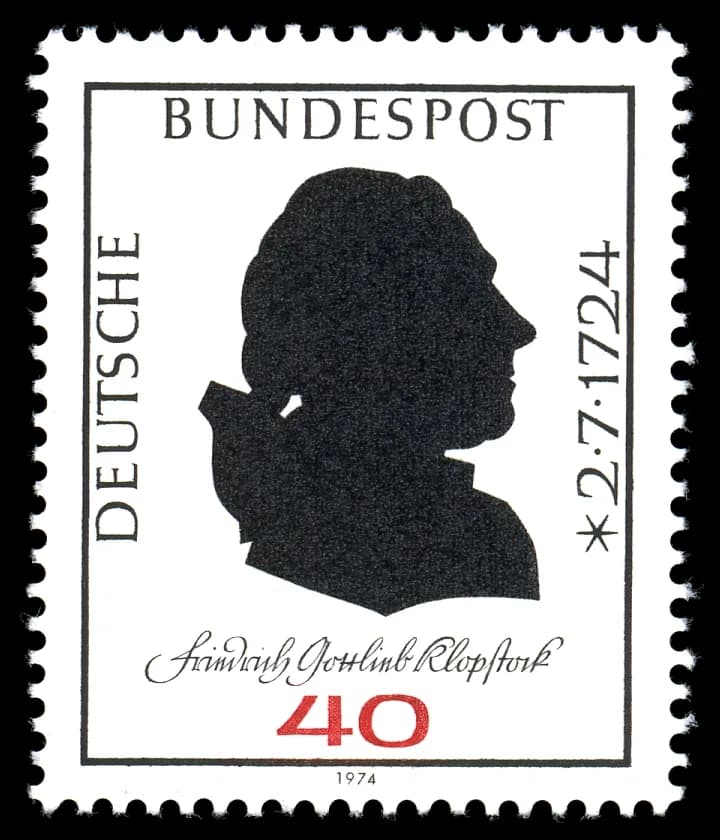
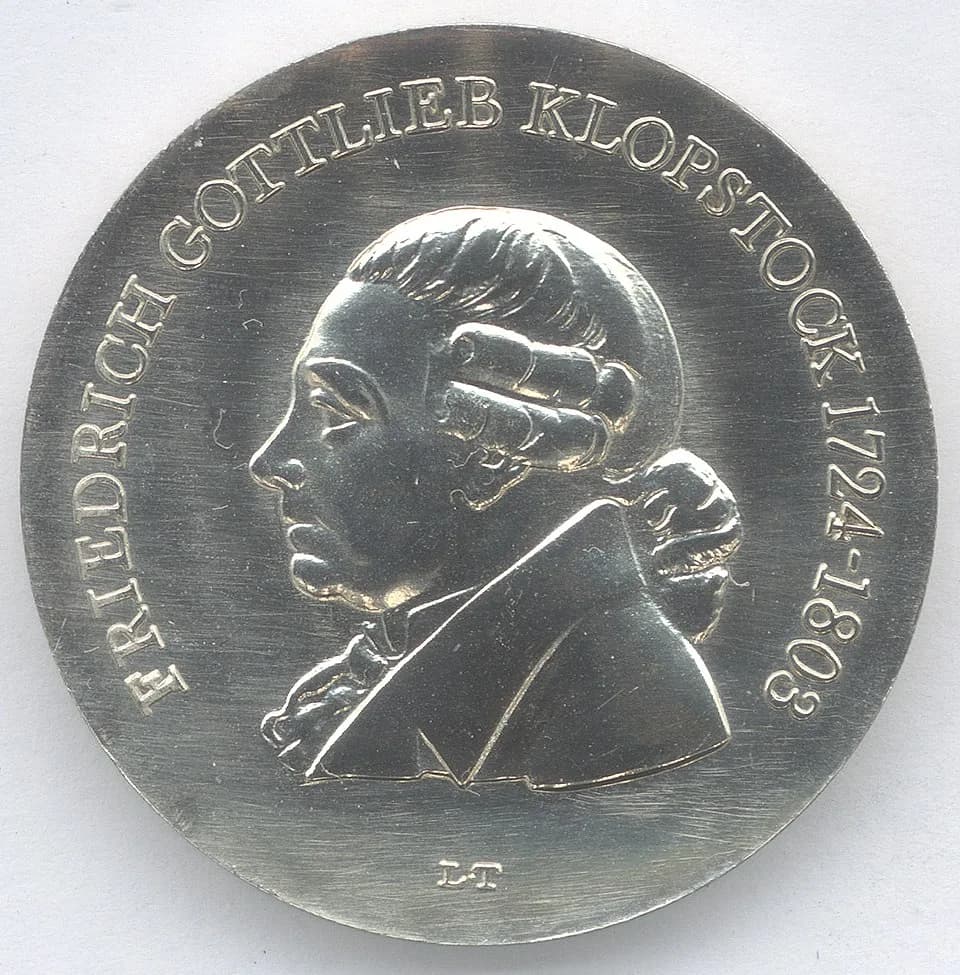
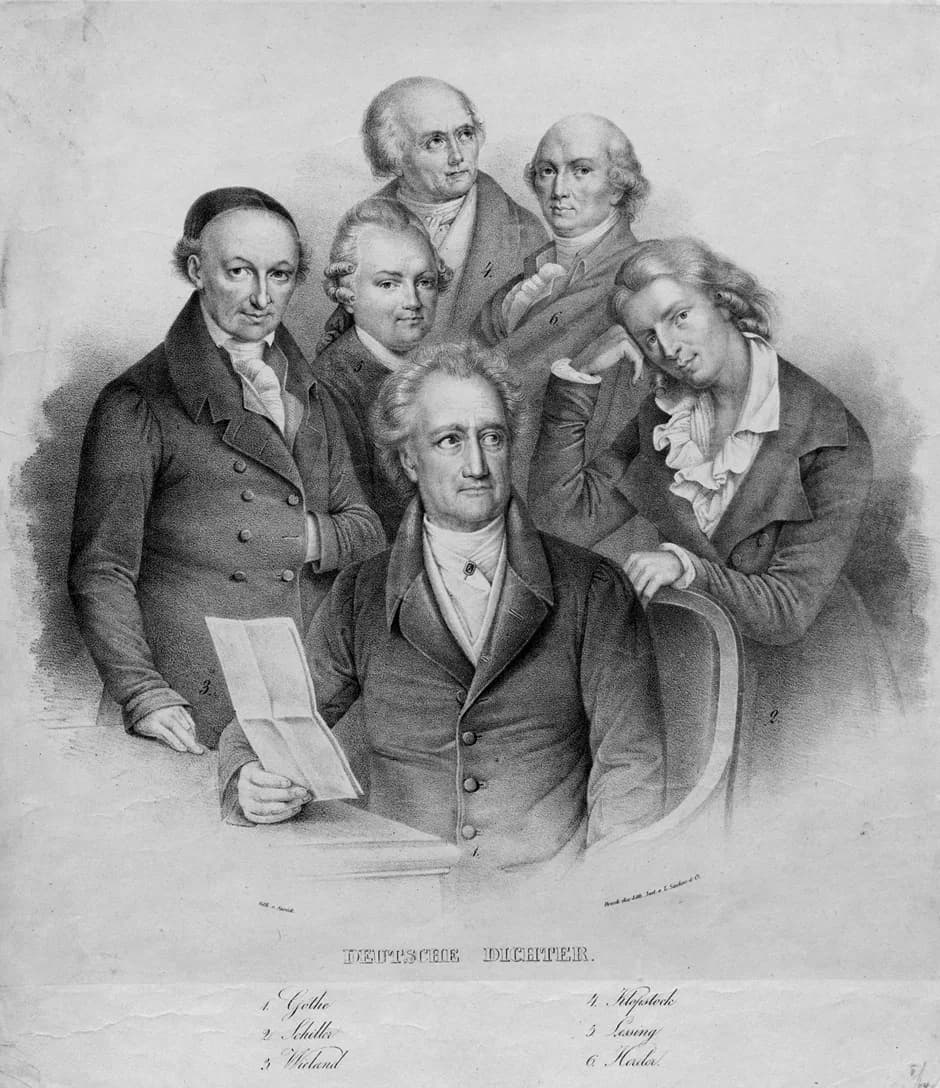
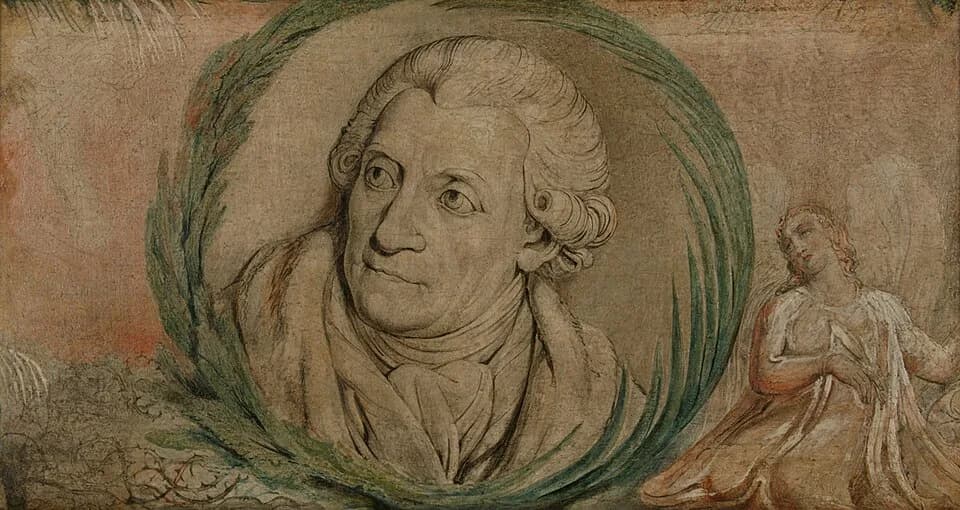
FAQ
자주 묻는 질문
Friedrich Gottlieb Klopstock은(는) 언제 사망했습니까?
Friedrich Gottlieb Klopstock은(는) 1803년 3월 14일 Hamburg, Holy Roman Empire에서 사망했습니다 (향년 78세).
Friedrich Gottlieb Klopstock은(는) 어디에서 태어났습니까?
Friedrich Gottlieb Klopstock은(는) Quedlinburg, Germany에서 1724년 7월 2일에 태어났습니다.
Friedrich Gottlieb Klopstock은(는) 무엇으로 가장 잘 알려져 있습니까?
Friedrich Gottlieb Klopstock은(는) German poet, writer and linguist(으)로 가장 잘 알려져 있습니다.
Friedrich Gottlieb Klopstock은(는) 사망 당시 몇 살이었습니까?
Friedrich Gottlieb Klopstock은(는) 사망 당시 78세였습니다.
Friedrich Gottlieb Klopstock의 국적은 무엇이었습니까?
Friedrich Gottlieb Klopstock은(는) Germany 출신이었습니다.
연표
한눈에 보는 삶
사진 갤러리
사진으로 보는 삶
폴라로이드를 클릭하여 확대 · 사진 47장
QR 코드
이 전기 공유
인쇄 및 공유
스캔하여 이 전기 페이지를 방문하세요. 행사, 전시회, 교육 자료에 인쇄해 사용하실 수 있습니다.